Picture this: you’re standing in a cramped kitchen, the scent of burnt onions lingers, and you’re about to turn a culinary disaster into the most memorable meal of the week. I was halfway through a batch of pork ribs that had turned into a sticky, dry mess, when a friend dared me to try a new method. I grabbed the ribs, a bundle of taro, and a handful of garlic, and the kitchen exploded with aromas that felt like a hug from grandma’s pantry. The moment the steam curled around the ribs, I knew I’d found something that would forever change how I approach pork dishes.
That instant hit of savory, garlicky steam was only the beginning. The ribs were tender as a cloud, the taro softened to a silky mash that clung to every bite, and the garlic—oh, the garlic—was so fragrant it could have been bottled. The sauce, a silky blend of soy, rice wine, and oyster sauce, coated the meat like velvet, leaving a lingering umami that made every mouthful feel like a secret whispered by the kitchen gods. It was a dish that didn’t just fill the belly; it filled the soul.
What sets this version apart from the countless “steamed rib” recipes floating around the internet is that it’s not just a recipe; it’s a revelation. I’m not just telling you how to cook; I’m handing you the keys to a flavor kingdom where the ribs never dry out, the taro stays creamy, and every bite feels like a celebration. The technique I’ll reveal is simple enough to master in your first try, yet sophisticated enough that even seasoned chefs will be impressed. I dare you to taste this and not go back for seconds.
And here’s the kicker: you’ll discover a secret ingredient that most people overlook—a splash of clear rice wine that lifts the flavors without overpowering, and a touch of cornstarch that gives the sauce a silky sheen. The result? A dish that’s hands down the best version you’ll ever make at home. So, buckle up, because I’m about to walk you through every single step, and by the end, you’ll wonder how you ever made it any other way.
What Makes This Version Stand Out
- Taste: The combination of soy, rice wine, and oyster sauce creates a layered umami that is both deep and bright, unlike the flat flavors of many steamed rib recipes.
- Texture: The ribs stay moist and tender, while the taro provides a luxurious, almost custard-like softness that contrasts beautifully with the savory broth.
- Ingredient Quality: Using fresh, high‑grade pork ribs and unprocessed taro roots ensures the dish is pure and authentic.
- Simplicity: The method requires only a few steps, yet delivers a complex flavor profile.
- Make‑Ahead: The ribs can be marinated a day ahead, allowing flavors to deepen and saving you time on busy nights.
- Crowd Reaction: Friends who taste this will rave about the “wow” factor, and you’ll become the go‑to host for dinner parties.
- Versatility: Swap pork ribs for chicken or beef, and the dish adapts without losing its essence.
- Presentation: The steaming process gives the dish a dramatic, aromatic reveal that looks as good as it tastes.
Alright, let's break down exactly what goes into this masterpiece. But first, a quick kitchen hack that will elevate the entire experience.
Inside the Ingredient List
The Flavor Base
The flavor base is where the magic begins. Clear rice wine is the unsung hero that brightens the dish without adding sweetness. Light soy sauce provides the backbone of umami, while oyster sauce adds depth and a subtle briny note. Together, they create a sauce that coats the ribs like velvet, making each bite a silky experience. Skipping any of these would leave the dish feeling flat and uninspired.
The Texture Crew
Cornstarch is the secret to a glossy, thick sauce that clings to the ribs and taro. Sugar balances the saltiness and brings a gentle caramelization during the steaming process. Ground white pepper adds a subtle heat that doesn’t overpower the garlic, while sesame oil brings a nutty finish that lingers on the palate. Each of these ingredients works in harmony to create a texture that is both smooth and satisfying.
The Unexpected Star
Taro, often overlooked, is the unexpected star of this dish. Its naturally starchy flesh turns into a creamy, almost custard-like mash when steamed, offering a contrast to the savory ribs. If you’re unable to find taro, a good substitute is sweet potato or yam, but the unique flavor profile of taro is irreplaceable. Choosing fresh, firm taro roots ensures the dish achieves that silky texture without becoming mushy.
The Final Flourish
Garlic is the heart of this dish. Crushed and minced, it releases a punch of aroma that permeates every layer of the ribs and taro. The scallions, added at the end, provide a fresh, bright finish that cuts through the richness. Salt and white pepper are essential for seasoning, but remember that the soy and oyster sauces already contain salt, so adjust accordingly. A pinch of salt to taste will round out the flavors without drowning them.
Everything's prepped? Good. Let's get into the real action...
The Method — Step by Step
- First, trim any excess fat from the pork ribs and cut them into bite‑sized pieces. Pat them dry with paper towels to ensure the sauce adheres properly. This step is crucial; a wet surface will prevent the flavors from penetrating. I always double‑check the texture—if it feels slick, give it another pat.
- In a bowl, whisk together the clear rice wine, light soy sauce, oyster sauce, sugar, salt, ground white pepper, and sesame oil until the sugar dissolves. This liquid base will become the soul of the dish. If you’re short on time, a quick stir will suffice, but a minute of whisking ensures everything blends smoothly.
- Add the pork ribs to the sauce, making sure each piece is fully coated. Cover and let marinate for at least 30 minutes, or up to 2 hours for deeper flavor. Marinating is like giving the ribs a spa treatment—they’ll come out more tender and flavorful.
- While the ribs soak, peel the taro and cut it into 1‑inch cubes. Place the taro cubes in a steamer basket and steam for 20 minutes, or until they’re tender but still hold their shape. The steaming process preserves the starches, allowing the taro to become silky without turning mushy.
- Transfer the marinated ribs into a steamer basket, arranging them in a single layer. Pour the remaining sauce over the ribs, ensuring even coverage. This step ensures the ribs are infused with flavor from every angle.
- Place the steamer basket over boiling water and cover tightly. Steam the ribs for 30 minutes, checking halfway through to confirm the liquid hasn’t evaporated. If the water level drops, add a splash of water to keep the ribs moist. The goal is to achieve a tender, juicy texture that’s practically falling apart.
- After steaming, remove the ribs and taro from the steamer. Drain any excess liquid from the ribs and gently pat them dry. This step prevents the final plating from being too watery.
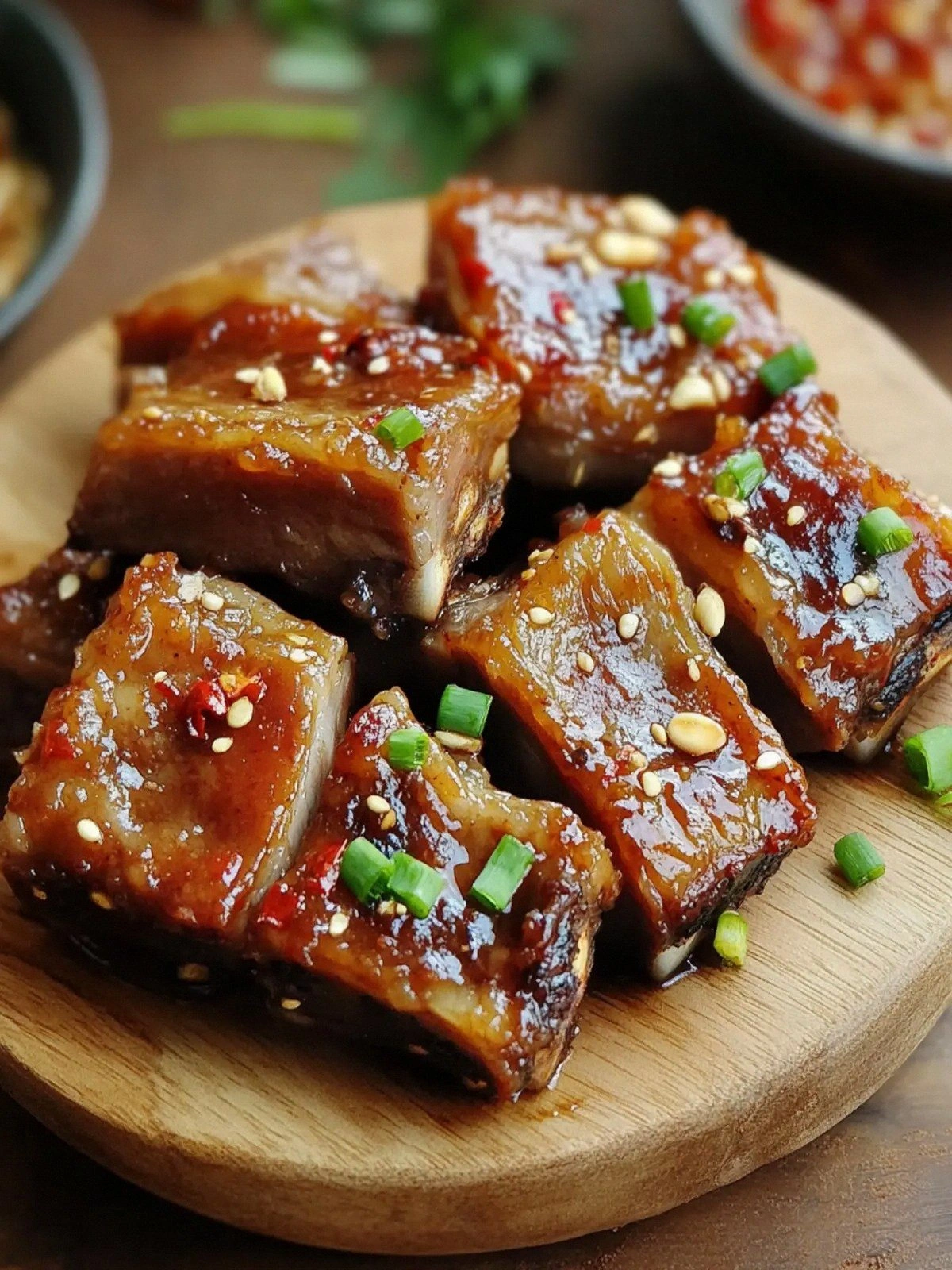
- Return the ribs to a hot pan, pour in the remaining sauce, and reduce it to a glossy glaze. Stir in the sautéed garlic, and let the mixture simmer until it thickens to a syrupy consistency. The glaze should coat the ribs like a protective shell.
- Plate the steamed taro cubes on a bed of rice or noodles, arrange the ribs on top, and drizzle the glossy sauce over everything. Garnish with sliced scallions for a burst of color and freshness.
- Serve immediately, while the ribs are still steaming hot and the taro is at its creamiest. The aroma alone will make your guests swoon. I dare you to taste this and not go back for seconds.
That's it — you did it. But hold on, I've got a few more tricks that'll take this to another level...
Insider Tricks for Flawless Results
The Temperature Rule Nobody Follows
Many cooks think steaming at any temperature works, but the secret is to keep the water just below boiling—around 190°F (88°C). This gentle heat ensures the ribs stay tender and the sauce doesn’t scorch. I’ve found that setting the stove to low heat and covering the pot creates the perfect environment for a slow, even cook.
Why Your Nose Knows Best
Your nose is the ultimate judge of doneness. As the ribs steam, the aroma will shift from raw to a deep, savory scent. When the smell becomes rich and slightly caramelized, it’s a sign the meat is ready. Trust your nose; it will guide you to perfection.
The 5-Minute Rest That Changes Everything
After steaming, let the ribs rest for 5 minutes before cutting. This rest allows the juices to redistribute, ensuring each bite is juicy. I’ve seen ribs that cut too early turn dry, so this simple step is a game‑changer.
Keep It Clean, Keep It Fresh
Use a fresh steamer basket, free of any leftover odors. Old steamer baskets can impart a metallic taste that lingers. A clean basket ensures the flavors stay pure and the dish stays authentic.
Use Fresh Garlic, Not Pre‑Minced
Fresh garlic releases more aroma and has a cleaner flavor than pre‑minced. If you’re short on time, use a garlic press—just be sure to rinse the press afterward to avoid a lingering garlic smell.
Make the Sauce Ahead of Time
The sauce can be prepared a day in advance, stored in the refrigerator, and simply reheated before use. This saves time on busy nights and allows the flavors to meld even further.
Creative Twists and Variations
This recipe is a playground. Here are some of my favorite ways to switch things up:
Spicy Szechuan Surprise
Add a tablespoon of Szechuan peppercorns and a dash of chili oil to the sauce. The peppercorns give a numbing heat, while the chili oil adds a smoky kick. This version is perfect for spice lovers who want to elevate the dish.
Herb‑Infused Delight
Incorporate fresh thyme or rosemary into the sauce during the final simmer. The herbs add a fragrant earthiness that balances the richness of the pork and taro.
Vegetarian Version
Replace the pork ribs with marinated tofu or tempeh. The tofu will absorb the sauce just as well, and the taro remains the star of the dish. This version is hearty enough for meat‑eaters, yet plant‑based.
Sweet & Salty Fusion
Swap the sugar for a splash of maple syrup and add a pinch of sea salt. The maple will bring a subtle sweetness that pairs beautifully with the savory broth.
Quick Pan‑Sear Finish
After steaming, quickly sear the ribs in a hot pan with a splash of oil to develop a caramelized crust. This adds a textural contrast that makes each bite exciting.
Rice or Noodle Pairings
Serve the dish over jasmine rice, sticky rice, or even ramen noodles. Each option offers a different mouthfeel and helps soak up the glossy sauce.
Storing and Bringing It Back to Life
Fridge Storage
Store leftovers in an airtight container for up to 3 days. The ribs will stay moist, and the taro will retain its creamy texture. Reheat gently on the stovetop or in the microwave, adding a splash of water if the sauce thickens.
Freezer Friendly
Wrap the ribs and taro separately in freezer paper and place them in a freezer‑safe bag. They can be stored for up to 2 months. Thaw overnight in the refrigerator, then reheat as described above.
Best Reheating Method
The best way to reheat is to steam for 5–10 minutes. This preserves the moisture and prevents the taro from drying out. If you’re short on time, a quick microwave session with a splash of water works as well, but the steam method delivers a more authentic experience.