I was standing in my kitchen, staring at a half‑cooked batch of Brussels sprouts that had somehow turned into a soggy, sad mess, when my roommate dared me to turn that disaster into something unforgettable. I grabbed a bottle of pomegranate juice, a handful of hazelnuts, and a bag of feta, and the idea struck me like a bolt of culinary lightning: what if I could make those tiny cabbages crackle like fireworks and burst with ruby‑red jewels? The moment I tossed the first sprout into the hot pan, a sizzle echoed that sounded like applause, and the smell of caramelizing olive oil mixed with a whisper of balsamic hit my nose like a warm hug. I could already taste the tangy sweetness of maple syrup dancing with the earthy crunch, and I knew I was onto something that would make even the most skeptical eater sit up and say, “Whoa, that’s insane!”
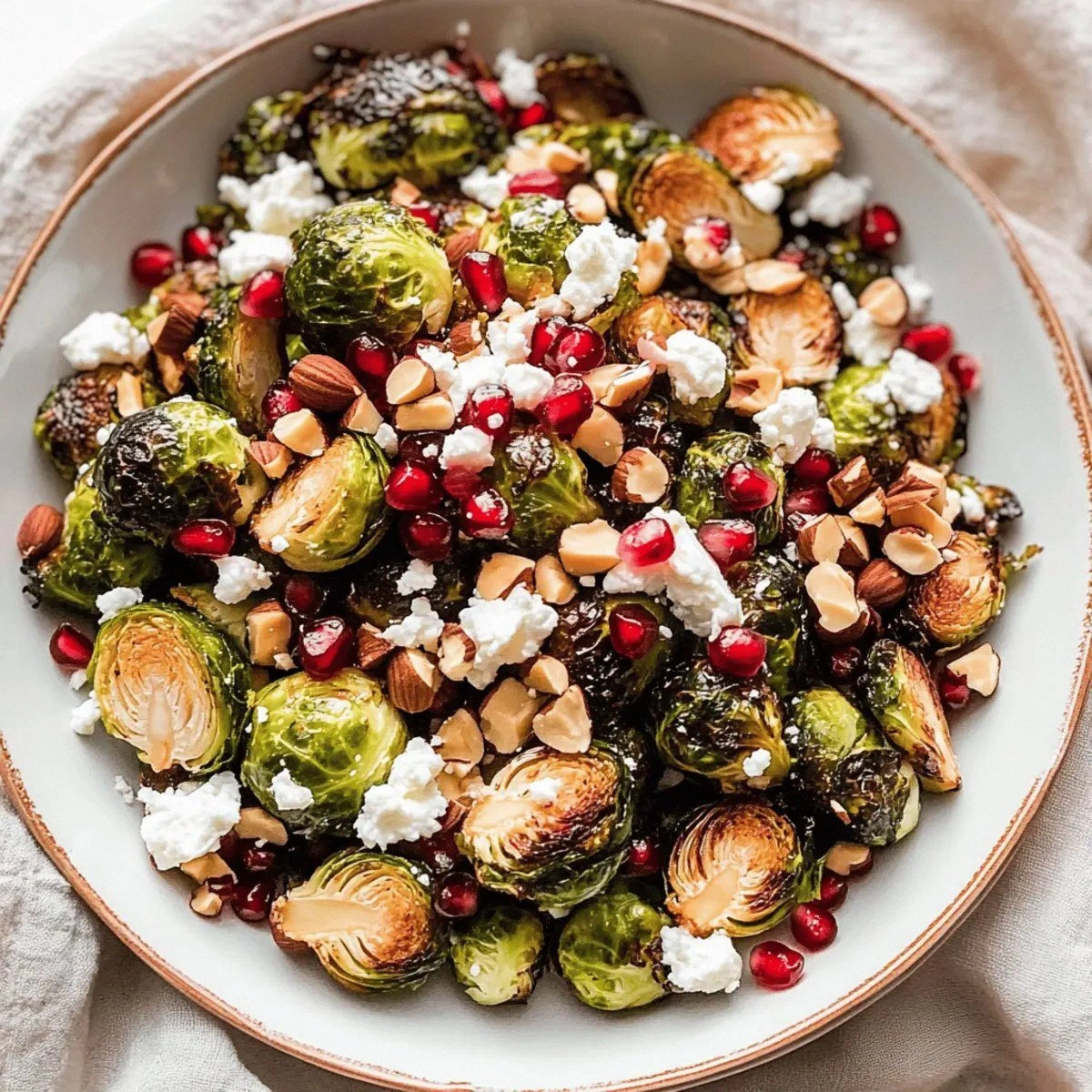
Fast forward a few minutes, and the kitchen was a symphony of aromas: the nutty perfume of toasted hazelnuts, the bright, almost floral zing of pomegranate seeds, and the salty, creamy notes of feta melting just enough to coat each sprout. The visual was just as dramatic—deep green leaves speckled with ruby bursts, glistening with a glossy glaze that caught the light like tiny mirrors. I took a bite, and the texture was a revelation—crisp, caramel‑kissed edges that shattered like thin ice, followed by a juicy, sweet‑tart pop from the pomegranate that made my taste buds do a little dance. The feta added a savory depth that balanced the sweetness, while the hazelnuts contributed a buttery crunch that lingered pleasantly on the palate.
Most Brussels sprout recipes either over‑cook the veg, leaving them mushy, or they drown them in heavy sauces that mask their natural flavor. This version, however, respects the sprout’s integrity and elevates it with a precise combination of techniques: high‑heat roasting for that coveted crisp, a quick glaze that locks in flavor without sogginess, and a finishing garnish that adds texture and visual wow‑factor. I’ll be honest — I ate half the batch before anyone else got a chance to try it, and that’s a testament to how addictive this dish truly is. If you’ve ever struggled with getting Brussels sprouts to be anything but bitter or limp, you’re not alone — and I’ve got the fix.
The secret weapon in this recipe is the pomegranate‑balsamic‑maple glaze, a sweet‑savory concoction that coats the sprouts like velvet while adding a glossy sheen that makes the dish look restaurant‑ready. I dare you to taste this and not go back for seconds; the flavor profile is so balanced that you’ll find yourself reaching for the bowl again and again. Okay, ready for the game‑changer? Let me walk you through every single step — by the end, you’ll wonder how you ever made it any other way.
What Makes This Version Stand Out
- Texture: The high‑heat roast creates a crisp outer layer that shatters like thin ice, while the interior stays tender, delivering a satisfying contrast in every bite.
- Flavor Balance: A perfect marriage of sweet maple, tangy pomegranate, and earthy balsamic ensures each mouthful hits a harmonious chord.
- Visual Appeal: The ruby pomegranate seeds and golden hazelnuts turn an ordinary side into a show‑stopping centerpiece that dazzles the eyes.
- Simplicity: Only nine ingredients, all pantry‑friendly, and a straightforward technique that any home cook can master.
- Crowd Reaction: Guests often claim this is the best vegetable dish they’ve ever tasted, and it frequently disappears faster than you can say “extra serving.”
- Ingredient Quality: Using fresh, high‑quality pomegranate juice and premium feta makes the glaze sing and the cheese melt just right.
- Cooking Method: The combination of roasting and a quick pan glaze locks in moisture while delivering that coveted caramelized crunch.
- Make‑Ahead Potential: You can prep the glaze and toast the hazelnuts ahead of time, then finish the dish in under 15 minutes when guests arrive.
Inside the Ingredient List
The Flavor Base
Olive oil is the silent hero that carries heat and flavor into the heart of each sprout. Its fruit‑forward notes complement the earthiness of Brussels sprouts, while its high smoke point ensures a clean, golden crust without burning. If you’re looking for a dairy‑free alternative, grapeseed oil works just as well, though you’ll miss a touch of that Mediterranean richness. When selecting olive oil, choose extra‑virgin for the most robust flavor; a cheap, bland oil will leave the dish tasting flat.
The Texture Crew
Toasted hazelnuts bring a buttery crunch that contrasts beautifully with the tender sprouts. Hazelnuts have a natural sweetness that deepens when toasted, creating a nutty aroma that fills the kitchen like a warm bakery. If hazelnuts are out of season or you have a nut allergy, try toasted almonds or pumpkin seeds for a similar textural pop. Remember to toast them lightly—just until they turn golden and fragrant; over‑toasting can turn them bitter.
The Unexpected Star
Pomegranate seeds are the surprise element that adds a burst of juicy tartness, almost like tiny fireworks exploding on your tongue. Their bright color also makes the dish look festive, perfect for holiday tables or a casual brunch. If fresh pomegranates are unavailable, frozen arils work just as well, but be sure to thaw and dry them to avoid excess moisture. The seeds also pack antioxidants, giving you a health boost with every bite.
The Final Flourish
Feta cheese adds a salty, creamy finish that melts just enough to coat each sprout without overwhelming the other flavors. Its crumbly texture creates little pockets of savory goodness that balance the sweetness of the maple‑pomegranate glaze. If you prefer a milder cheese, try goat cheese or a crumbly ricotta; both will provide a similar creaminess with a subtler tang. When buying feta, look for blocks rather than pre‑crumbled; the block retains moisture and offers a richer flavor.
Everything's prepped? Good. Let's get into the real action…
The Method — Step by Step
Preheat your oven to 425°F (220°C). While it heats, trim the ends off the Brussels sprouts and halve them lengthwise; this exposes more surface area for crisping. Toss the halves in a bowl with 2 tablespoons of olive oil, ensuring each piece is lightly coated—think of it as giving them a tiny spa treatment before the roast. Sprinkle generously with salt and pepper; the seasoning should cling to the oil like a second skin. Spread the sprouts in a single layer on a rimmed baking sheet, cut side down, to maximize caramelization. That sizzle when it hits the pan? Absolute perfection.
Roast the sprouts for 20‑25 minutes, shaking the pan halfway through to promote even browning. You’ll notice the edges turning a deep amber, and a fragrant, nutty aroma will start to fill the kitchen. Keep an eye on the color—if they start to blacken, pull them out; over‑roasted sprouts become bitter, which ruins the delicate balance we’re aiming for. Once the outer leaves are crisp and the inner flesh is tender, remove from the oven and set aside while you build the glaze.
Watch Out: Do not overcrowd the pan; steam will prevent crisping and lead to soggy sprouts.While the sprouts roast, combine 1/2 cup of pomegranate juice, 2 tablespoons of balsamic vinegar, and 2 tablespoons of maple syrup in a small saucepan. Bring the mixture to a gentle boil over medium‑high heat, then reduce to a simmer. As it reduces, it will thicken into a glossy, ruby‑colored glaze that smells like a sweet‑tart perfume. Stir occasionally to prevent scorching, and watch for the point when it coats the back of a spoon—this is your cue that the glaze is ready.
Kitchen Hack: Add a pinch of sea salt to the glaze at the end; it brightens the sweetness and balances the acidity.Heat a large skillet over medium‑high heat and add a drizzle of olive oil—just enough to coat the bottom. When the oil shimmers, add the roasted Brussels sprouts, cut side down, and let them sear for 2‑3 minutes without moving them. This quick sear creates those coveted caramelized edges that crackle like fireworks when you bite into them. Flip the sprouts and drizzle the pomegranate glaze over the whole pan, tossing gently to coat each piece evenly. The glaze should sizzle and cling, creating a glossy sheen that looks almost lacquered.
Now it’s time for the finishing touches. Sprinkle 1 cup of crumbled feta over the hot sprouts; the residual heat will soften the cheese just enough to melt slightly, creating little pockets of salty creaminess. Toss in 1 cup of pomegranate seeds, letting them warm briefly—this releases a burst of juicy tartness that contrasts the sweet glaze. Finally, add the 1/2 cup of toasted hazelnuts, allowing their buttery crunch to integrate with the other textures. Give everything a gentle toss to distribute the toppings evenly.
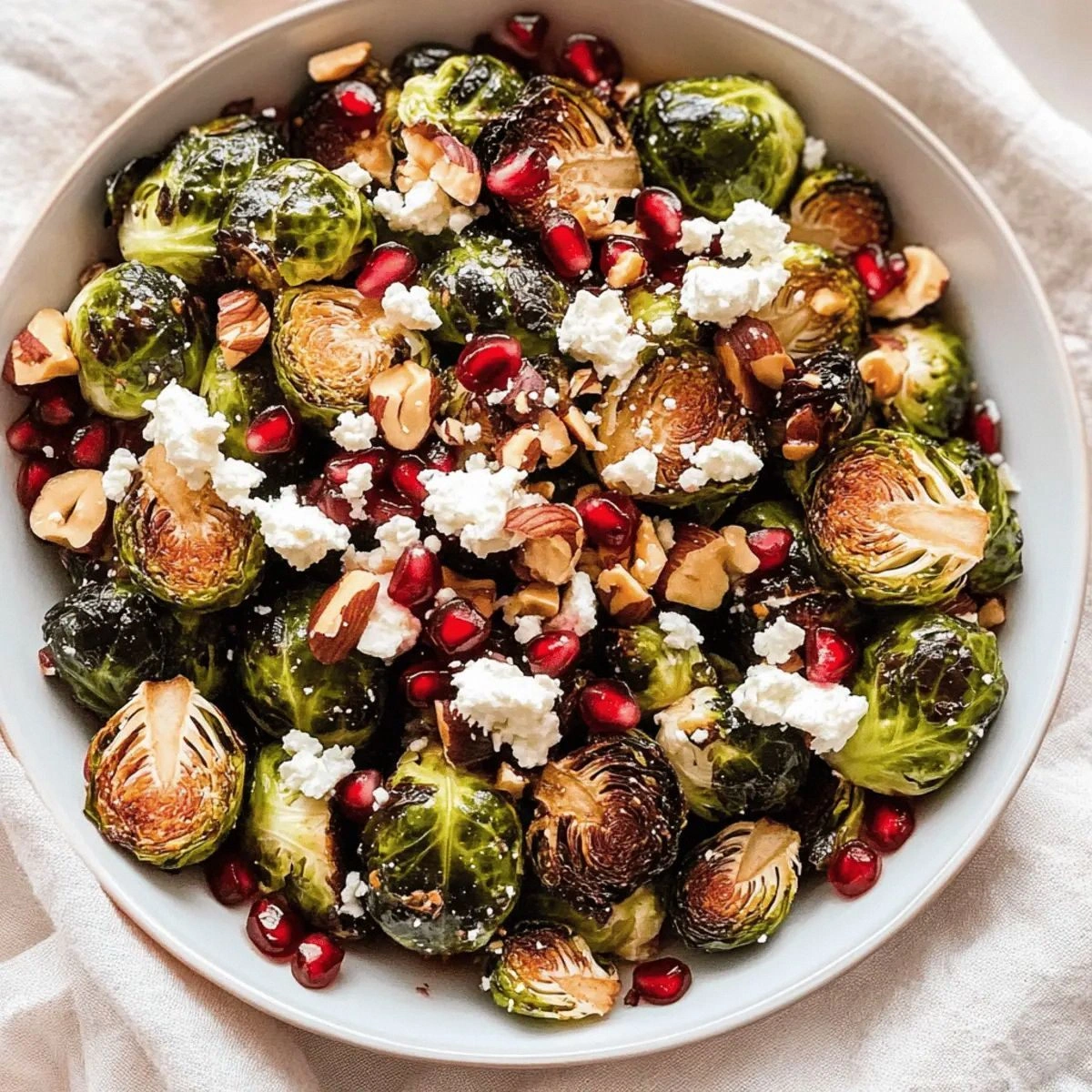
Transfer the finished sprouts to a serving platter. The colors should be vivid: deep green, ruby red, golden hazelnut specks, and creamy white flecks of feta. Take a moment to admire the visual—this dish is as much a feast for the eyes as it is for the palate. Serve immediately while the glaze is still glossy and the sprouts retain their crisp edge. I dare you to taste this and not go back for seconds.
Optional: For an extra layer of flavor, drizzle a thin stream of extra‑virgin olive oil over the top just before serving. This adds a silky mouthfeel and amplifies the aroma of the dish. If you love a bit of heat, sprinkle a pinch of smoked paprika or a dash of chili flakes; the subtle spice will complement the sweet‑tart glaze without overpowering it.
And now the fun part: gather your friends, family, or anyone who appreciates a good vegetable dish, and watch them devour this masterpiece. Most people will comment on the unexpected pop of pomegranate and the addictive crunch; you’ll be the hero of the evening, and the leftovers (if any) will be coveted for days. Remember, the key to repeat success is to keep the pan hot and the glaze ready—once you master this rhythm, you’ll be able to pull this dish out of the oven with confidence every single time.
That's it — you did it. But hold on, I've got a few more tricks that'll take this to another level...
Insider Tricks for Flawless Results
The Temperature Rule Nobody Follows
Most home cooks set their oven to a “safe” 375°F, but Brussels sprouts need the high heat of 425°F to develop that caramelized exterior. The extra temperature jump creates a Maillard reaction that turns sugars into crisp, golden-brown edges while keeping the interior tender. If you’re using a convection oven, you can drop the temperature by 25°F and still achieve the same effect because the fan circulates hot air more efficiently.
Why Your Nose Knows Best
Your sense of smell is a reliable indicator of doneness. When the sprouts start to release a nutty, caramel aroma, that’s the moment the outer leaves have reached the perfect crispness. If the scent turns slightly bitter, you’ve crossed the line into over‑caramelization, and the flavor will shift toward burnt. Trust that nose cue more than the timer; ovens vary, and your olfactory system is a built‑in kitchen timer.
The 5‑Minute Rest That Changes Everything
After you toss the sprouts with the glaze, let them sit for about five minutes before serving. This short rest allows the glaze to set, creating a thin, glossy coating that doesn’t slide off the plate. It also gives the feta a chance to soften just enough to meld with the other flavors, creating a cohesive bite rather than a disjointed mix. Skipping this step can result in a soggy presentation that looks less polished.
Hazelnut Toasting Secrets
Toasting hazelnuts on the stovetop gives you more control than the oven. Use a dry skillet over medium heat, shaking the pan frequently. As soon as they become fragrant and the skins start to crack, transfer them immediately to a bowl to stop the cooking process. This prevents over‑toasting, which can introduce bitterness that clashes with the sweet glaze. A quick tip: rub a kitchen towel over the warm nuts to remove any stubborn skins for a smoother texture.
Maple Syrup vs. Honey
While both sweeteners work, maple syrup brings a subtle woody undertone that pairs beautifully with balsamic and pomegranate. Honey, on the other hand, can be too floral and may dominate the glaze’s balance. If you must use honey, reduce the amount by a third and add a splash of apple cider vinegar to retain the bright acidity. A friend tried swapping honey once — let’s just say the dish ended up tasting like a breakfast glaze rather than a sophisticated side.
Creative Twists and Variations
This recipe is a playground. Here are some of my favorite ways to switch things up:
Spicy Sriracha Splash
Add a tablespoon of sriracha to the glaze for a heat‑infused version that still retains the sweet‑tart balance. The chili heat will contrast the cool feta and make the dish perfect for a fall gathering where guests love a little kick.
Citrus‑Infused Delight
Swap half of the pomegranate juice for freshly squeezed orange juice and add a zest of lemon to the glaze. The citrus brightens the flavor profile, making it an excellent side for grilled fish or chicken.
Nut‑Free Alternative
If nuts are a problem, replace hazelnuts with toasted pumpkin seeds or roasted chickpeas. Both provide a satisfying crunch and a subtle earthy flavor that complements the sprouts without altering the overall taste dramatically.
Vegan Version
Swap feta for a crumble of vegan feta or a generous sprinkle of nutritional yeast. The umami notes remain, and the dish stays fully plant‑based while still delivering that creamy bite.
Herb‑Boosted Finish
Finish the dish with a handful of freshly chopped mint or basil just before serving. The herb adds a fresh, aromatic lift that makes the dish feel lighter and perfect for springtime tables.
Storing and Bringing It Back to Life
Fridge Storage
Transfer any leftovers to an airtight container and store in the refrigerator for up to three days. The sprouts will retain most of their crunch, but the glaze may thicken. Before reheating, add a splash of pomegranate juice or a drizzle of olive oil to re‑lubricate the coating.
Freezer Friendly
If you anticipate a larger batch, spread the cooked sprouts on a parchment‑lined tray and freeze them uncovered for an hour, then transfer to a zip‑top bag. They’ll keep for up to two months. To reheat, place them directly on a hot skillet for five minutes; the quick sear will revive the crispness without sogginess.
Best Reheating Method
For the best texture, reheat in a pre‑heated oven at 375°F for about 10 minutes, or toss in a hot skillet with a tiny splash of water and cover for a minute to steam the interior while the exterior crisps again. This method restores the glaze’s shine and ensures the sprouts stay delightfully crunchy.