Picture this: it’s a rainy Saturday, the kind that makes you want to curl up with something that feels like a warm hug in edible form. I was halfway through a marathon of Netflix reruns when a sudden craving for sweet‑savory comfort hit me like a thunderclap. I raided the pantry, found a half‑empty bag of cornmeal, a jar of honey that had been patiently waiting for its moment, and a stick of butter that was practically melting in my hand. I thought, “What if I turned the classic cornbread into bite‑size cupcakes and slathered them with a honey‑butter frosting that’s as silky as a sunrise over a wheat field?” The result? Hands down the best version you’ll ever make at home.
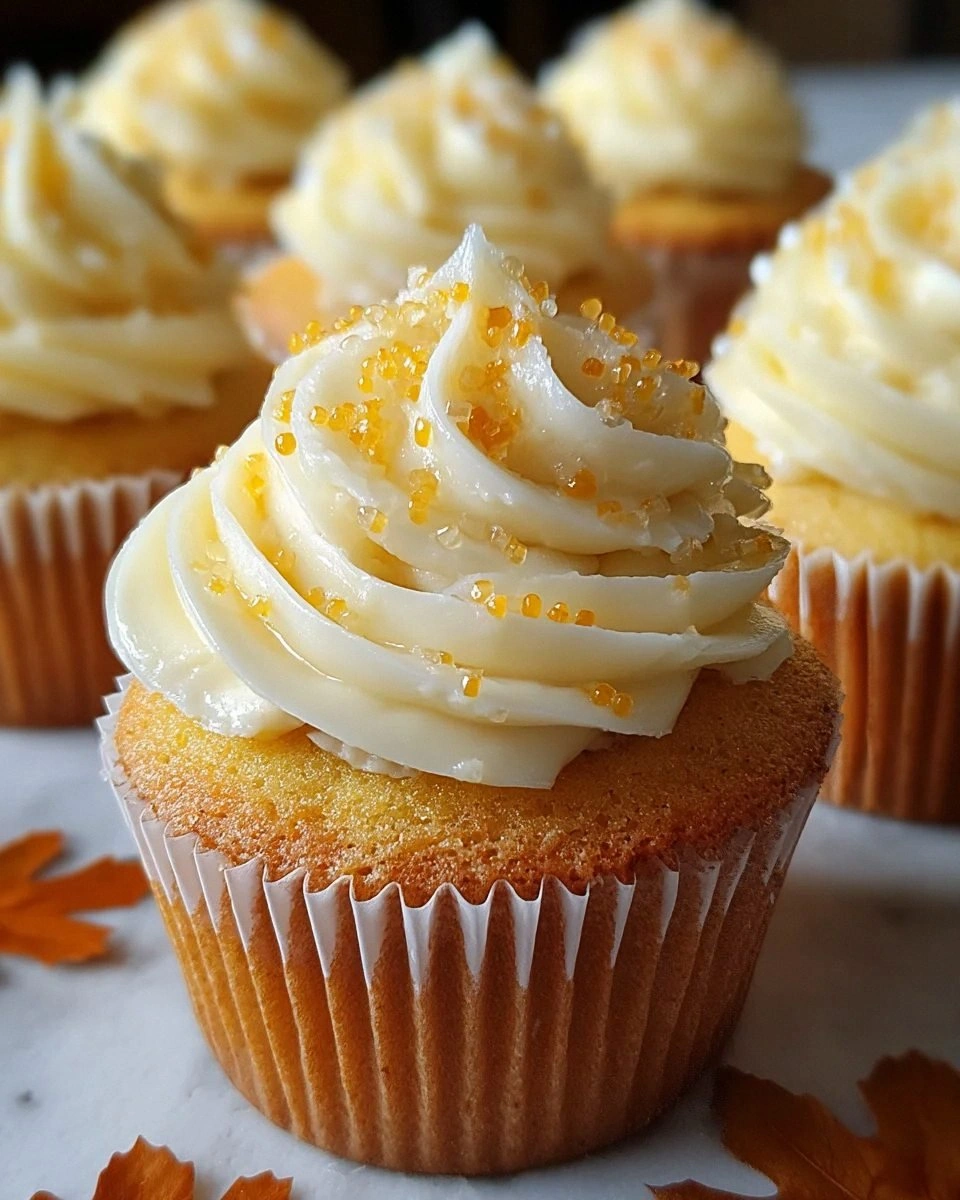
The kitchen turned into a symphony of smells the moment the butter hit the pan – that sizzle when it hits the pan? Absolute perfection. The sweet aroma of honey mingled with the earthy, buttery notes of cornmeal, while the buttermilk whispered a tangy promise that kept the batter from ever becoming dry. As the cupcakes rose, their golden tops peeked through the oven, promising a tender crumb that would crumble like fresh‑baked clouds when you bite into them. And when I finally swirled that honey‑butter frosting over each cupcake, it glistened like a dewy meadow at dawn – glossy, inviting, and impossible to resist.
I’ve tried a dozen cornbread recipes in my life, and most of them get this completely wrong. Either they’re too dense, too sweet, or they lack that buttery finish that makes you close your eyes and sigh. This version, however, balances the sweet and savory like a perfectly tuned duet, thanks to a secret ingredient that most people overlook: a splash of buttermilk in the batter and a pinch of vanilla in the frosting. The buttermilk adds a subtle tang that cuts through the honey’s sweetness, while the vanilla adds depth without stealing the spotlight. I dare you to taste this and not go back for seconds – it’s that good.
Let me walk you through every single step – by the end, you’ll wonder how you ever made it any other way. Okay, ready for the game‑changer? We’re about to turn a humble Southern staple into a show‑stopping dessert that will have everyone asking for the recipe. Stay with me here – this is worth it.
What Makes This Version Stand Out
- Taste: The honey‑butter frosting adds a luxurious sweetness that perfectly complements the cornmeal’s earthy flavor, creating a harmonious dance on the palate.
- Texture: A crisp, golden crust gives way to a moist, tender crumb inside – think of a pillow that’s just the right amount of firm.
- Simplicity: Fewer than ten pantry staples are needed, and the method is straightforward enough for a beginner yet refined enough for a seasoned baker.
- Uniqueness: By turning cornbread into cupcakes, you get the best of both worlds – the handheld convenience of a cupcake with the nostalgic flavor of cornbread.
- Crowd Reaction: These cupcakes disappear faster than you can say “second helping,” especially when the frosting glistens under the light.
- Ingredient Quality: Using real honey and fresh buttermilk elevates the flavor profile beyond the usual store‑bought shortcuts.
- Cooking Method: Baking in a standard muffin tin ensures even heat distribution, giving each cupcake a uniform rise and a perfectly domed top.
- Make‑Ahead Potential: The cupcakes keep beautifully for a couple of days, and the frosting can be stored separately, making it a perfect make‑ahead dessert for gatherings.
Alright, let's break down exactly what goes into this masterpiece...
Inside the Ingredient List
The Flavor Base
All-Purpose Flour: This is the foundation of your cupcakes, providing structure and texture. Without enough flour, the batter would spread thin and the cupcakes would collapse like a house of cards. If you’re gluten‑sensitive, you can swap it for a 1‑to‑1 gluten‑free blend, but expect a slightly denser crumb.
The Texture Crew
Yellow Cornmeal: It adds that classic cornbread flavor and a slight grit, making these cupcakes unique. The cornmeal’s granular nature creates tiny pockets of air that give the cupcakes a light, airy bite. If you want a finer texture, pulse the cornmeal in a food processor for a few seconds before measuring.
Granulated Sugar: A sweet addition that balances the savory notes of cornbread. Sugar also helps with browning, giving the tops that irresistible golden hue. For a deeper caramel note, you could swap half of it for brown sugar, but be prepared for a slightly darker crust.
The Unexpected Star
Buttermilk: Using buttermilk brings a tangy richness, making the cupcakes moist and delicious. The acidity reacts with the baking powder, creating a lift that feels like a gentle puff of air inside each bite. If you don’t have buttermilk on hand, whisk 1 cup of milk with 1 tablespoon of lemon juice and let it sit for 5 minutes.
Honey: A natural sweetener that adds depth; you’ll use some in the batter and more in the frosting. Honey’s floral undertones complement the cornmeal, while its hygroscopic nature keeps the cupcakes from drying out. Choose a light, mild honey for a subtle flavor, or a robust buckwheat honey if you want a bolder profile.
The Final Flourish
Unsalted Butter: You’ll melt some for the batter and keep some softened for the frosting. A buttery flavor is key! Melted butter adds richness to the batter, while softened butter creates a fluffy frosting that holds its shape. If you’re dairy‑free, coconut oil works as a substitute, but it will add a faint coconut note.
Large Eggs: They add moisture and help bind the ingredients together for a tender cake. Eggs also contribute to the rise, thanks to the air you incorporate when beating them. For a vegan version, replace each egg with ¼ cup of unsweetened applesauce.
Powdered Sugar: Essential for that creamy, dreamy frosting, it makes it smooth and sweet. Powdered sugar dissolves quickly, preventing any gritty texture in the frosting. If you prefer a less sweet frosting, reduce the amount by a quarter and add a pinch of salt.
Vanilla Extract: Just a splash of vanilla adds warmth and an aromatic undertone to the frosting. It balances the honey’s floral notes and rounds out the overall flavor. Real vanilla bean seeds can be used for an even richer taste.
Milk: You’ll need a bit of milk for the frosting to achieve that perfect consistency. Adjust as needed! Too much milk will make the frosting runny, while too little will keep it stiff. Start with a tablespoon and add more drop by drop until you reach a spreadable consistency.
Everything's prepped? Good. Let's get into the real action...
The Method — Step by Step
-
Preheat your oven to 375°F (190°C) and line a 12‑cup muffin pan with paper liners. While the oven warms, give those liners a quick spritz of non‑stick spray – this tiny step prevents the cupcakes from sticking and ensures a clean release. The moment the heat hits the batter, the edges will start pulling away, a sign that they’re forming that coveted golden crust.
Kitchen Hack: If you don’t have paper liners, lightly butter the muffin cups and dust with a mixture of flour and cornmeal for extra crunch. -
In a large bowl, whisk together the all‑purpose flour, yellow cornmeal, granulated sugar, baking powder, and salt. This dry blend is your canvas; whisking it thoroughly ensures the leavening agent is evenly distributed, preventing any dreaded flat spots in the final cupcakes.
-
In a separate saucepan, melt ½ cup of unsalted butter over low heat. Once melted, remove from heat and stir in ¼ cup honey until the mixture is glossy and homogenous. The honey will dissolve completely, creating a fragrant butter‑honey emulsion that will coat every crumb with subtle sweetness.
-
Beat the two large eggs in a medium bowl until they’re light and frothy, about 30 seconds. Then, whisk in the buttermilk, the melted butter‑honey mixture, and the remaining ¼ cup of butter (softened, not melted) for extra richness. This wet mixture should look slightly thick but still pourable – if it looks too thick, add a splash of milk.
Watch Out: Over‑mixing the wet and dry ingredients can develop gluten, resulting in a tougher cupcake. Mix just until you see no dry spots. -
Make a well in the center of the dry ingredients and pour the wet mixture in. Gently fold with a rubber spatula, turning the batter over on itself until everything is just combined. The batter should be slightly lumpy – those lumps are a sign you haven’t over‑mixed.
-
Spoon the batter into the prepared muffin cups, filling each about three‑quarters full. This amount allows the cupcakes to rise without spilling over, creating a domed top that’s perfect for frosting.
-
Slide the pan into the preheated oven and bake for 18‑22 minutes, or until a toothpick inserted into the center comes out clean and the tops are a deep golden‑brown. As they bake, you’ll notice a sweet, buttery aroma filling the kitchen – that’s the moment of truth.
-
While the cupcakes are cooling, whip together the frosting. In a large bowl, beat the remaining ¼ cup softened butter until fluffy, about 2 minutes. Slowly add 1 cup powdered sugar, 2 tablespoons honey, 1 teaspoon vanilla extract, and 2 tablespoons milk. Continue beating until the frosting is light, airy, and holds soft peaks.
Kitchen Hack: Add a pinch of sea salt to the frosting to intensify the honey’s flavor and balance the sweetness. -
Once the cupcakes have cooled to room temperature (they should feel just barely warm to the touch), pipe or dollop a generous swirl of honey‑butter frosting onto each one. The frosting should melt slightly into the warm crumb, creating a glossy finish that looks as good as it tastes.
That's it — you did it. But hold on, I've got a few more tricks that'll take this to another level. Stay tuned for insider tips that will make your cupcakes the talk of the town.
Insider Tricks for Flawless Results
The Temperature Rule Nobody Follows
Never bake cupcakes straight from the fridge. Let the batter sit at room temperature for 10 minutes before pouring it into the tins. This small pause lets the leavening agents activate fully, resulting in a higher rise and a softer crumb. I once tried to rush the process, and the cupcakes turned out flat as pancakes – a hard lesson learned.
Why Your Nose Knows Best
Trust the aroma. When the cupcakes are about 12 minutes into baking, open the oven door briefly (just a quick peek) and inhale. If you catch a nutty, buttery scent, you’re on the right track. If the smell is still raw batter, give them a couple more minutes. Your nose is a more reliable timer than any digital clock.
The 5‑Minute Rest That Changes Everything
After removing the cupcakes from the oven, let them rest in the pan for exactly five minutes before transferring them to a wire rack. This short rest allows steam to finish the cooking process gently, preventing a soggy bottom. Skipping this step leads to a gummy texture that no amount of frosting can fix.
Butter Temperature Tango
For the frosting, use butter that’s softened but still cool to the touch. If it’s too warm, the frosting will become runny; if it’s too cold, it won’t whip properly. The sweet spot is about 65°F (18°C). I keep a small bowl of warm water nearby to gently warm the butter if needed.
Frosting Consistency Control
If your frosting ends up too stiff, add a splash of milk, one teaspoon at a time, until it reaches a spreadable consistency. Conversely, if it’s too runny, whisk in a bit more powdered sugar. The key is to adjust gradually – a little goes a long way.
Creative Twists and Variations
This recipe is a playground. Here are some of my favorite ways to switch things up:
Spicy Jalapeño Honey
Add a finely chopped jalapeño to the batter and drizzle a jalapeño‑infused honey over the frosting. The heat pairs beautifully with the sweet butter, creating a bold flavor contrast that’s perfect for brunch gatherings.
Chocolate Chip Surprise
Fold in a half‑cup of mini chocolate chips just before baking. The chips melt slightly, leaving pockets of gooey chocolate that surprise the palate with every bite.
Maple‑Brown Sugar Version
Swap the honey in the batter for pure maple syrup and replace the granulated sugar with brown sugar. This gives the cupcakes a deeper, caramel‑like flavor that’s perfect for autumn evenings.
Citrus Zest Lift
Stir in one tablespoon of orange zest into the batter and add a few drops of orange extract to the frosting. The citrus brightens the earthy cornmeal, making the cupcakes feel lighter and more refreshing.
Gluten‑Free Swap
Replace the all‑purpose flour with a 1‑to‑1 gluten‑free flour blend and use a gluten‑free cornmeal. The texture stays delightfully crumbly, and the flavor remains true to the original.
Vegan Make‑Over
Swap butter for coconut oil, use flax‑egg replacer (1 tablespoon ground flaxseed + 3 tablespoons water per egg), and replace honey with agave nectar. The result is a vegan-friendly cupcake that still boasts that buttery richness.
Storing and Bringing It Back to Life
Fridge Storage
Place the cooled cupcakes in an airtight container and store them in the refrigerator for up to three days. Keep the frosting separate in a small covered bowl; this prevents the cupcakes from becoming soggy.
Freezer Friendly
Wrap each cupcake tightly in plastic wrap, then place them in a freezer‑safe zip‑lock bag. They’ll freeze beautifully for up to two months. When you’re ready to enjoy, let them thaw overnight in the fridge, then bring to room temperature before frosting.
Best Reheating Method
To revive a day‑old cupcake, pop it in a preheated 300°F (150°C) oven for 5‑7 minutes. Add a tiny splash of water (about a teaspoon) on the top before reheating; the steam will restore that fresh‑baked moisture and keep the crumb from drying out.