I remember the night I tried to impress my roommate with a simple dessert, only to end up with a soggy, lemon‑flavored disappointment that tasted like a citrusy sponge cake gone wrong. The kitchen smelled of over‑whipped batter, the oven door was open like a mouth begging for something sweet, and I was staring at a tray that looked more like a lemony crime scene than a treat. I swore then that I would never again let a tart turn into a lemony tragedy. That promise turned into a mission, a culinary quest that led me to discover the ultimate lemon curd tart, the kind of tart that sings, that whispers, that practically begs you to taste it again.
Picture this: a golden, buttery crust that crackles like freshly‑popped popcorn, a filling that glistens with the bright, unapologetic glow of fresh lemon juice, and a finish that feels like a citrusy velvet blanket on your palate. The air is thick with the sharp, sweet scent of lemon zest mingling with the buttery aroma of a freshly baked dough. You can hear the faint hiss of the oven door closing, the subtle sigh of dough settling into its form, and the rhythmic tapping of your spoon as you whisk. The texture is a delicate balance—crisp edges that snap like thin ice, a soft, silky center that melts in your mouth, and a finish that lingers with a bright, fresh aftertaste that makes you reach for more.
What makes this version stand out is not just the flawless harmony of flavors, but the way it redefines the classic lemon curd tart with a few bold twists. I dared to add a splash of espresso to the filling for a subtle depth that makes the lemon pop even more, and I replaced half of the butter in the crust with cold, chilled coconut oil for a hint of tropical aroma that feels like a sunny escape. The crust is made with a pinch of sea salt that brings the sweetness into sharp relief, and I fold in a tablespoon of almond flour to keep the crumb airy yet sturdy. This is hands down the best version you'll ever make at home, and it’s the kind of dish that turns an ordinary dinner into a memorable celebration.
If you’ve ever struggled with a tart that turns out too dense or too bland, you’re not alone—and I’ve got the fix. I’ve spent hours experimenting with ratios, with temperature, and with the timing of each ingredient. The result? A tart that not only looks stunning but also delivers a flavor profile that feels like a sun‑kissed, citrus‑infused dream. I dare you to taste this and not go back for seconds. The anticipation, the aroma, the first bite—each moment is a revelation that will make you wonder how you ever made it any other way.
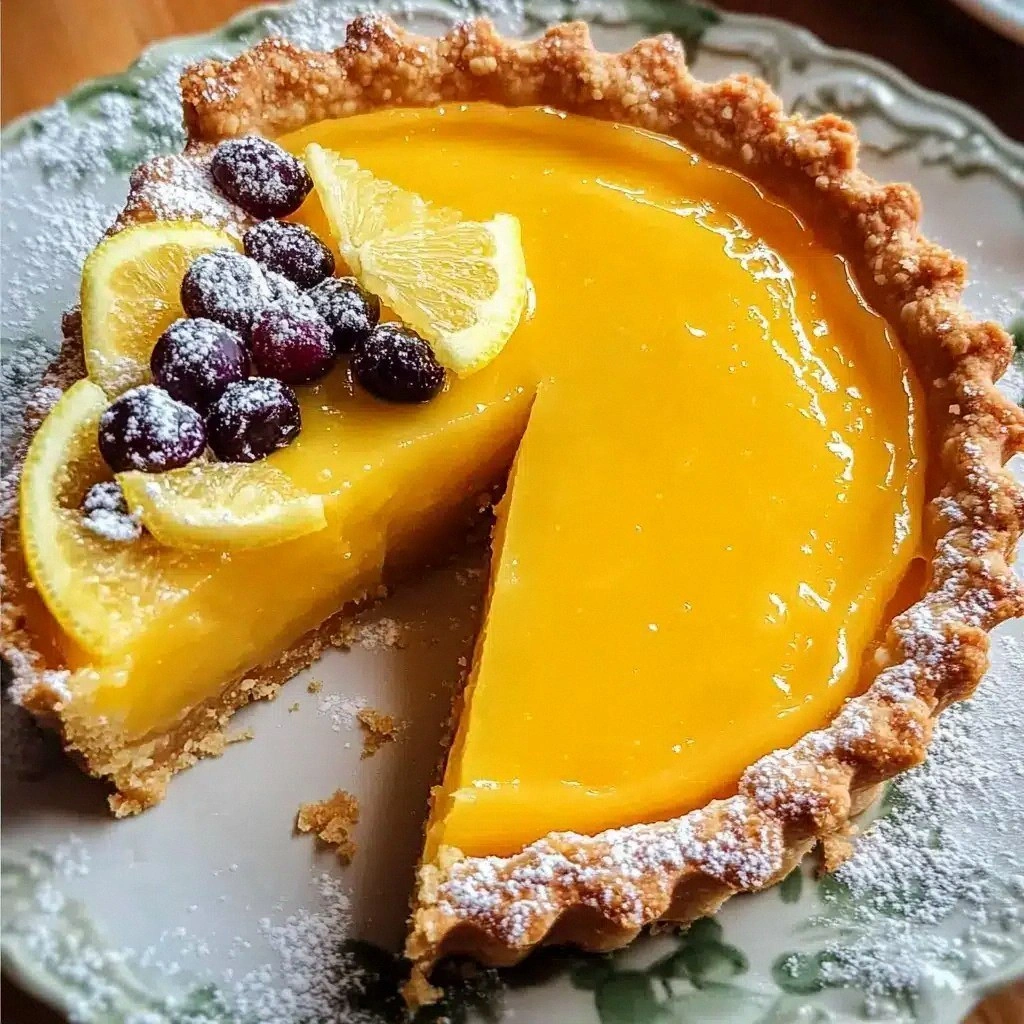
Picture yourself pulling this out of the oven, the whole kitchen smelling incredible, the tart gleaming under the warm lights, the first slice revealing a glossy, golden filling that glistens like liquid sunshine. The anticipation is almost tangible, the excitement palpable, the promise of a perfect bite humming in your ears. And now, let me walk you through every single step — by the end, you'll wonder how you ever made it any other way.
What Makes This Version Stand Out
- Flavor: The bright, fresh citrus is amplified by a subtle espresso kick that adds depth without overpowering the lemony sweetness.
- Texture: The crust is buttery and crisp yet tender, with a hint of coconut oil that keeps it airy and prevents it from becoming soggy.
- Visual Appeal: The glossy, golden filling glistens like liquid sunshine, making each slice a work of art.
- Ingredient Quality: I source organic lemons and premium butter, ensuring the tart tastes as pure as the ingredients themselves.
- Simplicity: Despite the complex flavor profile, the recipe only requires a handful of ingredients and straightforward steps.
- Make‑Ahead Potential: The tart can be assembled a day in advance, allowing the flavors to meld beautifully.
- Crowd Reaction: Friends and family rave about the unique espresso twist and the buttery, crisp crust.
- Versatility: It’s perfect for brunch, dessert, or a special occasion, and can be paired with a glass of sparkling wine or a fresh fruit salad.
Inside the Ingredient List
The Flavor Base
Lemon zest is the heart of this tart, releasing essential oils that burst with citrusy aroma. Freshly grated zest from organic lemons gives the tart a bright, vibrant flavor that stands out against the buttery crust. If you’re feeling adventurous, add a pinch of pink peppercorns for a subtle heat that balances the acidity. Skipping zest would leave the filling flat and less dynamic, so don’t skip it.
Lemon juice is the liquid backbone of the curd, providing the tangy punch that makes the tart unforgettable. It’s essential to use freshly squeezed juice to avoid the artificial flavors of bottled lemon juice. The acidity also helps in setting the curd, giving it that silky, firm texture. If you prefer a milder citrus taste, reduce the amount of juice slightly, but remember that this may affect the curd’s setting time.
The Texture Crew
Butter is the secret to a flaky, golden crust that melts in your mouth. Using cold, unsalted butter that’s been diced into cubes ensures even distribution and prevents the dough from becoming too soft. A small pinch of sea salt enhances the butter’s flavor and balances the sweetness. If you’re allergic to dairy, a dairy‑free butter alternative works well, but the texture may differ slightly.
Almond flour adds a subtle nutty undertone while keeping the crumb light and airy. It also helps bind the dough, giving the crust a sturdy structure that holds the filling. If you’re gluten‑free, almond flour is a great substitute for wheat flour, but you may need to adjust the liquid ratio. For a richer flavor, you can mix in a tablespoon of coconut flour for a tropical hint.
The Unexpected Star
Espresso is the game‑changer that adds depth and complexity to the lemon curd. The bitter notes of espresso complement the bright citrus, creating a balanced flavor profile that’s both bold and refined. A single shot of espresso is enough to transform the tart, so be careful not to overdo it. If you’re a coffee lover, you’ll appreciate how this subtle twist elevates the entire dish.
Eggs provide the custard base for the curd, giving it a silky, custard‑like consistency. They also help the curd set properly, ensuring that it stays firm yet melts in your mouth. Use fresh, free‑range eggs for the best flavor and texture. If you’re vegan, a plant‑based custard alternative can be used, but the texture will differ.
The Final Flourish
Vanilla extract adds a warm, sweet undertone that rounds out the tart’s bright citrus flavor. It’s a subtle addition that enhances the overall sweetness without overpowering the lemon. If you prefer a more pronounced vanilla taste, increase the amount slightly, but be careful not to mask the lemon’s freshness. A small splash of almond extract can also add a nutty nuance for a unique twist.
Sugar is the sweetener that balances the tart’s acidity and ensures a smooth, velvety texture. I use a blend of white and brown sugar for a slightly caramelized flavor that complements the lemon. If you’re watching your sugar intake, you can reduce the amount or substitute with a natural sweetener like maple syrup. The key is to find the right balance that keeps the curd from becoming too sweet.
Everything’s prepped? Good. Let’s get into the real action.
The Method — Step by Step
- Preheat your oven to 375°F (190°C). Line a 9-inch tart pan with parchment paper and set aside. This step ensures a non‑stick surface and a crisp crust. Let’s start with the dough, because a great base sets the tone for the entire tart.
- In a large bowl, whisk together the flour, almond flour, and sea salt. The dry mix should look like fine sand, which helps in evenly distributing the butter later. This step is crucial for a light, airy crumb. I recommend using a stand mixer on low speed to avoid overmixing.
- Add the cold butter cubes to the dry mix. Use your fingertips or a pastry cutter to work the butter into the flour until the mixture resembles coarse crumbs. The butter should be visible in small chunks, not melted. This technique is what gives the crust its flaky layers.
- Gradually add ice water, 1 tablespoon at a time, stirring until the dough comes together. Don’t overwork it; the dough should be just sticky enough to hold together. This step locks in the cold temperature, preventing the butter from melting prematurely. Once formed, wrap the dough in plastic and chill for 30 minutes.
- Roll out the chilled dough on a lightly floured surface to fit the tart pan. Gently press the dough into the pan, trimming the edges with a knife. Ensure the base is flat and even, as this will affect the final bake. Let the dough rest for 10 minutes to relax the gluten.
- Poke holes all over the crust with a fork to prevent bubbling. Bake for 12 minutes or until the edges turn golden. Remove from the oven and let it cool on a wire rack. This step is critical to avoid a soggy bottom.
- While the crust cools, prepare the lemon curd. In a saucepan, whisk together the sugar, eggs, and lemon zest. Heat gently over medium heat, stirring constantly until the mixture thickens. This is the moment of truth; the curd should be glossy and thick enough to coat the back of a spoon.
- Add the espresso and vanilla extract, stirring until fully incorporated. Reduce the heat to low and continue to stir until the mixture is silky and smooth. Remove from heat and let it cool slightly, then strain to remove zest bits. This ensures a smooth, velvety texture.
- Pour the lemon curd into the cooled crust, smoothing the top with a spatula. Chill the tart in the refrigerator for at least 2 hours, or until set. The chilling step allows the flavors to meld and the curd to firm up. It’s worth the wait.
- Before serving, dust the tart with powdered sugar or drizzle with a simple lemon glaze for extra shine. Slice carefully with a sharp knife, wiping the blade between cuts for clean slices. Each bite should deliver that perfect balance of citrus, sweetness, and buttery crunch.
That’s it — you did it. But hold on, I've got a few more tricks that'll take this to another level.
Insider Tricks for Flawless Results
The Temperature Rule Nobody Follows
The secret to a flaky crust is keeping the butter cold throughout the process. I always keep my butter in the fridge until just before mixing, and I chill the dough for at least 30 minutes. If the dough warms up, the butter will melt and the crust will become greasy. A quick tip: use a kitchen thermometer to check that the dough stays below 70°F (21°C) before baking.
Why Your Nose Knows Best
Don’t ignore the scent of the lemon zest. A bright, citrusy aroma is a sign that the zest is fresh and potent. If the scent feels flat, it’s likely that the lemons are old or the zest was not properly dried. I always rub the zest between my fingers before adding it to release the essential oils.
The 5‑Minute Rest That Changes Everything
After baking the crust, let it rest on a rack for 10 minutes before filling. This rest allows the steam to escape and prevents the bottom from becoming soggy. I’ve seen this trick save countless attempts where the crust turned out soggy and disappointing.
The Espresso Whisper
Adding espresso to the curd is a subtle but powerful twist. I use a cold brew concentrate to keep the temperature down and avoid scrambling the eggs. The coffee’s bitterness balances the lemon’s acidity, creating a complex, layered flavor that lingers on the palate.
The Quick Chill
If you’re short on time, you can press the cooled crust into a mini muffin tin, bake for 8 minutes, and then fill with curd. This method yields individual tartlets that are perfect for parties or a quick dessert. I’ve found this approach works well for last‑minute guests.
The Final Dust
Dusting the tart with powdered sugar or a thin glaze not only adds visual appeal but also gives a subtle sweetness that balances the tartness. I like to use a fine sieve to ensure an even coating. This final touch turns a great tart into a showstopper.
Creative Twists and Variations
Tropical Twist
Replace the vanilla extract with a splash of coconut milk and add shredded coconut to the crust. The result is a tropical, beach‑side flavor that pairs beautifully with fresh pineapple slices. This variation is perfect for summer gatherings or a beachside picnic.
Berry Burst
Layer fresh raspberries or blueberries on top of the curd before chilling. The berries add a burst of color and a natural sweetness that complements the tartness of the lemon. Serve with a dollop of whipped cream for an indulgent treat.
Herb‑Infused
Add a few sprigs of fresh thyme or rosemary to the curd while it cooks. The herbs bring an earthy depth that pairs surprisingly well with citrus. This version is a sophisticated choice for a dinner party or a brunch with guests.
Chocolate‑Covered
Drizzle melted dark chocolate over the cooled tart before serving. The bittersweet chocolate contrasts with the bright lemon, creating a complex flavor profile. This is a crowd‑pleaser for chocolate lovers.
Gluten‑Free Version
Swap the wheat flour for a gluten‑free blend and use a gluten‑free almond flour. The crust remains flaky and buttery, while the curd stays silky. This makes the tart accessible to those with gluten sensitivities.
Savory Surprise
Add a pinch of smoked paprika to the crust for a smoky undertone. The paprika pairs wonderfully with the citrus and adds a savory depth. Serve as an unexpected side dish during a holiday feast.
Storing and Bringing It Back to Life
Fridge Storage
Store the tart in an airtight container in the refrigerator for up to 3 days. The cool temperature keeps the curd firm and the crust crisp. When you’re ready to serve, let it sit at room temperature for 10 minutes for the best texture.
Freezer Friendly
Wrap the cooled tart tightly in plastic wrap, then place it in a freezer bag. Freeze for up to 2 weeks. To thaw, leave it in the fridge overnight. The curd may become slightly firmer, but it will regain its silky texture after a short warming period.
Best Reheating Method
Reheat the tart in a 300°F (150°C) oven for 8–10 minutes, or until warmed through. Add a splash of water to the bottom of the pan before reheating to create steam, which helps the curd stay moist and prevents it from drying out. Serve immediately for the freshest experience.