
Japanese Udon Noodles
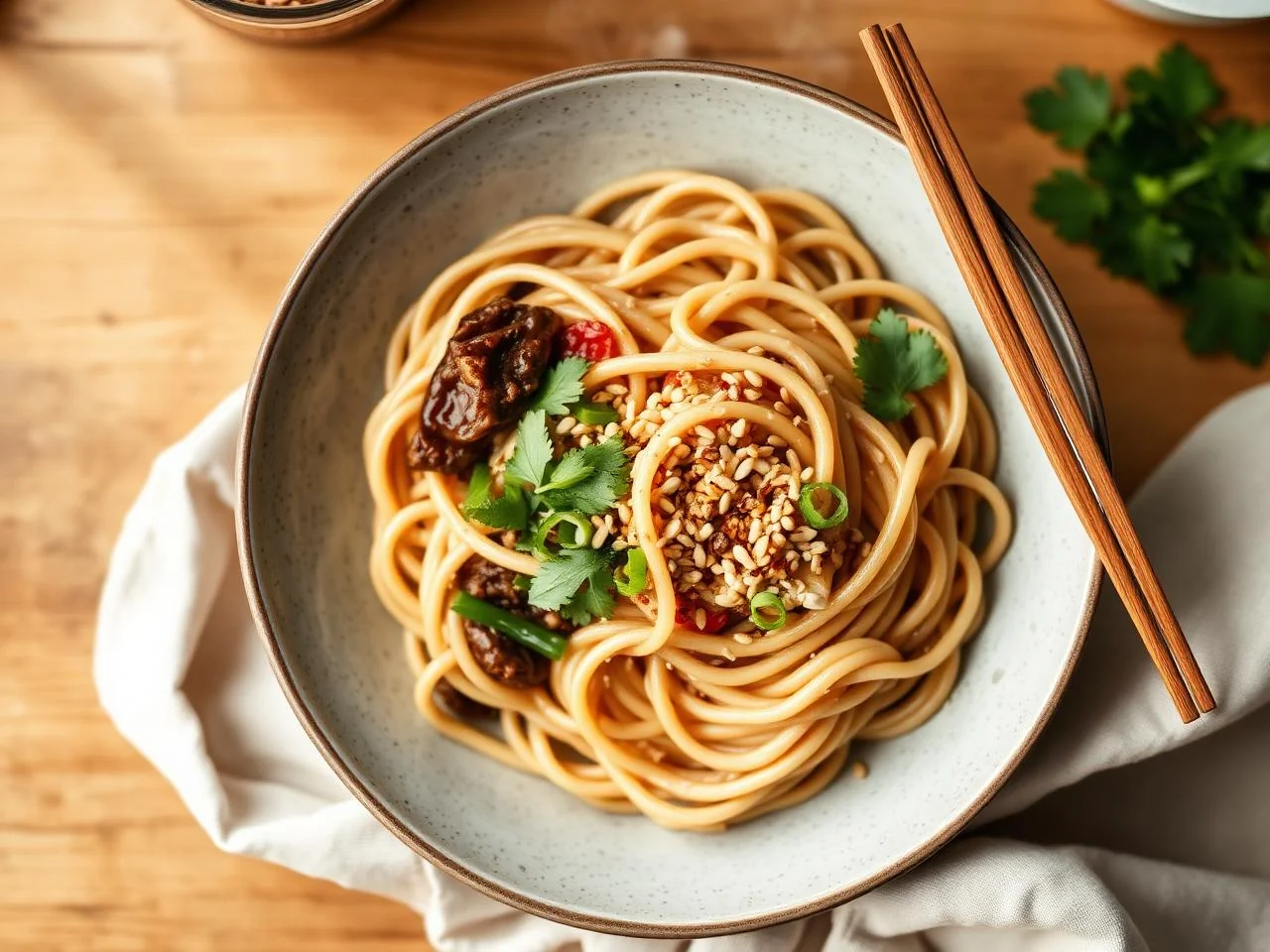
I still remember my first bowl of Japanese Udon Noodles, served steaming hot on a chilly winter evening. The rich, savory broth and tender noodles instantly won me over, and I was hooked. Since then, I've been on a mission to perfect my own Udon Noodles recipe, and I'm excited to share it with you today.
Udon Noodles are a staple of Japanese cuisine, made from wheat flour and often served in a hot broth or with dipping sauce. They're thicker and chewier than soba or ramen noodles, with a delightful texture that's both comforting and satisfying.
In this recipe, we'll explore the art of making authentic Japanese Udon Noodles from scratch, using a combination of traditional techniques and accessible ingredients. Whether you're a seasoned cook or a beginner in the kitchen, I'll guide you through each step with ease and confidence.
So, let's dive into the world of Japanese Udon Noodles and discover the secrets to making this beloved dish at home. With its rich flavors, hearty portions, and comforting warmth, it's the perfect recipe to cozy up with on a chilly evening or share with friends and family on a special occasion.
As we cook, I'll share tips and tricks for customizing your Udon Noodles to suit your taste preferences, from adding your favorite toppings to experimenting with different broths and seasonings. By the end of this recipe, you'll be a Udon Noodles expert, ready to create your own delicious variations and share them with the people you love.
Why You’ll Love This Recipe
- Easy to make and customize to your taste preferences
- Hearty and comforting, perfect for a chilly evening or special occasion
- Rich in flavor and texture, with a delightful balance of savory and sweet notes
- Can be made ahead and reheated for a quick and convenient meal
- Versatile and adaptable, with endless possibilities for toppings and seasonings
- Authentic and traditional, yet accessible and easy to make at home
Why This Recipe Works
The key to making great Japanese Udon Noodles lies in the balance of flavors and textures. We'll start by creating a rich dashi broth, made with kombu seaweed and katsuobushi (dried bonito flakes), which provides a deep, savory foundation for our noodles.
Next, we'll cook our Udon Noodles to perfection, using a combination of boiling and soaking to achieve the ideal texture. This step is crucial, as overcooking can lead to mushy noodles, while undercooking can result in a unpleasant chewiness.
Finally, we'll assemble our Udon Noodles, adding a variety of toppings and seasonings to enhance the flavor and visual appeal. From sliced scallions and grated ginger to savory tempura bits and boiled eggs, the possibilities are endless, and I'll provide you with plenty of ideas to get you started.
Ingredients You’ll Need
To make authentic Japanese Udon Noodles, you'll need a few key ingredients, including kombu seaweed, katsuobushi (dried bonito flakes), and wheat flour. Don't worry if you're not familiar with these ingredients – they're easy to find at most Asian markets or online, and I'll provide you with plenty of tips and substitutions to help you get started.
In addition to these core ingredients, we'll also be using a variety of seasonings and toppings to enhance the flavor and visual appeal of our Udon Noodles. From soy sauce and sake to sliced scallions and grated ginger, each ingredient plays a vital role in creating the perfect balance of flavors and textures.
- 2 cups (250g) wheat flourWheat flour is the main ingredient in Udon Noodles, providing structure and texture. Look for a high-protein flour, such as bread flour or all-purpose flour with a high protein content, to help your noodles hold their shape.
- 2 cups (475ml) waterWater is essential for hydrating the flour and creating a smooth, pliable dough. Use cold water to help the dough come together and reduce the risk of over-mixing.
- 1/4 cup (60g) kombu seaweedKombu seaweed is a key ingredient in dashi broth, providing a rich, savory flavor and a boost of umami. Look for dried kombu seaweed at an Asian market or online, and be sure to rinse it thoroughly before using.
- 1/4 cup (30g) katsuobushi (dried bonito flakes)Katsuobushi is another essential ingredient in dashi broth, adding a deep, smoky flavor and a burst of umami. Look for high-quality katsuobushi at an Asian market or online, and be sure to store it in an airtight container to preserve the flavor.
- 2 tablespoons (30g) soy sauceSoy sauce is a staple seasoning in Japanese cuisine, adding a salty, savory flavor to our Udon Noodles. Look for a high-quality soy sauce with a rich, complex flavor profile, and be sure to use it sparingly to avoid over-salting.
- 2 tablespoons (30g) sakeSake is a type of Japanese rice wine that adds a subtle, slightly sweet flavor to our Udon Noodles. Look for a high-quality sake at an Asian market or online, and be sure to use it in moderation to avoid overpowering the other flavors.
- 1 tablespoon (15g) mirinMirin is a sweet Japanese cooking wine that adds a rich, syrupy flavor to our Udon Noodles. Look for a high-quality mirin at an Asian market or online, and be sure to use it sparingly to avoid over-sweetening.
- 1 teaspoon (5g) sugarSugar is used to balance the savory flavors in our Udon Noodles, adding a touch of sweetness and depth. Look for a high-quality sugar, such as granulated sugar or brown sugar, and be sure to use it sparingly to avoid overpowering the other flavors.
- 1/2 teaspoon (2g) saltSalt is essential for enhancing the flavors in our Udon Noodles, adding a touch of savory depth and complexity. Look for a high-quality salt, such as sea salt or kosher salt, and be sure to use it sparingly to avoid over-salting.
- 2 tablespoons (30g) tempura bitsTempura bits are a delicious topping for our Udon Noodles, adding a crispy, savory texture and a burst of flavor. Look for high-quality tempura bits at an Asian market or online, and be sure to use them in moderation to avoid overpowering the other flavors.
- 1/4 cup (30g) sliced scallionsSliced scallions are a classic topping for Udon Noodles, adding a fresh, oniony flavor and a pop of color. Look for fresh scallions at a local market or grocery store, and be sure to slice them thinly to avoid overpowering the other flavors.
- 1/4 cup (30g) grated gingerGrated ginger is a common seasoning in Japanese cuisine, adding a spicy, warming flavor to our Udon Noodles. Look for fresh ginger at a local market or grocery store, and be sure to grate it finely to avoid overpowering the other flavors.
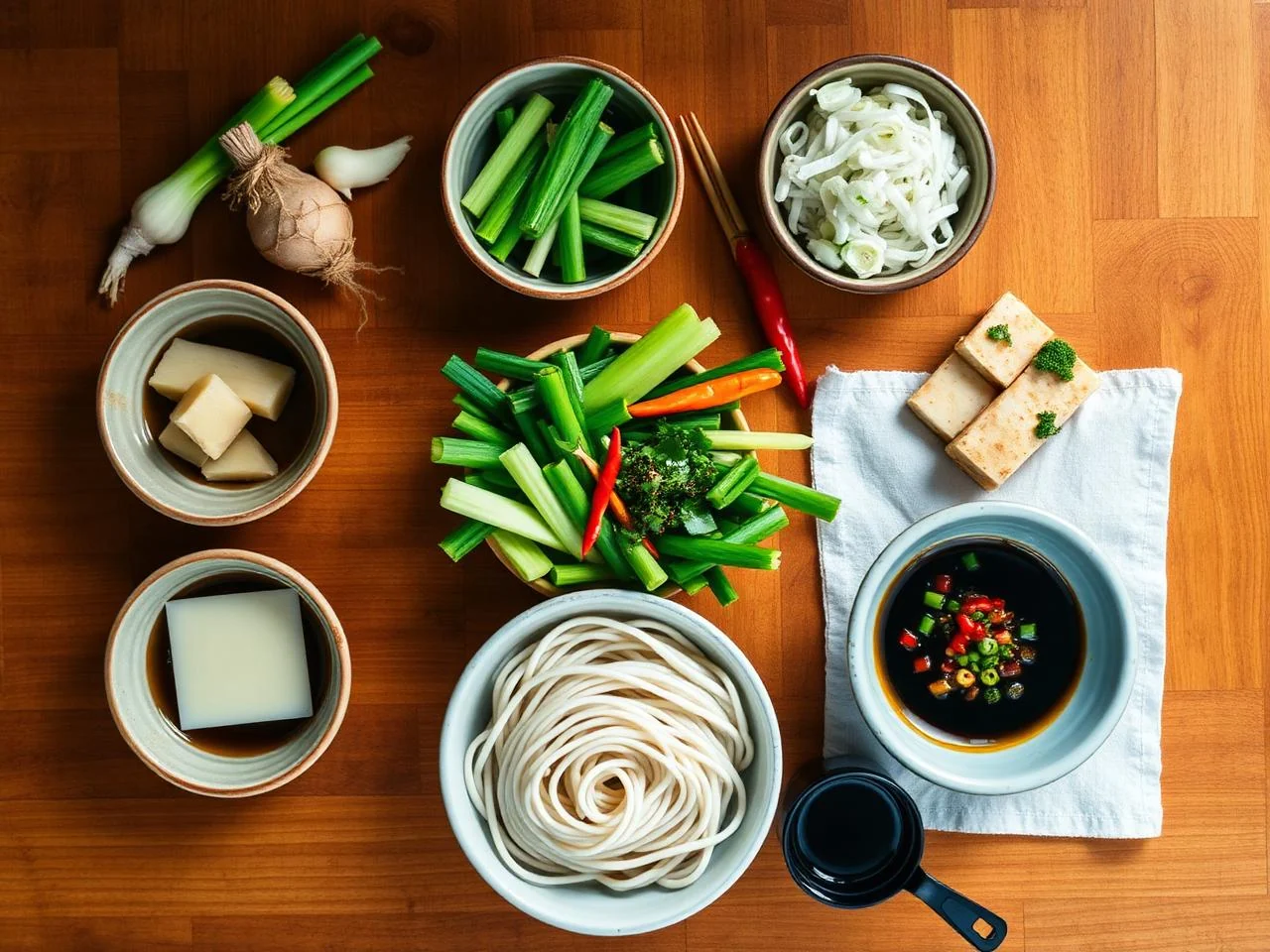
Equipment You’ll Need
How to Make Japanese Udon Noodles
- 1In a large heavy pot or Dutch oven, combine the kombu seaweed and water, and bring to a boil over high heat. Reduce the heat to low and simmer for 10-15 minutes, or until the kombu is tender and the liquid has reduced slightly.
- 2Remove the kombu from the pot and add the katsuobushi, soy sauce, sake, mirin, sugar, and salt. Bring the mixture to a simmer over medium heat, and cook for 5-7 minutes, or until the flavors have melded together and the liquid has reduced slightly.
- 3While the broth is cooking, prepare the Udon Noodles according to the package instructions. Typically, this involves boiling the noodles in water for 8-10 minutes, or until they are tender but still slightly firm in the center.
- 4Once the noodles are cooked, drain them in a colander or strainer and rinse them with cold water to stop the cooking process.
- 5To assemble the Udon Noodles, place a portion of the noodles in a serving bowl and ladle the hot broth over the top. Add your desired toppings, such as tempura bits, sliced scallions, and grated ginger.
- 6Serve the Udon Noodles immediately, garnished with additional scallions and ginger if desired.
- 7To make the tempura bits, heat about 2-3 inches (5-7.5 cm) of vegetable oil in a deep frying pan over medium-high heat until it reaches 350°F (175°C). Carefully add the tempura bits to the hot oil and fry until they are golden brown and crispy, about 2-3 minutes. Drain the tempura bits on paper towels and season with salt to taste.
- 8To make the grated ginger, peel the ginger using a spoon or vegetable peeler, and then grate it using a fine grater or microplane. Squeeze the grated ginger in a cheesecloth or fine-mesh strainer to remove excess moisture.
- 9To slice the scallions, trim the ends and cut the scallions into thin slices using a sharp chef's knife. Rinse the sliced scallions in cold water to remove excess moisture, and then pat them dry with paper towels.
- 10To cook the Udon Noodles, bring a large pot of water to a boil and add the noodles. Cook the noodles for 8-10 minutes, or until they are tender but still slightly firm in the center. Check the noodles for doneness by biting into one; it should be slightly firm in the center but yielding to the bite.
- 11To check the temperature of the broth, use an instant-read thermometer to ensure it has reached a simmer, which is typically between 180°F (82°C) and 190°F (88°C).
- 12To rest the Udon Noodles, place them in a serving bowl and let them sit for 2-3 minutes before serving. This allows the noodles to absorb the flavors of the broth and the toppings.
- 13To finish the dish, garnish the Udon Noodles with additional scallions, ginger, and tempura bits, and serve immediately.
Expert Tips
- Use high-quality ingredients, such as fresh kombu seaweed and katsuobushi, to ensure the best flavor and texture in your Udon Noodles.
- Don't overcook the noodles, as this can result in a mushy or unpleasant texture. Instead, aim for a tender but still slightly firm noodle.
- Experiment with different toppings and seasonings to find your favorite combinations. Some popular options include tempura bits, sliced scallions, grated ginger, and pickled ginger.
- Consider adding other ingredients to your broth, such as sliced mushrooms or diced carrots, to add flavor and nutrition.
- For a spicy kick, add a few dashes of hot sauce or red pepper flakes to your broth.
- To make your Udon Noodles more substantial, consider adding protein sources such as cooked chicken, beef, or tofu.
- Leftover Udon Noodles can be refrigerated for up to 3 days or frozen for up to 2 months. Simply reheat the noodles in the broth or with a little water to restore their texture and flavor.
- To freeze the Udon Noodles, place them in an airtight container or freezer bag and store them in the freezer at 0°F (-18°C) or below.
Common Mistakes to Avoid
- Overcooking the noodles, resulting in a mushy or unpleasant texture.
- Using low-quality ingredients, which can affect the flavor and texture of the dish.
- Not simmering the broth long enough, which can result in a weak or unbalanced flavor.
- Not resting the noodles before serving, which can cause them to become soggy or unappetizing.
- Adding too many toppings or seasonings, which can overpower the other flavors in the dish.
- Not using an instant-read thermometer to check the temperature of the broth, which can result in an undercooked or overcooked dish.
Variations and Substitutions
- Try using different types of noodles, such as soba or ramen, for a variation in texture and flavor.
- Add other ingredients to your broth, such as sliced mushrooms or diced carrots, to add flavor and nutrition.
- Experiment with different seasonings and toppings, such as soy sauce, sake, or pickled ginger, to find your favorite combinations.
- Consider adding protein sources, such as cooked chicken or beef, to make your Udon Noodles more substantial.
- For a spicy kick, add a few dashes of hot sauce or red pepper flakes to your broth.
- Try using different types of tempura bits, such as shrimp or vegetables, for a variation in flavor and texture.
- Add some green onions or sesame seeds on top of the noodles for extra flavor and texture.
What to Serve With Japanese Udon Noodles
Udon Noodles are a versatile and comforting dish that can be served in a variety of ways. Consider pairing them with a side of steamed vegetables, such as bok choy or broccoli, for a nutritious and balanced meal. You could also serve them with a side of pickled ginger or wasabi for an added burst of flavor.
For a more substantial meal, consider adding protein sources such as cooked chicken, beef, or tofu to your Udon Noodles. You could also add other ingredients, such as sliced mushrooms or diced carrots, to add flavor and nutrition.
Make-Ahead, Storage, Freezing and Reheating
Leftover Udon Noodles can be refrigerated for up to 3 days or frozen for up to 2 months. To refrigerate, place the noodles in an airtight container and store them in the refrigerator at a temperature of 40°F (4°C) or below. To freeze, place the noodles in an airtight container or freezer bag and store them in the freezer at a temperature of 0°F (-18°C) or below.
To reheat the noodles, simply place them in a pot of boiling water or in the microwave with a little water. You can also add the noodles to the hot broth and simmer them for a few minutes to restore their texture and flavor.
When reheating the noodles, be sure to check the temperature of the broth to ensure it has reached a simmer, which is typically between 180°F (82°C) and 190°F (88°C). You can use an instant-read thermometer to check the temperature.
It's also important to note that the noodles will absorb more liquid as they sit, so you may need to adjust the amount of broth or water when reheating. Additionally, the noodles may become slightly sticky or mushy after refrigeration or freezing, but this can be minimized by rinsing them with cold water before reheating.
Frequently Asked Questions
What type of noodles should I use for Udon Noodles?
Udon Noodles are typically made with wheat flour noodles, which are thicker and chewier than soba or ramen noodles. Look for high-quality wheat flour noodles at an Asian market or online.
Can I use instant noodles for Udon Noodles?
While instant noodles can be convenient, they are not recommended for Udon Noodles. Instant noodles are typically made with lower-quality ingredients and may not have the same texture or flavor as traditional Udon Noodles.
How do I cook Udon Noodles?
To cook Udon Noodles, bring a large pot of water to a boil and add the noodles. Cook the noodles for 8-10 minutes, or until they are tender but still slightly firm in the center. Check the noodles for doneness by biting into one; it should be slightly firm in the center but yielding to the bite.
Can I add other ingredients to my Udon Noodles?
Yes, you can add a variety of ingredients to your Udon Noodles, such as sliced scallions, grated ginger, tempura bits, or cooked chicken or beef. Experiment with different combinations to find your favorite.
How do I store leftover Udon Noodles?
Leftover Udon Noodles can be refrigerated for up to 3 days or frozen for up to 2 months. To refrigerate, place the noodles in an airtight container and store them in the refrigerator at a temperature of 40°F (4°C) or below. To freeze, place the noodles in an airtight container or freezer bag and store them in the freezer at a temperature of 0°F (-18°C) or below.
Can I make Udon Noodles ahead of time?
Yes, you can make Udon Noodles ahead of time. Simply cook the noodles and broth, then refrigerate or freeze them until you're ready to serve. Reheat the noodles and broth when you're ready to serve, and add your desired toppings and seasonings.
What is the difference between Udon Noodles and other types of Japanese noodles?
Udon Noodles are thicker and chewier than soba or ramen noodles, with a more delicate flavor. They are typically served in a hot broth or with dipping sauce, and are often topped with ingredients such as tempura bits, sliced scallions, and grated ginger.
Can I use a slow cooker to make Udon Noodles?
Yes, you can use a slow cooker to make Udon Noodles. Simply cook the noodles and broth in the slow cooker, then add your desired toppings and seasonings. The slow cooker is a great way to make Udon Noodles ahead of time, as it allows the flavors to meld together and the noodles to cook slowly and evenly.
How do I prevent the noodles from becoming sticky or mushy?
To prevent the noodles from becoming sticky or mushy, be sure to rinse them with cold water after cooking, and then toss them with a little oil or broth to prevent them from sticking together. You can also try adding a little vinegar or lemon juice to the broth to help balance the pH and prevent the noodles from becoming sticky.
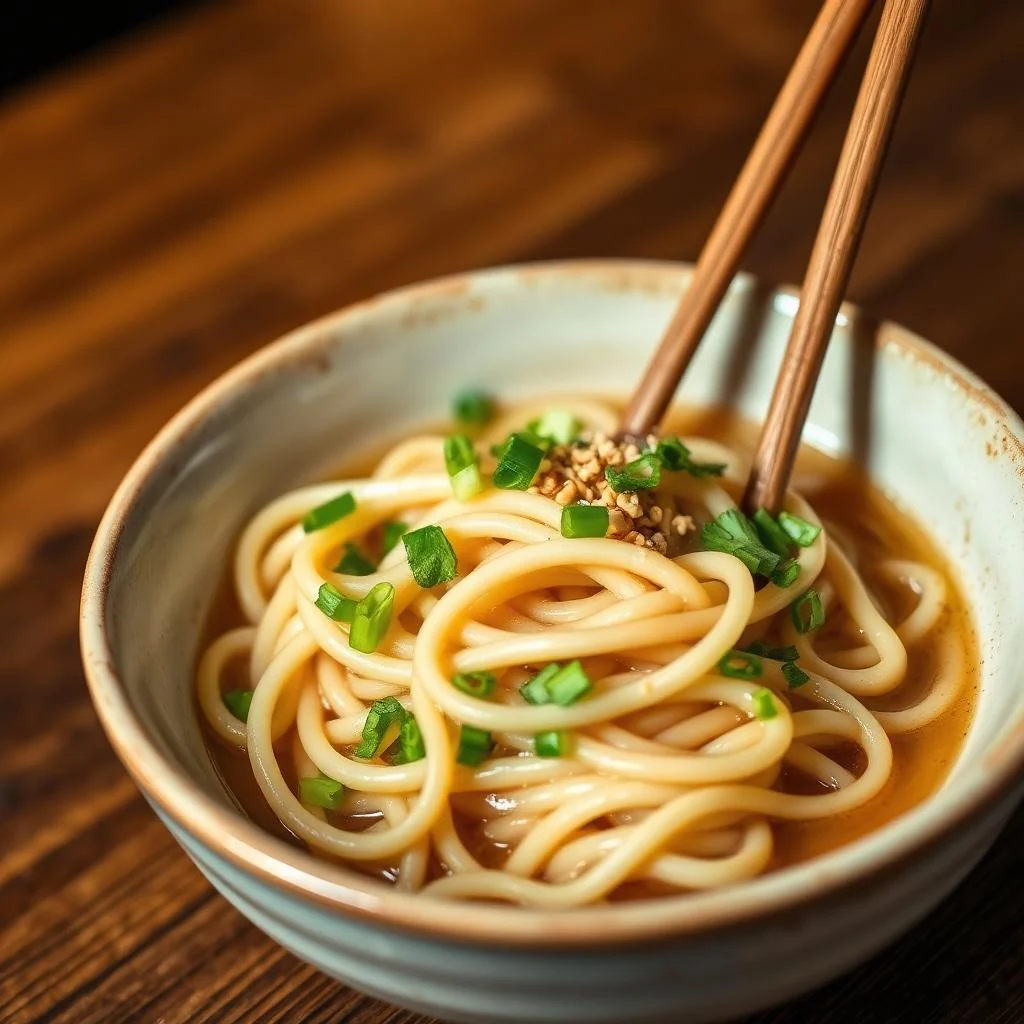
Ingredients
- 2 cups (250g) wheat flour
- 2 cups (475ml) water
- 1/4 cup (60g) kombu seaweed
- 1/4 cup (30g) katsuobushi (dried bonito flakes)
- 2 tablespoons (30g) soy sauce
- 2 tablespoons (30g) sake
- 1 tablespoon (15g) mirin
- 1 teaspoon (5g) sugar
- 1/2 teaspoon (2g) salt
- 2 tablespoons (30g) tempura bits
- 1/4 cup (30g) sliced scallions
- 1/4 cup (30g) grated ginger
Instructions
- In a large heavy pot or Dutch oven, combine the kombu seaweed and water, and bring to a boil over high heat. Reduce the heat to low and simmer for 10-15 minutes, or until the kombu is tender and the liquid has reduced slightly.
- Remove the kombu from the pot and add the katsuobushi, soy sauce, sake, mirin, sugar, and salt. Bring the mixture to a simmer over medium heat, and cook for 5-7 minutes, or until the flavors have melded together and the liquid has reduced slightly.
- While the broth is cooking, prepare the Udon Noodles according to the package instructions. Typically, this involves boiling the noodles in water for 8-10 minutes, or until they are tender but still slightly firm in the center.
- Once the noodles are cooked, drain them in a colander or strainer and rinse them with cold water to stop the cooking process.
- To assemble the Udon Noodles, place a portion of the noodles in a serving bowl and ladle the hot broth over the top. Add your desired toppings, such as tempura bits, sliced scallions, and grated ginger.
- Serve the Udon Noodles immediately, garnished with additional scallions and ginger if desired.
- To make the tempura bits, heat about 2-3 inches (5-7.5 cm) of vegetable oil in a deep frying pan over medium-high heat until it reaches 350°F (175°C). Carefully add the tempura bits to the hot oil and fry until they are golden brown and crispy, about 2-3 minutes. Drain the tempura bits on paper towels and season with salt to taste.
- To make the grated ginger, peel the ginger using a spoon or vegetable peeler, and then grate it using a fine grater or microplane. Squeeze the grated ginger in a cheesecloth or fine-mesh strainer to remove excess moisture.
- To slice the scallions, trim the ends and cut the scallions into thin slices using a sharp chef's knife. Rinse the sliced scallions in cold water to remove excess moisture, and then pat them dry with paper towels.
- To cook the Udon Noodles, bring a large pot of water to a boil and add the noodles. Cook the noodles for 8-10 minutes, or until they are tender but still slightly firm in the center. Check the noodles for doneness by biting into one; it should be slightly firm in the center but yielding to the bite.
- To check the temperature of the broth, use an instant-read thermometer to ensure it has reached a simmer, which is typically between 180°F (82°C) and 190°F (88°C).
- To rest the Udon Noodles, place them in a serving bowl and let them sit for 2-3 minutes before serving. This allows the noodles to absorb the flavors of the broth and the toppings.
- To finish the dish, garnish the Udon Noodles with additional scallions, ginger, and tempura bits, and serve immediately.