
Japanese Salmon Sushi Bowl
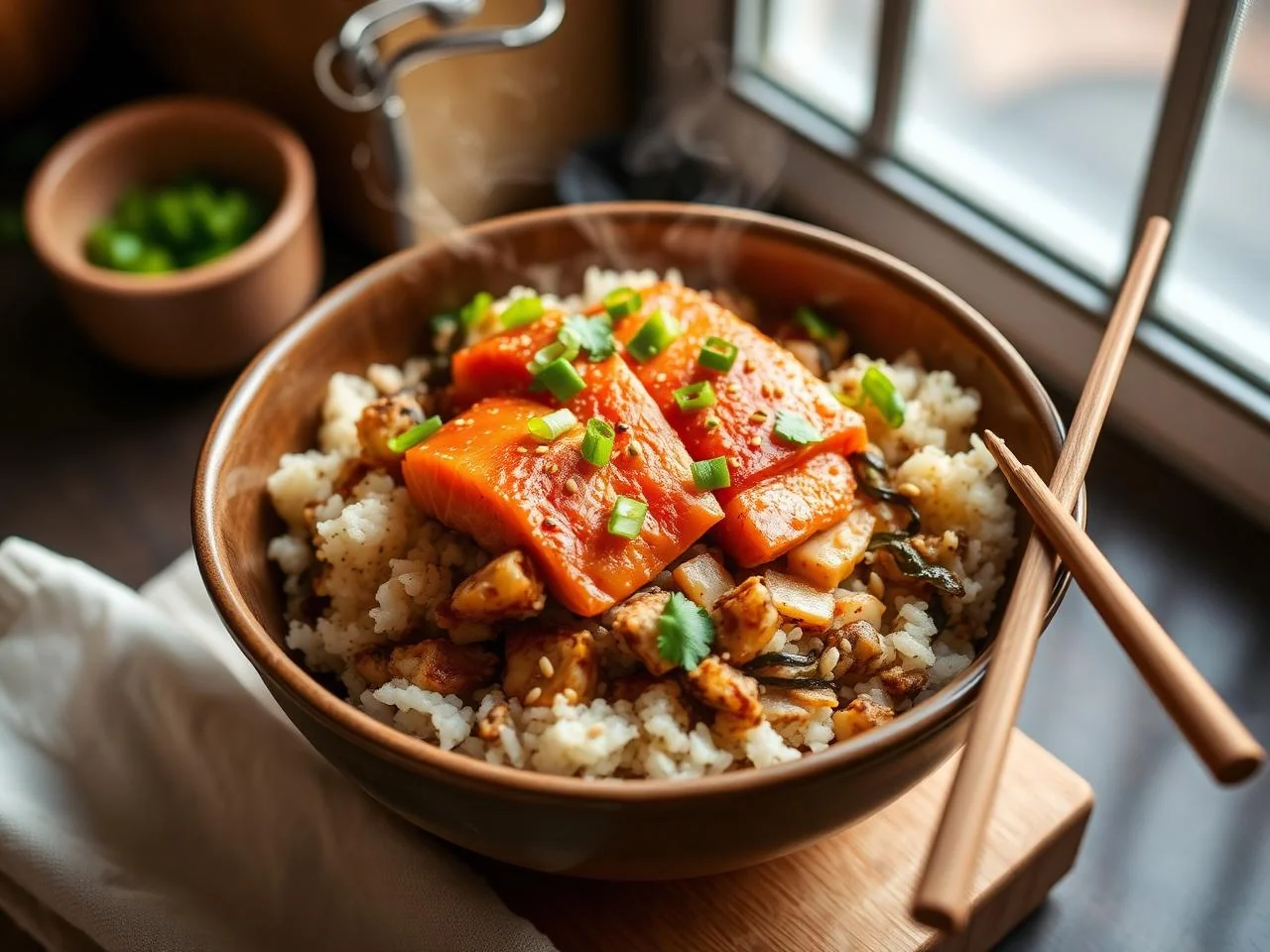
I still remember my first visit to a sushi restaurant, where I fell in love with the simplicity and elegance of Japanese cuisine. One of my favorite dishes was the salmon sushi bowl, which combined the freshness of salmon with the heartiness of rice and vegetables. In this recipe, I'll show you how to make a delicious Japanese Salmon Sushi Bowl at home, using ingredients that are easily accessible in most supermarkets.
The key to making a great salmon sushi bowl is to use high-quality ingredients and to cook the salmon to the right temperature. I'll guide you through the process of preparing the ingredients, cooking the salmon, and assembling the bowl. With this recipe, you'll be able to enjoy a delicious and authentic Japanese Salmon Sushi Bowl in the comfort of your own home.
One of the things I love about Japanese cuisine is the emphasis on seasonality and freshness. In this recipe, we'll be using fresh salmon, which is rich in omega-3 fatty acids and has a delicious flavor. We'll also be using short-grain Japanese rice, which is specifically designed to hold together well and has a slightly sweet flavor.
To make this recipe, you'll need a few special ingredients, including sushi-grade salmon, short-grain Japanese rice, and nori seaweed sheets. You'll also need some basic pantry staples, such as soy sauce, sesame oil, and rice vinegar. Don't worry if you're not familiar with these ingredients - I'll explain how to use them and where to find them in the recipe.
This recipe is perfect for anyone who loves Japanese cuisine and wants to try making it at home. It's also a great option for a weeknight dinner or a special occasion meal. With its simple ingredients and easy-to-follow instructions, you'll be able to make a delicious Japanese Salmon Sushi Bowl that's sure to impress your friends and family.
Why You’ll Love This Recipe
- This recipe is easy to make and requires minimal ingredients.
- It's a healthy and nutritious meal option that's rich in omega-3 fatty acids and fiber.
- The dish is perfect for a weeknight dinner or a special occasion meal.
- It's a great way to experience the flavors and techniques of Japanese cuisine at home.
- The recipe is highly customizable, so you can add your favorite ingredients and make it your own.
- It's a fun and interactive meal that's perfect for serving at a dinner party or special occasion.
Why This Recipe Works
The key to making a great salmon sushi bowl is to use high-quality ingredients and to cook the salmon to the right temperature. In this recipe, we'll be using sushi-grade salmon, which is rich in omega-3 fatty acids and has a delicious flavor. We'll also be using short-grain Japanese rice, which is specifically designed to hold together well and has a slightly sweet flavor.
The cooking method used in this recipe is also important. We'll be cooking the salmon in a hot skillet with a small amount of oil, which will help to sear the outside and cook the inside to the right temperature. This method is called 'pan-searing,' and it's a great way to cook fish because it helps to lock in the flavors and textures.
Another important aspect of this recipe is the balance of flavors. We'll be using a combination of soy sauce, sesame oil, and rice vinegar to add flavor to the dish, which will help to balance out the richness of the salmon and the sweetness of the rice. This balance of flavors is what makes Japanese cuisine so delicious and elegant.
Ingredients You’ll Need
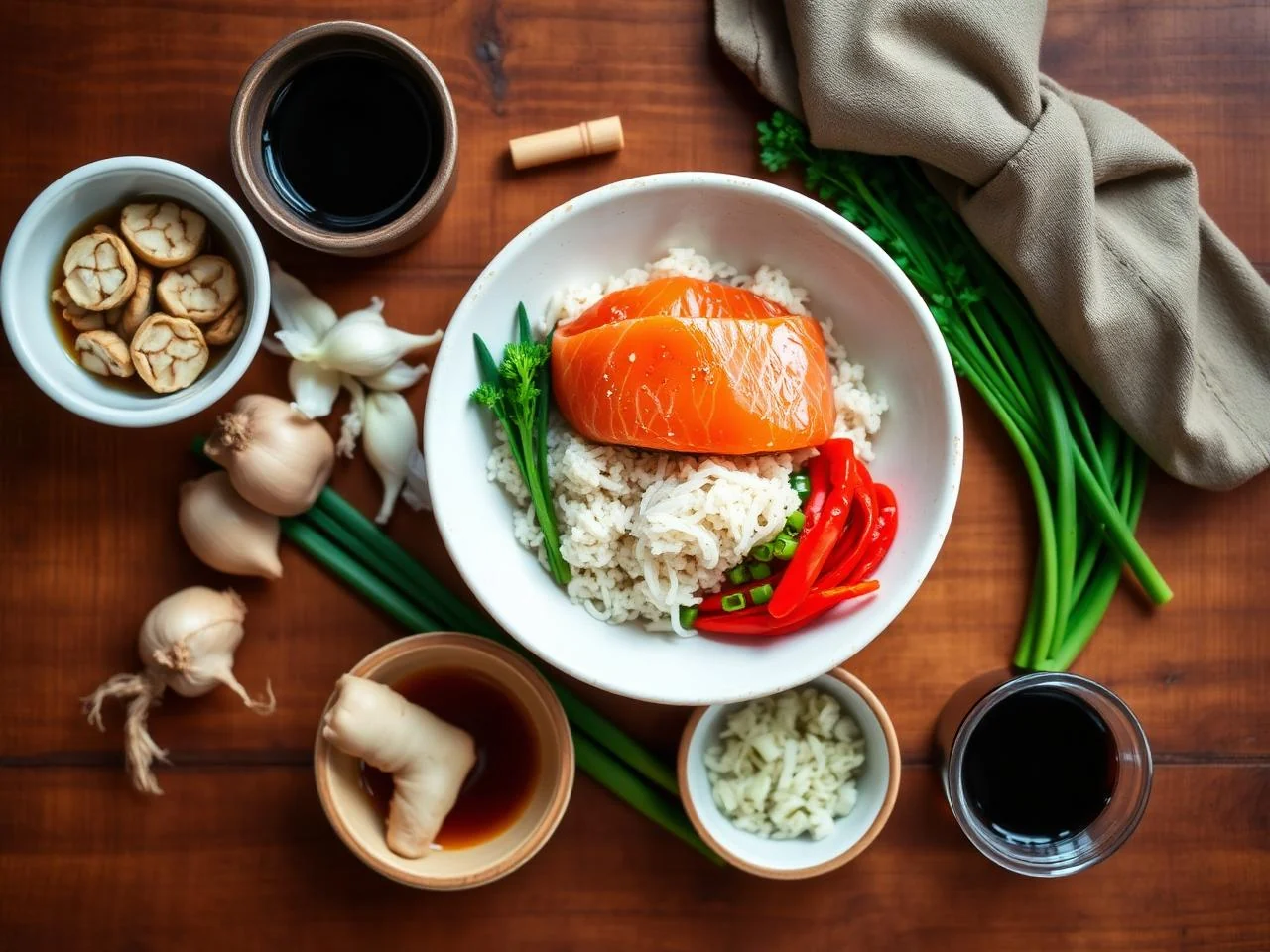
To make this recipe, you'll need a few special ingredients, including sushi-grade salmon, short-grain Japanese rice, and nori seaweed sheets. You'll also need some basic pantry staples, such as soy sauce, sesame oil, and rice vinegar. Don't worry if you're not familiar with these ingredients - they're easy to find in most supermarkets and online.
When shopping for ingredients, be sure to choose the freshest and highest-quality options available. For the salmon, look for sushi-grade fish that's been frozen to a certain temperature to kill any parasites. For the rice, choose short-grain Japanese rice that's specifically designed for making sushi. And for the nori seaweed sheets, look for sheets that are crisp and have a deep green color.
- 1 lb (450g) sushi-grade salmon filletLook for sushi-grade salmon that's been frozen to a certain temperature to kill any parasites. You can find it at most supermarkets or online.
- 1 cup (180g) short-grain Japanese riceChoose short-grain Japanese rice that's specifically designed for making sushi. It's stickier and clingier than regular rice, which makes it perfect for making sushi bowls.
- 1/4 cup (60g) nori seaweed sheetsLook for nori seaweed sheets that are crisp and have a deep green color. You can find them at most Asian markets or online.
- 2 tbsp (30g) soy sauceUse a high-quality soy sauce that's made with fermented soybeans. It has a richer and more complex flavor than regular soy sauce.
- 1 tbsp (15g) sesame oilChoose a high-quality sesame oil that's made from roasted sesame seeds. It has a nutty and slightly sweet flavor that's perfect for making Japanese dishes.
- 1 tbsp (15g) rice vinegarUse a high-quality rice vinegar that's made from fermented rice. It has a mild and slightly sweet flavor that's perfect for making sushi rice.
- 1 tsp (5g) grated gingerChoose a fresh and high-quality ginger that's been grated or minced. It adds a spicy and warming flavor to the dish.
- 1 tsp (5g) sugarUse a high-quality sugar that's made from cane sugar. It adds a touch of sweetness to the dish and balances out the flavors.
- 1/4 cup (30g) chopped scallionsChoose fresh and high-quality scallions that have been chopped or thinly sliced. They add a fresh and oniony flavor to the dish.
- 1/4 cup (30g) pickled ginger, slicedLook for pickled ginger that's been made with fresh ginger and vinegar. It adds a sour and slightly sweet flavor to the dish.
- Salt and pepper to tasteUse a high-quality salt and pepper that's made from natural ingredients. It adds a touch of flavor to the dish and enhances the other ingredients.
Equipment You’ll Need
How to Make Japanese Salmon Sushi Bowl
- 1Prepare the ingredients by rinsing the salmon fillet under cold water and patting it dry with paper towels. Cut the salmon into small pieces and set it aside.
- 2Cook the Japanese rice according to the package instructions. Typically, it's a 1:1 ratio of rice to water, and you'll need to rinse the rice before cooking it.
- 3Prepare the nori seaweed sheets by cutting them into small pieces or strips. You can use scissors or a sharp knife to cut them.
- 4Heat a large heavy skillet or wok over medium-high heat. Add 1 tablespoon of sesame oil and swirl it around to coat the pan.
- 5Add the salmon pieces to the pan and cook for 2-3 minutes on each side, or until they reach an internal temperature of 145 F (63 C). Use an instant-read thermometer to check the temperature.
- 6While the salmon is cooking, prepare the sauce by mixing the soy sauce, rice vinegar, grated ginger, and sugar in a small bowl. Stir well to combine.
- 7Once the salmon is cooked, remove it from the pan and set it aside. Add the chopped scallions to the pan and cook for 1 minute, or until they're slightly softened.
- 8Add the cooked rice to the pan and stir-fry it with the scallions and sauce for 2-3 minutes, or until everything is well combined.
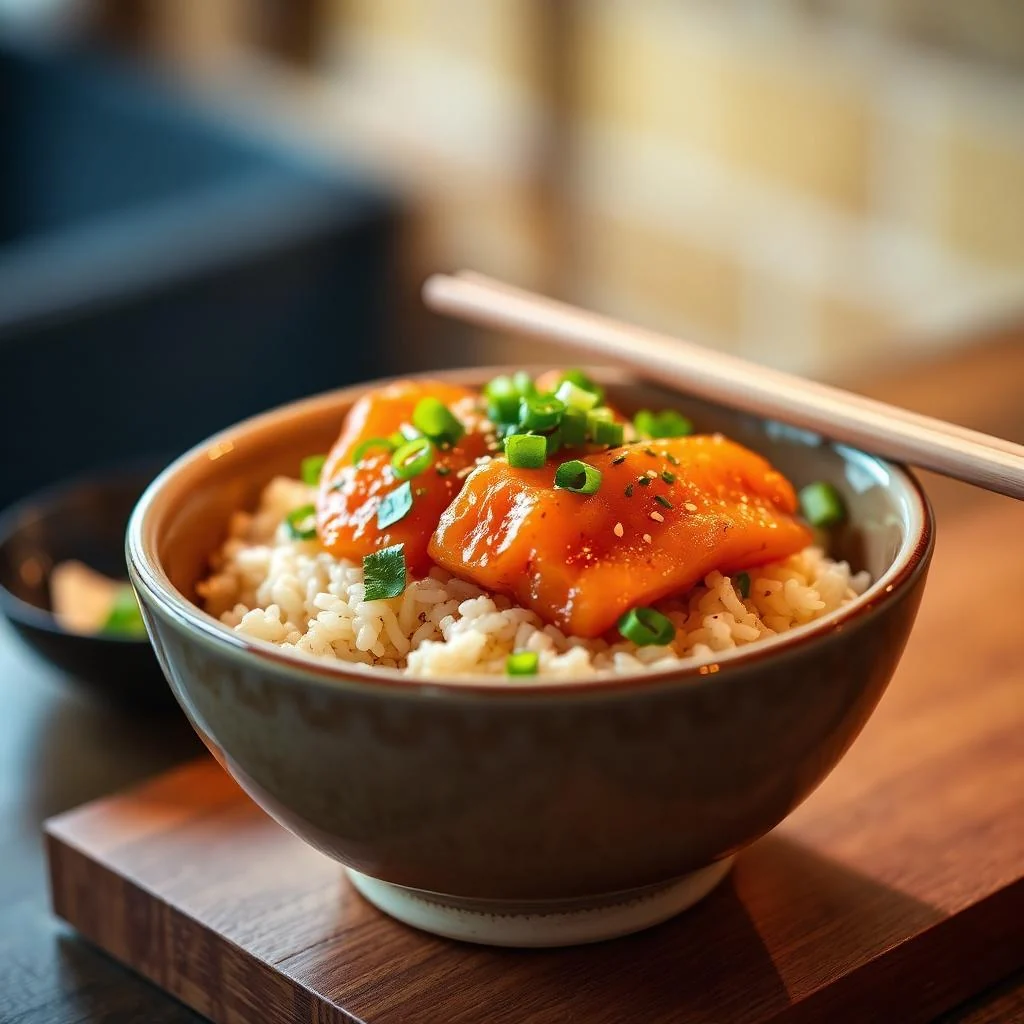
- 9To assemble the bowls, place a scoop of the rice mixture in the bottom of a bowl. Add a piece of the cooked salmon on top of the rice, followed by a slice of pickled ginger and a sprinkle of chopped scallions.
- 10Drizzle the sauce over the top of the bowl and serve immediately. You can also add other toppings, such as diced avocado or sliced cucumber, to make the dish more interesting.
- 11Serve the Japanese Salmon Sushi Bowls immediately, garnished with additional scallions and pickled ginger if desired.
- 12To make the dish more substantial, you can add some stir-fried vegetables, such as carrots or broccoli, to the pan with the scallions and sauce.
- 13Experiment with different seasonings and sauces to make the dish more interesting. You can try adding some sesame seeds or chopped nuts to the rice mixture for added texture and flavor.
Expert Tips
- Use high-quality ingredients to make the dish more flavorful and authentic.
- Don't overcook the salmon, as it can become dry and tough. Use an instant-read thermometer to check the internal temperature.
- Experiment with different toppings and seasonings to make the dish more interesting and customizable.
- Use a variety of colors and textures to make the dish more visually appealing. You can add some sliced cucumbers or carrots to the bowl for added color and crunch.
- Don't be afraid to try new ingredients and seasonings. Japanese cuisine is all about experimentation and creativity, so feel free to get creative and make the dish your own.
- Practice makes perfect, so don't be discouraged if the dish doesn't turn out as expected the first time. Keep trying and experimenting until you get the results you want.
Common Mistakes to Avoid
- Overcooking the salmon, which can make it dry and tough.
- Not using high-quality ingredients, which can affect the flavor and texture of the dish.
- Not balancing the flavors in the sauce, which can make the dish too salty or too sweet.
- Not using the right type of rice, which can affect the texture and flavor of the dish.
- Not adding enough seasonings and toppings, which can make the dish bland and uninteresting.
- Not serving the dish immediately, which can cause the flavors and textures to deteriorate.
Variations and Substitutions
- Add some diced avocado to the bowl for added creaminess and nutrition.
- Use different types of protein, such as chicken or tofu, to make the dish more versatile.
- Add some stir-fried vegetables, such as broccoli or carrots, to the pan with the scallions and sauce.
- Use different types of seasonings and sauces, such as teriyaki or sriracha, to make the dish more interesting and customizable.
- Add some chopped nuts or sesame seeds to the rice mixture for added texture and flavor.
- Use different types of seaweed, such as wakame or hijiki, to make the dish more authentic and nutritious.
What to Serve With Japanese Salmon Sushi Bowl
Serve the Japanese Salmon Sushi Bowls immediately, garnished with additional scallions and pickled ginger if desired. You can also add some stir-fried vegetables, such as broccoli or carrots, to the pan with the scallions and sauce to make the dish more substantial.
Consider serving the dish with some miso soup or edamame on the side to make it more filling and satisfying. You can also add some sliced cucumbers or carrots to the bowl for added color and crunch.
Make-Ahead, Storage, Freezing and Reheating
To store the Japanese Salmon Sushi Bowls, cool the cooked rice and salmon to room temperature, then refrigerate or freeze them. You can store the cooked rice in an airtight container in the refrigerator for up to 3 days or freeze it for up to 2 months.
To reheat the cooked rice, simply microwave it for 30-60 seconds or stir-fry it in a pan with some oil and soy sauce. You can also add some frozen vegetables, such as peas or carrots, to the pan with the rice to make it more nutritious and flavorful.
When reheating the cooked salmon, be careful not to overcook it, as it can become dry and tough. Simply microwave it for 10-15 seconds or stir-fry it in a pan with some oil and soy sauce until it's heated through.
Frequently Asked Questions
What type of salmon should I use for this recipe?
You should use sushi-grade salmon that's been frozen to a certain temperature to kill any parasites. Look for it at most supermarkets or online.
How do I cook the Japanese rice?
Cook the Japanese rice according to the package instructions. Typically, it's a 1:1 ratio of rice to water, and you'll need to rinse the rice before cooking it.
What type of nori seaweed sheets should I use?
Look for nori seaweed sheets that are crisp and have a deep green color. You can find them at most Asian markets or online.
Can I use different types of protein for this recipe?
Yes, you can use different types of protein, such as chicken or tofu, to make the dish more versatile. Simply cook the protein according to the package instructions and add it to the bowl.
How do I store the cooked rice and salmon?
Cool the cooked rice and salmon to room temperature, then refrigerate or freeze them. You can store the cooked rice in an airtight container in the refrigerator for up to 3 days or freeze it for up to 2 months.
Can I make this recipe ahead of time?
Yes, you can make this recipe ahead of time by cooking the rice and salmon, then refrigerating or freezing them until you're ready to assemble the bowls. Simply reheat the cooked rice and salmon according to the package instructions and add your favorite toppings.
What are some variations I can try with this recipe?
You can try adding some diced avocado or sliced cucumbers to the bowl for added creaminess and nutrition. You can also use different types of seasonings and sauces, such as teriyaki or sriracha, to make the dish more interesting and customizable.
Can I serve this dish at a dinner party?
Yes, you can serve this dish at a dinner party by making it ahead of time and reheating it according to the package instructions. Consider serving it with some miso soup or edamame on the side to make it more filling and satisfying.
Ingredients
- 1 lb (450g) sushi-grade salmon fillet
- 1 cup (180g) short-grain Japanese rice
- 1/4 cup (60g) nori seaweed sheets
- 2 tbsp (30g) soy sauce
- 1 tbsp (15g) sesame oil
- 1 tbsp (15g) rice vinegar
- 1 tsp (5g) grated ginger
- 1 tsp (5g) sugar
- 1/4 cup (30g) chopped scallions
- 1/4 cup (30g) pickled ginger, sliced
- Salt and pepper to taste
Instructions
- Prepare the ingredients by rinsing the salmon fillet under cold water and patting it dry with paper towels. Cut the salmon into small pieces and set it aside.
- Cook the Japanese rice according to the package instructions. Typically, it's a 1:1 ratio of rice to water, and you'll need to rinse the rice before cooking it.
- Prepare the nori seaweed sheets by cutting them into small pieces or strips. You can use scissors or a sharp knife to cut them.
- Heat a large heavy skillet or wok over medium-high heat. Add 1 tablespoon of sesame oil and swirl it around to coat the pan.
- Add the salmon pieces to the pan and cook for 2-3 minutes on each side, or until they reach an internal temperature of 145 F (63 C). Use an instant-read thermometer to check the temperature.
- While the salmon is cooking, prepare the sauce by mixing the soy sauce, rice vinegar, grated ginger, and sugar in a small bowl. Stir well to combine.
- Once the salmon is cooked, remove it from the pan and set it aside. Add the chopped scallions to the pan and cook for 1 minute, or until they're slightly softened.
- Add the cooked rice to the pan and stir-fry it with the scallions and sauce for 2-3 minutes, or until everything is well combined.
- To assemble the bowls, place a scoop of the rice mixture in the bottom of a bowl. Add a piece of the cooked salmon on top of the rice, followed by a slice of pickled ginger and a sprinkle of chopped scallions.
- Drizzle the sauce over the top of the bowl and serve immediately. You can also add other toppings, such as diced avocado or sliced cucumber, to make the dish more interesting.
- Serve the Japanese Salmon Sushi Bowls immediately, garnished with additional scallions and pickled ginger if desired.
- To make the dish more substantial, you can add some stir-fried vegetables, such as carrots or broccoli, to the pan with the scallions and sauce.
- Experiment with different seasonings and sauces to make the dish more interesting. You can try adding some sesame seeds or chopped nuts to the rice mixture for added texture and flavor.