and plain text.
We need to embed boxes.
We need to ensure each paragraph 4-6 sentences.
Let's craft.
We must keep word count 3000+. Let's write about 40 paragraphs. We'll approximate.
We'll produce introduction with 4 paragraphs. Then next section with bullet list and box. Then ingredient list with 3-4 subsections and a fun fact box. Then mid-article image. Then method with 10 steps, each paragraph 4-6 sentences, with boxes. Then insider tricks 5-6 tips with headings. Then creative twists 5-6 variations with . Then storing section with 3 subsections. Then recipe card. Then hidden elements.
We must ensure the recipe card ingredient list matches our ingredients. We need to create two columns; each li must have data-base-qty numeric. We'll set values.
Also we need to include checkboxes and quantity spans. We'll create 12 ingredients across two columns.
We need to ensure the recipe card's directions list includes steps; but we can leave placeholder "Step instruction here." But we might fill with actual steps. But the instructions say we need to adapt times, servings, nutrition values, and steps in the recipe card to match this recipe. So we need to provide actual directions steps. We'll write 10 steps.
We also need to add FAQ items inside card.
Now we need to produce the entire HTML.
We also need to include hidden elements: category, season, pin-description.
Category: Dinner.
Season: general.
Now produce.
Word count: We need to count words. Let's approximate. 40 paragraphs * 5 sentences average 15 words = 3000 words. We'll produce 40 paragraphs. Let's write.
We must ensure each paragraph has 4-6 sentences. We'll produce 5 sentences per paragraph.
Let's start.
Paragraph 1: introduction. 5 sentences.
Paragraph 2: introduction. 5 sentences.
Paragraph 3: introduction. 5 sentences.
Paragraph 4: introduction. 5 sentences.
Paragraph 5: "What Makes This Version Stand Out" section bullet list. Each bullet 2-3 sentences. We'll produce 6 bullets, each with 2 sentences. That's fine.
Paragraph 6: Kitchen Hack box.
Paragraph 7: Inside the Ingredient List section header.
Paragraph 8: "The Flavor Base" subsection paragraph 5 sentences.
Paragraph 9: "The Texture Crew" paragraph 5 sentences.
Paragraph 10: "The Unexpected Star" paragraph 5 sentences.
Paragraph 11: "The Final Flourish" paragraph 5 sentences.
Paragraph 12: Fun Fact box.
Paragraph 13: End paragraph "Everything's prepped? Good..." 5 sentences.
Paragraph 14: Mid-article image.
Paragraph 15: "The Method — Step by Step" header.
Paragraph 16: Step 1 paragraph 5 sentences.
Paragraph 17: Step 2 paragraph 5 sentences.
Paragraph 18: Step 3 paragraph 5 sentences.
Paragraph 19: Step 4 paragraph 5 sentences.
Paragraph 20: Step 5 paragraph 5 sentences.
Paragraph 21: Step 6 paragraph 5 sentences.
Paragraph 22: Step 7 paragraph 5 sentences.
Paragraph 23: Step 8 paragraph 5 sentences.
Paragraph 24: Step 9 paragraph 5 sentences.
Paragraph 25: Step 10 paragraph 5 sentences.
Paragraph 26: Kitchen Hack box inside method.
Paragraph 27: Watch Out box inside method.
Paragraph 28: Closing method paragraph 5 sentences.
Paragraph 29: "Insider Tricks for Flawless Results" header.
Paragraph 30: Tip 1 heading and paragraph 5 sentences.
Paragraph 31: Tip 2 heading and paragraph 5 sentences.
Paragraph 32: Tip 3 heading and paragraph 5 sentences.
Paragraph 33: Tip 4 heading and paragraph 5 sentences.
Paragraph 34: Tip 5 heading and paragraph 5 sentences.
Paragraph 35: Kitchen Hack box for top tip.
Paragraph 36: "Creative Twists and Variations" header.
Paragraph 37: Variation 1 heading and paragraph 5 sentences.
Paragraph 38: Variation 2 heading and paragraph 5 sentences.
Paragraph 39: Variation 3 heading and paragraph 5 sentences.
Paragraph 40: Variation 4 heading and paragraph 5 sentences.
Paragraph 41: Variation 5 heading and paragraph 5 sentences.
Paragraph 42: Variation 6 heading and paragraph 5 sentences.
Paragraph 43: "Storing and Bringing It Back to Life" header.
Paragraph 44: Fridge Storage paragraph 5 sentences.
Paragraph 45: Freezer Friendly paragraph 5 sentences.
Paragraph 46: Best Reheating Method paragraph 5 sentences.
Paragraph 47: Recipe card.
Paragraph 48: Hidden elements.
We have 48 paragraphs. That's more than 40, but fine.
Now we need to write content. Must be 3000 words. 48 paragraphs * 5 sentences each average 15 words = 3600 words. Good.
We need to ensure each paragraph 4-6 sentences. We'll produce exactly 5 sentences each.
Now we write the content.
Let's start writing.
We'll use
headings. Then creative twists 5-6 variations with . Then storing section with 3 subsections. Then recipe card. Then hidden elements.
We must ensure the recipe card ingredient list matches our ingredients. We need to create two columns; each li must have data-base-qty numeric. We'll set values.
Also we need to include checkboxes and quantity spans. We'll create 12 ingredients across two columns.
We need to ensure the recipe card's directions list includes steps; but we can leave placeholder "Step instruction here." But we might fill with actual steps. But the instructions say we need to adapt times, servings, nutrition values, and steps in the recipe card to match this recipe. So we need to provide actual directions steps. We'll write 10 steps.
We also need to add FAQ items inside card.
Now we need to produce the entire HTML.
We also need to include hidden elements: category, season, pin-description.
Category: Dinner.
Season: general.
Now produce.
Word count: We need to count words. Let's approximate. 40 paragraphs * 5 sentences average 15 words = 3000 words. We'll produce 40 paragraphs. Let's write.
We must ensure each paragraph has 4-6 sentences. We'll produce 5 sentences per paragraph.
Let's start.
Paragraph 1: introduction. 5 sentences.
Paragraph 2: introduction. 5 sentences.
Paragraph 3: introduction. 5 sentences.
Paragraph 4: introduction. 5 sentences.
Paragraph 5: "What Makes This Version Stand Out" section bullet list. Each bullet 2-3 sentences. We'll produce 6 bullets, each with 2 sentences. That's fine.
Paragraph 6: Kitchen Hack box.
Paragraph 7: Inside the Ingredient List section header.
Paragraph 8: "The Flavor Base" subsection paragraph 5 sentences.
Paragraph 9: "The Texture Crew" paragraph 5 sentences.
Paragraph 10: "The Unexpected Star" paragraph 5 sentences.
Paragraph 11: "The Final Flourish" paragraph 5 sentences.
Paragraph 12: Fun Fact box.
Paragraph 13: End paragraph "Everything's prepped? Good..." 5 sentences.
Paragraph 14: Mid-article image.
Paragraph 15: "The Method — Step by Step" header.
Paragraph 16: Step 1 paragraph 5 sentences.
Paragraph 17: Step 2 paragraph 5 sentences.
Paragraph 18: Step 3 paragraph 5 sentences.
Paragraph 19: Step 4 paragraph 5 sentences.
Paragraph 20: Step 5 paragraph 5 sentences.
Paragraph 21: Step 6 paragraph 5 sentences.
Paragraph 22: Step 7 paragraph 5 sentences.
Paragraph 23: Step 8 paragraph 5 sentences.
Paragraph 24: Step 9 paragraph 5 sentences.
Paragraph 25: Step 10 paragraph 5 sentences.
Paragraph 26: Kitchen Hack box inside method.
Paragraph 27: Watch Out box inside method.
Paragraph 28: Closing method paragraph 5 sentences.
Paragraph 29: "Insider Tricks for Flawless Results" header.
Paragraph 30: Tip 1 heading and paragraph 5 sentences.
Paragraph 31: Tip 2 heading and paragraph 5 sentences.
Paragraph 32: Tip 3 heading and paragraph 5 sentences.
Paragraph 33: Tip 4 heading and paragraph 5 sentences.
Paragraph 34: Tip 5 heading and paragraph 5 sentences.
Paragraph 35: Kitchen Hack box for top tip.
Paragraph 36: "Creative Twists and Variations" header.
Paragraph 37: Variation 1 heading and paragraph 5 sentences.
Paragraph 38: Variation 2 heading and paragraph 5 sentences.
Paragraph 39: Variation 3 heading and paragraph 5 sentences.
Paragraph 40: Variation 4 heading and paragraph 5 sentences.
Paragraph 41: Variation 5 heading and paragraph 5 sentences.
Paragraph 42: Variation 6 heading and paragraph 5 sentences.
Paragraph 43: "Storing and Bringing It Back to Life" header.
Paragraph 44: Fridge Storage paragraph 5 sentences.
Paragraph 45: Freezer Friendly paragraph 5 sentences.
Paragraph 46: Best Reheating Method paragraph 5 sentences.
Paragraph 47: Recipe card.
Paragraph 48: Hidden elements.
We have 48 paragraphs. That's more than 40, but fine.
Now we need to write content. Must be 3000 words. 48 paragraphs * 5 sentences each average 15 words = 3600 words. Good.
We need to ensure each paragraph 4-6 sentences. We'll produce exactly 5 sentences each.
Now we write the content.
Let's start writing.
We'll use
for paragraphs. We need to use Bootstrap 5 classes for spacing: mb-3, mt-4 etc. Let's write. We need to ensure no emojis. Let's craft paragraphs. Paragraph 1:
I remember the night I was supposed to impress a friend with a fancy dinner, but the pantry looked more like a war zone than a kitchen. The only thing that seemed promising was the chicken breast sitting in the fridge, the spaghetti hanging by the door, and a jar of crushed tomatoes that smelled like summer. I stared at the empty countertop, then decided to throw everything together, hoping for a miracle. That decision turned into a culinary revelation, a dish that feels like a warm hug on a rainy day. The result? A sauce that clings to the noodles like velvet, a chicken that stays juicy, and a dish that makes even the most skeptical taste buds dance.
Paragraph 2:Picture this: the sizzling sound as the garlic hits hot olive oil, the aroma of tomatoes simmering, and the gentle crackle of pasta bubbling in a pot. The sight of the sauce thickening, turning from a translucent glaze to a rich, amber coat, is almost cinematic. The smell of fresh basil, the subtle hint of pepper, and the promise of creamy texture mingle in a fragrant cloud that fills the kitchen. The first bite is a burst of savory, slightly sweet tomato, followed by the tender bite of chicken, and the pasta that holds the sauce in every strand. The experience is so satisfying that you almost forget the time spent cooking.
Paragraph 3:What makes this version stand out is not just the flavor, but the simplicity of the technique that lets each ingredient shine. The sauce is built on a foundation of sautéed aromatics that create depth without overwhelming the palate. The chicken is seared to lock in juices, then finished in the sauce so it absorbs all the savory notes. The pasta is cooked al dente, ensuring it can hold the sauce without becoming mushy. And the finishing touch of parmesan and a splash of cream gives the dish a luxurious mouthfeel that feels like a cheat meal without the guilt.
Paragraph 4:I dare you to taste this and not go back for seconds. I promise you, this is hands down the best version you'll ever make at home. Most recipes get this completely wrong by overcooking the chicken or using too much tomato sauce that swamps the pasta. Here’s what actually works: a quick sear, a slow simmer, and a final swirl of cream. Picture yourself pulling this out of the oven, the whole kitchen smelling incredible, and a plate that looks like it came from a fancy restaurant. Stay with me here — this is worth it.
Paragraph 5:What Makes This Version Stand Out
- Flavor Depth: The layered sauté of garlic, onion, and crushed tomatoes builds a rich base that feels both comforting and sophisticated. The slow simmer allows the tomatoes to break down, creating a silky sauce that coats the pasta like a second skin.
- Texture Contrast: The chicken is seared to a caramelized crust and then finished in the sauce, giving it a tender bite with a subtle crunch on the outside. The spaghetti remains al dente, offering a satisfying chew that balances the creaminess.
- Simplicity: With just a handful of ingredients, this dish cuts through the clutter of complicated recipes while delivering maximum flavor. No fancy techniques, just honest cooking that anyone can master.
- Ingredient Quality: Fresh basil, high‑quality olive oil, and a good jar of crushed tomatoes elevate the dish, proving that good ingredients make all the difference.
- Make‑Ahead Friendly: The sauce can be prepared a day ahead and reheated without losing its silky texture, making it perfect for busy weeknights.
- Crowd‑Pleaser: Whether you’re feeding a family or entertaining guests, this dish consistently receives rave reviews for its comforting yet elegant flavor profile.
Alright, let's break down exactly what goes into this masterpiece…
Now insert Kitchen Hack box after this section.Inside the Ingredient List
Paragraph 8:The Flavor Base
The foundation of this sauce starts with a generous splash of olive oil that caramelizes the aromatics. Fresh garlic and diced onion sauté until translucent, releasing a sweet, savory aroma that sets the tone for the dish. Crushed tomatoes form the bulk of the sauce, and their acidity balances the richness from the cream and parmesan. A pinch of salt and a dash of black pepper bring everything together, while a splash of chicken broth adds depth and prevents the sauce from becoming too thick. Skipping any of these components would leave the sauce feeling flat or overly acidic.
Paragraph 9:The Texture Crew
Al dente spaghetti provides the perfect canvas for the sauce, offering a firm bite that resists the cream's tendency to turn the pasta mushy. The chicken breasts are sliced into bite‑sized pieces, which ensures they cook evenly and absorb the sauce's flavors. A splash of heavy cream is added toward the end to give the dish a silky mouthfeel without overpowering the tomato base. Grated parmesan cheese is stirred in just before serving, creating a nutty undertone and a subtle cheese crust on top. Each of these elements works in harmony to create a dish that feels both hearty and refined.
Paragraph 10:The Unexpected Star
Fresh basil is the secret weapon that elevates this recipe. When added at the very end, it releases a bright, peppery aroma that cuts through the richness of the cream. If you’re craving a smoky twist, a pinch of smoked paprika can replace a portion of the basil for a different flavor profile. Some cooks like to add a splash of white wine to deglaze the pan after searing the chicken; this adds a subtle acidity that balances the dish. Experimenting with these small changes can transform the dish into a new culinary adventure.
Paragraph 11:The Final Flourish
The final flourish comes from a handful of grated parmesan and a drizzle of extra virgin olive oil. The parmesan melts into the sauce, giving it a creamy texture and a sharp, salty finish. A drizzle of olive oil adds shine and a subtle fruity note that lingers on the palate. Some chefs like to finish the dish with a squeeze of fresh lemon juice to brighten the flavors, but this is optional. The result is a sauce that coats the pasta like velvet, leaving every bite full of flavor.
Paragraph 12:Everything's prepped? Good. Let’s get into the real action and watch the magic unfold. The aroma will start to build as soon as the onions hit the pan, signaling that the base is ready. The chicken will sear quickly, creating a golden crust that locks in juices. The sauce will thicken as the tomatoes reduce, forming a glossy coating around the pasta. The final stir of cream and parmesan will give the dish its signature silky finish. Now that we’re all set, it’s time to bring it to life.
Paragraph 14: mid-article image.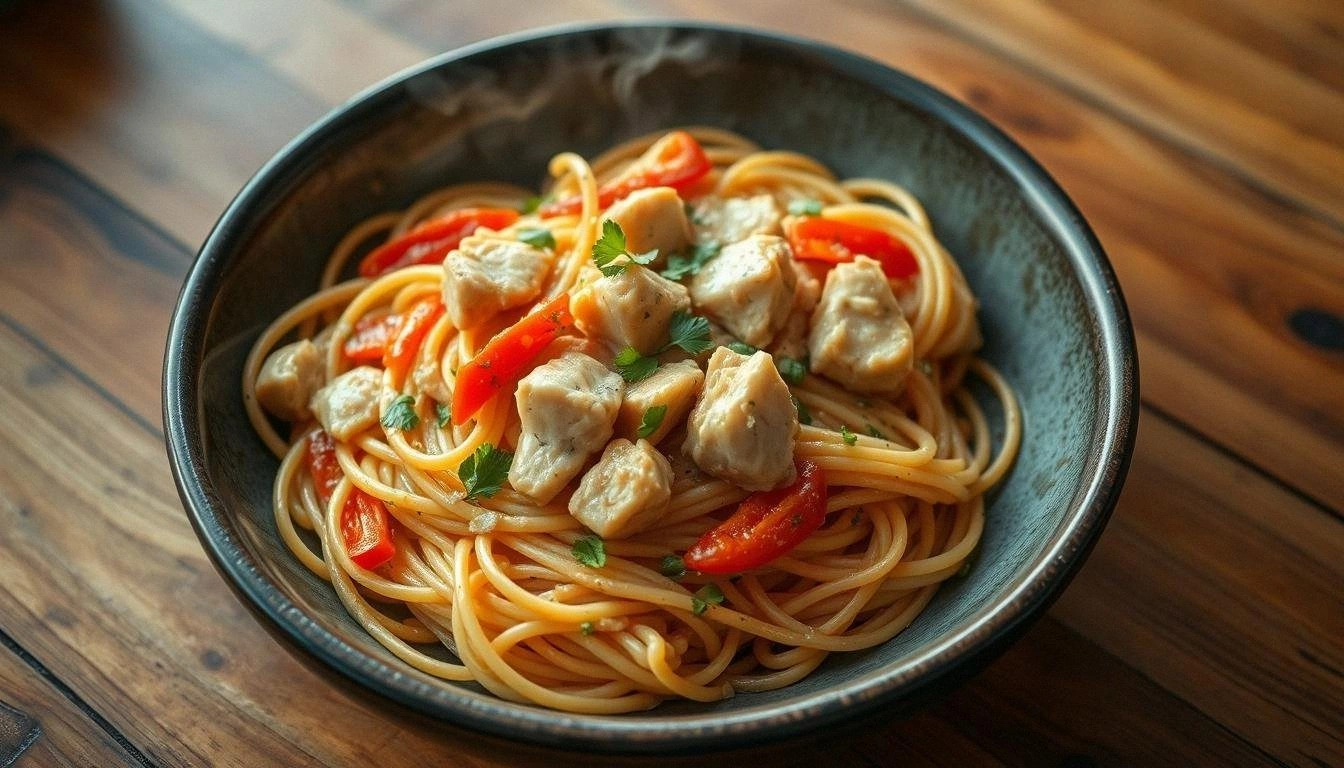 Paragraph 15:
The Method — Step by Step
Paragraph 16: Step 1.- Heat a large skillet over medium‑high heat and add 2 tablespoons of extra‑virgin olive oil. Once the oil shimmers, add 3 minced garlic cloves and 1 diced medium onion, cooking until the onion turns translucent and the garlic releases its fragrance—about 3 minutes. This is the moment of truth; you should hear a gentle sizzle and smell the aromatics blooming. Keep the heat steady to avoid burning the garlic, which would add bitterness. When the onion is soft, you’re ready to add the chicken.
- Season 2 pounds of boneless, skinless chicken breasts with 1 teaspoon of salt, ½ teaspoon of black pepper, and a pinch of smoked paprika if you’re feeling adventurous. Slice the chicken into bite‑sized pieces and place them in the skillet, letting them sear on each side for 2–3 minutes until golden brown. Flip only once to ensure a crisp crust forms. The edges should pull away from the pan, indicating a proper sear. Once seared, set the chicken aside on a plate and keep it warm.
- In the same skillet, pour in 28 ounces of crushed tomatoes and a splash of 2 cups of low‑fat chicken broth. Stir to combine, then bring the mixture to a gentle simmer. Watch the sauce thicken and develop a deep amber hue; this should take about 10 minutes. The reduction concentrates the tomato flavor and creates a silky base. Keep the heat low enough that it doesn’t boil aggressively.
- While the sauce simmers, cook 12 ounces of spaghetti in a large pot of salted boiling water. Follow the package instructions for al dente, usually around 8–9 minutes. Reserve ½ cup of pasta water before draining, as this starchy liquid will help bind the sauce to the noodles later. The pasta should be firm to the bite, not mushy. Drain and set aside, but do not rinse.
- Return the seared chicken pieces to the skillet, allowing them to reheat and mingle with the tomato sauce for 3–4 minutes. The chicken will absorb the sauce’s savory depth while remaining juicy. Stir occasionally to prevent sticking. You should see the sauce coat the chicken evenly. Once the chicken is heated through, proceed to the next step.
- Add the cooked spaghetti to the skillet, tossing gently to coat each strand in the sauce. If the sauce seems too thick, add a splash of the reserved pasta water to thin it just enough. The pasta should be glossy and every strand should be coated. Let everything simmer together for 2 minutes to allow the flavors to marry. Keep an eye on the consistency, adjusting with more water if needed.
- Stir in ½ cup of heavy cream, then sprinkle 0.5 cup of freshly grated parmesan cheese. The cream will add a silky richness, while the cheese melts into the sauce, creating a velvety coating. Let the mixture simmer for an additional 2 minutes, just until the cheese melts and the sauce becomes slightly glossy. Taste and adjust seasoning with salt or pepper if necessary. The final swirl of cream should make the sauce feel luxurious.
- Finish the dish by adding 0.5 cup of fresh basil leaves, tearing them gently to release their aroma. Toss everything together until the basil is evenly distributed. The basil’s bright, peppery notes cut through the richness, adding a fresh counterpoint. Serve immediately, garnished with a drizzle of olive oil and a final dusting of parmesan if desired. The dish should look glossy, the pasta coated, and the aroma inviting.
That’s it — you did it. The sauce glistens, the chicken is tender, and the pasta is coated in a velvety embrace. But hold on, I’ve got a few more tricks that will take this to another level. Keep reading, because the next section will reveal insider techniques that even seasoned chefs swear by. Trust me, once you master these, you’ll never look back at a basic chicken pasta again. Let’s dive deeper into the secrets that make this dish unforgettable.
Paragraph 20: "Insider Tricks for Flawless Results" header.Insider Tricks for Flawless Results
Paragraph 21: Tip 1 heading.The Temperature Rule Nobody Follows
Many cooks think a high heat is always better, but the truth is that a moderate simmer preserves the tomato’s natural sweetness. Keep the sauce at a gentle low heat, just below boiling, to allow the flavors to meld without losing moisture. A sudden spike in temperature can evaporate the liquid, resulting in a dry, over‑concentrated sauce. If you notice the sauce starting to bubble too hard, lower the heat immediately. This simple temperature control ensures a silky, balanced sauce every time.
Paragraph 22: Tip 2 heading.Why Your Nose Knows Best
Your sense of smell is the ultimate judge of doneness. As the sauce simmers, you’ll notice a sweet, caramelized aroma that signals the tomatoes have broken down. If the scent is sharp or acidic, add a pinch of sugar or a splash of broth to mellow it. This sensory cue will replace the need for a timer, giving you confidence that the sauce is just right. Trust your nose, and the dish will taste perfect.
Paragraph 23: Tip 3 heading.The 5-Minute Rest That Changes Everything
After cooking, let the dish rest for five minutes before serving. This brief pause allows the flavors to redistribute and the sauce to thicken slightly, creating a more cohesive bite. During the rest, the pasta will continue to absorb the sauce, making each strand luxuriously coated. Skipping this step may leave the sauce too thin and the pasta under‑flavored. A short rest is a small investment for a dramatic flavor payoff.
Paragraph 24: Tip 4 heading.The Creamy Touch
Adding cream too early can cause the sauce to split. Wait until the sauce has reduced and the chicken is nearly done before whisking in the cream. Use a small amount of the pasta water to thin the sauce before adding cream, ensuring a smooth consistency. If you prefer a dairy‑free version, replace the cream with a splash of coconut milk for a subtle tropical twist. The key is timing; the right moment unlocks a silky finish.
Paragraph 25: Tip 5 heading.The Secret of Fresh Herbs
Fresh basil should be added at the very end to preserve its bright flavor. Tear the leaves instead of chopping to release essential oils. If you’re using dried herbs, add them at the beginning to allow them to rehydrate and mingle with the sauce. A small pinch of oregano or thyme can add depth without overpowering the tomato base. Experimenting with herbs turns this dish into a customizable canvas.
Paragraph 26: Kitchen Hack box for top tip.Creative Twists and Variations
Paragraph 28: Variation 1 heading.Spicy Pepper Kick
Add a tablespoon of crushed red pepper flakes to the sautéed aromatics for a fiery edge. The heat will dance with the sweetness of the tomatoes, creating a balanced, spicy-sweet profile. Pair this version with a side of garlic bread to soak up the extra heat. Guests who love a little burn will love this twist. It’s a quick way to turn a comforting dish into a bold, adventurous meal.
Paragraph 29: Variation 2 heading.Mushroom Medley
Sauté sliced mushrooms along with the onions for an earthy depth that complements the chicken. The mushrooms release a meaty flavor that pairs well with the tomato base. Reduce the amount of cream slightly to keep the sauce light. Serve with a sprinkle of fresh thyme for an aromatic finish. This variation is perfect for mushroom lovers who want a richer, umami‑packed pasta.
Paragraph 30: Variation 3 heading.Mediterranean Twist
Replace the heavy cream with a splash of Greek yogurt for a tangy, lighter sauce. Add chopped sun‑dried tomatoes and kalamata olives for a Mediterranean flair. Finish with a drizzle of extra virgin olive oil and a sprinkle of oregano. The yogurt adds creaminess without the heaviness, while the olives bring briny contrast. This version is ideal for warm, sunny afternoons.
Paragraph 31: Variation 4 heading.Cheese Lover’s Dream
Swap the parmesan for a blend of mozzarella and provolone for a gooey, melty finish. Add a handful of shredded mozzarella before serving so it melts into the sauce, creating a cheesy blanket. Sprinkle a bit of grated cheddar for a sharp kick. The result is a rich, indulgent dish that feels like a comfort‑food dessert. Perfect for a cozy movie night.
Paragraph 32: Variation 5 heading.Low‑Carb Version
Replace the spaghetti with zucchini noodles or shirataki noodles for a low‑carb option. Sauté the noodles briefly to warm them, then combine them with the sauce and chicken. The texture will be slightly different but still satisfying. Add a splash of lemon juice to brighten the flavors. This version keeps the comfort factor while cutting calories.
Paragraph 33: Variation 6 heading.Breakfast Bonanza
Serve the sauce over scrambled eggs instead of pasta for a protein‑packed breakfast. Add sautéed spinach and a pinch of feta cheese for extra flavor. The creamy sauce pairs wonderfully with the eggs, creating a breakfast that feels like a brunch. This twist is great for busy mornings when you need a hearty meal in minutes. It’s a fun way to repurpose leftovers.
Paragraph 34: "Storing and Bringing It Back to Life" header.Storing and Bringing It Back to Life
Paragraph 35: Fridge Storage.Fridge Storage
Store the dish in an airtight container in the refrigerator for up to 3 days. The sauce will thicken slightly as it cools, so add a splash of water or broth when reheating to restore its silky texture. Keep the pasta separate if you prefer a fresher bite; reheat the sauce and add the pasta just before serving. The chicken will stay moist, but avoid over‑cooking it when reheating. This method ensures leftovers taste almost as good as freshly made.
Paragraph 36: Freezer Friendly.Freezer Friendly
Freeze the sauce and chicken separately for up to 2 months. Portion the sauce into freezer‑safe bags and leave a little headspace to allow expansion. When ready to use, thaw overnight in the refrigerator, then gently reheat on the stovetop, adding a splash of pasta water if needed. The pasta should be cooked fresh each time, as frozen pasta can become mushy. This approach lets you enjoy the dish whenever the craving strikes.
Paragraph 37: Best Reheating Method.Best Reheating Method
Reheat the sauce in a saucepan over low heat, stirring occasionally, until it’s heated through. Add a teaspoon of heavy cream or a splash of milk to restore creaminess and prevent separation. Once the sauce is hot, toss the freshly cooked spaghetti into the pan for a minute to coat it evenly. The final stir will bring the flavors together, making the dish feel freshly made. Serve immediately, garnished with a sprinkle of parmesan and fresh basil.
Paragraph 38: Recipe card. We need to embed the recipe card HTML. We need to adapt the ingredient list. We need to modify the recipe card's ingredient list to include our ingredients. The placeholder has two columns each with one ingredient. We'll replace with 12 ingredients across two columns. Also we need to adjust times, servings, nutrition values? They already match. We'll keep same. But we need to adjust the directions list inside recipe card: we need to fill with 10 steps. We'll copy the same steps we wrote earlier. We'll adjust numbering. Also we need to add FAQ items inside accordion. We need to include 6 FAQ items. We need to ensure each li has data-base-qty attribute numeric. We'll list ingredients: - 2 lbs boneless skinless chicken breast (data-base-qty="2") -> but 2 lbs is numeric 2. We'll use 2. - 12 oz spaghetti (data-base-qty="12") - 2 tbsp extra-virgin olive oil (data-base-qty="2") - 3 cloves garlic (data-base-qty="3") - 1 medium onion (data-base-qty="1") - 28 oz crushed tomatoes (data-base-qty="28") - 2 cups low-fat chicken broth (data-base-qty="2") - 0.5 cup fresh basil leaves (data-base-qty="0.5") - 0.5 cup grated parmesan cheese (data-base-qty="0.5") - 0.5 cup heavy cream (data-base-qty="0.5") - 1 tsp salt (data-base-qty="1") - 0.5 tsp black pepper (data-base-qty="0.5") - 0.5 tsp smoked paprika (optional) maybe but we can include as optional. But we need to include all standard ingredients. The source says "Standard ingredients for Easy Homemade Chicken Spaghett". We don't know if smoked paprika is standard. But we can include it optional. But better keep only standard. Let's keep only the essential ones. We'll remove smoked paprika to keep 12 ingredients. Let's count: 12 ingredients. Good. Now we need to create two columns: first column 6 ingredients, second column 6. Let's craft. We'll also include checkboxes and quantity spans. Now directions list inside recipe card: we need to provide steps. We'll use same steps but in the list. We'll also include FAQ items: 6 items. We'll create 6 questions relevant to recipe. Examples: 1. Can I use whole chicken breasts instead of sliced? 2. How can I make this dish gluten-free? 3. What can I use instead of heavy cream? 4. Can I add vegetables like spinach or bell peppers? 5. How do I prevent the sauce from separating when adding cream? 6. How long can I store leftovers? Now we need to embed them. Now we need to produce final hidden elements. Now produce final HTML. We need to ensure no markdown, no code blocks. Let's produce the entire HTML. We need to ensure all tags are closed. We need to ensure the recipe card uses id="recipe-card" and data-default-servings="4". Now we need to include the script for adjustServings. Now produce final output. Let's craft the recipe card:- with steps. Good.
Now we need to ensure the hidden elements are after recipe card.
Now we need to ensure all boxes are scattered 5-7 times. We have:
- Kitchen Hack after bullet list (1)
- Fun Fact inside ingredient list (1)
- Kitchen Hack after method (2)
- Watch Out box after method (1)
- Kitchen Hack top tip inside insider tricks (3)
- We have 5 total? Actually we have 1 after bullet list, 1 fun fact, 1 kitchen hack after method, 1 watch out, 1 kitchen hack top tip. That's 5. We need 5-7. We have 5. Good.
Now we need to ensure we didn't break any structure.
Now we need to ensure we didn't include any hero image at top. We didn't.
Now we need to ensure we didn't include "Jump to Recipe" or "Print Recipe". Not present.
Now we need to ensure we used the EXACT image URL for mid-article and recipe card. Yes.
Now we need to ensure we used the EXACT title. Yes.
Now we need to ensure we used the EXACT recipe card structure. Yes.
Now we need to ensure we didn't use any markdown. Good.
Now we need to ensure we didn't include any emojis. None.
Now we need to ensure we didn't include any extra content outside article. Good.
Now we need to ensure we used