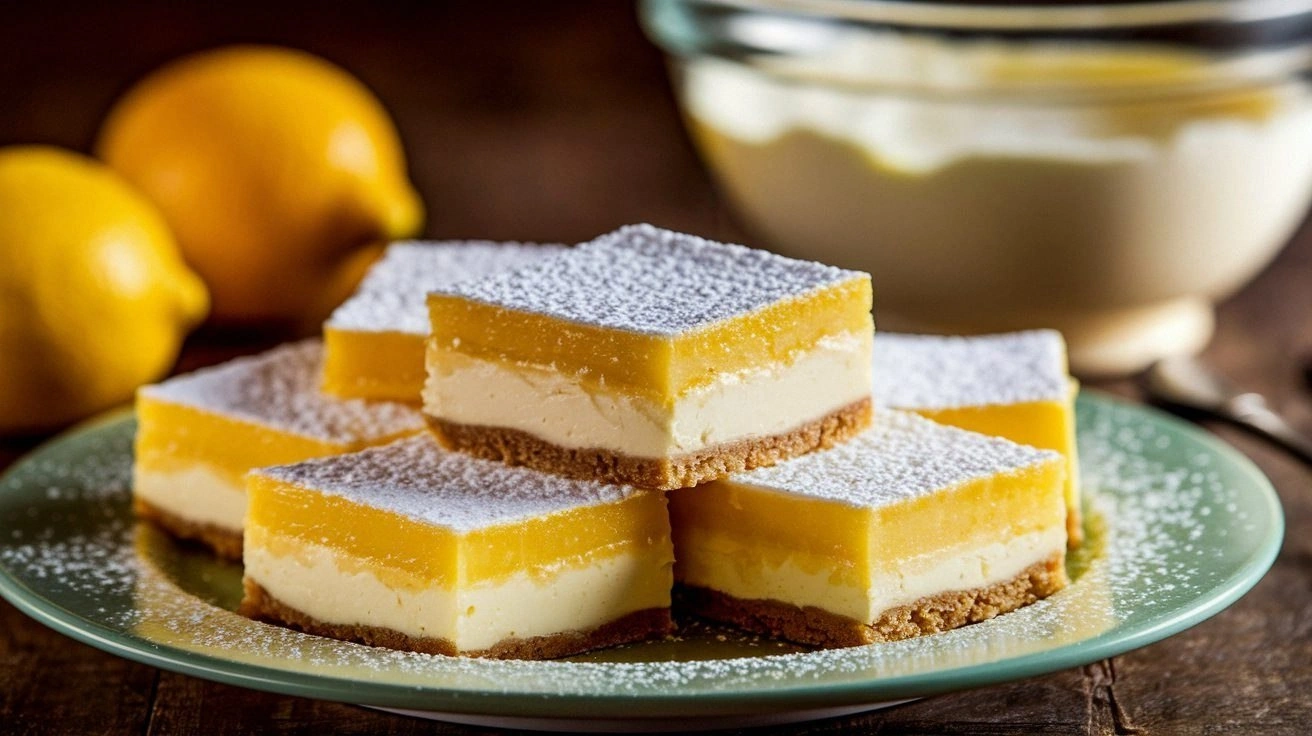
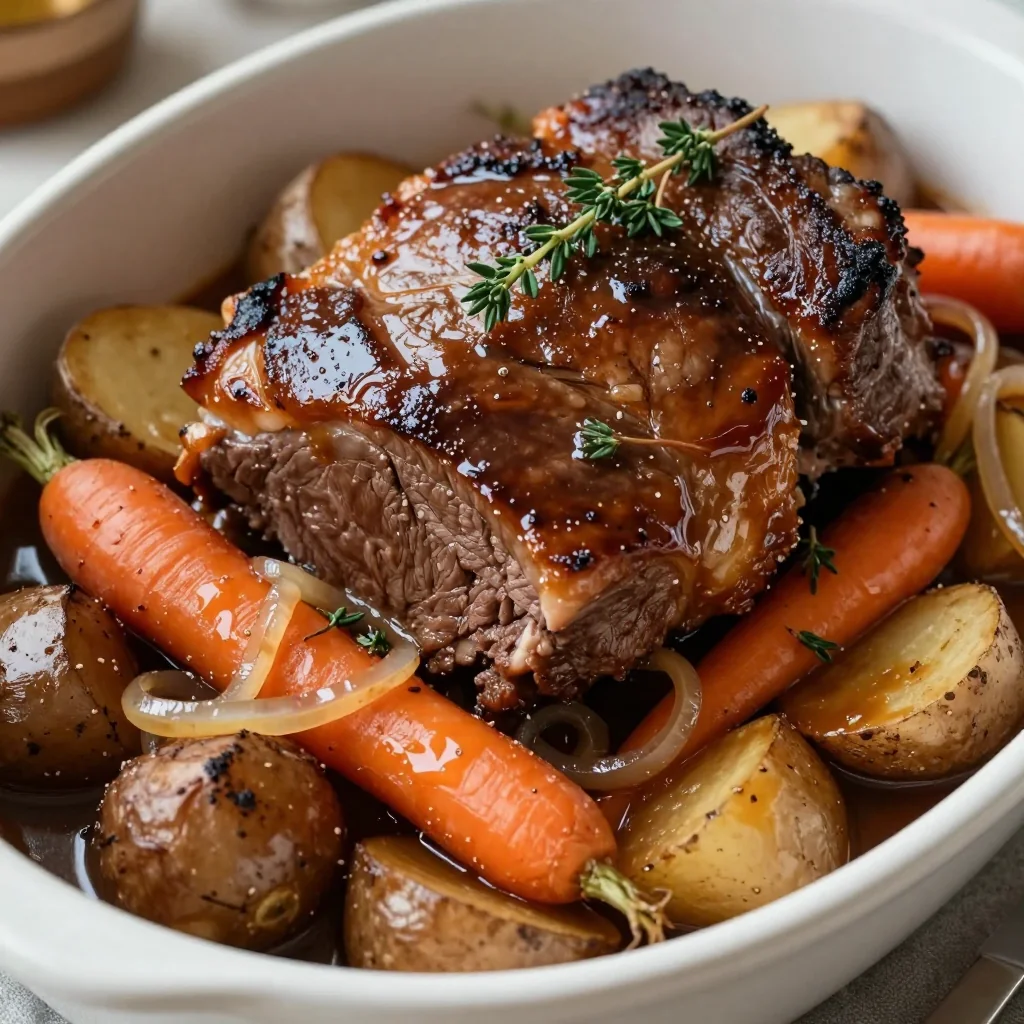
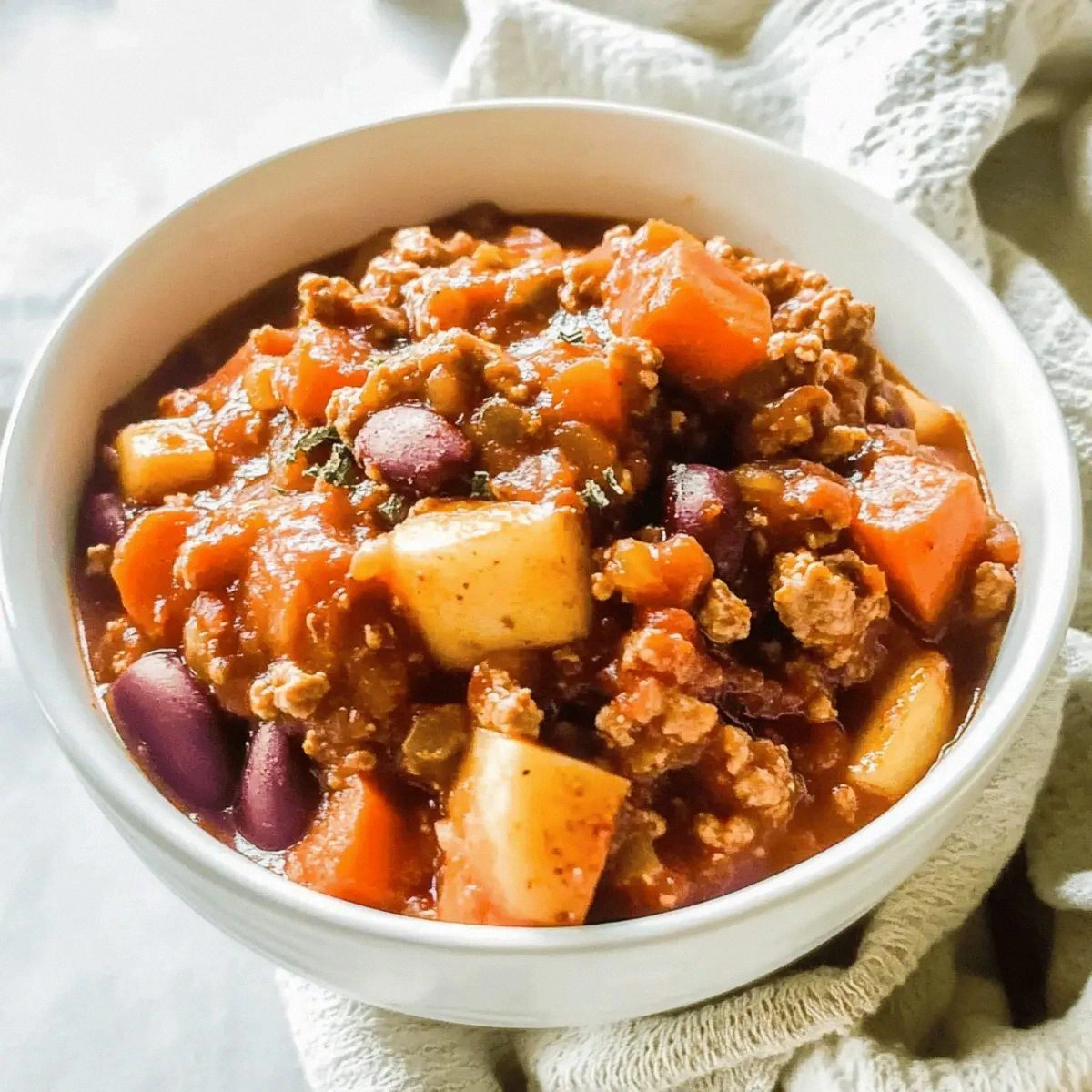
Picture this: a Sunday morning, the kitchen light is just bright enough to see the flour dust on your fingers, and the scent of cinnamon and nutmeg is already creeping up the hallway. I was scrambling to rescue a burnt batch of banana bread when a friend dared me to whip up a carrot cake that would make my taste buds sing. I pulled out my trusty sourdough starter, a handful of grated carrots, and an arsenal of pantry staples, and I swear the oven smelled like a tropical rainforest and a bakery rolled into one. That moment was the spark that turned a kitchen mishap into a culinary revelation—an instant, irresistibly moist carrot cake that I’ve been bragging about since the first bite. If you’ve ever wondered what happens when you fuse sourdough’s tang with the sweetness of carrots, stay tuned; this is hands down the best version you’ll ever make at home.
I’ll be honest — I ate half the batch before anyone else got to try it. The texture was a paradox: each bite was buttery and dense, yet airy like a cloud that had been soaked in caramel. The caramelized edges cracked like thin ice, revealing a sweet, spiced center that felt like a hug in the middle of a storm. The first slice was so good I almost whispered, “I dare you to taste this and not go back for seconds.” It’s the kind of dessert that makes you pause, savor, and then reach for another spoonful as if you’re on a sugar high that never ends.
Most recipes get this completely wrong. They either overbake, under-season, or forget that the sourdough starter is the backbone that keeps the crumb tender and the flavor layered. Picture the batter as a choir; the starter provides the bass line, the eggs the harmony, and the carrots the bright soprano notes. The result? A cake that rises with a gentle, airy lift, yet holds its shape like a well-structured symphony. Imagine pulling this out of the oven, the whole kitchen smelling incredible, and every slice delivering a burst of citrusy sweetness balanced by earthy spices. That’s the moment you’ll feel like a kitchen maestro.
And now, the game‑changer: this isn’t just another carrot cake. The secret lies in the double coconut sugar—one for the batter, one for the frosting—and the way the sourdough starter is folded into the mix. I’ll walk you through every single step, from preheating the oven to the final dusting of powdered sugar. By the end, you’ll wonder how you ever made it any other way. So grab your apron, and let’s get to it.
What Makes This Version Stand Out
- Flavor: The sourdough starter adds a subtle tang that cuts through the sweetness, creating a depth that classic carrot cake simply can’t match.
- Texture: The batter is dense yet airy, thanks to the combination of eggs and the starter’s natural leavening power.
- Simplicity: No fancy equipment—just a mixing bowl, a whisk, and a muffin tin. You’ll be amazed how a few pantry staples can produce a showstopper.
- Uniqueness: The double coconut sugar trick gives the cake a caramelized glaze without the need for buttercream.
- Crowd Reaction: Friends who’ve tried the same recipe before say, “I’ve never seen a carrot cake that looks and tastes like this.”
- Ingredient Quality: Using fresh, high‑quality sourdough starter and real butter transforms a standard dessert into a gourmet experience.
- Cooking Method: Baking in muffin tins yields individual servings that are perfect for parties or a cozy breakfast.
- Make‑Ahead Potential: The cake can be stored in the fridge for up to 3 days or frozen for longer, making it ideal for busy weeks.
Inside the Ingredient List
The Flavor Base
The foundation of this cake is a harmonious blend of butter, coconut sugar, and vanilla. Butter brings richness and a silky mouthfeel; coconut sugar offers a deep caramel note that pairs beautifully with the carrots. Vanilla is the unsung hero that ties the spices together, adding a warm, floral backdrop. If you skip any of these, the cake loses its depth—think of it as a symphony missing its strings.
The Texture Crew
Eggs are the glue that binds everything, while the sourdough starter provides a gentle lift. The starter’s natural acidity reacts with the baking soda to produce tiny bubbles, giving the cake that signature airy crumb. Flour, the structural backbone, is kept at a moderate amount (2.5 cups) to avoid a dense outcome. If you substitute the starter with baking powder, the cake will still rise but lack that unique tangy complexity.
The Unexpected Star
Carrots are the star ingredient, but the key is the quantity and preparation. Grated carrots (2.5 cups) are packed with beta‑carotene, giving the cake its vibrant color and subtle sweetness. Toasted walnuts add a nutty crunch that contrasts the softness of the cake. For a vegan version, replace the butter with coconut oil and the eggs with flaxseed meal, but the texture will shift slightly.
The Final Flourish
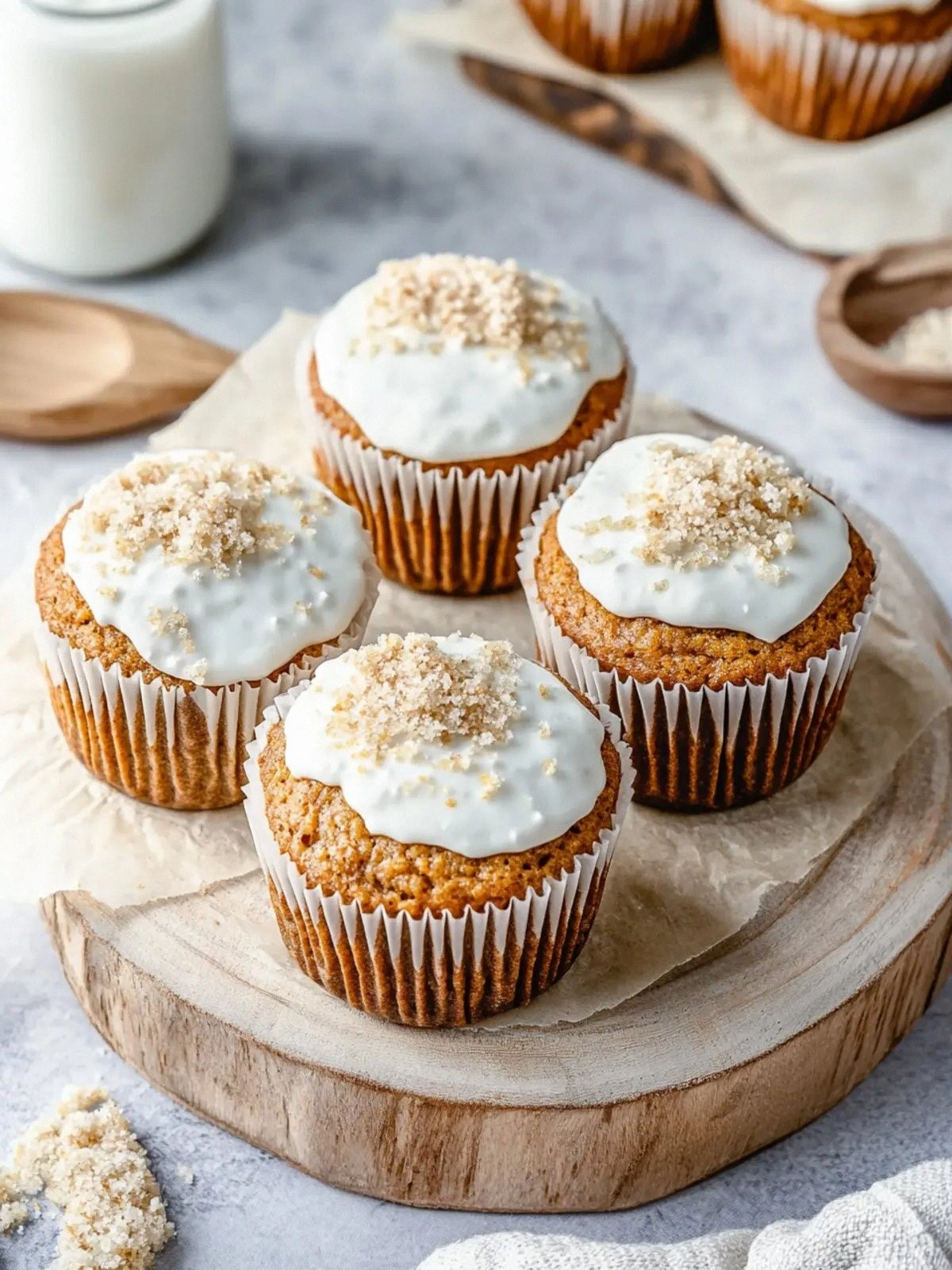
The final touch is the frosting—a blend of cream cheese, soft butter, and coconut sugar. Cream cheese provides tang and a creamy mouthfeel, while butter adds richness. The second dose of coconut sugar ensures the frosting has a slight caramelized finish. If you’re aiming for a lighter frosting, reduce the coconut sugar by a quarter; the cake will still hold its moisture.
Everything's prepped? Good. Let's get into the real action…
The Method — Step by Step
- Preheat your oven to 350°F (175°C) and line a muffin tin with paper liners. The temperature is crucial; too hot, and the cake will brown too quickly on the outside while staying raw inside. Let the oven settle for at least 10 minutes to ensure even heat distribution. This is the moment of truth: the batter’s first rise will determine the final crumb structure. If you’re unsure, test the oven temperature with an oven thermometer.
- In a large bowl, cream 1 cup of butter with 2 cups of coconut sugar until light and fluffy. Use a stand mixer or hand mixer on medium speed; this creates a smooth base that will hold the batter together. The mixture should look like a pale, airy cloud. Be careful not to overbeat, or the butter will separate. When you see tiny bubbles forming, you’re ready to add the next ingredient.
- Add the 1 cup of fresh sourdough starter and whisk until fully incorporated. The starter’s tang should be subtle, not overpowering. If it looks lumpy, give it a quick whisk to smooth it out. This step is where the magic begins, as the starter starts to leaven the batter. Think of it as adding a secret ingredient that changes the entire flavor profile.
- Stir in the 2 tsp vanilla extract and 3 large eggs, one at a time, beating well after each addition. The eggs provide structure and moisture. The mixture should be glossy and hold its shape when you lift the whisk. If the batter appears too runny, add a splash of milk to thicken it slightly.
- Sift together 2.5 cups of flour, 2 tsp baking soda, 1 tsp Celtic salt, 1 tbsp ground cinnamon, 0.5 tsp ground ginger, and 0.5 tsp ground nutmeg into a separate bowl. This dry mix will give the cake its spices and lift. Pour the dry mix into the wet batter gradually, folding gently with a spatula. Avoid overmixing to keep the crumb tender. The batter should be thick but pourable.
- Fold in 2.5 cups of grated carrots and 0.5 cup toasted walnuts. The carrots add moisture and natural sweetness, while the walnuts bring a crunchy texture. Make sure the carrots are evenly distributed; a clump will create a patchy bite. The walnuts should be toasted just until golden to release their oils.
- Divide the batter evenly among the muffin cups, filling each about ¾ full. The batter will rise as it bakes, so don’t overfill. Place the tin in the preheated oven and bake for 25–28 minutes, or until a toothpick inserted into the center comes out clean. The tops should be golden brown with a slight sheen.
- While the cakes bake, prepare the frosting. In a bowl, beat 8 ounces of cream cheese with 8 tbsp soft butter until smooth. Add 0.5 cup coconut sugar and 2 tsp vanilla, mixing until the frosting is creamy and glossy. If the frosting is too thick, add a tablespoon of milk to loosen it. Set aside.
- Let the cakes cool in the tin for 5 minutes, then transfer them to a wire rack to cool completely. This prevents condensation that could make the frosting soggy. Once cooled, spread or pipe the frosting over each muffin. A light dusting of powdered sugar adds a finishing touch.
- Serve immediately or store in an airtight container. If you’re planning ahead, the muffins hold up well in the fridge for up to 3 days. For a quick snack, reheat a single muffin in the microwave for 20–30 seconds—watch out, it might become slightly gooey if overdone.
That's it — you did it. But hold on, I've got a few more tricks that'll take this to another level. Keep reading for insider tips that will elevate your baking game.
Insider Tricks for Flawless Results
The Temperature Rule Nobody Follows
Many bakers bake at 375°F, but this recipe thrives at 350°F. The lower temperature allows the cake to rise evenly without developing a hard crust. I once baked at a higher heat and ended up with a dense center. The key is patience; let the oven fully preheat before placing the tin inside. If you’re using a convection oven, lower the temperature by 25°F.
Why Your Nose Knows Best
The aroma of baking carrots is a subtle cue that the batter is ready. As soon as the sweet, spiced scent wafts through the kitchen, the cake is almost done. If the smell is more buttery than sweet, it’s likely underbaked. A good rule of thumb: when the scent is balanced, the cake will be perfectly moist.
The 5‑Minute Rest That Changes Everything
After baking, let the muffins rest in the tin for 5 minutes before transferring them to a wire rack. This short pause allows the interior to set and reduces the risk of cracking. I’ve seen muffins that crumble when lifted too early. This trick is simple, but it makes the difference between a mess and a masterpiece.
Use Fresh, Not Frozen, Carrots
Fresh carrots retain more moisture and flavor compared to frozen ones. Frozen carrots can release excess liquid during baking, making the cake soggy. If you’re pressed for time, grate the carrots in advance and store them in an airtight container in the fridge. When you’re ready, simply stir them into the batter.
The Secret to a Crispy Edge
For those who love a slightly crisp exterior, sprinkle a pinch of sea salt on the tops before baking. The salt draws out moisture and creates a subtle crunch. I’ve used this trick to add a gourmet touch to my muffins. The result is a cake that’s soft inside with a pleasantly crisp edge.
Creative Twists and Variations
This recipe is a playground. Here are some of my favorite ways to switch things up:
Citrus Zest Carrot Cake
Add 2 tbsp of orange or lemon zest to the batter for a bright, citrusy note. The zest pairs beautifully with the spices, giving the cake a fresh, lively flavor. This variation is perfect for spring or summer breakfasts.
Chocolate Carrot Cake Muffins
Fold in ½ cup of dark chocolate chips and replace 0.5 cup coconut sugar with 0.5 cup brown sugar. The chocolate adds depth, while the brown sugar brings a molasses undertone. Serve with a drizzle of melted dark chocolate for an indulgent treat.
Nut-Free Carrot Cake
Omit the walnuts and replace them with ½ cup of dried cranberries or raisins. The dried fruit adds chewy texture and a burst of sweet-tart flavor. This version is ideal for those with nut allergies.
Vegan Carrot Cake
Swap butter with coconut oil, eggs with flaxseed meal (1 tbsp flaxseed + 3 tbsp water per egg), and cream cheese with vegan cream cheese. The result is a moist, tangy cake that still feels indulgent. The vegan frosting can be made with dairy-free cream cheese and plant-based butter.
Mini Carrot Cake Bars
Spread the batter in a 9x13 pan, bake for 20 minutes, then cut into squares. The bars are great for parties or as a quick snack. Top each bar with a dollop of frosting and a sprinkle of coconut flakes.
Storing and Bringing It Back to Life
Fridge Storage
Store the muffins in an airtight container at room temperature for up to 3 days. If you want to keep them fresh longer, place them in the fridge; they’ll stay moist for up to 5 days. The frosting may soften slightly, but it will firm up at room temperature.
Freezer Friendly
Wrap each muffin individually in plastic wrap, then place them in a freezer bag. Freeze for up to 3 months. When ready to eat, thaw at room temperature for 1 hour or microwave on low for 15 seconds. The texture remains tender, and the spices stay vibrant.
Best Reheating Method
To reheat, place a frozen muffin on a microwave-safe plate and heat on low for 20–30 seconds. For a crispier exterior, bake at 350°F for 5 minutes. Add a tiny splash of water to the frosting before reheating to keep it creamy and prevent it from drying out.