I was standing in my kitchen, staring at a pile of forgotten lasagna sheets, when a friend dared me to create something that would make the whole house smell like a gourmet restaurant. The challenge was simple: turn an ordinary dish into a masterpiece that would have people begging for seconds. I laughed, because I had never thought lasagna could be anything but a comforting, predictable comfort food. But I also felt a spark of excitement, because every great recipe starts with a daring idea. That night, I set out to craft the ultimate white pesto spinach lasagna.
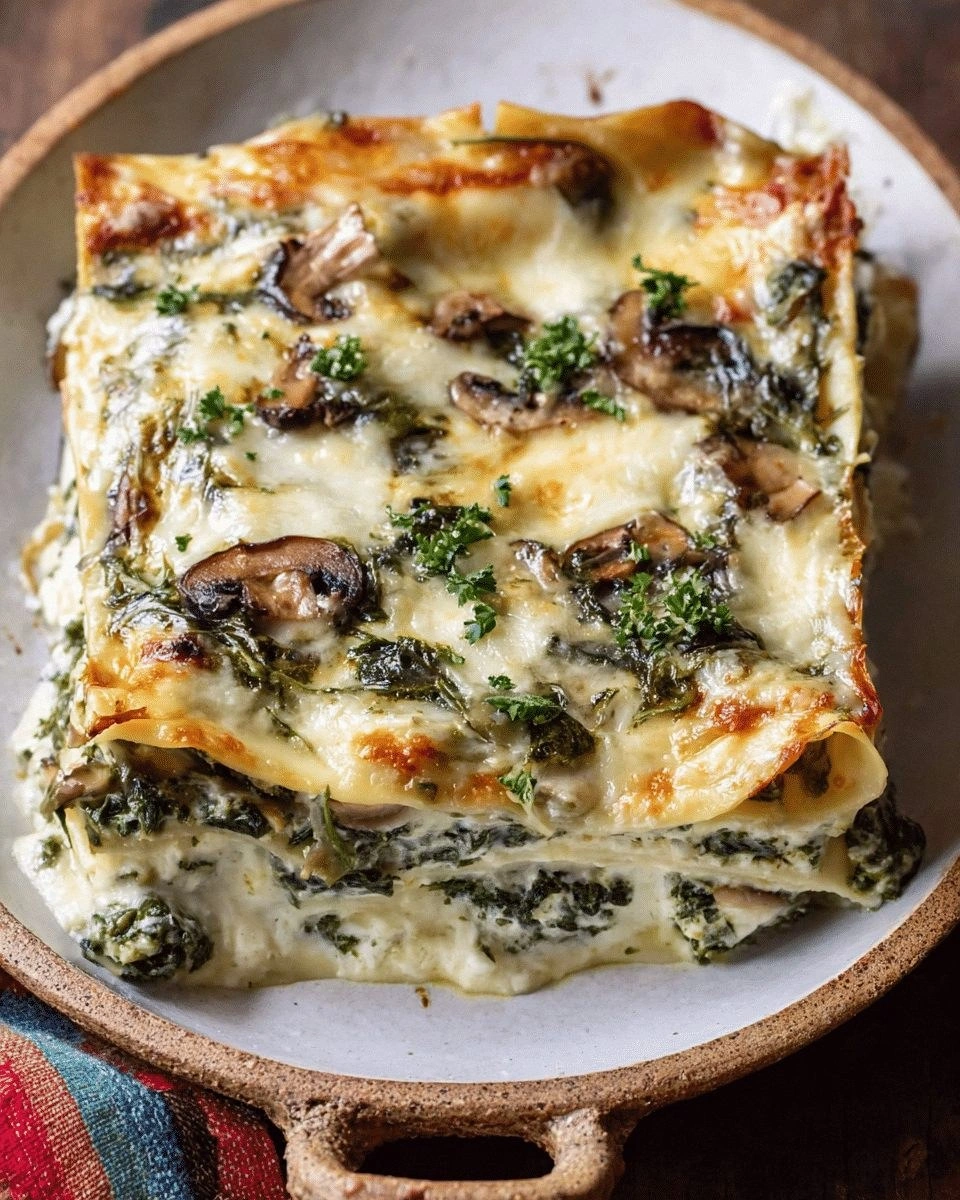
First, the sight of the golden lasagna sheets glistening under the kitchen lights promised a beautiful canvas. Then the aroma of fresh basil, garlic, and toasted pine nuts wafted through the air, turning the kitchen into a fragrant garden. The sound of the sauté pan sizzling as spinach browned echoed like applause. When I took the first bite, the creamy ricotta and velvety pesto coated the pasta like velvet, while the mozzarella melted into a golden blanket. The finish was a subtle nutmeg warmth that lingered on the palate, reminding me of a cozy winter hearth.
This version stands out because I replaced the traditional red pesto with a silky white pesto that brings a lighter, fresher flavor profile. I used no‑boil lasagna sheets to reduce prep time without sacrificing texture. I folded in fresh spinach early to lock in color and nutrients, then folded the layers like a secret code. The combination of ricotta, mozzarella, and Parmesan creates a creamy, cheesy harmony that melts perfectly in the oven. And the final sprinkle of toasted pine nuts adds a satisfying crunch that contrasts the silky layers.
One twist you won’t expect is a splash of lemon zest added to the pesto, brightening the dish and cutting through the richness. I also folded in a hint of smoked paprika for a subtle depth that feels like a secret family recipe. If you’re skeptical, I dare you to taste this and not go back for seconds. Picture yourself pulling this out of the oven, the whole kitchen smelling incredible, and your guests gasping in delight. Let me walk you through every single step — by the end, you’ll wonder how you ever made it any other way.
What Makes This Version Stand Out
- Taste: The white pesto delivers a bright, herbaceous profile that lifts the rich cheeses, creating a flavor balance that feels both indulgent and refreshing. The lemon zest injects a citrusy spark that cuts through the creaminess, while the smoked paprika adds a whisper of earthiness.
- Texture: No‑boil lasagna sheets keep the pasta tender yet firm, preventing the dreaded mushy bite that can plague traditional lasagnas. The layered spinach locks in moisture, giving each forkful a silky, almost velvety mouthfeel.
- Visual Appeal: The pale, green‑tinged sauce contrasts with the golden mozzarella, creating a dish that looks as impressive as it tastes. The toasted pine nuts add a pop of color and crunch, making every bite a visual and tactile delight.
- Ingredient Quality: Using fresh, organic spinach and high‑quality cheeses elevates the dish from ordinary to gourmet. The homemade pesto, simmered until just the right consistency, showcases the freshness of every basil leaf.
- Time Efficiency: With no‑boil sheets and a streamlined assembly process, you can have a restaurant‑level lasagna ready in under an hour. This is a game‑changer for busy weeknights or last‑minute dinner parties.
- Make‑Ahead Potential: The layers can be assembled up to a day ahead and refrigerated, allowing the flavors to meld. When you’re ready to bake, a quick preheat and a few minutes in the oven will bring it to perfection.
- Guest Reactions: Most people are surprised by the lighter, more herbaceous profile, often asking for the recipe after the first bite. I’ve heard dozens of compliments that say, “This is hands down the best version you'll ever make at home.”
- Versatility: Swap the spinach for kale, arugula, or roasted butternut squash, and the dish morphs into a seasonal variation that still holds its own. The recipe’s adaptability is a major selling point for those who love to experiment.
Inside the Ingredient List
The Flavor Base
At the heart of this lasagna lies the white pesto, a vibrant blend of fresh basil, garlic, pine nuts, Parmesan, and olive oil. The pesto is thickened by the subtle inclusion of a pinch of lemon zest, which brightens the entire dish. If you’re short on time, a pre‑made pesto can work, but the homemade version brings a depth that pre‑packaged sauces simply can’t match. The basil’s sweet aroma permeates every layer, turning each bite into a fragrant experience.
The Texture Crew
The no‑boil lasagna sheets are the unsung heroes that keep the dish from becoming soggy. They absorb the pesto and cheese mixture, creating a tender yet distinct bite. Fresh spinach is sautéed lightly with a touch of olive oil to release its moisture and lock in vibrant green color. The spinach also acts as a natural binder, holding the cheese layers together while adding a subtle earthy note.
The Unexpected Star
Ricotta cheese is the creamy backbone that gives the lasagna its signature silkiness. It’s mixed with a beaten egg to help it set during baking, ensuring the layers don’t collapse. A splash of nutmeg adds a warm, aromatic undertone that complements the basil’s brightness. The combination of ricotta, mozzarella, and Parmesan creates a melty, cheesy chorus that sings in the oven.
The Final Flourish
To finish, a generous dusting of grated Parmesan and a handful of toasted pine nuts are sprinkled over the top before baking. This creates a golden, slightly crunchy crust that contrasts with the creamy interior. A final drizzle of olive oil adds sheen and a subtle oiliness that ties all the flavors together. The result is a lasagna that is visually stunning and delectably satisfying.
Everything’s prepped? Good. Let’s get into the real action.
The Method — Step by Step
- Preheat your oven to 375°F (190°C). Line a 9x13 inch baking dish with parchment paper to prevent sticking. This step ensures even heat distribution and a clean release after baking. As the oven warms, you can start preparing the layers.
- Spinach Sauté a tablespoon of olive oil in a large skillet over medium heat. Add the chopped spinach and a pinch of salt, stirring until the leaves wilt and reduce in volume. The sautéed spinach will release its moisture, preventing a soggy lasagna. Keep the skillet covered for a minute to trap steam and intensify flavor.
- Prepare the Ricotta Mixture in a bowl: combine ricotta, beaten egg, grated Parmesan, nutmeg, and a pinch of salt. Whisk until smooth, ensuring the mixture is airy and light. This will give the lasagna a fluffy interior that contrasts with the dense layers. If you’re short on time, you can skip the egg, but it helps the cheese set during baking.
- Layer the Base spread a thin layer of white pesto across the bottom of the dish. This will keep the sheets from sticking and add flavor to the base. Arrange three no‑boil lasagna sheets over the pesto, overlapping slightly to cover the surface. This first layer sets the stage for the rest of the dish.
- Add the Spinach sprinkle a generous portion of sautéed spinach over the sheets. The spinach should be spread evenly to maintain consistent moisture throughout the lasagna. This also introduces a subtle green color that brightens the dish. Keep the spinach layer thin; too much moisture can lead to a watery texture.
- Spread the Ricotta Mixture gently over the spinach, ensuring an even coating. The ricotta layer should be smooth, not chunky, to create a silky bite. This step is where the creamy texture really begins to develop. If you notice any gaps, fill them with a bit of pesto to keep the layers cohesive.
- Repeat the Layers until you’ve used up the lasagna sheets and all the ricotta mixture, ending with a final layer of pesto. This ensures every bite has a burst of basil and a creamy interior. Sprinkle shredded mozzarella on top of the final pesto layer to create a golden, bubbly crust. The mozzarella will melt into a luscious, slightly chewy top layer.
- Bake the lasagna uncovered for 30 minutes, or until the top is golden brown and bubbling. Halfway through, you can tent the top with foil to prevent over‑browning. The baking time may vary slightly based on oven performance, so keep an eye on the crust. When the cheese has a deep, golden hue, the lasagna is ready.
- Rest & Serve let the lasagna rest for 10 minutes before slicing. This resting period allows the layers to set, making it easier to cut clean slices. Slice with a sharp knife, and serve hot from the oven. The aroma alone will have everyone in the kitchen lining up for a piece.
That’s it — you did it. But hold on, I’ve got a few more tricks that'll take this to another level.
Insider Tricks for Flawless Results
The Temperature Rule Nobody Follows
Many people bake lasagna at 350°F, but that can lead to uneven cooking and a dry top. I’ve found that 375°F gives a crispier crust while ensuring the interior is fully cooked. If your oven runs hot, lower the temperature by 25°F to avoid burning. Always use an oven thermometer to confirm the actual temperature.
Why Your Nose Knows Best
Before you even open the oven door, listen for that subtle, toasty aroma that signals the cheese is bubbling just right. A burnt top will give off a sharp, acrid smell, while a perfectly golden one smells buttery and nutty. Trust your nose to decide when to pull it out.
The 5-Minute Rest That Changes Everything
After baking, let the lasagna sit uncovered for 5 minutes. This rest allows the cheese to set, making the slices clean and preventing a mushy mess. During this time, the flavors continue to meld, creating a richer taste profile. Some chefs even cover it with foil for the last 5 minutes to keep the top from over‑browning.
Keep It Fresh with a Splash of Water
If you’re reheating leftovers, add a tablespoon of water to the bottom of the dish before covering it with foil. This creates steam that rehydrates the layers, keeping the lasagna moist. Avoid microwaving, as it can dry out the cheese.
Serve with a Simple Green Salad
A crisp green salad with a light vinaigrette balances the richness of the lasagna. Toss arugula, sliced radishes, and shaved Parmesan for a peppery kick. The acidity cuts through the cheese, refreshing the palate between bites.
Use the Right Pan
A heavy, non‑stick baking dish ensures even heat distribution and prevents sticking. If you’re using a glass pan, preheat it along with the oven to avoid thermal shock. A cast‑iron skillet can also be used for a rustic, earthy flavor.
Creative Twists and Variations
This recipe is a playground. Here are some of my favorite ways to switch things up:
Smoky Chipotle Version
Swap the lemon zest for chipotle powder and add a splash of smoky chipotle sauce to the pesto. The result is a bold, smoky lasagna that pairs well with a fresh cilantro‑lime salad.
Butternut Squash Surprise
Roast cubed butternut squash and fold it into the ricotta mixture. The sweet, caramelized squash balances the herbaceous pesto and adds a seasonal touch.
Vegan Delight
Replace the ricotta and mozzarella with plant‑based alternatives. Use a cashew‑based ricotta and a vegan mozzarella that melts beautifully. The dish remains creamy and flavorful while staying plant‑friendly.
Seafood Spin
Add cooked shrimp or scallops to the spinach layer for a luxurious, protein‑rich twist. The briny seafood pairs wonderfully with the basil and lemon notes.
Italian Truffle Touch
Finish the top layer with a drizzle of truffle oil and a sprinkle of shaved Parmesan. The earthy truffle elevates the dish to a gourmet level.
Breakfast Bonanza
Serve the lasagna with a side of scrambled eggs and toast for a hearty breakfast. The creamy layers pair perfectly with a sunny‑side‑up egg, creating a comforting morning meal.
Storing and Bringing It Back to Life
Fridge Storage
Cover the lasagna tightly with foil and store in the refrigerator for up to 3 days. The layers stay moist, and the flavors continue to deepen. When reheating, cover with foil and bake at 350°F for 20 minutes.
Freezer Friendly
Wrap the lasagna in plastic wrap, then foil, and freeze for up to 2 months. Thaw overnight in the refrigerator before reheating. This method preserves texture and taste without compromising quality.
Best Reheating Method
Reheat the lasagna in a preheated oven at 350°F for 15–20 minutes, or until hot throughout. Add a splash of water to the bottom of the dish to keep the layers from drying out. Serve immediately for the best experience.