It started with a kitchen mishap that still makes me laugh every time I think about it. I had just bought a fresh cut of beef, ready to make a hearty stew, when I accidentally dropped a handful of the meat into the pot. The pan sputtered, the meat browned in a flash, and the aroma hit me like a sudden wave of comfort. That moment turned into a revelation: what if that accidental sear could become the signature flavor of a Greek beef stew that feels like a hug on a cold night? I was determined to turn that kitchen accident into a culinary triumph.
Picture the scene: the kitchen is a symphony of sizzling, the air thick with the scent of garlic and oregano. The sound of the pot bubbling is a steady drumbeat that keeps the rhythm of the dish alive. When you first bite, the beef is tender, the broth rich, and the lemon bright enough to cut through the heaviness. The texture of the bell pepper adds a subtle crunch, while the parsley brings a fresh herbal lift. This stew isn’t just about the ingredients; it’s about the way each element sings in harmony, creating a dish that feels like a warm blanket on a crisp evening.
I dare you to taste this and not go back for seconds. Most Greek stews I’ve tried were either too watery or lacked depth, but this version is hands down the best you’ll ever make at home. The secret? A simple technique that brings out the beef’s natural umami and a splash of lemon that keeps the flavors bright. It’s a recipe that feels like a conversation with a friend who’s been experimenting in the kitchen for years.
Let me walk you through every single step — by the end, you’ll wonder how you ever made it any other way. I’ll share the micro-challenge of seasoning the meat before searing, the bold claim that the broth will thicken into a velvety sauce, and the confession that I ate half the batch before anyone else got to try it. If you’ve ever struggled with achieving that perfect balance of savory and citrusy, you’re not alone — and I’ve got the fix. Picture yourself pulling this out of the pot, the whole kitchen smelling incredible, and your guests asking what the secret ingredient is.
What Makes This Version Stand Out
- Flavor: The combination of oregano, lemon, and paprika creates a depth that feels both rustic and refined. The acidity from the lemon brightens the stew, preventing it from feeling heavy.
- Texture: The beef is seared to lock in juices, resulting in a melt-in-your-mouth bite that contrasts with the crisp bell pepper. The broth thickens into a silky sauce that clings to the meat.
- Ease: With just a handful of pantry staples, you can have a restaurant-quality stew on the table in under an hour.
- Uniqueness: The addition of fresh lemon juice and a splash of paprika gives this dish a bright, smoky edge that sets it apart from classic Greek stews.
- Crowd-pleaser: Whether it’s a cozy family dinner or a gathering of friends, this stew receives rave reviews and repeat orders.
- Quality: Using a good cut of beef and fresh herbs ensures that each bite is packed with flavor.
- Method: The slow simmer after searing allows flavors to meld, while the final burst of lemon juice keeps the dish lively.
- Make‑ahead: It tastes even better the next day, making it a perfect weeknight dinner or a potluck staple.
Alright, let's break down exactly what goes into this masterpiece…
Inside the Ingredient List
The Flavor Base
At the heart of this stew is a robust flavor base that starts with olive oil, garlic, and onion. The olive oil provides a silky medium for the aromatics to sauté, while the minced garlic releases its pungency, creating a fragrant foundation. The onion, chopped into fine pieces, adds sweetness and depth. Together, these ingredients form the aromatic canvas that will carry the rest of the flavors.
The Texture Crew
Beef is the star of the show. I use a cut with a bit of marbling, like chuck or short rib, which becomes tender and flavorful when slow-cooked. The bell pepper, diced into bite-sized pieces, offers a gentle crunch that balances the stew’s richness. When the beef is seared first, it develops a savory crust; then, when it simmers, it becomes melt-in-your-mouth.
The Unexpected Star
Lemon juice is the unexpected star that gives this stew its signature brightness. Freshly squeezed lemon juice adds a bright, citrusy note that cuts through the richness of the beef and the depth of the broth. It’s a technique I learned from a Greek friend who swears by the “lemon kiss” that transforms a dish from good to unforgettable.
The Final Flourish
Fresh parsley and lemon wedges finish the stew with a pop of color and a burst of herbal freshness. The parsley, chopped finely, distributes its flavor evenly, while the lemon wedges provide a visual cue and a quick squeeze of citrus for each serving. Together, they elevate the dish from simple to spectacular.
Everything’s prepped? Good. Let’s get into the real action…
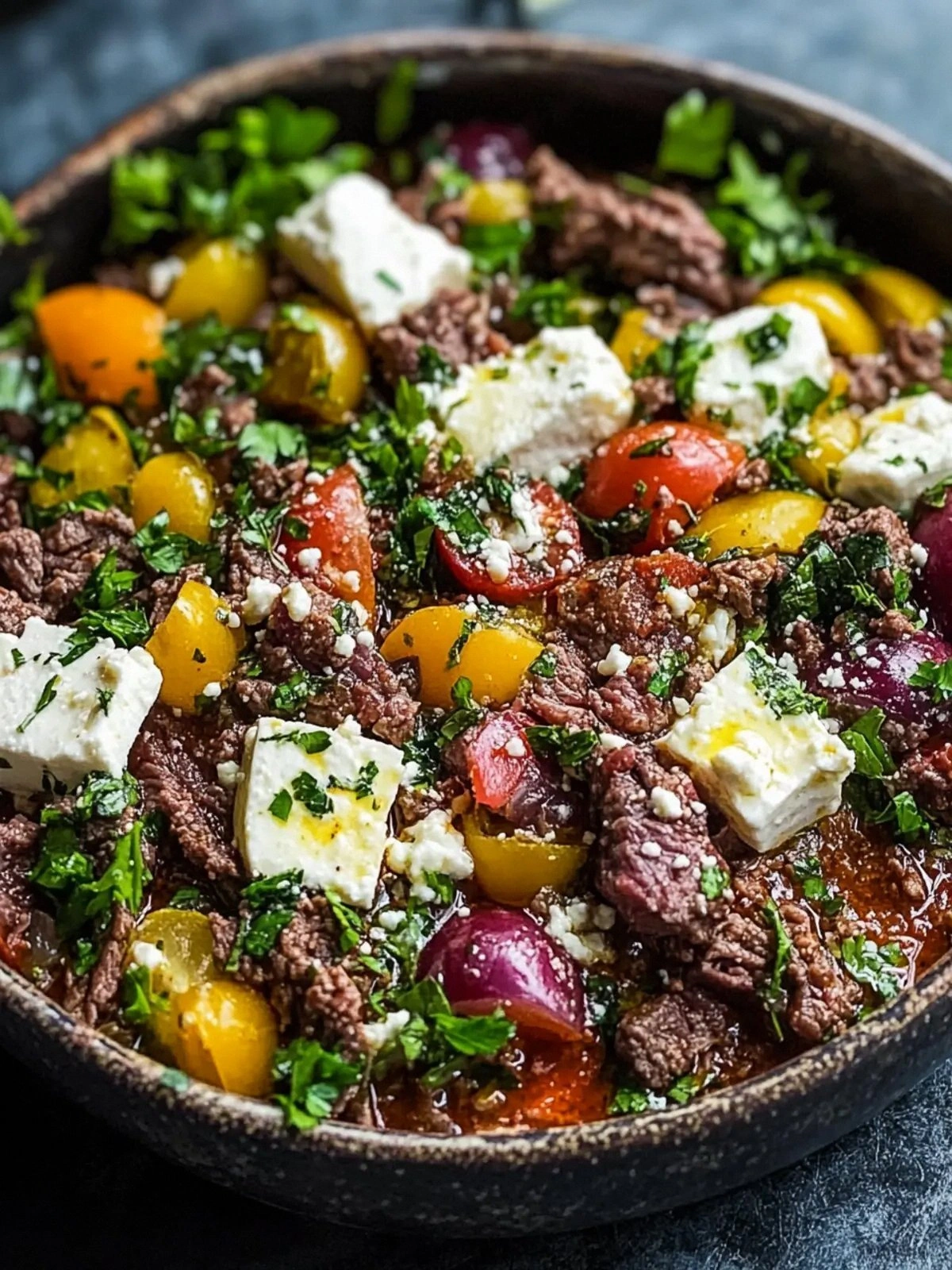
The Method — Step by Step
- Prepare the Ingredients: Slice the beef into bite-sized cubes, roughly 2 inches long. Dice the onion and bell pepper into uniform pieces for even cooking. Mince the garlic finely so it disperses well into the oil. If you’re using fresh parsley, chop it into small flakes for a subtle finish.
- Season the Beef: In a small bowl, combine the beef cubes with 1 tsp of salt, 0.5 tsp of black pepper, and 1 tsp of paprika. Toss until the meat is evenly coated. Let it rest for 10 minutes to allow the flavors to penetrate the meat.
- Seared the Beef: Heat 2 tbsp of olive oil in a large Dutch oven over medium-high heat. Add the beef in batches to avoid overcrowding. Sear each side until a deep brown crust forms, about 3-4 minutes per side. This step locks in juices and creates a caramelized flavor that’s essential for a rich stew. Kitchen Hack: Use a cold pan and add the oil last to achieve a more pronounced sear.
- Cook the Aromatics: Add the remaining 1 tbsp of olive oil to the pot. Sauté the chopped onion and diced bell pepper until the onion becomes translucent, about 5 minutes. Add the minced garlic and cook for an additional 30 seconds until fragrant. The garlic should not brown; if it does, reduce the heat.
- Deglaze and Simmer: Pour in 1 cup of beef broth to deglaze the pan, scraping up any browned bits. Stir in the dried oregano, 1 tbsp of fresh lemon juice, and the remaining 1 tbsp of olive oil. Bring the mixture to a gentle simmer.
- Return Beef to Pot: Place the seared beef back into the pot. Reduce the heat to low, cover, and let it simmer for 30 minutes, or until the beef is fork-tender. The broth should thicken slightly and coat the meat.
- Finish with Freshness: Remove the pot from heat. Stir in a handful of chopped parsley and squeeze fresh lemon juice to taste. The acidity will brighten the stew, making it feel light and lively.
- Serve: Ladle the stew into bowls, garnish with lemon wedges, and serve immediately with crusty bread or over a bed of rice. The steam will carry the aroma of oregano and lemon, making the dining experience unforgettable.
That's it — you did it. But hold on, I've got a few more tricks that'll take this to another level…
Insider Tricks for Flawless Results
The Temperature Rule Nobody Follows
Many cooks think a high simmer is best for stews, but a low and steady simmer is the secret to tender beef. Keep the heat at the lowest setting that keeps the liquid just below boiling. This slow cooking allows the connective tissues in the beef to break down without drying out the meat.
Why Your Nose Knows Best
Before adding the final splash of lemon, pause and inhale deeply. If the broth feels heavy, a little more acid will brighten it. Your nose is the best judge of balance; trust it to guide you to the perfect flavor.
The 5-Minute Rest That Changes Everything
After the stew finishes cooking, let it rest uncovered for 5 minutes. This rest allows the juices to redistribute, making each bite more succulent. A friend once tried skipping this step and ended up with a stew that tasted watery and unbalanced.
The Garlic Trick
For a deeper garlic flavor, add a small piece of garlic skin to the pot during simmering. Remove it before serving; it infuses the broth without the harshness of cooked garlic.
Parmesan Alternative
If you prefer a dairy-free version, sprinkle a dash of nutritional yeast after adding parsley. It adds a cheesy, umami note that pairs beautifully with the lemon.
Creative Twists and Variations
This recipe is a playground. Here are some of my favorite ways to switch things up:
Greek Lamb Twist
Swap the beef for lamb shoulder, which brings a richer, gamey flavor. Adjust the cooking time to 45 minutes to ensure tenderness.
Spicy Mediterranean
Add a pinch of crushed red pepper flakes during the aromatics stage for a subtle heat that complements the lemon.
Vegetarian Version
Replace the beef with hearty mushrooms or lentils. Use vegetable broth and increase the oregano for depth.
Herb-Infused Broth
Steep a bouquet garni of thyme, bay leaves, and rosemary in the broth before adding the beef for an aromatic twist.
Gluten-Free Serving
Serve over cauliflower rice or polenta to keep the dish gluten-free without sacrificing heartiness.
Breakfast Kick
Serve the stew over a soft boiled egg for a protein-packed breakfast that’s both comforting and satisfying.
Storing and Bringing It Back to Life
Fridge Storage
Cool the stew completely before transferring it to an airtight container. Store in the refrigerator for up to 3 days. Reheat gently on the stove or in the microwave, stirring frequently.
Freezer Friendly
Divide the stew into portion-sized containers and freeze for up to 3 months. Thaw overnight in the refrigerator, then reheat on the stove.
Best Reheating Method
Add a splash of water or broth before reheating to restore the stew’s original thickness. Simmer over low heat, stirring until heated through.