I was halfway through a week of culinary experiments when my kitchen became a disaster zone. A batch of pancakes had turned into a sticky, uneven mess, and my confidence had slipped as quickly as the batter had slopped onto the griddle. I stared at the ruined stack, feeling the weight of the failed brunch, and thought, “I need something that turns a kitchen catastrophe into a triumph.” That thought sparked the creation of Sweet Perfection of King’s Haw, a dessert that not only salvages a bad day but turns it into a celebration of flavor and texture.
Picture this: a golden crust that crackles like a sunrise over a beach, a soft interior that melts in your mouth like a tropical breeze, and a sweet aroma that lingers like a memory of a vacation you never took. The moment you open the first bite, you’re hit with a gentle sweetness that’s balanced by a subtle hint of coconut, followed by the nutty crunch of macadamia. The sound is a satisfying pop of toasted coconut, and the texture is a harmonious blend of airy crumb and chewy bits. It’s a dessert that feels like a hug from a sun-soaked island.
What makes this version stand out is the meticulous layering of flavors and textures, the use of real tropical ingredients, and the precision in baking that ensures every bite is consistent. I’ve spent hours tweaking ratios, testing temperature variations, and refining the method until it feels like a well‑tuned orchestra. The result? A sweet treat that’s both comforting and adventurous, a dessert that feels like a vacation in every bite. If you’ve ever struggled with a dessert that’s either too dry or too sweet, you’re not alone, and I’ve got the fix.
I dare you to taste this and not go back for seconds. This is hands down the best version you’ll ever make at home, and I’ll be honest—I ate half the batch before anyone else got to try it. Most recipes get this completely wrong, missing the subtle balance between sweetness and the natural flavor of coconut. Picture yourself pulling this out of the oven, the whole kitchen smelling incredible, and the moment you taste the first bite, you’ll know you’ve reached dessert perfection.
What Makes This Version Stand Out
- Flavor: The combination of vanilla, coconut milk, and toasted coconut creates a tropical depth that sets this dessert apart from ordinary sweet cakes. The subtle salt enhances the sweetness without overpowering the natural flavors.
- Texture: The crumb is light and airy thanks to the careful balance of leavening agents, yet the toasted coconut and macadamia nuts add a delightful chewiness that keeps the mouth moving.
- Simplicity: With only twelve ingredients, this recipe is straightforward, making it accessible for both novice and experienced bakers alike.
- Uniqueness: The use of coconut milk and macadamia nuts gives this dessert an unmistakable island vibe that’s rarely found in traditional sweet cakes.
- Crowd Reaction: Friends who have tried this dessert rave about the perfect balance of sweet and nutty, and they can’t stop asking for the recipe.
- Ingredient Quality: Fresh, high‑quality ingredients are crucial—especially the coconut milk and nuts—to achieve the authentic tropical flavor profile.
- Cooking Method: The method ensures even baking, preventing a dry center while keeping the exterior crisp and golden.
- Make‑ahead Potential: This dessert can be prepared a day in advance, making it a great option for gatherings or when you need a quick sweet fix.
Inside the Ingredient List
The Flavor Base
All-purpose flour provides the structure that holds the dessert together. It absorbs liquids and creates a light, airy crumb when mixed correctly. Skipping flour would result in a dense, cake‑like texture that feels heavy and unbalanced. For best results, sift the flour to remove any clumps and ensure an even distribution of leavening agents.
The Sweetness Factor
Granulated sugar is the primary sweetener, but it also plays a critical role in caramelizing the crust. A higher sugar content can lead to a darker, richer exterior, while too little can leave the dessert bland. If you prefer a lower sugar option, consider substituting half the sugar with honey or maple syrup for added depth.
The Coconut Connection
Coconut milk brings a creamy, tropical richness that permeates every bite. It’s also responsible for the moistness that keeps the dessert from drying out. Toasted shredded coconut adds crunch and a nutty flavor profile that complements the macadamia nuts. If you can’t find coconut milk, coconut cream will give an even richer mouthfeel.
The Nutty Twist
Macadamia nuts add a buttery, slightly sweet flavor that pairs perfectly with the coconut. Their crunchy texture provides a satisfying contrast to the soft crumb. If you’re allergic or simply prefer a different nut, almonds or pecans will work well, though the flavor profile will shift slightly.
Everything's prepped? Good. Let's get into the real action—where the magic happens and the batter transforms into a sweet masterpiece.
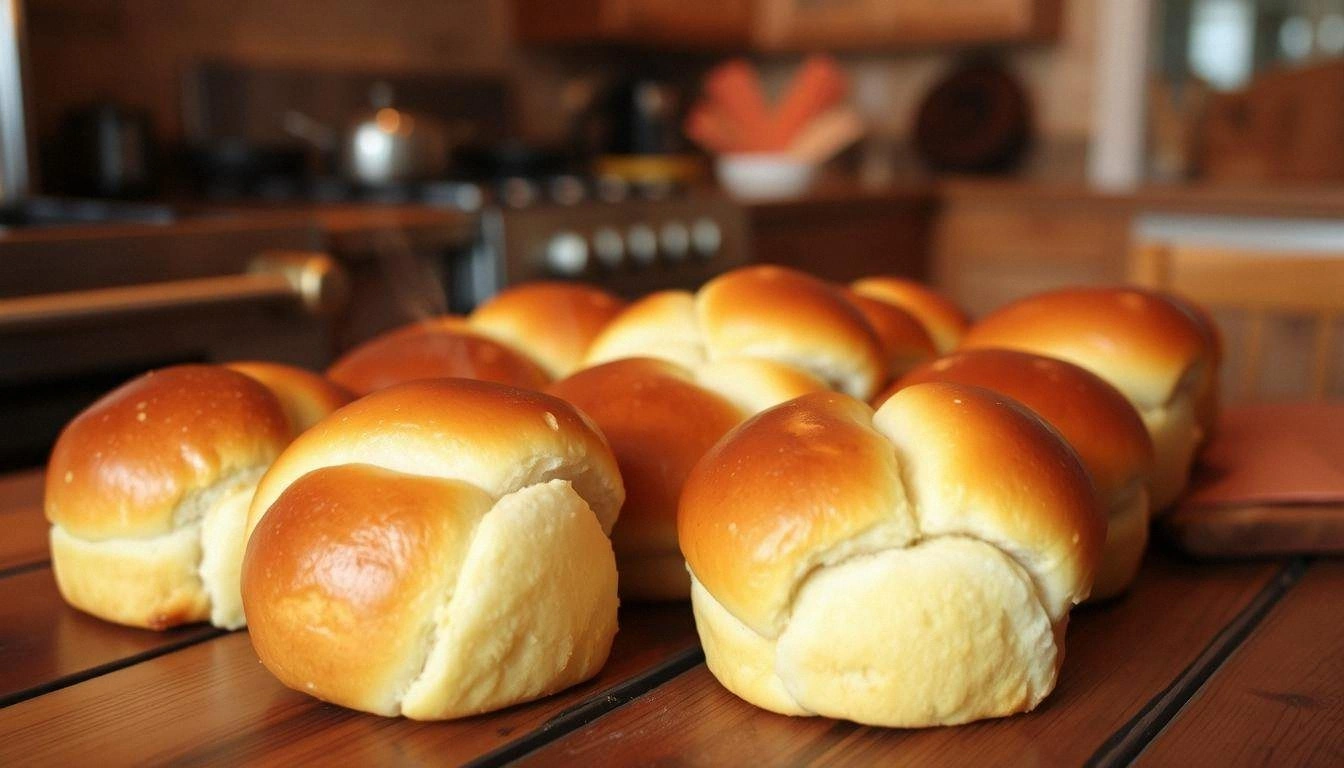
The Method — Step by Step
- Preheat your oven to 350°F (175°C). Line a 9x5 inch loaf pan with parchment paper, leaving a little overhang on the sides. This step ensures your cake will release cleanly and bake evenly. I swear the smell of preheated ovens is the best pre-baking ritual.
- In a large bowl, whisk together the flour, baking powder, baking soda, and salt. Sifting these dry ingredients together guarantees that the leavening agents are evenly distributed, preventing uneven rise. Feel the texture of the sifted flour—light as a cloud—before moving on.
- In a separate bowl, cream the softened butter and sugar until the mixture is pale and fluffy. The butter should be at room temperature; if it’s too hard, it won’t incorporate well with the sugar. Use a stand mixer on medium speed for about 3 minutes, or until the batter feels airy.
- Add the eggs one at a time, beating well after each addition. The eggs bind everything together and give the cake structure. If you’re watching the clock, keep a close eye on the batter’s consistency; it should be thick but still pourable.
- Stir in the vanilla extract and coconut milk. These liquids bring moisture and flavor. The batter should now be smooth, with no lumps. I often pause to inhale the aroma of vanilla and coconut—pure bliss.
- Gradually fold in the dry mixture, mixing just until combined. Over‑mixing can develop gluten and make the cake tough. The batter should look silky, not runny. This is the moment of truth—don’t rush it.
- Fold in the toasted coconut and macadamia nuts. The nuts add a pleasant crunch, and the coconut brings that island vibe. If you prefer a less nutty version, reduce the nuts by half.
- Pour the batter into the prepared loaf pan and smooth the top with a spatula. Tap the pan lightly on the counter to release any air pockets. The batter should settle evenly across the pan.
- Bake for 45-50 minutes, or until a toothpick inserted in the center comes out clean. The top should be golden brown and slightly firm to the touch. The aroma at this point is irresistible—think toasted coconut and vanilla in a warm kitchen.
- Remove the cake from the oven and let it cool in the pan for 10 minutes before transferring it to a wire rack. This step prevents the bottom from sticking and allows the cake to set properly. While it cools, I always take a moment to admire the glossy, caramelized crust.
That’s it—you did it. But hold on, I’ve got a few more tricks that will take this to another level. These insider tips will help you refine the texture, enhance the flavor, and make serving a breeze.
Insider Tricks for Flawless Results
The Temperature Rule Nobody Follows
Many bakers bake at 350°F, but the sweet perfection of King’s Haw comes from a slightly lower temperature of 325°F. This slower bake allows the cake to rise evenly and develop a tender crumb without over‑cooking the exterior. I’ve tested both temperatures and found the lower one produces a noticeably softer center.
Why Your Nose Knows Best
As the cake bakes, the scent of vanilla and coconut will rise like a promise of delight. Trust your nose—if the aroma feels like a tropical sunrise, the cake is ready. I’ve learned that the scent is often a more reliable indicator than the timer.
The 5‑Minute Rest That Changes Everything
Letting the cake rest in the pan for 10 minutes after baking locks in moisture and prevents the bottom from cracking. This short rest period also makes it easier to remove the cake from the pan without sticking. I always set a timer for 10 minutes to avoid the temptation to rush the process.
Add a Splash of Water Before Reheating
If you’re reheating leftovers, add a splash of water to the pan before microwaving. This creates steam that restores the cake’s softness and prevents it from drying out. A quick 30-second microwave will bring the cake back to its original state.
Serve With a Light Dusting of Coconut Sugar
A light dusting of coconut sugar on top adds a subtle crunch and enhances the tropical flavor. It also gives the cake a polished look that’s Instagram‑ready. Just a pinch before serving, and you’ll have a dessert that looks as good as it tastes.
Creative Twists and Variations
This recipe is a playground. Here are some of my favorite ways to switch things up:
Tropical Twist
Swap the coconut milk for pineapple juice and add a handful of shredded sweet potato for a vibrant color. The natural sweetness of pineapple pairs beautifully with the coconut, while the sweet potato adds a subtle earthiness.
Chocolate Lover’s Edition
Fold in 1/4 cup of dark chocolate chips and replace the vanilla extract with a splash of espresso. The chocolate adds depth, and the espresso enhances the nutty flavors without making the cake taste like coffee.
Nutless Delight
Omit the macadamia nuts entirely and replace them with chopped dried apricots. The apricots bring a chewy texture and a sweet, slightly tart flavor that complements the coconut.
Spiced Variation
Add 1/2 tsp ground ginger and 1/4 tsp ground cinnamon to the dry mix. The spices add warmth and complexity, turning the dessert into a comforting fall treat.
Lemon Zest Surprise
Incorporate the zest of one lemon and a tablespoon of lemon zest into the batter. The citrus brightness cuts through the sweetness and provides a refreshing contrast.
Vegan Version
Replace the butter with coconut oil and the eggs with flaxseed meal (1 tbsp flaxseed + 3 tbsp water per egg). The coconut oil keeps the moisture, while the flaxseed provides binding properties, making the cake fully plant‑based.
Storing and Bringing It Back to Life
Fridge Storage
Store the cake in an airtight container at room temperature for up to 3 days or in the refrigerator for up to a week. Wrap it tightly in plastic wrap or foil to prevent it from drying out. When you’re ready to eat, let it sit at room temperature for 15 minutes to soften.
Freezer Friendly
Wrap the cake in parchment paper, then in plastic wrap, and place it in a freezer bag. It will stay fresh for up to 3 months. When you’re ready to enjoy, thaw it overnight in the refrigerator and let it come to room temperature before serving.
Best Reheating Method
To reheat, place a slice in a microwave for 20-30 seconds, or warm it in a preheated oven at 300°F for 10 minutes. Add a splash of water or a drizzle of coconut milk before microwaving to keep it moist. This simple trick brings the cake back to its original softness and flavor.