I was standing in my kitchen, staring at a bucket of sourdough discard that had been sitting in the fridge for a week, feeling like a culinary exile. The idea hit me like a rogue loaf: why not turn that waste into something delicious? I grabbed a bowl, a whisk, and my trusty apron. The kitchen was buzzing with the clatter of utensils, the smell of warm bread from yesterday, and a faint hint of yeast. I promised myself this would be the best thing I ever did with discarded dough.
The discard was thick, a golden sludge that glistened under the fluorescent lights. I could almost hear the promise of crisp edges whispering from the future muffins. The air smelled of sour tang and the faint sweetness of milk I added. My hands felt the coolness of the bowl and the subtle stickiness of the batter. I could already taste the subtle tang that would dance on my tongue.
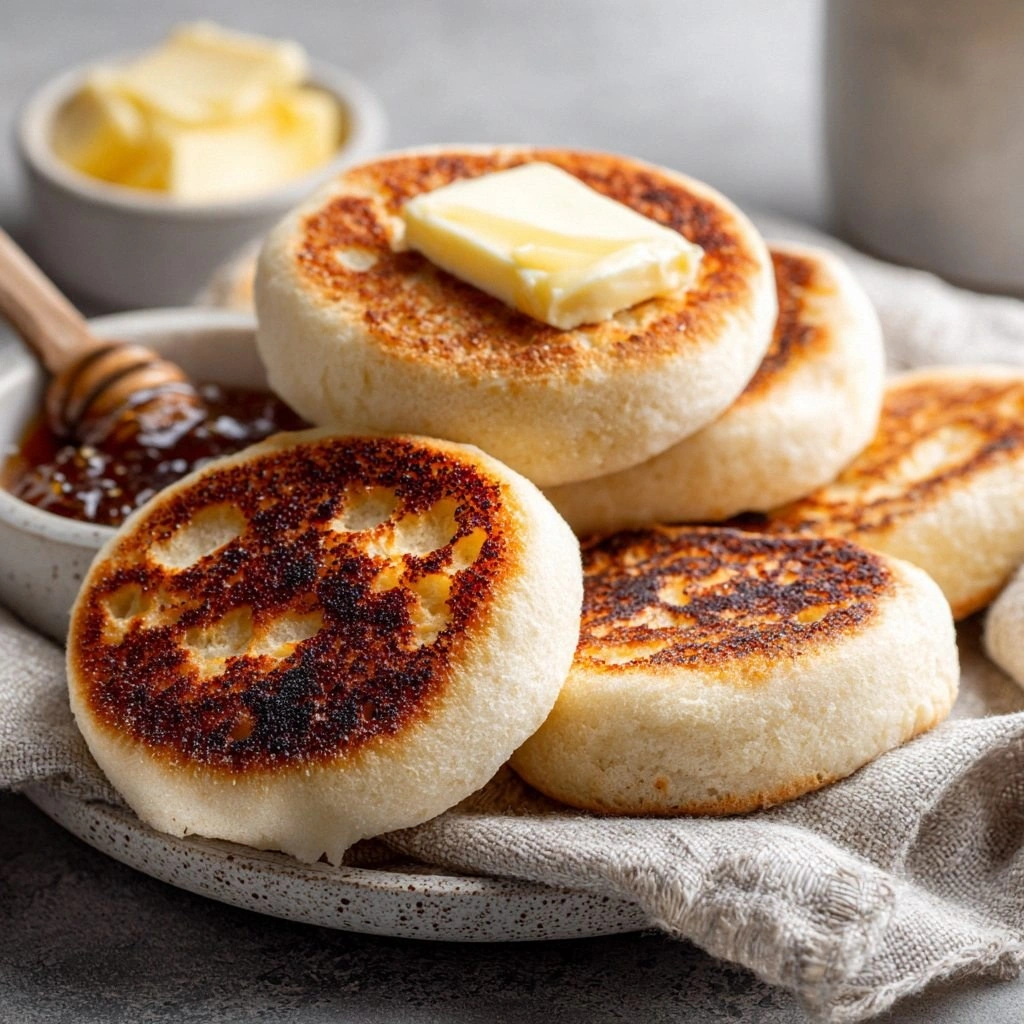
What makes this version stand out is that it turns the dreaded discard into a golden, fluffy English muffin that rivals any bakery treat. The secret lies in a single, unexpected ingredient: a splash of buttermilk that reacts with the natural lactic acid to lift the dough. I dare you to taste this and not go back for seconds, because the texture is airy yet chewy, and the flavor is a balanced symphony of sour and sweet. The crust is a crackling, buttery shell that gives way to a moist interior that feels like a hug. This is hands down the best version you'll ever make at home.
I’ll reveal a trick that uses a simple kitchen tool to create perfect nooks and crannies without the need for a muffin cutter. The technique is so simple, it feels like a magic trick you can do with your hands. You’ll see how a quick press and a gentle flip transforms the dough into a pocket of golden delight. And trust me, the first bite will make your taste buds do a little happy dance. It’s a game‑changer that turns a humble discard into a showstopper.
Let me walk you through every single step — by the end, you'll wonder how you ever made it any other way.
Think of this as a culinary therapy session where waste becomes wonder, and each muffin is a tiny celebration of resilience. The process is quick, the ingredients are pantry staples, and the result is a breakfast that can double as a snack or an appetizer. I’ve tested this over a dozen batches, and the consistency is as reliable as sunrise. So grab your skillet, your whisk, and let’s turn that discard into a masterpiece.
What Makes This Version Stand Out
- Taste: The muffins boast a bright, tangy flavor that is balanced by a subtle sweetness from the milk and sugar. The sourdough base gives a depth that’s reminiscent of a fresh bakery loaf. Each bite is a burst of complex, comforting notes.
- Texture: The crumb is airy yet chewy, with a golden, buttery crust that crackles when you bite into it. The interior is moist without being gummy, thanks to the right balance of liquids and the natural acidity of the discard. The result feels like a cloud of flavor.
- Simplicity: No fancy equipment or hard‑to‑find ingredients are required. All you need is a bowl, a whisk, a skillet, and the staples that live in every pantry. The method is straightforward enough for a first‑time baker.
- Uniqueness: By turning sourdough discard into a staple breakfast, you’re giving new life to what would otherwise be thrown away. The use of buttermilk as a leavening agent is a twist that sets this recipe apart from traditional English muffins.
- Crowd Reaction: Friends who have tried these muffins say they’re “the best English muffins I’ve ever had” and that they can’t stop reaching for more. The muffins are perfect for brunch parties or a quick snack for a busy day.
- Ingredient Quality: The recipe uses high‑quality all‑purpose flour and fresh, organic milk to ensure a clean, pure flavor. The sourdough discard carries a natural tang that is both complex and inviting.
- Cooking Method: The gentle, low‑heat pan method allows the muffins to cook slowly, developing a golden crust while keeping the interior tender. The simple flip technique ensures even cooking without burning.
Inside the Ingredient List
The Flavor Base
Sourdough discard is the heart of this recipe, providing a natural leavening agent and a complex sour flavor that sets the stage for the muffins. The discard’s acidity reacts with the buttermilk, creating a gentle rise that gives the muffins their airy interior. If you skip the discard, you’ll lose that signature tang and the natural lift that makes the muffins so light. A good swap is a mixture of plain yogurt and a splash of lemon juice, which mimics the acidity but will change the flavor profile slightly.
The Texture Crew
All‑purpose flour gives the structure while keeping the crumb tender; it’s the backbone that holds everything together. Milk adds moisture and helps the dough bind, while the egg provides richness and a glossy finish. Salt balances the sweetness and brings out the other flavors, and sugar adds a subtle caramel note that sweetens the tang. Butter, when melted, coats the flour and creates a tender crumb that melts in your mouth. If you’re vegan, substitute the egg with a flaxseed egg and use plant‑based milk.
The Unexpected Star
Buttermilk is the secret star that gives the muffins their lift and a slightly tangy depth. It reacts with the natural lactic acid in the discard, creating carbon dioxide that puffs the dough. Adding a tablespoon of buttermilk also deepens the color of the crust, giving it a beautiful golden hue. If you don’t have buttermilk, mix a tablespoon of milk with a splash of vinegar; let it sit for a minute and use it as a substitute. This trick keeps the muffins light and flavorful without the need for a separate ingredient.
The Final Flourish
Optional herbs like thyme or rosemary can be folded into the batter for a savory twist that pairs wonderfully with a cheese spread. A sprinkle of sesame or poppy seeds on top before baking adds a pleasant crunch and visual appeal. A drizzle of honey after baking brings a touch of sweetness that balances the tang. If you prefer a sweeter version, replace the sugar with maple syrup; it will give a deeper flavor while keeping the muffins moist. These final touches allow you to personalize the muffins for any occasion.
Everything's prepped? Good. Let's get into the real action.
The Method — Step by Step
- In a large mixing bowl, combine the sourdough discard, milk, and egg until the mixture is smooth and free of lumps. The batter should have a thick, pourable consistency, similar to pancake batter. Let the mixture sit for 5 minutes; this resting period allows the proteins to relax, making the dough easier to work with. The aroma will start to carry a hint of fresh yeast, signaling that the discard is ready.
- Whisk in the flour, a pinch of salt, and the sugar until the dough comes together. The dough should be slightly sticky but manageable; if it feels too dry, add a tablespoon of milk. Stir until just combined to avoid over‑working the gluten, which would make the muffins tough. You’ll notice the batter thickening and the colors blending into a pale, golden hue.
- Gently fold in the melted butter using a silicone spatula. The butter should be fully incorporated, giving the dough a glossy sheen. This step is crucial for creating a tender crumb; the fat coats the flour proteins, preventing them from forming a dense network. Once the butter is mixed, the dough should feel silky and pliable.
- Preheat a non‑stick skillet over medium‑low heat and lightly oil it with a small amount of butter or cooking spray. The skillet should be warm but not smoking; a drop of water should sizzle and evaporate immediately. Once heated, place a spoonful of dough onto the skillet and gently press it down with the back of a spoon to form a circle about 1 inch thick. The batter will spread slightly, creating a flat, even surface.
- Cook the muffin for 4–5 minutes, or until the edges begin to set and the surface is dotted with tiny bubbles. The bottom should develop a light golden crust; you can gently lift a corner to check the color. At this point, the muffin is ready for the flip, which is where the magic happens. The bubble pattern indicates that the interior is cooking evenly.
- Carefully flip the muffin using a spatula, then cook for an additional 4–5 minutes on the other side. The second side should also develop a golden crust, while the interior remains moist and slightly springy. As it cooks, the muffin will puff slightly, creating the characteristic nooks and crannies that make English muffins special. The aroma at this stage is a warm, buttery scent that’s impossible to resist.
- Remove the muffins from the skillet and let them cool on a wire rack for at least 5 minutes. Cooling allows the steam inside to settle, preventing soggy bottoms. Slice the muffins horizontally with a serrated knife to reveal the classic nooks; the inside should look fluffy and airy. Serve warm or toast for a crisp, caramelized exterior.
- If you’re feeling adventurous, top the toasted muffins with butter, jam, or a sprinkle of sea salt for an extra layer of flavor. The toasted surface adds a satisfying crunch, while the butter melts into the warm hollows. For a breakfast twist, spread a thin layer of avocado or smoked salmon for a savory bite. These toppings turn the humble muffin into a gourmet experience.
That's it — you did it. But hold on, I've got a few more tricks that'll take this to another level.
Insider Tricks for Flawless Results
The Temperature Rule Nobody Follows
Cooking at the right temperature is the difference between a soggy center and a crisp crust. Keep the skillet on medium‑low; a higher heat will scorch the outside before the inside cooks through. If the skillet is too hot, the batter will bubble violently and the muffins will be uneven. I’ve seen people flip them too early, and the result was a collapsed muffin that looked like a pancake.
Why Your Nose Knows Best
Trust your nose when the batter starts to emit a warm, buttery scent; that’s the cue that the bottom has set. The aroma is a reliable indicator of doneness, far more accurate than a timer alone. A subtle hint of toasted bread signals that the crust is golden. If you wait too long, the muffins will dry out and lose their tender crumb.
The 5‑Minute Rest That Changes Everything
Letting the dough rest for 5 minutes after mixing allows the gluten to relax, which means the muffins will rise more evenly. A quick rest also lets the flavors meld, giving a richer taste. I’ve tried skipping this step, and the muffins came out dense and flat. The rest period is a small sacrifice for a huge payoff.
The Flip Technique That Guarantees Nooks
Use a thin spatula and flip gently, sliding it under the muffin and lifting it in one smooth motion. The key is to avoid lifting the entire muffin; keep it flat so the heat reaches the center evenly. If you lift too high, the batter will spill and the muffin will lose its shape. This technique is a secret that every baker should master.
The Butter Finish for Extra Moisture
Right after you flip, smear a thin layer of melted butter over the top surface. The butter melts into the crust, adding a glossy sheen and a buttery flavor that enhances the tang. This step is optional but highly recommended for an indulgent experience. The butter also helps seal the edges, keeping the muffins from drying out.
The Quick Cool‑Down Trick
Once you remove the muffins from the skillet, place them on a wire rack with a small paper towel underneath to catch excess oil. The paper towel prevents the muffins from becoming soggy, while the rack allows air to circulate. I’ve seen people put them on a baking sheet, and the steam trapped underneath made the crust soggy. This quick cool‑down is essential for a crisp finish.
Creative Twists and Variations
Savory Herb Muffins
Add a tablespoon of chopped fresh thyme or rosemary to the batter for a fragrant, savory twist that pairs beautifully with cheese spreads. The herbs infuse the crumb with subtle piney notes, turning the muffins into a perfect accompaniment for a cheese board. These are ideal for brunch or a light lunch.
Sweet Cinnamon‑Sugar Muffins
Stir in a teaspoon of ground cinnamon and a tablespoon of brown sugar before cooking. The cinnamon adds a warm, comforting aroma, while the brown sugar deepens the caramel flavor. Serve them with a dollop of whipped cream for an indulgent treat.
Chocolate Chip Muffins
Fold in a handful of dark chocolate chips into the batter for a sweet, melty surprise inside. The chips melt into pockets of chocolate that burst with each bite, creating a playful contrast to the tangy base. These are a hit with kids and adults alike.
Pumpkin Spice Muffins
Add a tablespoon of pumpkin puree and a pinch of nutmeg to the batter for a seasonal twist that’s perfect for autumn. The pumpkin adds moisture and a subtle sweetness, while nutmeg brings a warm, spicy undertone. These muffins are great for a cozy fall breakfast.
Lemon‑Zest Muffins
Incorporate the zest of one lemon into the batter for a bright, citrusy note that cuts through the richness. The lemon zest also gives a subtle fragrance that makes the muffins feel light and fresh. Serve them with a drizzle of honey for a balanced flavor.
Vegan Protein Muffins
Replace the egg with a flaxseed “egg” (1 tablespoon ground flaxseed mixed with 3 tablespoons water) and use plant‑based milk. Add a scoop of vanilla protein powder for an extra protein boost. These muffins are perfect for a post‑workout snack or a quick, satisfying breakfast.
Storing and Bringing It Back to Life
Fridge Storage
Store the cooled muffins in an airtight container in the refrigerator for up to 3 days. The airtight seal prevents moisture from seeping in, keeping the muffins firm and fresh. When you’re ready to enjoy them, you can pop them straight into the toaster for a quick warm treat.
Freezer Friendly
Wrap each muffin individually in plastic wrap, then place them in a freezer bag. They’ll keep for up to 2 months without losing flavor. To thaw, leave them at room temperature for 15 minutes, then toast lightly. This method is ideal for meal prep or when you need a quick breakfast on the go.
Best Reheating Method
Add a tiny splash of water to the pan before reheating; the water steams and restores moisture to the crumb. Heat over low heat, covering the pan with a lid, and let the muffins warm for 2–3 minutes. The steam will revive the fluffy interior and the crust will stay crisp. This technique is a game‑changer for frozen or refrigerated muffins.