I was halfway through a night of binge‑watching sitcoms when the kitchen clock screamed at me: the meat was sticking to the pan, the sauce was thinning, and my taste buds were begging for a rescue. I reached for the pantry, grabbed a jar of honey, a block of Parmesan, and a handful of herbs, and suddenly the chaos turned into a culinary revelation. This is not just another pork dish; it’s a symphony of caramelized sweetness, umami depth, and a glossy finish that makes the meat melt in your mouth like butter on a hot skillet. I dare you to taste this and not go back for seconds because the flavor profile will rewrite your expectations of slow‑cooked pork.
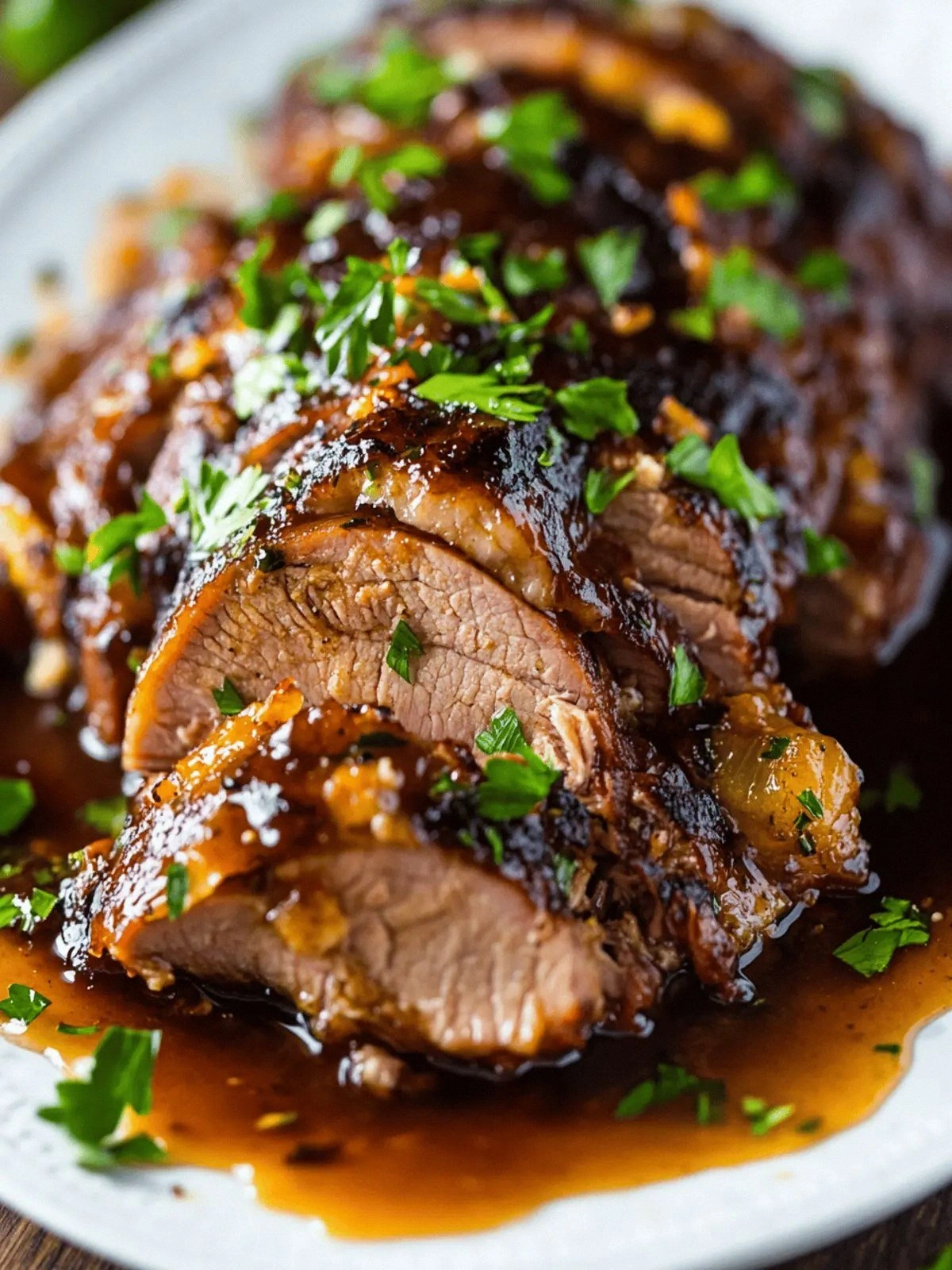
Picture the aroma: honey glistening on the surface, a sharp bite from the mustard, and the earthy perfume of thyme mingling with garlic. The sound of the sauce bubbling gently in the slow cooker is a comforting hum that signals the transformation is underway. Visually, the tenderloin turns from a pale pink to a rich mahogany hue, and the sauce thickens to a glossy glaze that clings to each slice. When you take that first bite, the texture is a delightful contrast between the juicy interior and the slightly caramelized crust, while the Parmesan adds a subtle nutty finish that lingers on the palate. If you’ve ever struggled to keep pork from drying out, you’re not alone — and I’ve got the fix.
What makes this version stand out is the deliberate layering of flavors that most recipes get wrong. Instead of a generic sauce, the honey and Parmesan create a velvety coating that traps juices, while the soy sauce introduces a savory backbone. The grainy mustard adds a gentle heat that balances the sweetness, and the cornstarch slurry gives the sauce the perfect thickness without making it gummy. The slow‑cooking method ensures the pork stays tender, but the initial sear locks in flavor and adds a textural edge that shatters like thin ice when you bite through it. The result? A dish that is hands down the best version you’ll ever make at home, and one that will have your guests begging for the recipe.
And that’s just the tip of the iceberg. There’s a secret ingredient that most people overlook: a splash of chicken broth that deepens the sauce’s umami punch, and a final flourish of fresh thyme that brightens the dish. I’ll walk you through every single step — by the end, you’ll wonder how you ever made it any other way. Let’s dive into the details that will transform your slow‑cooker routine.
What Makes This Version Stand Out
- Flavor Depth: The combination of honey, Parmesan, and soy sauce creates a layered taste that evolves with every bite.
- Texture Contrast: A crisp, caramelized crust meets a melt‑in‑your‑mouth interior, giving the dish a satisfying bite.
- Ease of Prep: All you need to do is season, sear, and let the slow cooker do the heavy lifting.
- Make‑Ahead Potential: The sauce keeps its integrity even after refrigeration, making it perfect for busy weeknights.
- Ingredient Quality: Using fresh, high‑quality Parmesan and a good‑grade honey elevates the dish beyond the ordinary.
- Versatility: Serve over pasta, rice, or mashed potatoes, and it adapts effortlessly to any side.
- Time Efficiency: While the pork cooks slowly, the preparation time is minimal, freeing you to focus on other tasks.
- Crowd‑Pleaser: The sweet‑savory profile is universally appealing, making it a safe bet for dinner parties.
Alright, let’s break down exactly what goes into this masterpiece. And now the fun part.
Inside the Ingredient List
The Flavor Base
Honey is the sweet heart of the dish, providing a natural glaze that caramelizes beautifully over low heat. It also balances the saltiness from the soy sauce and the sharpness of the grainy mustard. If you skip honey, the sauce will lack that glossy, sweet undertone that makes the pork so irresistible. A good alternative is maple syrup, but honey’s floral notes are irreplaceable.
Parmigiano Reggiano delivers a nutty, umami richness that thickens the sauce while adding a savory depth. Grated fresh is best; pre‑grated packs often contain anti‑caking agents that can affect texture. If you’re out of Parmesan, Pecorino Romano will work, though it’s saltier. The cheese melts into a silky coating that clings to each slice of pork.
Soy sauce is the umami backbone, infusing the dish with a savory depth that counterbalances the sweetness of honey. Opt for low‑sodium soy if you’re watching salt intake, but be sure to taste as you go. A splash of fish sauce can add an extra layer of complexity, but keep it subtle.
Grainy mustard brings a mild heat that cuts through the richness, preventing the dish from feeling cloying. Its coarse texture also adds a pleasant bite. Dijon mustard can be substituted, but it’s smoother and will alter the mouthfeel slightly.
The Texture Crew
Olive oil is used for searing the pork and creating a flavorful base for the sauce. A high‑smoke‑point olive oil, like refined or light olive oil, works best to avoid burning. If you prefer a neutral flavor, avocado oil is a great alternative.
Cornstarch and water form a slurry that thickens the sauce to a glossy sheen without making it gummy. Stir the slurry into the sauce at the last minute to avoid lumps. If you’re gluten‑free, arrowroot powder can replace cornstarch for the same effect.
The Unexpected Star
Chicken broth (or water) adds body to the sauce and keeps the pork moist during the long slow‑cook. Using a low‑sodium broth gives you more control over the final seasoning. If you’re vegetarian, vegetable broth works just as well.
The Final Flourish
Fresh thyme imparts a bright, herbal note that lifts the dish and balances the sweetness. Chop it finely so its flavor infuses the sauce without overpowering it. A pinch of freshly ground black pepper adds a subtle heat that ties everything together.
Everything’s prepped? Good. Let’s get into the real action. And now the next part? Pure magic.
The Method — Step by Step
- Season the pork: Pat the tenderloin dry with paper towels, then generously season both sides with salt and pepper. A good rule of thumb is one teaspoon of salt per pound of meat. This step ensures the crust forms properly and the flavor penetrates. I’ve found that a quick rub of garlic powder can add an extra layer of aroma right from the start.
- Sear the pork: Heat a large skillet over medium‑high until it shimmers. Add a splash of olive oil, then place the pork in the pan. Sear for 2 minutes on each side until a golden brown crust appears. This caramelization locks in juices and gives the meat a satisfying bite. The sizzling sound is a sign that the Maillard reaction is working its magic.
- Transfer to the slow cooker: Once the pork is seared, place it in the slow cooker insert. Pour in the honey, soy sauce, grainy mustard, and chicken broth. The liquid should cover about a third of the meat. This mixture creates a flavorful bath that keeps the pork moist as it cooks slowly.
- Add aromatics: Sprinkle the chopped garlic and thyme over the top. Cover and set the slow cooker to low for 4 hours or high for 2 hours. The low setting allows the flavors to meld gently, while the high setting speeds up the process. During this time, the sauce will reduce and thicken naturally.
- Watch Out: When the pork is nearly done, check the internal temperature with a meat thermometer. It should read 145°F (63°C) for a safe yet juicy result. Avoid overcooking, or the pork will become dry and lose its tender texture. A quick glance at the sauce’s consistency will also tell you if it’s ready to thicken.
- Thicken the sauce: In a small bowl, whisk together the cornstarch and water until smooth. Pour this slurry into the slow cooker, stirring constantly to prevent lumps. The sauce should turn glossy and coat the back of a spoon. This step is crucial for achieving that velvety finish that makes the dish memorable.
- Rest the pork: Remove the pork from the slow cooker and let it rest on a cutting board for 5 minutes. This allows the juices to redistribute, ensuring each slice stays moist. While the pork rests, let the sauce simmer for a few more minutes to reduce any excess liquid.
- Slice and serve: Slice the pork into thick medallions, arrange on a platter, and pour the thickened sauce over the top. Garnish with a few fresh thyme sprigs for a pop of color. Serve immediately with your choice of side—pasta, rice, or roasted potatoes.
- Enjoy the aroma: As you plate, inhale the sweet‑savory perfume that fills the kitchen. The sight of the glossy glaze and the sound of the sauce bubbling is a prelude to the delicious bite that follows. This is the moment of truth—taste it and let the flavors sing.
- Save leftovers wisely: If you have leftovers, store them in an airtight container in the fridge for up to 3 days. Reheat gently in a saucepan over low heat, adding a splash of water if the sauce has thickened too much. This keeps the pork juicy and the sauce silky.
That’s it — you did it. But hold on, I've got a few more tricks that'll take this to another level. Stay with me here — this is worth it.
Insider Tricks for Flawless Results
The Temperature Rule Nobody Follows
Many people cook pork on high until it’s done, but this can dry out the meat. Instead, use the low setting for at least 4 hours or the high setting for 2 hours. The slow heat allows the collagen to break down into gelatin, keeping the pork moist. I once tried high for 3 hours and the result was chewy; learning to trust the low setting was a game‑changer.
Why Your Nose Knows Best
Before you take a bite, give the sauce a quick sniff. A sweet, buttery aroma indicates the honey has caramelized, while a sharp, savory scent signals the soy sauce has integrated fully. If the smell is too metallic, add a pinch of salt to balance it. Trusting your senses is the fastest way to gauge readiness.
The 5-Minute Rest That Changes Everything
Letting the pork rest after cooking is not a luxury; it’s essential. During this time, the juices redistribute, preventing the meat from drying out when sliced. I’ve seen many people skip this step and end up with a dry, rubbery texture. Give the pork 5 minutes, and the difference is like night and day.
The Secret Ingredient Swap
If you’re looking for a different flavor profile, swap honey for maple syrup or agave nectar. The result is a slightly different sweetness that pairs well with a splash of bourbon. Just remember that maple syrup is thicker, so you may need to adjust the cornstarch slurry slightly to achieve the same thickness.
The Final Finish
A final drizzle of high‑quality olive oil before serving adds a glossy sheen and a subtle fruity note. It also helps the Parmesan cling better to the meat. I love to finish with a squeeze of fresh lemon to brighten the dish; the acidity cuts through the richness and leaves a clean finish.
Creative Twists and Variations
This recipe is a playground. Here are some of my favorite ways to switch things up:
Citrus Kick
Add a splash of orange juice and a zest of orange to the sauce. The citrus brightens the dish and cuts through the sweetness, creating a balanced, refreshing flavor. This variation pairs wonderfully with grilled asparagus.
Spicy Sriracha
Stir in a tablespoon of Sriracha or your favorite hot sauce for a fiery twist. The heat complements the honey, while the Parmesan keeps the dish from becoming too spicy. This version is a hit with anyone who likes a little kick.
Herb‑Infused Grilled
After slow‑cooking, finish the pork on a hot grill for 2 minutes per side. The charred edges add smoky flavor, and the grill marks look impressive. Serve with a fresh salad for a light, summery meal.
Vegetarian Substitute
Replace the pork with thick slices of seared portobello mushrooms. The earthy flavor of the mushrooms pairs beautifully with the honey‑parmesan sauce. This version is perfect for a plant‑based dinner.
Gourmet Gratin
After slicing the pork, arrange the medallions in a baking dish, top with the sauce, and sprinkle with breadcrumbs and extra Parmesan. Bake at 375°F until the top is golden and bubbly. The gratin adds a crunchy, cheesy layer that elevates the dish.
Asian Fusion
Swap the soy sauce for tamari or coconut aminos and add a few drops of sesame oil. Finish with toasted sesame seeds and sliced green onions. This variation brings a subtle nutty aroma and a hint of umami.
Storing and Bringing It Back to Life
Fridge Storage
Store leftovers in an airtight container in the refrigerator for up to 3 days. The sauce will thicken as it cools, so add a splash of water or broth before reheating to restore its silky texture. Keep the pork slices separate from the sauce to prevent sogginess.
Freezer Friendly
The dish freezes well for up to 2 months. Portion the pork and sauce into freezer‑safe bags, leaving a little headspace. Thaw overnight in the fridge, then reheat gently on the stovetop or in the microwave. The flavor profile remains intact after freezing.
Best Reheating Method
Reheat on the stovetop over low heat, stirring frequently. Add a splash of water or broth if the sauce has thickened too much. Avoid microwaving, as it can cause the sauce to separate. A gentle simmer preserves the glossy finish and keeps the pork juicy.