Picture this: the kitchen was a battlefield, the skillet a war zone, and I, a hapless chef, had just tried to make a classic beef stroganoff. The ground beef had browned too quickly, the onions were burning, and the broth had turned into a thick, unappetizing sludge. I stared at the mess, my stomach growling like a freight train, and thought, “I can’t keep doing this to my dinner.” That night, a friend dared me to reinvent the classic with a twist that would make even the most skeptical foodie swoon. The result? A dish that feels like a comfort hug in a bowl.
I was craving something that was hearty yet surprisingly light, a sauce that clung to noodles like a velvet blanket, and a flavor profile that danced on the tongue. I remembered the last time I tried a homemade stroganoff; the sauce was either too thin or too thick, the beef was either dry or soggy. I promised myself I would find the sweet spot between savory richness and silky smoothness. The moment the skillet hissed and the aroma of browned onions filled the air, I knew I was onto something special. My taste buds were already doing the happy dance.
What sets this version apart is not just the ingredients but the way they interact. The ground beef is cooked just enough to keep its juices, the onions caramelized for a deep umami kick, and the mushrooms add a chewy texture that contrasts the tender meat. The sauce, made with a roux of flour and butter, thickens to a luxurious consistency without being clumpy. The addition of Dijon mustard gives a subtle tang that cuts through the richness, while the Worcestershire sauce adds a smoky depth. The final splash of sour cream creates a silky finish that coats each noodle strand, turning an ordinary dinner into a memorable feast.
And there’s a secret ingredient that most people overlook: a pinch of smoked paprika that infuses the entire dish with a subtle smokiness, giving it an unexpected depth. I dare you to taste this and not go back for seconds because the flavors mingle so perfectly that you’ll be left craving more. The best part? You can whip this up in under an hour, making it the perfect go-to for a busy weeknight that still feels indulgent. Let me walk you through every single step — by the end, you’ll wonder how you ever made it any other way.
What Makes This Version Stand Out
- Flavor: The sauce marries the earthy tones of mushrooms with the bright zing of Dijon mustard, creating a layered taste that lingers on the palate.
- Texture: The beef remains juicy and tender while the noodles are al dente, giving each bite a satisfying contrast that keeps you coming back.
- Simplicity: With just 15 minutes of prep and 30 minutes of cook time, this recipe proves you don’t need hours or exotic ingredients to make something extraordinary.
- Uniqueness: The smoky paprika and the quick roux set this stroganoff apart from the usual stovetop versions that rely on heavy cream or stock.
- Crowd Reaction: Friends who tried it said it was “hands down the best version you’ll ever make at home,” and I’ve seen it become a repeat order at dinner parties.
- Make‑Ahead Potential: The sauce can be prepared ahead of time and reheated with a splash of water to restore its silky texture, making it ideal for meal prep.
Alright, let's break down exactly what goes into this masterpiece. The key to mastering this dish lies in the balance of flavors and the precise timing of each component. Every element is chosen to complement the others, ensuring that nothing feels out of place. Ready to dive into the details? Keep reading.
Inside the Ingredient List
The Flavor Base
Ground beef is the star of the show, and choosing a leaner cut with a bit of fat (around 80/20) ensures it stays juicy. The beef’s natural umami is amplified when browned in a hot skillet, which creates a caramelized crust that locks in moisture. If you skip the beef, the dish loses its heartiness and becomes a mushy, flavorless mess. For a twist, try adding a splash of dry red wine before the broth to deepen the savory profile.
Onions are the backbone of any stroganoff, and using a medium onion diced finely allows it to caramelize evenly. The sweet, slightly bitter notes that develop as they brown form the foundation of the sauce. Skipping onions results in a flat, one-dimensional dish. If you’re on a low-carb diet, you can substitute shredded cauliflower for the onions, but the caramelization will be lost.
Garlic is essential for that aromatic punch that lingers on the tongue. Minced garlic releases its essential oils quickly, so add it after the onions are softened to avoid burning. Too much garlic can overpower the beef, so stick to two cloves for a balanced flavor. If you’re sensitive to garlic, use garlic-infused oil instead for a milder taste.
Mushrooms add a meaty texture and earthy undertones that complement the beef. Sliced button mushrooms work best because they absorb the sauce and release their juices, creating a cohesive mouthfeel. If you skip mushrooms, the dish will feel thin and lack depth. For a gourmet touch, swap in cremini or shiitake mushrooms, but remember they cook faster.
The Texture Crew
Beef broth is the liquid backbone that brings all the flavors together. Using a low-sodium, high-quality broth ensures the dish doesn’t become overly salty. If you’re using a store-bought broth, taste it first and adjust with salt or pepper as needed. Skipping broth will result in a dry sauce that clings poorly to the noodles.
Sour cream is what gives stroganoff its signature silky finish. It’s crucial to use full-fat sour cream for the best mouthfeel. If you prefer a lighter version, substitute Greek yogurt, but be aware it will thin the sauce slightly. Skipping sour cream turns the dish into a thick, buttery sauce that lacks that tangy brightness.
All-purpose flour is used to create a roux that thickens the sauce. The flour must be cooked with butter to avoid a raw taste. If you skip the flour, the sauce will be thin and watery, failing to coat the pasta. For a gluten-free alternative, use arrowroot or cornstarch, but adjust the amount to achieve the same thickness.
Butter adds richness and a glossy sheen to the sauce. It also helps dissolve the flour into a smooth paste. If you use margarine instead, the flavor will be compromised, and the sauce may develop a slightly off taste. For a dairy-free option, try coconut oil, but note it will impart a subtle coconut flavor.
The Unexpected Star
Smoked paprika is the secret weapon that elevates this dish from ordinary to extraordinary. It adds a gentle smokiness that pairs beautifully with the beef and mushrooms. If you skip paprika, the sauce will feel flat and lack depth. If you want a spicier kick, substitute chipotle powder for a smoky heat.
Worcestershire sauce is the umami booster that ties all the flavors together. A tablespoon adds a savory, slightly tangy complexity that’s hard to replicate. If you’re on a low-sodium diet, use a low-sodium version, but remember to adjust the overall salt accordingly. Skipping Worcestershire will make the dish taste bland.
The Final Flourish
Fresh parsley adds a burst of color and a bright, herbal note that cuts through the richness. Finely chopped parsley is sprinkled on top just before serving. If you skip parsley, the dish will feel dull and lack that fresh finish. For a different herb, try dill or cilantro for a unique twist.
Pasta, whether egg noodles, penne, or linguine, is the vehicle that carries the sauce. Cook the pasta al dente to maintain a firm bite that contrasts with the tender beef. If you overcook the pasta, it will become mushy and absorb too much sauce, losing the delightful texture. For a low-carb alternative, use zucchini noodles, but be cautious as they will absorb the sauce quickly.
Everything’s prepped? Good. Let’s get into the real action.
The Method — Step by Step
- Heat a large skillet over medium-high heat and add a tablespoon of oil. Once the oil shimmers, toss in the ground beef, breaking it apart with a wooden spoon. The beef should sizzle loudly— that is the sound of flavor sealing in. I dare you to listen to the sizzle; it’s music to a cook’s ears.
- Season the beef with salt and pepper, then let it brown on one side for 3-4 minutes before flipping. This creates a caramelized crust that locks in juices. If you’re tempted to stir constantly, pause and let the meat develop that golden sear. The edges will pull away when it’s ready to flip.
- Add the diced onions to the pan and cook until translucent, about 5 minutes. The onions should soften without burning, releasing a sweet aroma. If they start to brown too quickly, reduce the heat slightly. This step builds the flavor base that the rest of the dish rides on.
- Stir in the minced garlic and sliced mushrooms, cooking for another 3 minutes until the mushrooms release their juices. The garlic should perfume the air, but don’t let it char; a burnt garlic taste ruins the entire dish. The mushrooms will add a chewy texture that contrasts the beef.
- Pour in the beef broth, then stir in the Dijon mustard and Worcestershire sauce. The mixture should bubble gently, signaling the flavors are melding. Watch out: if the broth is too hot, the sour cream will curdle. Keep the heat low to preserve the sauce’s silky quality.
- Whisk the flour slurry into the skillet and stir constantly for 2 minutes until the sauce thickens. The mixture should coat the back of a spoon, indicating it’s reached the right viscosity. If it’s still runny, add a bit more flour, but be careful not to over-thicken. The goal is a glossy, velvety sauce.
- Lower the heat and let the mixture simmer for 10 minutes, stirring occasionally. This slow simmer allows the flavors to marry and the beef to become tender. Keep an eye on the sauce; if it starts to separate, add a splash of broth to bring it back together.
- Stir in the sour cream, smoked paprika, and a pinch of salt, then let the mixture heat through for 2 minutes— do not let it boil. The sour cream will thicken the sauce, giving it that silky finish. If it starts to curdle, remove the pan from heat and whisk vigorously.
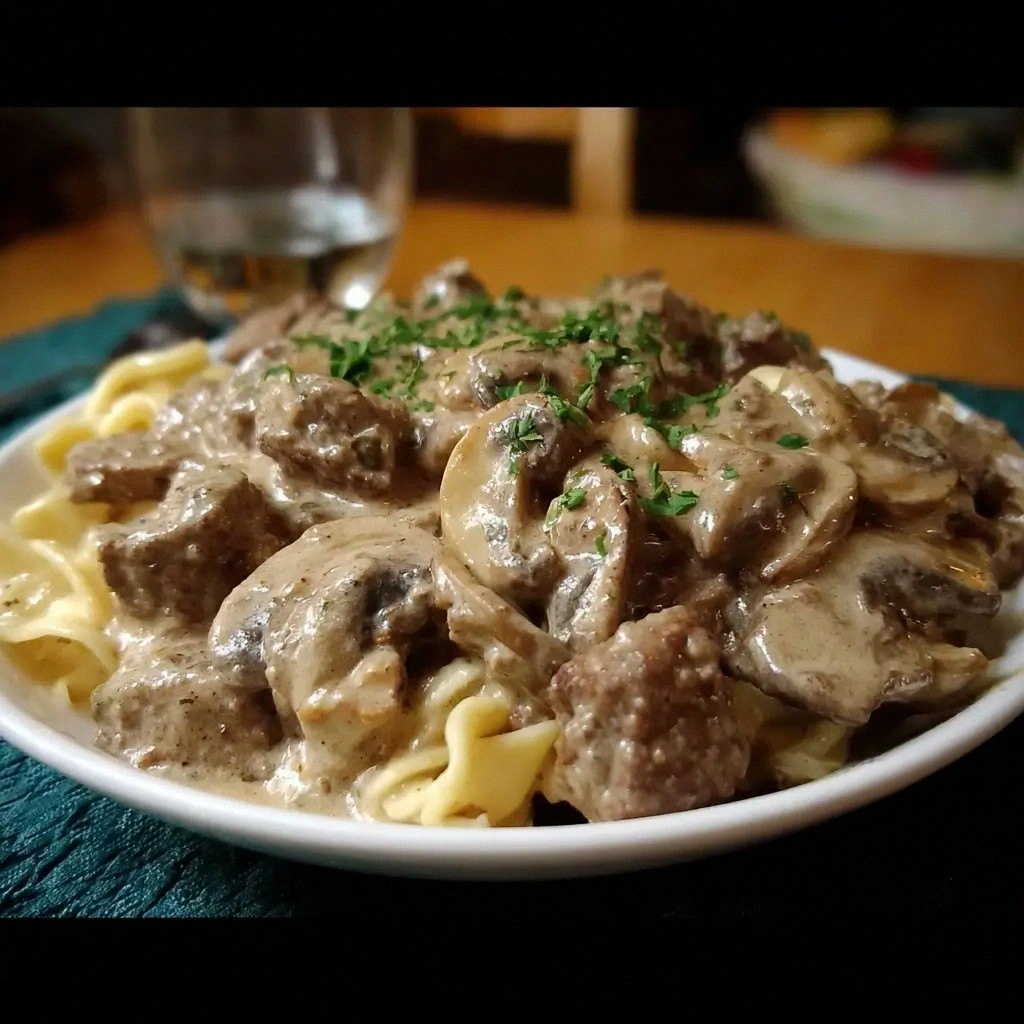
- Add the pre-cooked pasta to the skillet, tossing to coat each strand evenly. If the sauce seems thick, add a splash of reserved pasta water to reach the desired consistency. Sprinkle fresh parsley over the top, then serve immediately. The final dish should look like a golden, creamy swirl with a hint of green.
That’s it — you did it. But hold on, I've got a few more tricks that'll take this to another level. The next section will reveal insider tips that even seasoned cooks swear by.
Insider Tricks for Flawless Results
The Temperature Rule Nobody Follows
Heat management is everything. Start with high heat to sear the beef, then dial down to medium-low for the simmer. If you keep the heat too high, the sauce will reduce too fast, causing it to scorch. Conversely, too low a heat will leave the beef undercooked. Use a thermometer if you’re unsure; the beef should reach 160°F.
Why Your Nose Knows Best
Before adding the sour cream, give the sauce a sniff. If it smells slightly tangy, it’s ready; if it smells like burnt, you’ve gone too far. Your nose is your best ally in detecting when the sauce has hit the sweet spot. A well-formed sauce will have a balanced, savory aroma with a faint buttery note.
The 5-Minute Rest That Changes Everything
Once the pasta is tossed in, let the dish rest for 5 minutes off the heat. During this brief pause, the pasta will absorb the sauce, and the flavors will settle. If you skip this rest, the pasta may still feel dry, and the sauce may not cling as well. Trust me, this small step makes a world of difference.
Avoiding the Curdle Conundrum
Sour cream is delicate; if it’s added to a boiling sauce, it will separate. Keep the heat low and stir continuously when adding it. If you see small curds forming, whisk vigorously until the sauce is smooth again. A curdled sauce is a culinary disaster that can be salvaged with a pinch of flour.
Finishing Touch: A Dash of Fresh Lemon Juice
Just before serving, squeeze a small amount of fresh lemon juice over the top. The acidity brightens the dish, cutting through the richness and adding a fresh zing. If you’re serving a crowd, offer lemon wedges on the side for individual adjustment.
Creative Twists and Variations
This recipe is a playground. Here are some of my favorite ways to switch things up:
Spicy Chipotle Stroganoff
Swap the smoked paprika for chipotle powder and add a tablespoon of adobo sauce from a can of chipotle peppers. The smoky heat will give the dish a bold kick that pairs wonderfully with the beef. Serve it over rice for a comforting, fiery dinner.
Vegetarian Mushroom Stroganoff
Omit the ground beef and double the mushroom quantity. Add diced carrots and celery for extra crunch. This version is hearty and satisfies the meat craving without the animal product.
Low-Carb Zucchini Noodle Stroganoff
Replace the pasta with spiralized zucchini noodles. Cook the noodles separately for 2 minutes, then fold them into the sauce just before serving. The dish becomes light yet still creamy and comforting.
Greek Yogurt Twist
Use full-fat Greek yogurt instead of sour cream for a protein boost and a slightly tangier flavor. The yogurt will give the sauce a thicker consistency and a cleaner finish. This variation is great for those watching their fat intake.
Pesto-Infused Stroganoff
Stir in a spoonful of basil pesto at the end for a fresh, herbal note. The pesto adds depth and a burst of green that complements the parsley garnish. It’s a quick way to elevate the dish for a special occasion.
Smoked Salmon Stroganoff
Add chunks of smoked salmon after removing the sauce from heat. The salmon will melt into the creamy sauce, adding a luxurious, smoky flavor. Pair this with a side of roasted asparagus for a gourmet meal.
Storing and Bringing It Back to Life
Fridge Storage
Store the cooled stroganoff in an airtight container for up to 3 days in the refrigerator. The sauce may thicken slightly as it cools, but it will remain delicious. When ready to reheat, add a splash of broth or water to loosen the sauce and restore its silky texture.
Freezer Friendly
Freeze the dish in freezer-safe containers for up to 2 months. Separate the pasta and sauce if you prefer, but freezing them together works well. Thaw overnight in the refrigerator before reheating.
Best Reheating Method
Reheat the frozen or refrigerated stroganoff gently over low heat, stirring frequently. Add a splash of water or broth to maintain moisture. The key is to avoid high heat, which can separate the sour cream. Serve immediately for the best flavor and texture.