I was standing over a pot of burnt onions, the kitchen smelling like a charred cellar, when my roommate dared me to create something that would actually make people forget about the disaster. I laughed, grabbed a hefty slab of beef short ribs, and thought, “If I can’t fix the onions, I’ll drown them in something rich enough to make anyone forgive my mistake.” The first whiff of caramelizing onions hit me like a warm blanket on a cold night – sweet, deep, and promising. I could hear the faint sizzle, see the golden edges turning glossy, feel the heat radiating from the pan, and taste the anticipation of a broth that would hug you from the inside out.
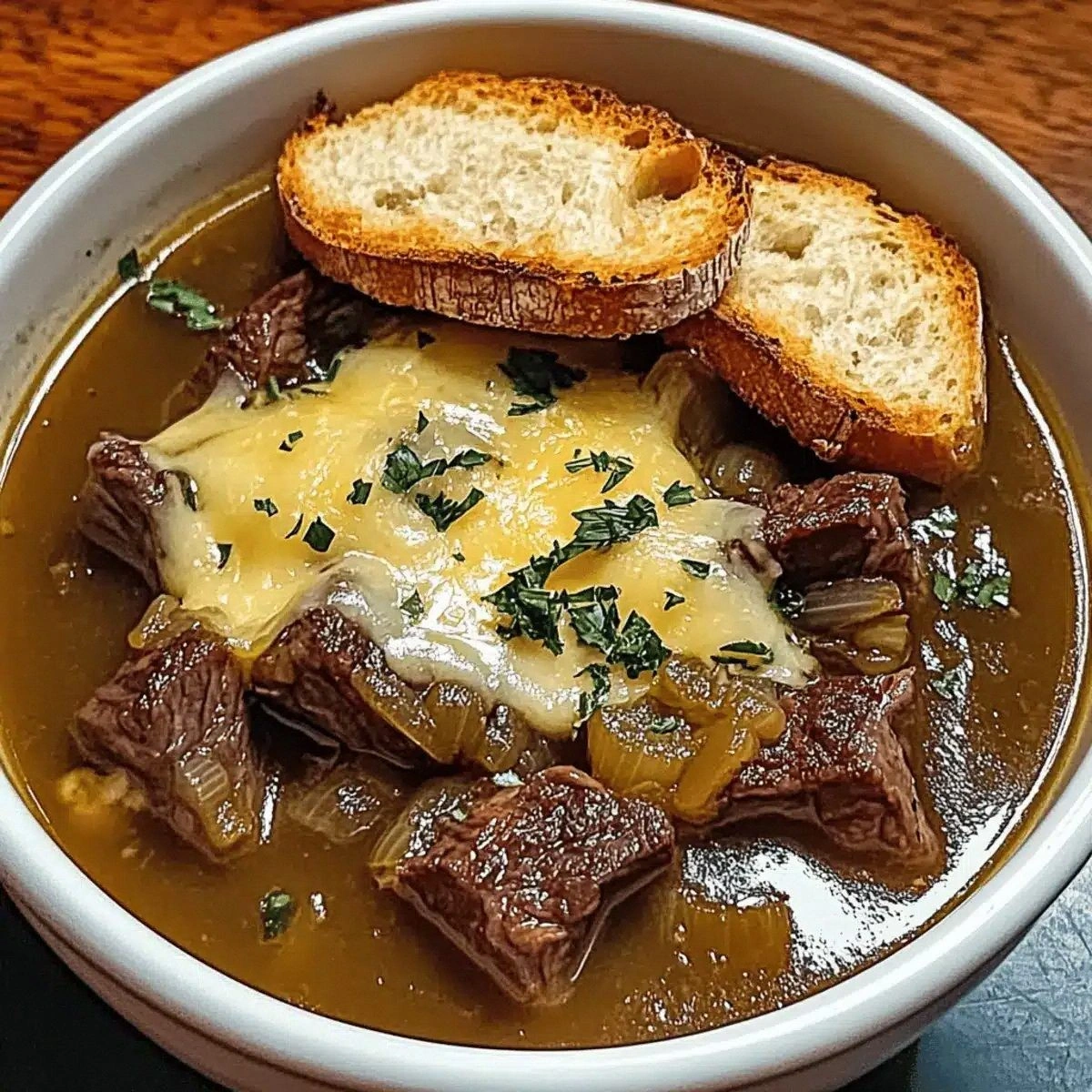
Fast forward three hours, a pot of broth bubbling like a quiet conversation, beef that falls apart with a single fork, and a crusty slice of sourdough drenched in melted Gruyère that makes the whole thing feel like a French bistro in my tiny apartment. I dare you to taste this and not go back for seconds; the combination of silky broth, tender meat, and that cheesy, onion‑laden topping is nothing short of a culinary hug. Most recipes get this completely wrong – they either over‑cook the ribs or forget the magic of the caramelized onion base. Here’s what actually works: a slow sear, a patient caramel, and a finish that brings everything together in a single, unforgettable spoonful.
Why does this version stand out? First, the beef short ribs are braised until they’re practically falling apart, soaking up the sweet, savory broth like a sponge. Second, the French onion technique adds a depth of flavor that turns a simple soup into a masterpiece. Third, the topping – toasted sourdough, melted Gruyère, and a drizzle of butter – creates a crunchy‑cheesy crown that shatters like thin ice when you bite into it. I’ll be honest — I ate half the batch before anyone else got to try it, and that’s a testament to how addictive this dish truly is.
Picture yourself pulling this out of the oven, the whole kitchen smelling incredible, steam curling up like a lazy cat, and the first spoonful delivering a burst of umami, sweetness, and buttery richness all at once. This isn’t just soup; it’s a performance, a story, a memory in a bowl. Okay, ready for the game‑changer? Let me walk you through every single step — by the end, you’ll wonder how you ever made it any other way.
What Makes This Version Stand Out
- Depth: The slow‑braised short ribs infuse the broth with gelatin and flavor that you just can’t achieve with ground beef or stew meat.
- Caramelization: The French onion base adds a sweet, nutty undertone that balances the richness of the meat.
- Texture: Tender meat meets a crisp, cheese‑laden sourdough topping – a contrast that keeps every bite exciting.
- Simplicity: Despite the gourmet vibe, the ingredient list is short and the steps are straightforward.
- Ingredient Quality: Using bone‑in short ribs and fresh thyme elevates the dish from “homey” to “restaurant‑level.”
- Make‑Ahead Potential: The broth improves after a night in the fridge, making leftovers even more flavorful.
- Crowd Reaction: Guests invariably ask for seconds, and you’ll hear the same “What’s the secret?” question at every dinner party.
- Seasonal Flexibility: Perfect for chilly evenings but brilliant any time you crave comfort.
Inside the Ingredient List
The Flavor Base
Four large onions are the heart of this soup. They transform from sharp and pungent to sweet and buttery as they caramelize, creating a foundation that’s richer than any stock cube. If you skip the slow caramel, you’ll end up with a flat broth that tastes like watered‑down beef. A quick tip: slice the onions thinly and let them sit in a bowl of cold water for 10 minutes – this helps them release moisture evenly and prevents burning.
The Texture Crew
The 3 pounds of beef short ribs bring both meat and marrow to the table. Their high collagen content breaks down during the long braise, turning the liquid into a silky, gelatin‑laden broth. If you’re tempted to substitute with chuck roast, know that you’ll lose that luscious mouthfeel and the soup will be less “soupy” and more “stew‑y.” When buying ribs, look for a good amount of marbling and a thick layer of fat – that’s flavor waiting to be released.
The Unexpected Star
Two teaspoons of fresh thyme may seem modest, but its piney, slightly floral notes cut through the richness of the beef, keeping the palate from feeling overwhelmed. Dried thyme works in a pinch, but fresh thyme’s bright flavor is a game‑changer. If you can’t find fresh, crush the dried leaves between your fingers before adding them to release the essential oils.
The Final Flourish
Four slices of sourdough bread and a cup of Gruyère cheese crown the soup with a crunchy, melty layer that’s pure comfort. The bread soaks up the broth just enough to stay tender, while the cheese forms a golden crust that shatters with each spoonful. If you’re dairy‑free, try a sharp vegan cheese and a drizzle of olive oil – you’ll still get that satisfying crunch.
Everything’s prepped? Good. Let’s get into the real action…
The Method — Step by Step
Pat the beef short ribs dry with paper towels, then season generously with salt and pepper. Heat a heavy Dutch oven over medium‑high heat, add a tablespoon of butter, and sear the ribs on all sides until they develop a deep, mahogany crust. That sizzle when it hits the pan? Absolute perfection. Once browned, remove the ribs and set them aside – they’ll thank you later.
In the same pot, melt the remaining tablespoon of butter. Add the sliced onions, a pinch of salt, and a splash of water to deglaze. Cook low and slow, stirring occasionally, for about 30‑35 minutes. You’ll notice the onions turning a deep amber and the kitchen filling with a sweet, caramel perfume. Power transition: this is the moment of truth – don’t rush it.
When the onions are beautifully caramelized, stir in the fresh thyme leaves and the bay leaves. Let the herbs release their aroma for about a minute before pouring in the beef broth, scraping the bottom of the pot to loosen any remaining fond. The broth should hiss and bubble gently, releasing a steam that smells like a Parisian market.
Return the seared short ribs to the pot, making sure they’re mostly submerged. Bring the mixture to a gentle boil, then lower the heat to a simmer. Cover and let it braise for 2½ to 3 hours, or until the meat is so tender it practically melts in your mouth. Watch Out: If the liquid reduces too quickly, add a splash more broth or water – you don’t want a dry pot.
While the ribs are braising, preheat your broiler. Lay the sourdough slices on a baking sheet, sprinkle each with a generous handful of grated Gruyère, and broil until the cheese bubbles and turns a gorgeous golden‑brown. This should take 2‑3 minutes; keep a close eye, because the cheese can go from perfect to burnt in a heartbeat.
When the ribs are done, remove them from the pot and shred the meat with two forks, discarding any excess fat and bone. Return the shredded meat to the broth, give everything a good stir, and taste for seasoning. Adjust with a pinch more salt or a splash of Worcestershire sauce if you like a deeper umami punch.
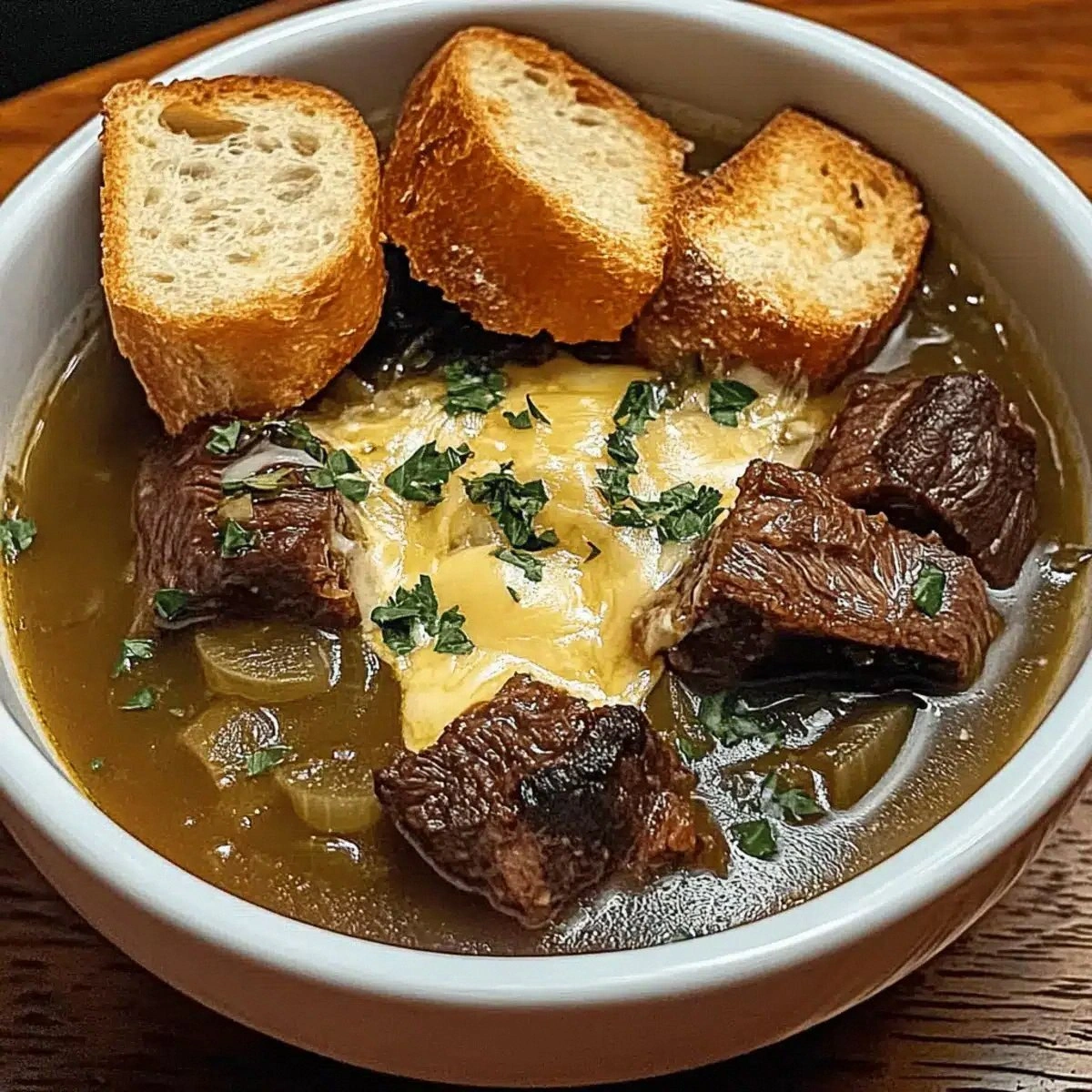
Ladle the steaming soup into bowls, float a cheese‑crusted sourdough slice on top of each, and watch the cheese melt into the broth like a velvet curtain. Finish with a drizzle of melted butter for extra gloss and richness. And now the fun part – dig in and let the flavors do the talking.
That’s it — you did it. But hold on, I’ve got a few more tricks that’ll take this to another level…
Insider Tricks for Flawless Results
The Temperature Rule Nobody Follows
Keep the simmer low and steady. A rolling boil will toughen the meat and emulsify the broth, turning it greasy. I once cranked the heat to “speed things up” and ended up with a cloudy, oily soup that tasted like a bad stew. The secret is patience – let the heat whisper, not shout.
Why Your Nose Knows Best
Your sense of smell is the ultimate doneness gauge. When the onions reach that deep amber hue and release a sweet, almost nutty perfume, you know they’re ready. If you’re still getting a raw onion scent, keep cooking. Trusting your nose beats any timer.
The 5‑Minute Rest That Changes Everything
After you’ve shredded the ribs, let the soup sit off the heat for five minutes before serving. This short rest allows the flavors to marry and the gelatin to settle, giving you a silkier mouthfeel. Skipping this step is like serving a song before the chorus – you miss the climax.
Butter Finish for Extra Gloss
A final swirl of unsalted butter right before serving adds a glossy finish and a buttery richness that makes the broth sing. It’s a tiny step with a massive payoff – think of it as the final brushstroke on a masterpiece.
The “Cheese‑Crust” Timing Trick
Place the cheese‑topped sourdough under the broiler just before you’re ready to serve. This ensures the cheese stays crisp and the bread stays slightly chewy, rather than becoming soggy from sitting in the broth too long. If you prep the crust too early, you’ll lose that satisfying crunch.
Creative Twists and Variations
This recipe is a playground. Here are some of my favorite ways to switch things up:
Mushroom Medley
Add a cup of sliced cremini and shiitake mushrooms during the braise. The earthy umami deepens the broth, making it perfect for vegetarians who still want that hearty feel (just swap the short ribs for smoked tempeh).
Spicy Kick
Stir in a teaspoon of smoked paprika and a pinch of cayenne with the thyme. The subtle heat lifts the sweetness of the onions without overwhelming the delicate beef flavor.
Herb‑Infused
Swap fresh thyme for rosemary and add a sprig of sage. The aromatic profile becomes piney and slightly resinous, perfect for a winter gathering.
Cheese Swap
Use aged Comté or Gruyère’s cousin, Emmental, for a nuttier, sharper crust. The flavor shift is subtle but adds a sophisticated twist that will impress cheese lovers.
Red Wine Boost
Deglaze the onions with a half‑cup of dry red wine before adding the broth. The wine adds depth, a hint of acidity, and a richer color that makes the soup look as luxurious as it tastes.
Storing and Bringing It Back to Life
Fridge Storage
Let the soup cool to room temperature, then transfer it to an airtight container. It will keep for up to 4 days. When reheating, add a splash of water or broth to revive the silky texture.
Freezer Friendly
Portion the soup (without the sourdough topping) into freezer‑safe bags or containers. It freezes beautifully for up to 3 months. Thaw overnight in the fridge, then reheat gently on the stove, again adding a little liquid if needed.
Best Reheating Method
Reheat on the stovetop over low heat, stirring occasionally. As soon as it’s hot, toast fresh sourdough slices, melt the cheese, and assemble. The tiny splash of water before reheating is the secret that steams the broth back to its original glossy perfection.