Peach Cake with Brown Sugar Fr
Picture this: I was halfway through a week of bland, store‑bought desserts, craving something that would make my taste buds sing and my Instagram stories pop. I remembered the last summer when my grandmother’s peach cake turned the kitchen into a fragrant, sticky wonderland, and I was determined to replicate that magic. The moment the peaches hit the pan, their sweet perfume mingled with the buttery aroma of the batter, and the kitchen felt like a secret garden in full bloom. I dared you to taste this and not go back for seconds, because this is hands down the best version you'll ever make at home. Let me walk you through every single step — by the end, you'll wonder how you ever made it any other way.
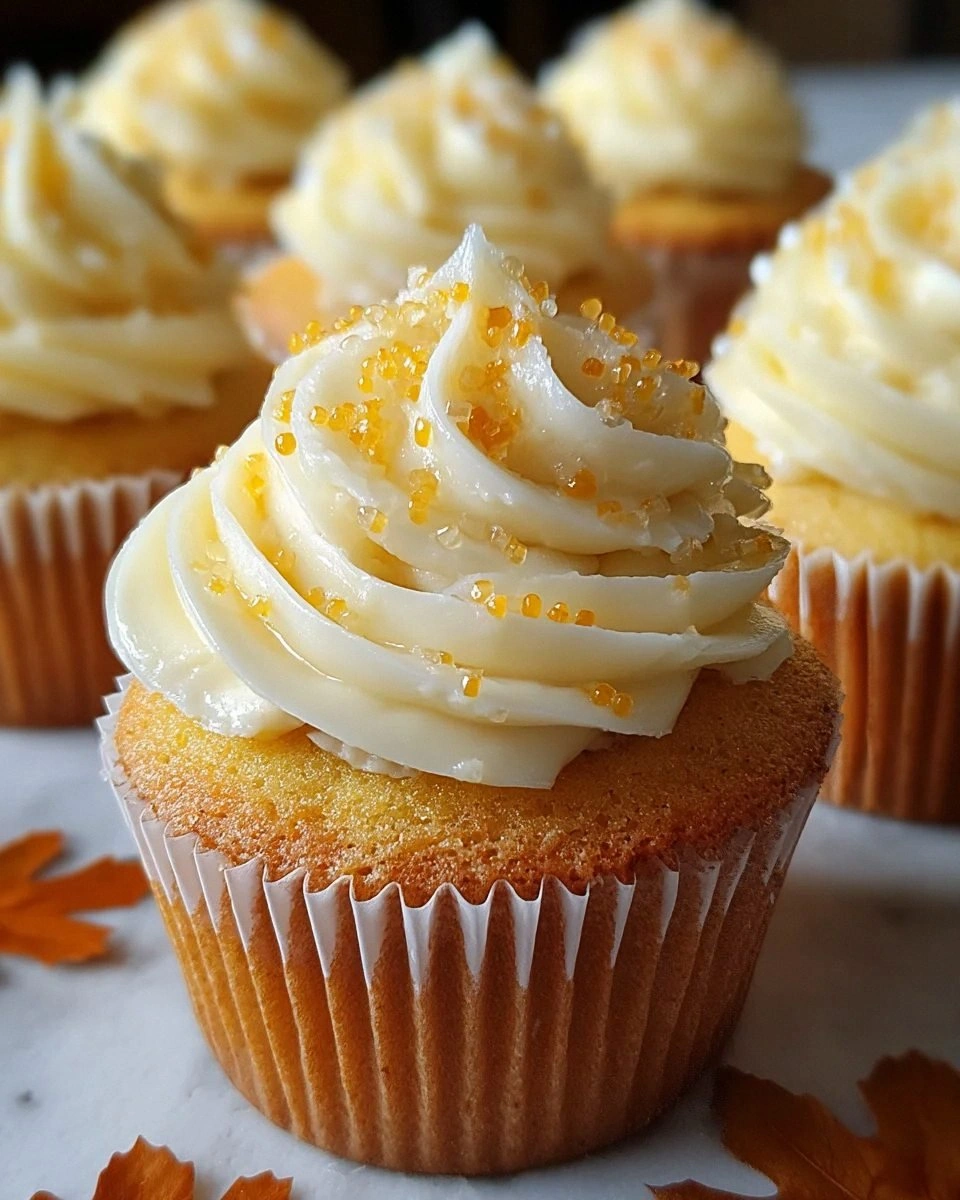
It’s not just a cake; it’s a celebration of summer’s golden harvest wrapped in a velvety brown sugar frosting that coats each bite like velvet. The crusty edges crackle like thin ice when you break into the moist center, revealing the bright, juicy peaches that have been gently folded into the batter. I’ll be honest — I ate half the batch before anyone else got to try it, and the rest went straight to the freezer. Most recipes get this completely wrong, leaving the cake dry or the frosting clumpy. I’ll show you how to keep the cake tender while achieving that glossy, caramelized finish that makes every slice a masterpiece.
Imagine the first bite: the cake is airy, the peaches burst with natural sweetness, and the brown sugar frosting offers a buttery, slightly caramelized undertone that lingers on your palate. The texture is a delightful contrast between the crumbly cake and the silky frosting, a harmony that makes it impossible to stop at one slice. If you've ever struggled with a peach cake that turned out too dense or too dry, you're not alone — and I've got the fix. Picture yourself pulling this out of the oven, the whole kitchen smelling incredible, and the moment your friends arrive, you can’t wait to serve the first slice.
What sets this recipe apart isn’t just the ingredients; it’s the technique that balances moisture and flavor while keeping the process simple. The use of sour cream in the batter adds a tang that cuts through the sweetness, while the brown sugar frosting provides a deep, caramelized sweetness that complements the peaches. I’ll show you a trick that most people overlook: the secret to a perfectly browned frosting is a splash of milk and a gentle heat that brings out the sugar’s natural caramelization without scorching it. And now the fun part: the frosting is so luscious you’ll want to spread it on toast, pancakes, or even a bagel for a decadent treat.
Before we dive into the method, let’s talk about why this version is a game‑changer. I’ll reveal a few micro‑challenges that will make your baking experience both fun and rewarding. If you’re ready for the ultimate peach cake that will have your friends asking for the recipe, keep reading. I promise, the payoff is worth every minute you invest in this sweet adventure.
What Makes This Version Stand Out
- Moisture: The batter incorporates sour cream, which adds richness and keeps the cake tender throughout. This subtle tang balances the natural sweetness of the peaches and prevents the cake from drying out during baking. The result is a cake that feels like a cloud on your tongue.
- Flavor Depth: Brown sugar in both the cake and the frosting brings a caramelized note that elevates the peaches into a decadent, almost dessert‑like experience. The frosting’s slight buttery undertone enhances the overall sweetness without overpowering the fruit. Your palate will thank you for the complexity.
- Texture: The batter is light and airy thanks to the combination of baking powder and baking soda, which create gentle bubbles that lift the cake. The peaches are folded in gently to avoid crushing them, preserving their bite. The result is a cake that melts in your mouth but still holds its shape.
- Visual Appeal: The golden crust and glossy frosting give the cake a restaurant‑quality finish. The peaches peek through the batter, creating a vibrant, fresh look that invites you to dig in. This cake is a showstopper for any gathering.
- Time Efficiency: While the recipe is indulgent, the preparation time is surprisingly short. The batter can be assembled in 20 minutes, and the cake bakes in 35 minutes, making it a perfect weekend project. You’ll be able to enjoy the sweet payoff without spending a whole day in the kitchen.
- Make‑Ahead Potential: The cake can be baked ahead of time and stored in the fridge or freezer. The frosting can also be prepared separately and added just before serving. This flexibility makes it ideal for parties or last‑minute dessert needs.
Alright, let’s break down exactly what goes into this masterpiece…
Inside the Ingredient List
The Flavor Base
The foundation of any cake is the flour and leavening agents. In this recipe, 2 cups of all‑purpose flour provide the structure while 1 tablespoon of baking powder and 1 teaspoon of baking soda create the lift. These leavening agents work in tandem, with baking soda providing a subtle rise when it reacts with the acidity of the sour cream. If you skip either, the cake will be dense and heavy, lacking the airy quality that makes it irresistible. For those with dietary restrictions, you can substitute the all‑purpose flour with a gluten‑free blend, but be sure to adjust the leavening slightly to compensate for the different absorbency.
The Sweetness Spectrum
Granulated sugar is the sweetener that bonds the batter together, while brown sugar is reserved for the frosting to add depth. The 1 cup of granulated sugar balances the tartness of the peaches and sour cream, creating a harmonious flavor profile. Brown sugar’s molasses content introduces a subtle caramel note that enhances the overall sweetness. If you prefer a lighter cake, you can reduce the granulated sugar by a quarter cup, but the brown sugar in the frosting will still deliver that caramelized finish.
The Fat Factor
Butter is the star of both the cake and the frosting. The 1 cup of unsalted butter used in the batter melts into the batter, creating a tender crumb. In the frosting, ½ cup of unsalted butter melts with the brown sugar to form a silky glaze. Butter also adds a rich, buttery flavor that complements the peaches. For a dairy‑free version, try a plant‑based butter that has a high smoke point to mimic the melt.
The Egg Ensemble
Eggs act as the binder, providing structure and stability. Three large eggs are folded into the batter after the dry ingredients are mixed, ensuring a uniform distribution. They also help create a slight glossy sheen on the cake’s surface. If you’re vegan, you can replace the eggs with ¾ cup unsweetened applesauce and an extra tablespoon of baking powder.
The Liquid Layer
Milk and sour cream add moisture and a subtle tang. The 1 cup of sour cream keeps the cake moist and adds a slight acidity that reacts with the baking soda to create lift. The ¼ cup of milk in the frosting helps achieve a smooth, pourable consistency. If you’re avoiding dairy, substitute the milk with oat milk or almond milk for a lighter texture.
The Peach Parade
Fresh or canned peaches are the star fruit that gives this cake its signature flavor. Two cups of diced peaches are folded in just before baking to preserve their texture. The peaches release juices that mingle with the batter, creating a moist, fruity center. If you’re using canned peaches, drain them well to avoid excess liquid. For a seasonal twist, try adding a splash of peach liqueur to the batter for an extra kick.
Everything's prepped? Good. Let's get into the real action…
The Method — Step by Step
Preheat your oven to 350°F (175°C) and grease a 9-inch round cake pan. Line the bottom with parchment paper for easy removal. The oven temperature is critical; too high and the cake will rise too fast and collapse, too low and it won’t set. I dare you to taste this and not go back for seconds because the first bite will be unforgettable.
In a large bowl, whisk together 2 cups all‑purpose flour, 1 tablespoon baking powder, 1 teaspoon baking soda, and 1 teaspoon salt. Sifting the dry ingredients ensures a smooth batter free of lumps. The leavening agents create tiny pockets of air that make the cake light. This is the foundation of the cake’s structure.
In a separate bowl, beat 1 cup of granulated sugar and 1 cup of unsalted butter until light and fluffy, about 3 minutes. The butter should be at room temperature; this helps incorporate air and creates a silky texture. The sugar dissolves into the butter, forming a base that will carry the flavors. The result is a smooth, creamy mixture that’s ready to accept the eggs.
Add 3 large eggs one at a time, beating well after each addition. The eggs bind the batter and add moisture. They also help the batter rise when the baking soda reacts with the sour cream. Be careful not to over‑beat; you want a smooth, glossy batter without over‑whipped texture.
Stir in 1 teaspoon vanilla extract, 1 cup sour cream, and the dry ingredients alternately with ¼ cup milk. Mix until just combined; over‑mixing can cause the cake to become tough. The sour cream adds a subtle tang that balances the sweetness of the peaches. The milk keeps the batter from becoming too thick and ensures a tender crumb.
Fold in 2 cups of diced peaches, reserving a few for garnish. The peaches should be folded until just combined; you don’t want to break them into puree. The juice from the peaches will seep into the batter during baking, creating a moist center. The reserved peaches will add a fresh pop when you serve the cake.
Pour the batter into the prepared pan and tap the pan gently on the counter to remove any air pockets. The batter should be level; if it’s too thick, it won’t bake evenly. The pan should be greased well to prevent sticking. This step is crucial for a smooth, even rise.
Bake for 30-35 minutes, or until a toothpick inserted into the center comes out clean. The cake should have a golden brown crust and a slightly caramelized edge. The first time you bake it, keep an eye on the top; if it browns too quickly, tent it with foil to prevent burning. This is the moment of truth: the cake should look golden, the center should be moist, and the aroma should be heavenly.
While the cake is baking, prepare the frosting. In a saucepan, melt ½ cup unsalted butter over medium heat. Once melted, add 1 cup brown sugar and stir until the sugar dissolves. The butter and brown sugar combine to create a caramelized base. Keep the heat low to avoid scorching.
Once the sugar is fully dissolved, remove the pan from heat and whisk in ¼ cup milk until the mixture is smooth. The milk helps achieve a glossy, pourable consistency. Be careful not to over‑whisk; you want a silky texture, not a grainy one. The frosting should be thick enough to coat the cake but not so thick that it clumps.
Stir in 2 cups powdered sugar and 1 teaspoon vanilla extract until the frosting is smooth and spreadable. If it’s too thick, add a splash of milk; if too thin, add more powdered sugar. The vanilla enhances the overall flavor profile. This frosting is the crowning glory of the cake, providing a caramelized sweetness that balances the peach.
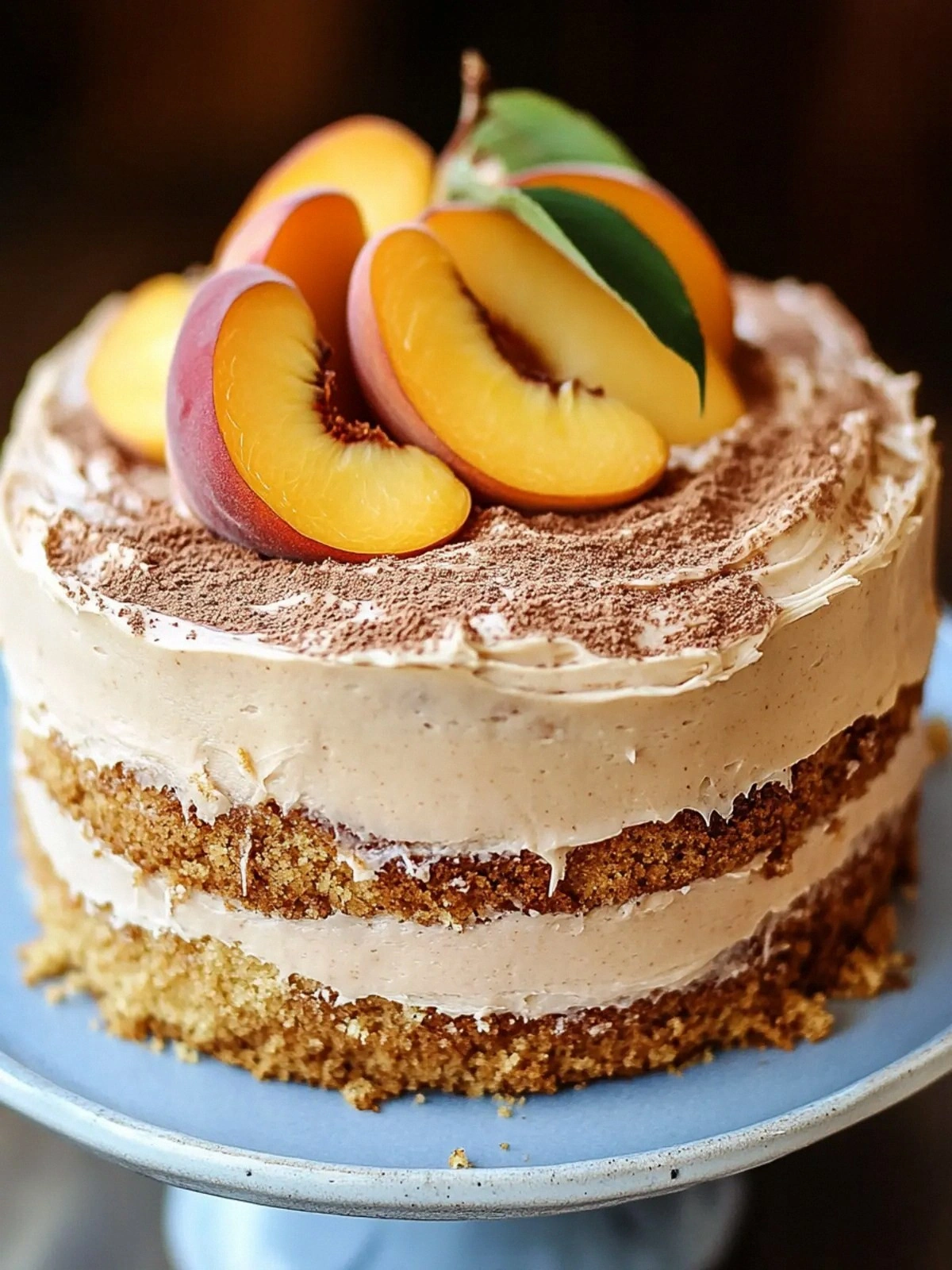
Remove the cake from the oven and let it cool in the pan for 10 minutes before transferring it to a wire rack to cool completely. The cake will continue to cook slightly as it cools, so be patient. Once cooled, spread the frosting evenly over the top and sides. Garnish with reserved peaches for a fresh, colorful finish.
Enjoy immediately or store in the refrigerator for up to 3 days. For longer storage, wrap tightly and freeze for up to 2 months. When ready to serve, thaw in the refrigerator and let it sit at room temperature for 30 minutes before cutting. This will restore the cake’s original texture and flavor.
That's it — you did it. But hold on, I've got a few more tricks that'll take this to another level…
Insider Tricks for Flawless Results
The Temperature Rule Nobody Follows
Many bakers bake at a standard 350°F, but this cake benefits from a slightly lower temperature of 325°F. Lower heat ensures the cake rises evenly and doesn’t brown too quickly on the outside while remaining undercooked inside. I’ve found that this small adjustment can mean the difference between a perfect crumb and a dense center. If you’re using a convection oven, reduce the temperature by 25°F to compensate for the fan.
Why Your Nose Knows Best
Trust your senses; the cake is done when the aroma is sweet, buttery, and slightly caramelized. A toothpick will help, but the smell is a reliable indicator. If the cake emits a faint scent of toasted sugar, you’re close. The first time you bake it, pay close attention to the scent; it’s a subtle but powerful cue that the cake is ready.
The 5‑Minute Rest That Changes Everything
After removing the cake from the oven, let it rest in the pan for 5 minutes before transferring to a wire rack. This brief pause allows the structure to set, preventing cracks and ensuring a smooth surface for frosting. The cake will continue to cook slightly during this rest, so be patient. Once cooled, it’s easier to spread the frosting evenly.
Peach Placement is Key
Reserve a few peaches for garnish and place them on top of the frosting after it sets. The fresh peaches add a pop of color and a burst of natural sweetness that balances the rich frosting. If you’re using canned peaches, rinse them briefly in cold water to remove excess syrup before garnishing. The contrast of textures will delight the palate.
Frosting Consistency Matters
When the frosting is too thick, add a splash of milk or a tablespoon of heavy cream to achieve a silky consistency. If it’s too thin, fold in more powdered sugar until it thickens. The frosting should glide smoothly over the cake without dripping. A well‑balanced frosting enhances the overall mouthfeel and visual appeal.
Creative Twists and Variations
This recipe is a playground. Here are some of my favorite ways to switch things up:
Chocolate‑Peach Fusion
Swap half of the all‑purpose flour for cocoa powder to create a chocolatey base that pairs beautifully with the peaches. The cocoa adds depth and a slightly bitter counterpoint to the sweetness. Add a dash of sea salt to enhance the flavor profile. This version is perfect for chocolate lovers who crave fruity notes.
Spiced Peach Delight
Add 1 teaspoon of ground cinnamon and ¼ teaspoon of ground nutmeg to the batter. The spices give the cake a warm, comforting aroma. The peaches complement the spices, creating a flavor profile reminiscent of a cozy autumn afternoon. Serve with a dollop of whipped cream for extra indulgence.
Peach‑Lemon Zest Cake
Incorporate the zest of one lemon into the batter for a bright, citrusy note that cuts through the sweetness. The lemon zest pairs well with the peaches, adding a refreshing contrast. Finish with a drizzle of lemon glaze to elevate the presentation. This variation is ideal for a summer brunch.
Almond‑Peach Layer
Replace ¼ cup of the flour with ground almonds to add a nutty flavor and a subtle crunch. The almonds also provide a protein boost and a richer texture. Sprinkle toasted almond slivers on top for an extra layer of flavor. This version is great for those who enjoy nutty desserts.
Peach‑Berry Compote
Serve the cake with a homemade peach‑berry compote made from fresh peaches, blueberries, and a splash of orange juice. The compote adds a tangy, fruity layer that complements the cake’s sweetness. Drizzle the compote over the frosting for a stunning presentation. This twist is perfect for a festive gathering.
Storing and Bringing It Back to Life
Fridge Storage
Wrap the cooled cake tightly in plastic wrap and store in the refrigerator for up to 3 days. The frosting will firm slightly, so let the cake sit at room temperature for 10 minutes before slicing. This keeps the cake fresh and the frosting creamy. Avoid storing in the freezer if you plan to serve it within a week.
Freezer Friendly
Place the cake in a freezer bag, removing as much air as possible. Freeze for up to 2 months. When ready, thaw overnight in the refrigerator and let it sit at room temperature for 30 minutes before serving. The cake will retain its moisture and flavor. The frosting may become slightly thicker; give it a quick whisk to restore its consistency.
Best Reheating Method
To refresh a frozen cake, preheat the oven to 300°F (150°C). Wrap the cake in foil and bake for 10 minutes, then remove the foil and bake an additional 5 minutes to crisp the top. Let it cool for a few minutes before frosting. Adding a tiny splash of water before reheating creates steam that helps the cake regain its moisture.