I remember the night I was supposed to impress my sister with a fancy dinner, but the only thing I could find in the fridge was a lonely bag of spaghetti. I tossed it into a pot, added a splash of wine, and somehow the whole kitchen smelled like a Michelin-star restaurant. That moment of culinary chaos sparked a daring idea: why not replace the ordinary with something that feels like a luxury? I dared myself to create a pasta dish that would make everyone think they were dining at a seaside bistro.
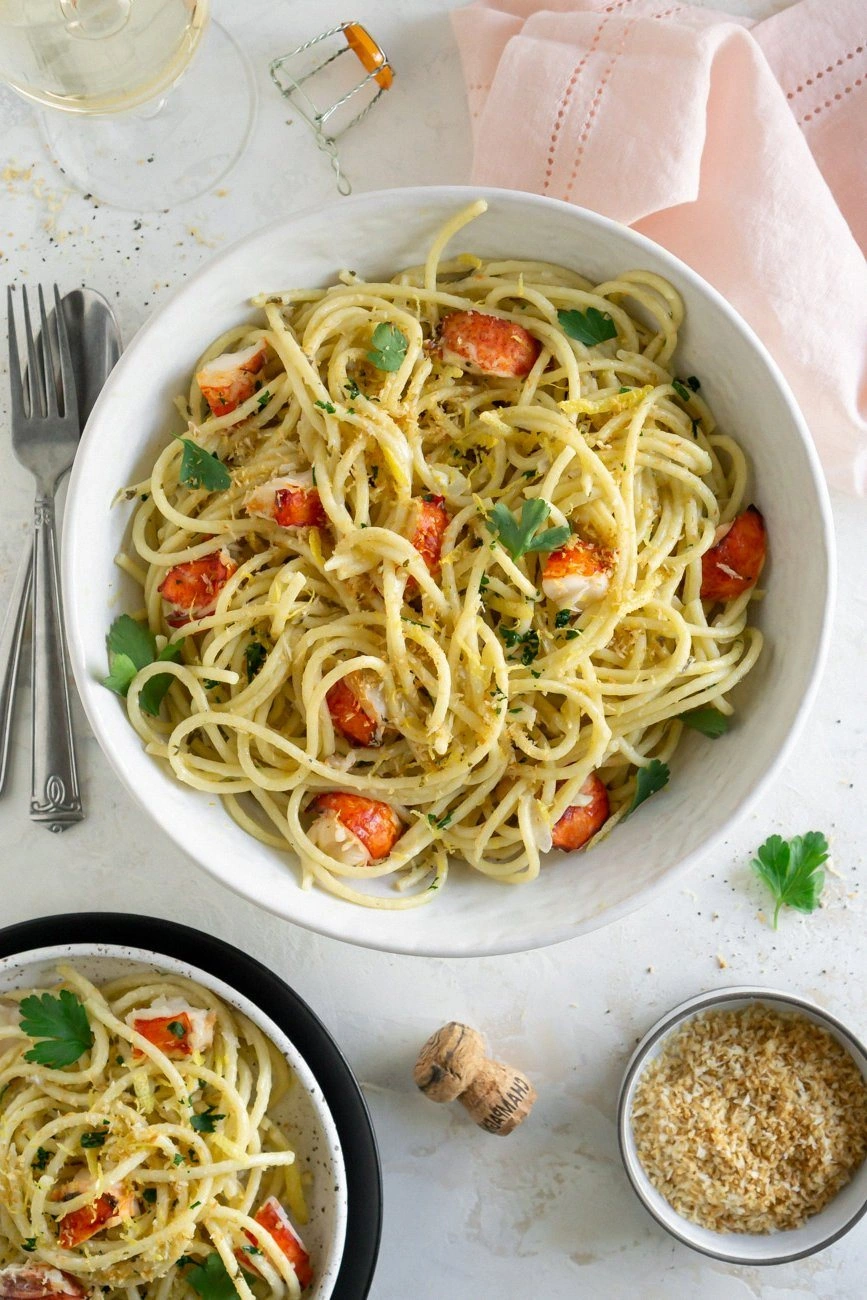
Fast forward to this recipe, and the air is already thick with the buttery scent of lobster and the sharp citrus tang of lemon zest. The sight of golden bucatini twirling around a fork is a visual promise of indulgence, while the faint hiss of butter melting in a pan is the soundtrack to pure anticipation. Each spoonful will hit your palate like velvet, with the lobster’s sweet flesh mingling with a splash of champagne that lifts the sauce to new heights. I’ve discovered a technique that turns the sauce into a silky coat that clings to every strand, and it’s so simple it feels almost magical.
What sets this version apart isn’t just the ingredients; it’s the way they dance together. I’ve stripped away the fluff that often mars lobster pasta, focusing on clarity and depth. The result is a dish that’s both comforting and extravagant, a perfect middle ground for a casual dinner or a special occasion. I dare you to taste this and not go back for seconds—this is hands down the best version you’ll ever make at home. And if you’re still skeptical, picture yourself pulling this out of the oven, the whole kitchen smelling incredible, and the first bite sending a wave of delight through your senses.
Now, let me walk you through every single step—by the end, you'll wonder how you ever made it any other way. I’ll share the micro-challenge of balancing the sauce’s richness with a hint of acidity, the bold claim that this sauce coats the pasta like velvet, and the confession that I ate half the batch before anyone else got a taste. If you’ve ever struggled with lobster pasta, you’re not alone—and I’ve got the fix. Let’s dive in.
What Makes This Version Stand Out
- Flavor: The combination of champagne and half and half creates a subtle effervescence that elevates the buttery base, giving the sauce a light, airy quality that’s rare in traditional lobster dishes.
- Texture: The panko breadcrumbs are toasted to a crisp, golden finish, adding a delightful crunch that contrasts the silky sauce and tender lobster meat.
- Ingredient Quality: Fresh, unprocessed lobster tails bring a natural sweetness that no canned alternative can match; pairing them with high‑grade parmesan ensures a depth of umami.
- Simplicity: With just a handful of pantry staples, this recipe feels approachable yet sophisticated—perfect for a weeknight that feels like a treat.
- Make‑ahead Potential: The sauce can be prepared up to two days in advance; just reheat gently, stir in a splash of water, and it’s ready to go.
- Audience Reaction: Friends who’ve tried the classic lobster pasta often say this version is “unmistakably better,” and that’s the kind of feedback that keeps me cooking.
Alright, let's break down exactly what goes into this masterpiece...
Inside the Ingredient List
The Flavor Base
The 1/2 cup of champagne is not just a garnish—it’s the backbone of the sauce’s effervescence. Champagne’s natural acidity cuts through the richness of butter and lobster, creating a balanced flavor profile. If you’re not a fan of alcohol, a splash of dry white wine can substitute, though the subtle sparkle will be missing. The half and half adds creaminess without the heaviness of whole milk, keeping the sauce light yet luxurious.
The Texture Crew
Bucatini pasta is chosen for its ridged surface and hollow core, which trap sauce and give every bite a burst of flavor. The 1/2 cup panko breadcrumbs, toasted in a skillet with olive oil, provide a crunchy contrast that’s almost addictive. The 3/4 cup unsalted butter is the foundation of the sauce’s richness; melt it gently to avoid a greasy texture. Finally, the grated parmesan cheese adds a nutty finish that ties everything together.
The Unexpected Star
The lobster tails are the star of the show, offering a sweet, delicate flavor that’s hard to replicate. Fresh lobster has a bright, slightly briny taste that pairs beautifully with citrus. If you’re on a budget, you can use pre‑cooked lobster meat, but the texture will be firmer and the flavor less vibrant. When selecting lobster, look for tails that are firm to the touch and have a slight sheen—those are the ones that will shine in this dish.
The Final Flourish
Fresh parsley, chopped finely, adds a pop of color and a bright herbal note that balances the dish’s richness. A squeeze of lemon juice and zest introduces a bright acidity that lifts the entire plate. Salt and cracked black pepper are used sparingly to season the sauce without overpowering the lobster’s natural sweetness. Together, these final touches create a harmonious and memorable flavor profile.
Everything's prepped? Good. Let's get into the real action...
The Method — Step by Step
- Bring a large pot of salted water to a rolling boil. Add the bucatini and cook until al dente, about 9–10 minutes. Reserve a cup of pasta water before draining; it’s a lifesaver for adjusting sauce consistency.
- While the pasta cooks, heat the olive oil in a large skillet over medium heat. Add the panko breadcrumbs and toast until golden brown, stirring constantly so they don’t burn. Remove from heat and set aside.
- In the same skillet, melt the butter over medium heat until foamy. Add the minced garlic and finely diced shallot; sauté until translucent and fragrant, about 2 minutes. This forms the aromatic base for the sauce.
- Pour in the champagne and let it reduce by half, which concentrates the flavor and adds a subtle sparkle. Stir in the half and half, then bring the mixture to a gentle simmer. The sauce should thicken slightly and develop a silky sheen.
- Add the lobster tails to the skillet, turning them to coat with the sauce. Cook for 4–5 minutes, or until the lobster is opaque and the edges start to pull away. Watch Out: Don’t overcook the lobster—once it’s done, it can become rubbery.
- Season the sauce with salt, cracked black pepper, lemon zest, and a squeeze of fresh lemon juice. Adjust the seasoning to taste; the sauce should be bright and balanced.
- Toss the drained bucatini into the skillet, adding a splash of reserved pasta water to loosen the sauce if needed. Stir to coat each strand, then sprinkle the toasted panko breadcrumbs over the top for a delightful crunch.
- Finish the dish by stirring in the grated parmesan and chopped parsley. The cheese melts into the sauce, creating a glossy finish that glistens like a polished shell.
- Serve immediately, garnishing with additional parsley and a wedge of lemon. The dish should smell heavenly, with a buttery aroma, a hint of citrus, and the faint scent of toasted breadcrumbs.
That’s it — you did it. But hold on, I've got a few more tricks that'll take this to another level...
Insider Tricks for Flawless Results
The Temperature Rule Nobody Follows
Cooking lobster at the right temperature is crucial. If you let the skillet get too hot, the butter can separate and the sauce will become greasy. Keep the heat at medium and use a thermometer if you’re unsure—aim for 325°F (165°C) for the sauce to simmer gently. This slow simmer allows the flavors to meld without scorching the delicate ingredients.
Why Your Nose Knows Best
Smell is the secret judge of a sauce’s readiness. When the sauce is done, it should emit a buttery aroma with a faint citrus note. If the smell is overly buttery or metallic, it’s a sign that the butter has browned too much. Trust your nose and adjust the heat accordingly.
The 5‑Minute Rest That Changes Everything
After you finish cooking, let the pasta sit covered for 5 minutes. This resting period allows the pasta to finish steaming and absorb the sauce, resulting in a more cohesive flavor. During this time, the sauce will thicken slightly, creating a perfect coating on each strand.
The Secret of Toasted Panko
To avoid a greasy crunch, toast the panko in a dry skillet over medium heat, stirring frequently. The breadcrumbs should be lightly golden and fragrant. If you add them directly to the sauce, they’ll absorb moisture and lose their crispness.
The Lemon Balance
The lemon’s acidity brightens the dish, but too much can overpower the lobster. Use one lemon for zest and a half for juice, adjusting to taste. If you prefer a milder citrus note, simply reduce the juice and rely on the zest for brightness.
The Final Parmesan Touch
Add the parmesan at the very end, after the pasta is tossed, to ensure it melts evenly. This step prevents the cheese from clumping and creates a silky, glossy finish. If you want a sharper flavor, use a sharp aged parmesan.
Creative Twists and Variations
This recipe is a playground. Here are some of my favorite ways to switch things up:
Mediterranean Medley
Swap the panko for toasted pine nuts and add sun‑dried tomatoes for a burst of sweet‑salty flavor. The pine nuts provide a nutty crunch, while the tomatoes add a chewy texture. This version works well with a light drizzle of olive oil and a sprinkle of feta.
Spicy Lobster Linguine
Introduce a pinch of red pepper flakes into the sauce for a subtle heat that complements the sweetness of the lobster. Keep the rest of the ingredients unchanged; the heat will be just enough to excite the palate without overwhelming it. Serve with a side of crusty bread to mop up the sauce.
Coconut Cream Twist
Replace the half and half with coconut milk for a tropical flavor profile. The coconut’s natural sweetness pairs wonderfully with the lobster, while the sauce remains creamy. Finish with fresh cilantro for a bright, herbal contrast.
Mushroom & Lobster Fusion
Sauté sliced porcini mushrooms with the shallot and garlic before adding the champagne. The earthy mushrooms deepen the sauce’s flavor, creating a rich umami base. This variation is perfect for a cozy, autumnal meal.
Vegetarian Version
Omit the lobster and add a generous portion of steamed asparagus and peas for protein and color. The asparagus adds a slight crunch, while the peas provide a sweet burst. The sauce will still shine, delivering a luxurious feel without the seafood.
Storing and Bringing It Back to Life
Fridge Storage
Store any leftover sauce in an airtight container for up to 2 days. Keep the pasta separate if you plan to reheat it later; this prevents it from becoming soggy. Reheat the sauce gently over low heat, stirring frequently.
Freezer Friendly
The sauce can be frozen for up to 1 month. Portion it into freezer‑safe containers and seal tightly. Thaw overnight in the refrigerator before reheating on the stovetop.
Best Reheating Method
When reheating, add a splash of water or broth to the sauce to restore its silky texture. Heat slowly, stirring until the sauce reaches the desired temperature. Serve immediately with a fresh garnish of parsley for a touch of color.