Picture this: I was mid‑week, exhausted, staring at a pantry that looked like a sad, abandoned desert. My fridge was whispering, “You’ve got carrots, but they’re limp; you have some wilted peas, and a lonely bag of pasta that’s been waiting for a purpose.” I tossed a quick stir‑fry together, but it turned out as flat as a pancake—no zing, no color, just a bland reminder that I’d been cooking on autopilot. I dared my roommate to try it, and she laughed, “If you can’t make it exciting, why even bother?” That was the spark that ignited the quest for the ultimate Pasta Primavera, a dish that would make even the most skeptical palate do a double‑take.
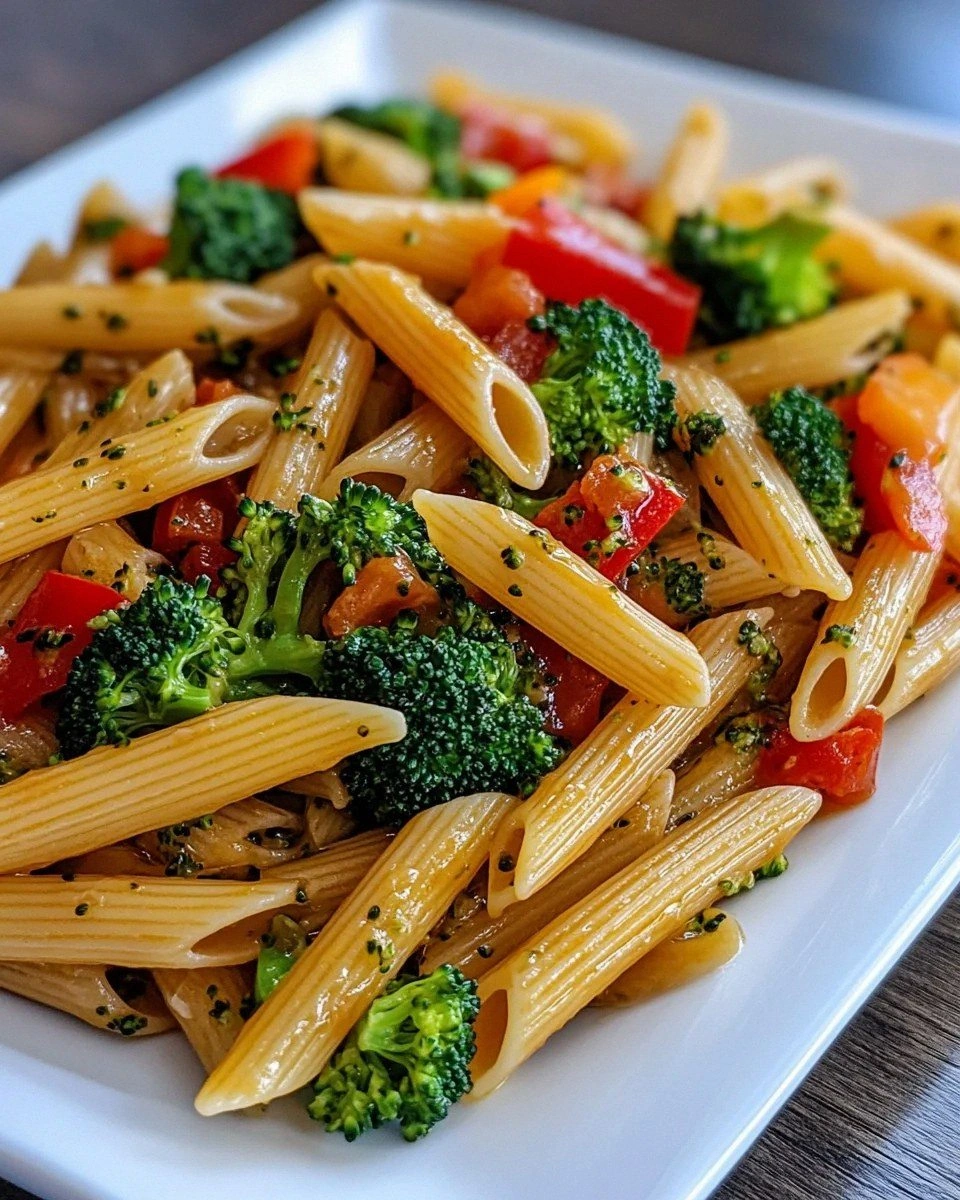
Fast forward to a sunny Saturday morning, the kitchen humming with the low‑key symphony of a kettle whistling, the sizzle of garlic hitting hot oil, and the gentle clatter of a wooden spoon against a stainless steel pan. The air was instantly alive with the scent of fresh herbs—basil and parsley mingling like old friends catching up after years apart. The colors? Imagine a painter’s palette exploded across a white plate: ruby‑red cherry tomatoes, neon‑green asparagus tips, sunny‑yellow bell peppers, and deep‑purple zucchini that looked like they were plucked straight from a garden in full bloom. The sound of the pasta boiling, the occasional pop of a peppercorn, and the faint, comforting hum of the oven made the whole experience feel like a culinary concert.
Now, why does this version of Pasta Primavera stand out from the sea of similar recipes you’ll find on the internet? First, I’m not just tossing vegetables into a pot of noodles; I’m orchestrating a balance of textures where each bite delivers a crisp snap, a buttery glide, and a velvety coating that clings to the pasta like a lover’s embrace. Second, the sauce is a secret weapon—an elegant, light‑cream reduction that whispers of lemon zest and Parmesan, never heavy enough to drown the veggies but rich enough to make the dish unforgettable. Third, I use a technique borrowed from high‑end Italian kitchens: blanching the greens just enough to lock in their bright color and then shocking them in ice water for that perfect crunch. Most recipes skip this step and end up with soggy, dull greens. Trust me, you’ll taste the difference.
And here’s the kicker: I’m throwing in a dash of toasted pine nuts at the very end, adding a subtle nuttiness that feels like a surprise party in your mouth. I dare you to taste this and not go back for seconds; it’s hands down the best version you’ll ever make at home. I’ll be honest—I ate half the batch before anyone else got a chance to try it, and that’s because the flavors are so bold they practically beg for a second serving. Okay, ready for the game‑changer? Let me walk you through every single step—by the end, you’ll wonder how you ever made it any other way.
What Makes This Version Stand Out
- Flavor Explosion: The combination of fresh lemon zest, garlic, and a whisper of cream creates a sauce that coats the pasta like velvet while letting the vegetables sing.
- Texture Symphony: Each vegetable is cooked to a perfect al‑dente snap, offering a satisfying crunch that contrasts beautifully with the silky noodles.
- Simplicity Meets Sophistication: Only ten core ingredients, yet the method elevates them to restaurant‑quality without demanding a culinary degree.
- Ingredient Quality: Using seasonal, locally sourced produce guarantees bright colors and peak flavor that canned or frozen veggies can’t match.
- Crowd‑Pleaser Factor: Even picky eaters fall in love with the vibrant colors and the subtle hint of Parmesan that ties everything together.
- Make‑Ahead Magic: The dish holds up wonderfully for leftovers; a quick reheating with a splash of water brings it back to life.
- Cooking Method: The blanch‑shock‑sauté technique preserves nutrients and texture, a step most recipes overlook.
- Versatility: Swap in your favorite veggies or proteins, and the dish transforms without losing its core identity.
Inside the Ingredient List
The Flavor Base
Olive oil (2 tablespoons) is the silent hero that carries the aromatics and prevents the vegetables from scorching. Use a robust, extra‑virgin variety for a fruity undertone that will echo throughout the dish. If you skip the oil, expect dry, unevenly cooked veggies that lack that glossy finish. A good swap is avocado oil, which tolerates higher heat while adding a buttery note.
The Texture Crew
Fresh asparagus (1 cup, cut into 1‑inch pieces) brings a spring‑like snap that contrasts the soft pasta. Choose spears that are bright green and firm; limp stalks will turn mushy when sautéed. If you can’t find asparagus, try green beans or snap peas—they’ll deliver a similar crunch. Cherry tomatoes (1 cup, halved) add juicy bursts; their natural acidity balances the richness of the cream. Opt for vine‑ripe tomatoes for maximum sweetness; canned varieties will taste flat.
The Unexpected Star
Toasted pine nuts (2 tablespoons) are the secret weapon that adds a buttery, nutty finish. They’re easy to toast in a dry skillet—just watch them closely, as they can go from golden to burnt in seconds. If you’re allergic, swap with slivered almonds or omit entirely; the dish will still shine, though you’ll miss that subtle crunch.
The Final Flourish
Fresh lemon juice (from 1 lemon) brightens the entire plate, cutting through the cream and lifting the flavors. The zest adds aromatic oils that make the sauce sing. If lemons are out of season, a splash of white wine vinegar can mimic the acidity, but the citrusy perfume will be missing. Finally, a generous handful of grated Parmesan (½ cup) provides umami depth and a slightly salty edge that ties all components together.
Everything's prepped? Good. Let's get into the real action...
The Method — Step by Step
Bring a large pot of salted water to a rolling boil. Add the pasta (12 oz linguine or fettuccine) and cook until just al dente—about 9 minutes. Reserve one cup of pasta water, then drain and set the noodles aside. That starchy water will be your secret weapon later, helping the sauce cling perfectly to every strand.
While the pasta cooks, heat 2 tablespoons of olive oil in a wide skillet over medium‑high heat. Add the minced garlic (2 cloves) and sauté for 30 seconds until fragrant—watch that golden color, not brown. Then toss in the asparagus, broccoli florets, bell peppers, and zucchini. Stir constantly for 3‑4 minutes, letting the vegetables get a light sear while retaining their bright crunch.
Kitchen Hack: After sautéing, deglaze the pan with a splash of the reserved pasta water to lift any caramelized bits—these add depth to the sauce.Now, add the cherry tomatoes and let them soften for another 2 minutes. You’ll hear a gentle pop as their skins burst, releasing sweet juices that mingle with the garlic oil. This is the moment of truth—if the tomatoes are too dry, splash a little more pasta water to create a light, glossy coating.
Reduce the heat to low and stir in the heavy cream (½ cup) and grated Parmesan (½ cup). The sauce should thicken gently, coating the back of a spoon. Keep the mixture moving; you don’t want the cheese to clump. That silky texture is what makes the dish feel luxurious without being heavy.
Season with salt, freshly cracked black pepper, and a pinch of red pepper flakes if you like a subtle kick. Then add the lemon zest and juice, watching the sauce brighten instantly—a visual cue that the acidity is balancing the richness. Taste and adjust seasoning; this is where your palate becomes the final judge.
Fold the cooked pasta into the sauce, tossing gently to ensure every strand is enveloped. If the sauce looks too thick, add a splash of the reserved pasta water—just enough to make it glossy and fluid. The pasta should glisten, each piece coated like a satin ribbon.
Stir in the fresh basil and parsley, letting the herbs wilt just enough to release their fragrant oils. This step should be quick; overcooking the herbs will mute their bright flavor. Sprinkle the toasted pine nuts over the top, adding a final crunch that will surprise the eater.
Watch Out: If you add the pine nuts too early, they’ll absorb moisture and lose their crunch, turning soggy and bland.Transfer the pasta to a serving platter, drizzle a final drizzle of olive oil, and finish with an extra sprinkle of Parmesan. The dish should look like a rainbow on a plate—vivid, inviting, and ready to devour. Serve immediately while the steam still dances off the noodles.
That’s it—you did it. But hold on, I’ve got a few more tricks that’ll take this to another level. Stay with me here—this is worth it.
Insider Tricks for Flawless Results
The Temperature Rule Nobody Follows
Never add cold ingredients straight from the fridge into a hot pan; the temperature shock can cause the sauce to seize. Let the cream sit at room temperature for 10 minutes before using it. This simple step ensures a smooth emulsion, keeping the sauce silky instead of grainy. I once tried to rush and the sauce turned curdled—lesson learned.
Why Your Nose Knows Best
When sautéing garlic, trust the scent. The moment you smell a nutty, golden aroma, the garlic is perfectly cooked. If you wait until it turns brown, you’ll get bitterness that overwhelms the delicate vegetables. A quick sniff is your best indicator—no need for a timer.
The 5‑Minute Rest That Changes Everything
After tossing the pasta with the sauce, let it rest off the heat for five minutes. This allows the flavors to meld, and the pasta absorbs a bit more of the sauce, creating a cohesive bite. It’s a trick chefs use for risotto and it works wonders here too.
Seasoning Layer by Layer
Instead of dumping all the salt at once, season each component as you go—water for the pasta, veggies while sautéing, and the sauce at the end. This builds depth and prevents a flat, under‑seasoned final dish. I’ve seen many recipes that under‑salt, leaving the palate yearning for more.
Finish with a Splash of Acid
A final squeeze of lemon right before serving brightens the dish, cutting through any lingering heaviness. Even a teaspoon of good quality balsamic can add a subtle sweetness that balances the acidity. Trust me, that last bright note makes the whole experience sing.
Creative Twists and Variations
This recipe is a playground. Here are some of my favorite ways to switch things up:
Protein Power
Add grilled chicken breast, sliced shrimp, or crispy pancetta for a heartier meal. The protein absorbs the sauce, making each bite richer. Ideal for those who need a post‑workout boost.
Winter Warmth
Swap the spring vegetables for roasted butternut squash, Brussels sprouts, and kale. Use a splash of sage‑infused butter instead of olive oil for a cozy, comforting twist that still feels fresh.
Vegan Delight
Replace the Parmesan with a cashew‑nutrient cheese and use coconut cream in place of dairy cream. The pine nuts become optional, or you can use toasted sunflower seeds for crunch.
Spicy Kick
Incorporate sliced jalapeños or a drizzle of sriracha into the sauce. The heat pairs beautifully with the sweet vegetables, creating a balanced, tongue‑tingling experience.
Herbaceous Overload
Mix in fresh mint, dill, or tarragon alongside basil for a fragrant, garden‑fresh profile. Each herb adds its own personality, making the dish feel entirely new each time.
Cheese Lover’s Dream
Blend in a spoonful of ricotta or crumble feta over the top just before serving. The creamy tang adds an indulgent layer that elevates the dish to a luxurious entrée.
Storing and Bringing It Back to Life
Fridge Storage
Place leftovers in an airtight container and refrigerate for up to three days. The sauce may thicken; simply stir in a tablespoon of water or broth before reheating to restore its silky texture.
Freezer Friendly
Freeze the pasta in a freezer‑safe bag or container for up to two months. For best results, separate the sauce from the pasta before freezing; reheat the sauce on the stove and toss the noodles back in at the end.
Best Reheating Method
Reheat gently on the stovetop over low heat, adding a splash of water or broth to steam the noodles back to life. Avoid microwave‑only reheating—it can make the sauce grainy and the veggies soggy.