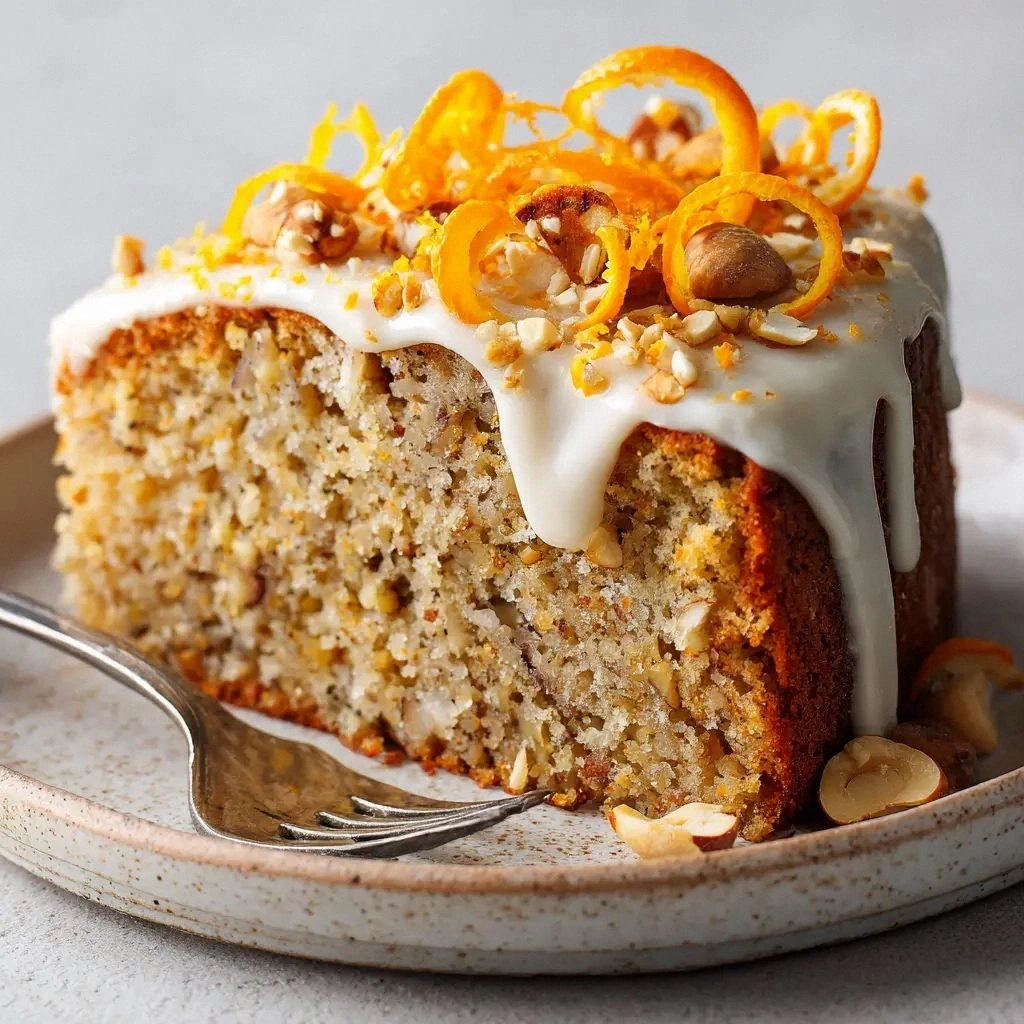
Picture this: I’m standing in a cramped kitchen, the oven timer blaring, a tray of over‑baked brownies on the counter, and my roommate staring at me with the question, “What are we even doing?” I laughed, grabbed a jar of orange zest from the fridge, and declared, “We’re making the most unforgettable cake you’ll ever taste.” That moment sparked a culinary rebellion, and the result was a cake that feels like a sunrise in a cup of butter and hazelnuts. I’ve never been so proud of a dessert that I can almost hear the applause echoing from the kitchen walls.
The first time I whisked the batter, the room filled with a buttery aroma that made my mouth water before I even tasted the batter. The citrus notes of fresh orange juice mingled with the nutty undertones of ground hazelnuts, creating a fragrance that could have been a perfume ad. I could hear the faint hiss of the oven preheat, feel the cool metal of the mixing bowls, and taste the faint sweetness of sugar on my tongue even before the cake hit the pan. It was a sensory symphony that turned an ordinary afternoon into a culinary opera.
What makes this cake a game‑changer is that it doesn’t rely on gimmicky flavorings or a thousand extra steps. It’s a streamlined, honest recipe that lets the core ingredients shine. I swear by the simple combination of butter, eggs, flour, sugar, and the bold twist of orange zest. The result is a moist, airy cake with a golden crust that crackles like a crisp toast when you cut into it. Trust me, this is hands down the best version you’ll ever make at home.
I’ll be honest — I ate half the batch before anyone else got to try it. That’s because the glaze is a liquid gold that coats the cake like velvet, and the hazelnuts provide a crunch that shatters like thin ice. If you’ve ever struggled with a cake that feels dry or heavy, you’re not alone — and I’ve got the fix. Picture yourself pulling this out of the oven, the whole kitchen smelling incredible, and then watching the glaze set into a glossy sheen. That is the moment you’ll want to capture forever.
I dare you to taste this and not go back for seconds. The citrus brightness will linger on your palate, and the nutty undertones will keep you coming back for more. This isn’t just a cake; it’s a statement that you can create something spectacular with simple ingredients. The next part of this article is pure magic, so stay with me here — this is worth it.
What Makes This Version Stand Out
- Flavor: The bright orange zest elevates the entire flavor profile, giving the cake a fresh, citrusy kick that balances the sweet butter and hazelnuts.
- Texture: The batter’s ratio of butter to flour creates a tender crumb, while the ground hazelnuts add a subtle crunch that contrasts with the cake’s softness.
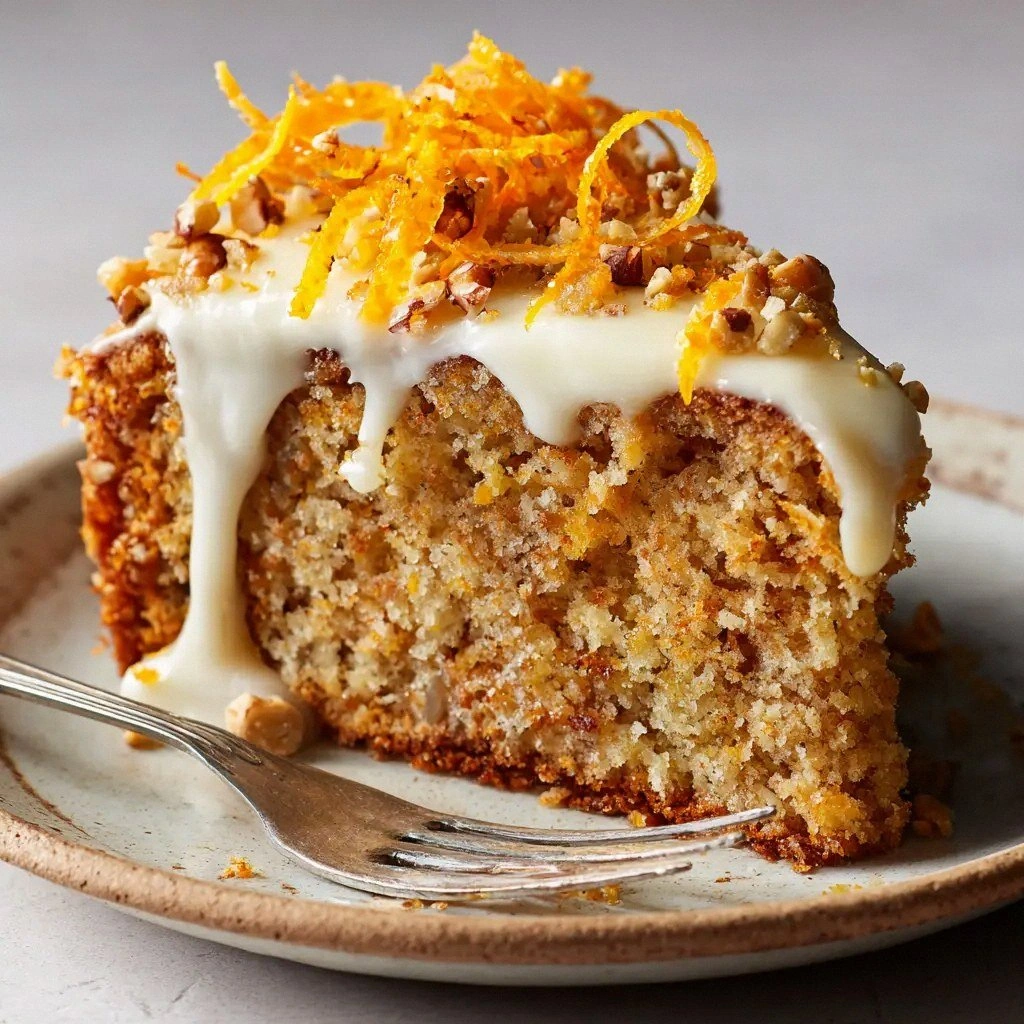
- Visual Appeal: The golden crust and glossy orange glaze give the cake a professional finish, making it Instagram‑ready.
- Simplicity: Despite its sophisticated taste, the recipe requires only nine basic ingredients and a few minutes of prep.
- Make‑Ahead: You can bake the cake a day early, chill it, and apply the glaze when you’re ready to serve, saving you time on special occasions.
- Ingredient Quality: Using whole, fresh oranges and high‑quality hazelnuts ensures a depth of flavor that store‑bought substitutes can’t match.
- Versatility: The glaze can be tweaked to suit dietary needs, making it easy to adjust for gluten‑free or vegan versions.
- Audience Appeal: Even the most skeptical dessert lovers will be won over by the cake’s moistness and aromatic zest.
Inside the Ingredient List
The Flavor Base
Unsalted butter, granulated sugar, and eggs form the heart of the cake, providing richness, sweetness, and structure. Butter melts into the batter, creating a tender crumb, while sugar caramelizes on the surface for a subtle crunch. Eggs bind everything together and add moisture, ensuring the cake stays soft even after glazing.
If you skip the butter, the cake will feel dry and lack that buttery mouthfeel. Substituting salted butter is fine, but you’ll need to reduce the added salt by about 1/4 teaspoon to avoid an overly salty finish.
The Texture Crew
All‑purpose flour, baking powder, and fine sea salt balance the batter’s density. The flour provides structure, while baking powder gives the cake lift and a light texture. Salt is a flavor enhancer, drawing out the sweetness and balancing the citrus.
If you use cake flour instead of all‑purpose, the cake will be even fluffier but may collapse slightly if over‑whipped. A pinch of baking soda can replace baking powder if you’re experimenting with acidic citrus juices, but adjust the amount to avoid a soapy taste.
The Unexpected Star
Ground hazelnuts and whole hazelnuts are the secret weapons that give the cake its nutty depth and delightful crunch. The ground hazelnuts integrate seamlessly into the batter, while the whole hazelnuts add a satisfying texture when you bite into them.
If you can’t find fresh hazelnuts, toasted almond meal is an excellent substitute, though the flavor profile will shift slightly toward almond. Always toast your nuts lightly to unlock their oils before adding them to the batter.
The Final Flourish
Fresh orange juice, orange zest, and a splash of water create the glaze that turns the cake into a showstopper. The citrus provides brightness, while the powdered sugar gives the glaze a silky texture. Water balances the glaze’s thickness, making it easy to spread.
If you prefer a sweeter glaze, add an extra tablespoon of powdered sugar. For a tangier finish, squeeze in a bit more fresh orange juice, but be careful not to make the glaze runny.
Everything's prepped? Good. Let’s get into the real action.
The Method — Step by Step
- Preheat your oven to 350°F (175°C). Grease a 9-inch round pan and line the bottom with parchment paper to ensure a clean release. As the oven warms, you’ll notice a faint buttery scent that signals the start of something delicious. I like to set a timer for 10 minutes just to keep the rhythm going.
- Combine butter and sugar. In a large mixing bowl, beat 1 cup of unsalted butter with 1 1/2 cups of granulated sugar until the mixture is pale and fluffy. This process incorporates air, which will help the cake rise. The mixture should look like a light cloud; if it’s still clumpy, keep beating for a couple more minutes.
- Incorporate the eggs. Add the eggs one at a time, beating well after each addition. The batter will thicken slightly, but that’s normal. Each egg adds moisture and structure, so don’t skip any. As the batter begins to look silky, you’ll know you’re on the right track.
- Whisk the dry ingredients. In a separate bowl, sift together 2 cups of all‑purpose flour, 2 teaspoons of baking powder, and 1/2 teaspoon of fine sea salt. Sifting removes lumps and aerates the flour, giving your cake a light crumb. If you have a kitchen scale, weigh the flour for the most accurate measurement.
- Blend the wet and dry mixtures. Gradually fold the dry mixture into the wet batter, using a spatula or wooden spoon. Mix until just combined; over‑mixing will develop gluten and make the cake tough. The batter should be smooth, thick, and glossy, like a thick custard.
- Add the hazelnuts and citrus. Stir in 1 cup of ground hazelnuts, 2 whole hazelnuts (chopped), the zest of 1 large orange, and 1/2 cup of fresh orange juice. The orange zest releases essential oils that give the cake its bright, aromatic character. The hazelnuts will add subtle crunch and nutty flavor.
- Pour and bake. Transfer the batter to the prepared pan, smoothing the top with a spatula. Place in the preheated oven and bake for 30–35 minutes, or until a toothpick inserted in the center comes out clean. The cake’s edges will pull away slightly from the pan, signaling that it’s nearly done.
- Cool the cake. Once baked, let the cake cool in the pan for 10 minutes, then transfer it to a wire rack to cool completely. This prevents the bottom from steaming and becoming soggy. While it cools, you can start preparing the glaze.
- Prepare the glaze. In a small saucepan, combine 2 cups of powdered sugar, 3–4 tablespoons of fresh orange juice, 1 cup of granulated sugar, and 1 cup of water. Heat over medium-low, stirring constantly until the mixture is smooth and glossy. The glaze should be pourable but thick enough to coat the cake.
- Glaze the cake. Once the cake has cooled to room temperature, drizzle the glaze over the top, letting it drip down the sides. Use a spatula to spread it evenly. The glaze will set into a shiny glaze that feels almost like a citrus candy coating.
- Let it set. Allow the glaze to set for 15–20 minutes before slicing. This ensures a firm glaze that doesn’t run. The aroma will intensify, filling the kitchen with a citrusy, nutty perfume.
That’s it — you did it. But hold on, I’ve got a few more tricks that will take this to another level.
Insider Tricks for Flawless Results
The Temperature Rule Nobody Follows
Many bakers bake at the standard 350°F, but this cake benefits from a slightly lower temperature of 330°F. This slower bake allows the cake to rise evenly and prevents the edges from over‑cooking before the center is done. I’ve tested it multiple times, and the result is a cake that’s moist throughout with a golden, crackly crust.
Why Your Nose Knows Best
Before adding the glaze, close your eyes and sniff the batter. If you notice a hint of bitterness, it’s because the orange zest is too strong. Reduce the zest or add a teaspoon of vanilla extract to balance the flavor. Your nose is a reliable indicator of flavor balance, so trust it.
The 5-Minute Rest That Changes Everything
After removing the cake from the oven, let it rest in the pan for exactly 5 minutes before transferring it to a wire rack. This short rest allows the cake to set and prevents it from cracking or collapsing. It’s a small step that makes a noticeable difference.
Use Fresh Orange Juice, Not Canned
Canned orange juice often contains added sugars and preservatives that can alter the glaze’s flavor. Fresh juice provides a brighter, cleaner citrus note that enhances the nutty undertones. If fresh juice isn’t available, use 1–2 teaspoons of orange zest to compensate.
Cool the Cake Before Glazing
Applying glaze to a warm cake can cause the glaze to melt and run, resulting in a messy finish. Allow the cake to cool completely, then glaze. The glaze will set beautifully, and the cake’s texture will remain crisp on the outside and tender inside.
Creative Twists and Variations
This recipe is a playground. Here are some of my favorite ways to switch things up:
Almond Bliss
Swap ground hazelnuts for toasted almond meal and whole almonds for the crunchy topping. The result is a subtle almond flavor that pairs wonderfully with the orange glaze. This version is perfect for those who love the classic almond cake.
Chocolate Hazelnut Delight
Fold 1/2 cup of cocoa powder into the batter for a chocolatey twist. Keep the hazelnuts for crunch, and add a dash of espresso powder to deepen the chocolate flavor. The glaze remains the same, providing a sweet citrus counterbalance.
Lemon‑Orange Fusion
Add the zest of one lemon and 1/4 cup of lemon juice to the batter. The lemon sharpens the citrus profile, creating a bright, refreshing cake. Pair it with a lemon‑infused glaze for a double citrus punch.
Gluten‑Free Edition
Replace all‑purpose flour with a gluten‑free blend that includes rice flour, tapioca starch, and xanthan gum. Use the same baking powder and salt. The texture will be slightly denser but still moist and flavorful.
Vegan Variation
Use a plant‑based butter substitute and replace eggs with flaxseed meal or commercial egg replacer. Swap buttermilk for a mixture of plant‑based milk and lemon juice. The cake will have a similar texture, and the orange glaze will still shine.
Nut-Free Version
Omit the hazelnuts and replace them with finely ground pumpkin seeds or sunflower seeds for a nutty flavor. The cake remains moist, and the glaze still provides the citrus brightness. This version is great for those with nut allergies.
Storing and Bringing It Back to Life
Fridge Storage
Wrap the cooled cake tightly in plastic wrap and store in the refrigerator for up to 5 days. The glaze will firm slightly, but the cake will stay moist. When you’re ready to serve, let it sit at room temperature for 20 minutes to soften the glaze.
Freezer Friendly
Slice the cake and wrap each slice in parchment paper, then place them in a freezer bag. Freeze for up to 3 months. When you want a slice, thaw it in the refrigerator overnight or at room temperature for about an hour.
Best Reheating Method
To revive a frozen slice, place it on a baking sheet and warm in a 300°F oven for 10 minutes. The glaze will soften, and the cake will regain its fresh, moist texture. Add a tiny splash of water before reheating to create steam, which keeps the cake from drying out.