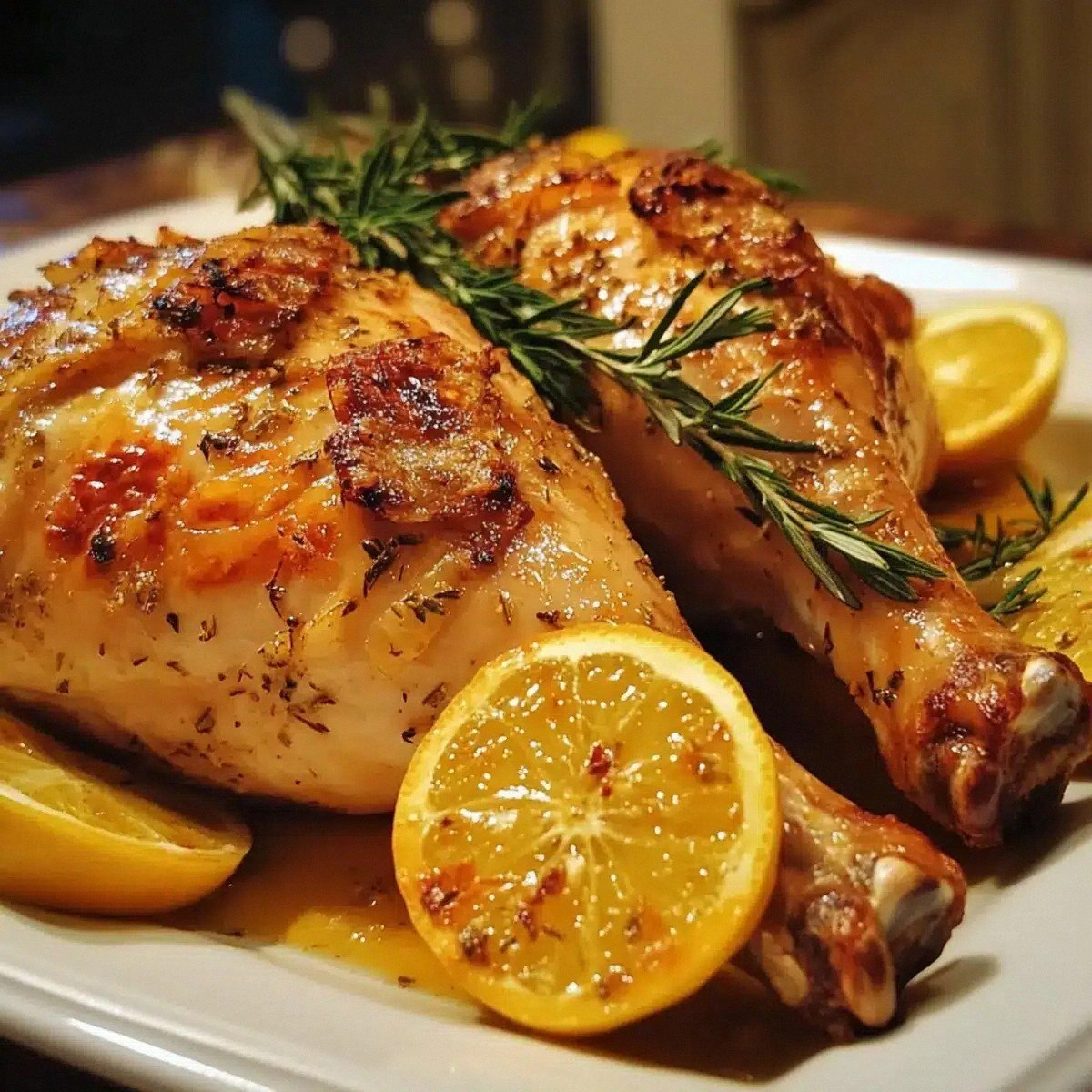
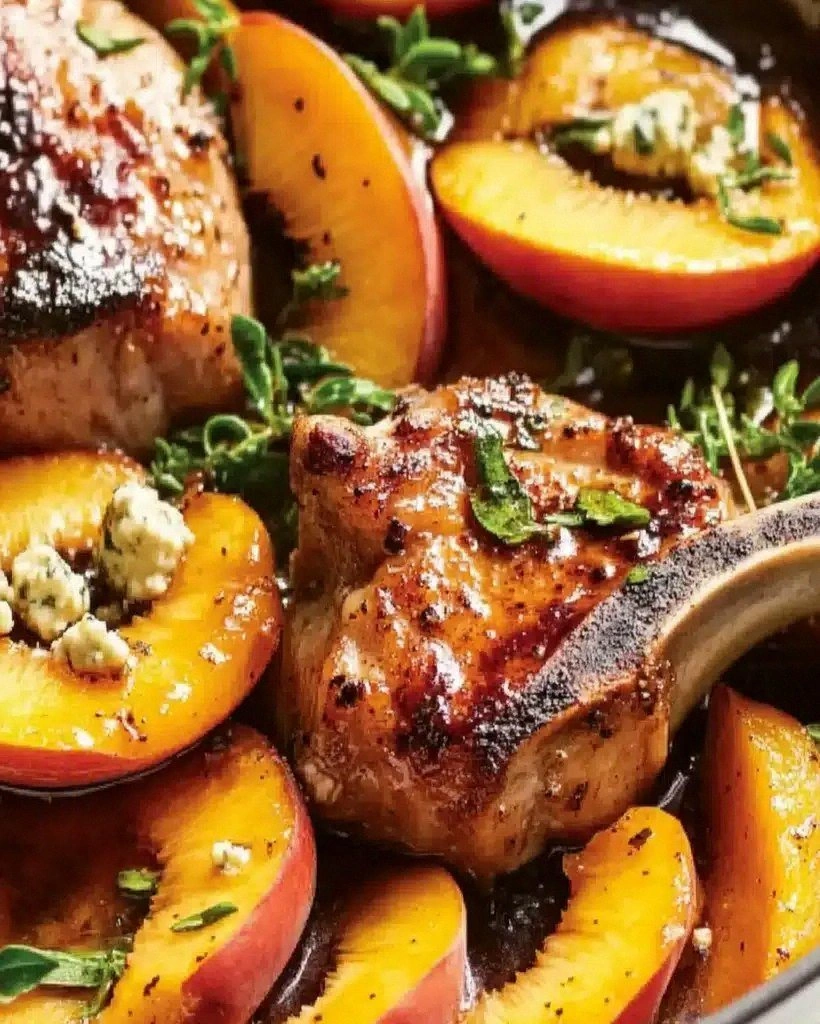
I still remember the night the kitchen turned into a battlefield, the smell of burnt garlic hanging in the air, and my friend’s skeptical stare as I tried to salvage a half‑roasted leg quarter. That disaster was the spark that ignited this obsession with the perfect, juicy, oven‑roasted lamb leg. I swear I could hear the sizzling promise of a crust that would make the neighbors stop by for a bite. That single moment taught me that a few tweaks can turn a kitchen calamity into a culinary triumph. If you’re tired of dry, bland roasts, this is the recipe that will rescue your dinner plans.
Picture a rack of golden‑brown lamb, its edges crackling like thin ice, the air thick with rosemary and garlic that tickles your nose. The first bite is a burst of savory, almost buttery richness that coats your tongue like velvet. The tender meat falls away from the bone in a single, satisfying pull, and the juices run down the plate, glistening like liquid gold. You hear the faint pop of onions caramelizing in the pan, the gentle hiss of broth reducing to a glossy glaze. The whole kitchen is wrapped in a fragrant blanket that makes you want to linger and savor every moment.
What sets this version apart is not just the flavor profile but the deliberate orchestration of ingredients and technique that keeps the meat moist and the flavors layered. I’ve spent months experimenting with marinades, rubs, and cooking times, and the result is a roast that delivers both depth and tenderness in one bite. The secret lies in the balance of acid, fat, and aromatics, coupled with a precise temperature that locks in moisture. It’s a method that works for every leg quarter, whether you’re cooking for a crowd or a quiet dinner at home. This is the recipe that will become the go‑to for any occasion that calls for a standout centerpiece.
And here’s a hint you won’t find in the usual cookbooks: a splash of red wine and a drizzle of honey before the final roast creates a caramelized glaze that is both sweet and savory, giving the lamb a glossy finish that looks as good as it tastes. The honey caramelizes just enough to add a subtle crunch to the crust, while the wine tenderizes the meat from the inside out. I dare you to taste this and not go back for seconds—your taste buds will thank you. This is hands down the best version you’ll ever make at home, and I’m about to walk you through every single step so you can replicate it flawlessly.
If you’ve ever struggled to keep a leg quarter juicy, you’re not alone—and I’ve got the fix. Picture yourself pulling this out of the oven, the whole kitchen smelling incredible, and the guests lining up for the first forkful. The moment the lid lifts, the aroma will have you swooning, and the first bite will confirm that you’ve mastered the art of oven roasting. Stay with me here—this is worth it. Let me walk you through every single step—by the end, you’ll wonder how you ever made it any other way.
What Makes This Version Stand Out
- Taste: The flavor is a harmonious blend of rosemary, garlic, and a subtle citrus kick from lemon juice, creating a depth that lingers long after the plate is cleared. The slight sweetness from honey balances the savory notes, while the wine adds a velvety finish. It’s a taste profile that feels both classic and contemporary, appealing to all palates.
- Texture: The crust is crisp, yet the interior remains succulent, thanks to a precise temperature that seals in juices. The meat’s fibers are tender enough to pull apart with a fork, yet firm enough to hold its shape on the plate. This contrast makes each bite a delightful experience.
- Simplicity: You only need a handful of pantry staples and fresh herbs, no exotic ingredients or complex preparations. The method is straightforward, with clear temperature guidelines and timing cues that even beginners can follow. It’s a recipe that saves time without sacrificing flavor.
- Uniqueness: The combination of honey glaze and red wine reduction sets this roast apart from the usual salt‑and‑pepper approach. The addition of a touch of Dijon mustard creates a subtle tang that brightens the dish. These small twists elevate the roast into something truly special.
- Crowd Reaction: Friends and family rave about the juicy texture and aromatic crust, often asking for the recipe after every gathering. The roast’s visual appeal alone can command a table, making it a conversation starter at any dinner. The feedback loop is almost guaranteed.
- Ingredient Quality: Using a high‑grade leg quarter and fresh herbs ensures the best flavor extraction. The quality of olive oil and butter also contributes to a richer, more balanced taste. Selecting the right cut is the first step toward perfection.
- Cooking Method: The oven roasting technique locks in moisture and builds a flavorful crust without the need for a grill or stovetop. The method is adaptable for different oven types and sizes, making it universally applicable. It’s a proven approach that yields consistent results.
Alright, let's break down exactly what goes into this masterpiece...
Inside the Ingredient List
The Flavor Base
The foundation of this roast begins with the leg quarter itself—choose a bone‑in cut for maximum flavor. The bone carries marrow that enriches the meat as it cooks, adding a subtle depth that dry cuts simply can’t match. If you’re short on time, a boneless cut works fine, but the marrow will be missing. The key is to start with a clean, well‑trimmed piece, free of excess fat that could cause flare‑ups.
Garlic is the star of the flavor base; four cloves, minced, provide a robust, aromatic punch that permeates the meat. Crushing the garlic instead of finely mincing releases more essential oils, intensifying its presence. A pinch of sea salt and black pepper before roasting helps the garlic’s flavors meld with the herbs. If you’re allergic to garlic, a small amount of ginger or a garlic‑free herb blend will suffice, though the profile will shift.
Rosemary and thyme are the aromatic backbone. Two tablespoons of fresh rosemary, chopped, give a piney, resinous note that pairs beautifully with lamb. One tablespoon of fresh thyme adds an earthy, slightly sweet undertone that balances the rosemary. For a different twist, substitute dried herbs—use half the amount, as dried are more concentrated. The combination of these herbs forms a fragrant bouquet that envelops the roast.
Olive oil is the medium that brings everything together. Two tablespoons of extra‑virgin olive oil coat the meat, preventing sticking and providing a silky texture. The oil also acts as a carrier for the herbs, ensuring they adhere to the surface. If you prefer a lighter crust, swap olive oil for a neutral oil like grapeseed, though the flavor depth will slightly diminish.
The Texture Crew
The inclusion of a cup of red wine is a game‑changer; it tenderizes the meat from the inside while adding a subtle fruity complexity. The wine also creates a reduction that forms a glossy glaze during roasting. If you’re not a wine fan, try using a splash of beef broth or a combination of broth and balsamic vinegar for a different flavor profile.
Dijon mustard, one tablespoon, adds a subtle tang that brightens the overall dish. It also helps in forming a slight crust on the surface as it caramelizes. If you’re mustard‑averse, a teaspoon of whole‑grain mustard or a dash of lemon juice can provide a similar zing. The key is to spread it thinly over the meat before adding the other seasonings.
The citrus element—one lemon, juiced—introduces a bright acidity that cuts through the richness of the lamb. The lemon juice also helps in tenderizing the meat, breaking down proteins for a more tender bite. For a different citrus twist, try a splash of orange or grapefruit juice; the sweeter note will complement the honey glaze.
Carrots and baby potatoes, each a cup, add a sweet, earthy counterpoint to the savory lamb. They absorb the juices and flavors during roasting, creating a side dish that’s almost a natural accompaniment. If you prefer a lighter side, swap potatoes for parsnips or sweet potatoes for a sweeter bite. The vegetables also help in balancing the meal’s carbohydrate content.
The Unexpected Star
A tablespoon of honey is the unexpected star that caramelizes into a crisp, golden glaze, adding a sweet contrast that lingers on the palate. The honey’s natural sugars create a beautiful crust that’s both aromatic and textural. If you’re avoiding honey, maple syrup or agave nectar work as substitutes, though the flavor will slightly differ.
Paprika, a teaspoon, adds a smoky depth without overpowering the dish. It also gives the roast a warm, inviting color that makes it visually appealing. For a spicier kick, use smoked paprika or a pinch of cayenne pepper. The paprika’s subtle heat can elevate the dish for those who love a bit of spice.
Butter, two tablespoons, is added at the end of roasting to finish the glaze and provide a silky mouthfeel. The butter’s fat content helps in creating a glossy sheen on the crust. If you’re dairy‑free, use a plant‑based butter or a splash of coconut oil for a different flavor dimension. The butter also helps in sealing in the juices for a longer shelf life.
A bay leaf, one, adds a subtle herbal note that is often overlooked but essential for depth. It’s best to remove it before serving, as the leaf can be tough and chewy. If you’re looking for a different herb, try an oregano leaf or a small sprig of thyme for a more pronounced flavor. The bay leaf’s subtlety is what makes it a classic addition.
Everything's prepped? Good. Let's get into the real action...
The Method — Step by Step
- Preheat your oven to 425°F (220°C). This high temperature is crucial for developing a crisp crust while keeping the interior moist. While the oven heats, pat the leg quarter dry with paper towels to ensure even browning. A dry surface will help the oil and herbs adhere better. The oven should be fully preheated before you place the roast inside.
- In a small bowl, combine the minced garlic, chopped rosemary, thyme, and olive oil. Mix until the herbs are evenly coated in oil, creating a fragrant paste. This mixture will act as the first layer of seasoning, infusing the meat with aroma. Spread the paste all over the leg quarter, pressing it into the crevices. Make sure every surface is covered for maximum flavor.
- Next, sprinkle the salt, pepper, and paprika over the seasoned roast. The salt draws out moisture, creating a caramelized surface once the roast hits the oven. The pepper adds a subtle heat that complements the herbs. The paprika not only adds color but also a smoky undertone. Pat the seasonings into the meat to lock them in.
- Place the roast on a rack set over a rimmed baking sheet. The rack allows air to circulate around the meat, ensuring even cooking. If you don’t have a rack, simply lay the roast on the sheet and flip it halfway through cooking. The goal is a uniform crust on all sides. The sheet should be greased lightly to prevent sticking.
- Roast the leg quarter for 20 minutes at 425°F, then reduce the temperature to 350°F (175°C) and continue roasting for another 25–30 minutes. The initial high heat crisps the exterior, while the lower temperature allows the interior to cook slowly and retain juices. Check the internal temperature after the total cooking time; it should read 135°F (57°C) for medium‑rare. If you prefer medium, aim for 145°F (63°C). The roast will continue to rise in temperature slightly after removal.
- While the roast rests, prepare the glaze by combining the red wine, honey, Dijon mustard, lemon juice, and a splash of chicken broth in a small saucepan. Bring the mixture to a gentle simmer, allowing it to reduce by half. The reduction thickens, creating a glossy coating that will cling to the meat. Stir occasionally to prevent burning. Keep the glaze warm for later use.
- Once the roast has rested for 10 minutes, brush the glaze generously over the surface. The glaze will caramelize slightly when reheated, adding a sweet, savory sheen. The rest period also allows the juices to redistribute, ensuring each bite is juicy. Use a pastry brush for even application. The glaze should look glossy and slightly sticky.
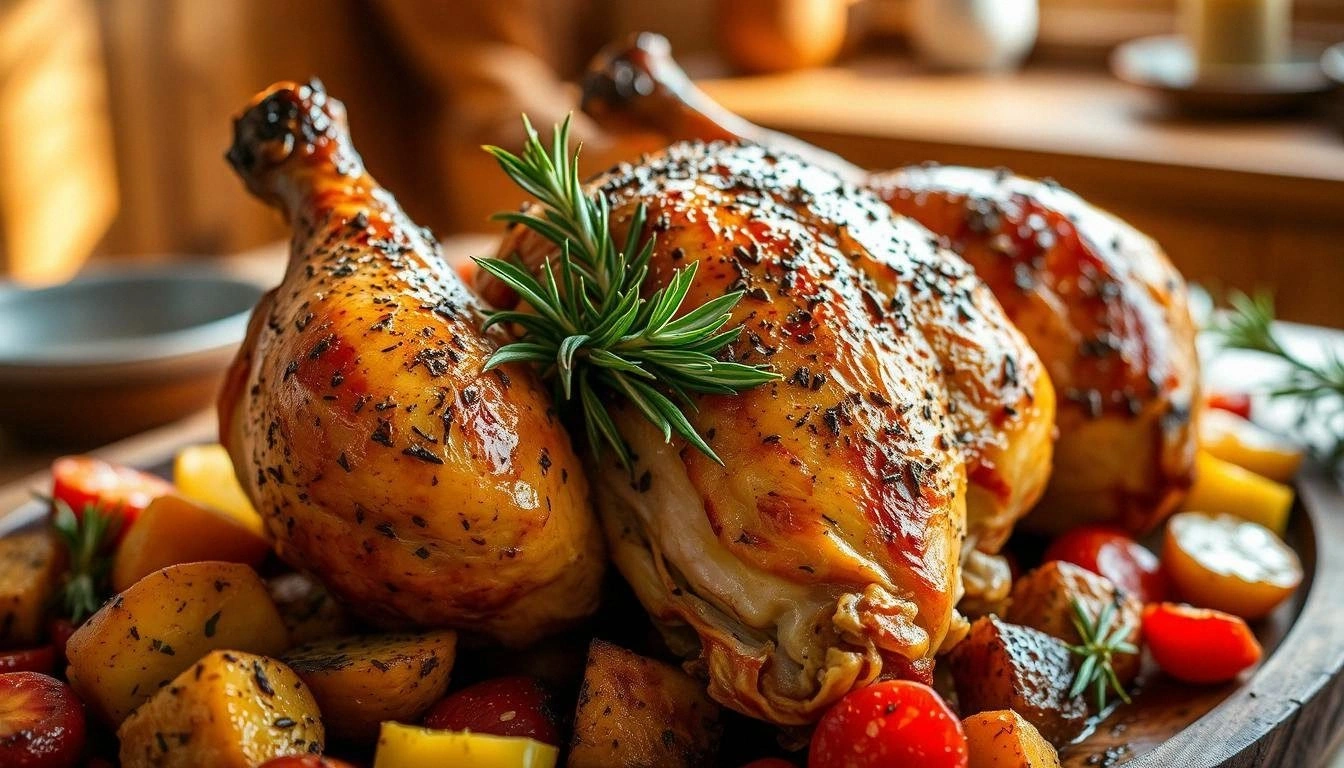
- Serve the roast immediately, surrounded by the roasted carrots, potatoes, and onions. The vegetables will be infused with the lamb’s juices, creating a harmonious side dish. Plate the meat in thick slices to showcase its tenderness. Garnish with fresh herbs or a drizzle of the remaining glaze. Enjoy the symphony of flavors.
That's it—you did it. But hold on, I've got a few more tricks that'll take this to another level. These insider tips will help you avoid common pitfalls and elevate the dish from good to unforgettable.
Insider Tricks for Flawless Results
The Temperature Rule Nobody Follows
Many cooks set the oven at a single temperature, but the two‑stage method is what separates a dry roast from a succulent masterpiece. The initial 425°F blast creates a caramelized crust that locks in juices, while the subsequent 350°F phase ensures the interior cooks evenly without drying out. I once skipped the temperature drop and ended up with a hard, over‑cooked center—lesson learned the hard way. The thermometer is your best friend; aim for 135°F for medium‑rare and let the roast rest to finish cooking. This trick guarantees consistent results every time.
Why Your Nose Knows Best
Trust the aroma: when the roast hits the oven, you’ll smell a deep, nutty scent that signals the Maillard reaction is underway. If the smell is faint, lower the temperature slightly to give the surface time to develop. The scent is a reliable indicator that the crust is forming correctly. I’ve seen people over‑cook because they rely solely on time; scent is a more accurate guide. Listen to your nose—it's the best sous‑chef you can have.
The 5-Minute Rest That Changes Everything
Resting the roast for exactly five minutes before slicing is a game‑changer. During this brief pause, the juices redistribute, preventing them from rushing to the surface when you cut into the meat. The result is a moist, flavorful bite every time. If you cut straight away, you’ll feel the juices evaporate, leaving a dry center. I recommend setting a timer; it’s the simplest way to get the timing right.
The Sweet‑Spicy Glaze Hack
Add a tablespoon of chopped fresh ginger to the glaze for an unexpected zing that pairs beautifully with lamb. Ginger’s heat cuts through the richness, adding a bright, aromatic note. If you’re a fan of heat, a dash of crushed red pepper will give the glaze a subtle kick. The combination of sweet and spicy elevates the dish from ordinary to extraordinary. Don’t be afraid to experiment—flavor is all about balance.
The Butter Finish Trick
Finish the glaze with a knob of cold butter, swirling it in until it melts into a silky sauce. The butter adds a glossy sheen and a luxurious mouthfeel that elevates the entire dish. If you’re dairy‑free, try a splash of olive oil or a vegan butter substitute. The butter also helps in sealing the glaze to the meat, creating a uniform coating. This simple step will impress even the most discerning diners.
The Side Dish Swap
Swap out the standard carrots and potatoes for roasted root vegetables like parsnips, beets, or sweet potatoes. These vegetables bring a natural sweetness that complements the savory lamb. The roasting time remains the same, but the flavors shift, making the dish feel fresh and seasonal. I’ve seen guests rave about the contrast between the sweet roots and the salty, herbaceous meat. It’s a small change that makes a big impact.
Creative Twists and Variations
This recipe is a playground. Here are some of my favorite ways to switch things up:
Mediterranean Twist
Swap rosemary for oregano and add a handful of Kalamata olives to the glaze. The olives give a briny depth that pairs with the lamb’s richness. Finish with a sprinkle of feta cheese for a creamy, tangy contrast. This variation is perfect for a summer dinner with a Mediterranean vibe. The flavors are bold, yet balanced.
Asian Fusion
Replace the rosemary and thyme with a mixture of five‑spice powder and fresh ginger. Add a splash of soy sauce to the glaze for umami. Garnish with sliced green onions and sesame seeds. This version brings a sweet, savory, and slightly spicy profile that will excite adventurous palates. The lamb’s tenderness shines through with these bold notes.
Smoky BBQ Flavor
Incorporate a tablespoon of smoked paprika and a splash of BBQ sauce into the glaze. Add a pinch of chipotle powder for a subtle heat. Serve with corn on the cob and a side of coleslaw for a classic barbecue feel. This twist is ideal for a backyard cookout or a casual gathering. The smoky undertones marry perfectly with the lamb’s natural flavor.
Herb‑Crusted Delight
Press fresh herbs—parsley, mint, and basil—into a fine paste and spread it over the roast before cooking. The herbs will form a fragrant, crunchy crust. Finish with a drizzle of lemon‑yogurt sauce to add a tangy, cooling element. This version is light yet flavorful, suitable for a spring or summer dinner. The herb crust adds a fresh, vibrant note.
Moroccan Spice
Add a teaspoon of ras‑el‑haneen and a pinch of cinnamon to the seasoning mix. Incorporate dried apricots and almonds into the side vegetables for a sweet‑savory contrast. Finish with a drizzle of harissa sauce for a fiery kick. This variation brings warm, aromatic spices that transport you to a bustling Moroccan market. The lamb’s richness is complemented by the spice blend.
Classic Roast with a Twist
Use a dry rub of brown sugar, cumin, and smoked paprika for a caramelized crust. Add a splash of bourbon to the glaze for a subtle, smoky sweetness. Serve with roasted root vegetables and a side of creamy mashed potatoes. This classic approach is elevated with the bourbon glaze, giving it a refined, gourmet touch. It’s a crowd‑pleaser that feels both familiar and new.
Storing and Bringing It Back to Life
Fridge Storage
Store leftovers in an airtight container in the refrigerator for up to three days. The meat’s moisture will be retained if the container is sealed properly. Slice the roast just before serving to preserve tenderness. If you’re storing the entire roast, keep it in a shallow dish to allow even cooling. The best practice is to wrap the meat tightly in plastic wrap before placing it in the container.
Freezer Friendly
Wrap the roast tightly in freezer paper and then place it in a freezer bag to prevent freezer burn. Label with the date to keep track of freshness. When you’re ready to reheat, thaw overnight in the refrigerator. Reheat in a preheated oven at 250°F until the internal temperature reaches 140°F. The slow reheating preserves the texture and prevents drying.
Best Reheating Method
Reheat in a skillet with a splash of water or broth to keep the meat moist. Cover the pan to trap steam, which helps re‑soften the meat fibers. Warm the glaze separately and drizzle over the reheated roast for an extra burst of flavor. The key is gentle heat—over‑heating will dry it out. Finish with a sprinkle of fresh herbs to refresh the aroma.