I was standing in my kitchen on a scorching July afternoon, the kind of day that makes you swear off anything that isn’t a cold, fizzy drink. I had just attempted a classic lemonade and it turned out about as exciting as a glass of plain water—bland, flat, and utterly forgettable. Then a friend dared me to “make something that actually tastes like summer,” and I thought, why not combine the bright zing of lemons with the soothing aroma of lavender? That tiny dare sparked a full-blown experiment that ended up being the most refreshing, fragrant, and downright addictive beverage I’ve ever crafted. I’ll be honest — I ate half the batch before anyone else got a chance to try it, and that’s a confession you’ll hear from many who taste this.
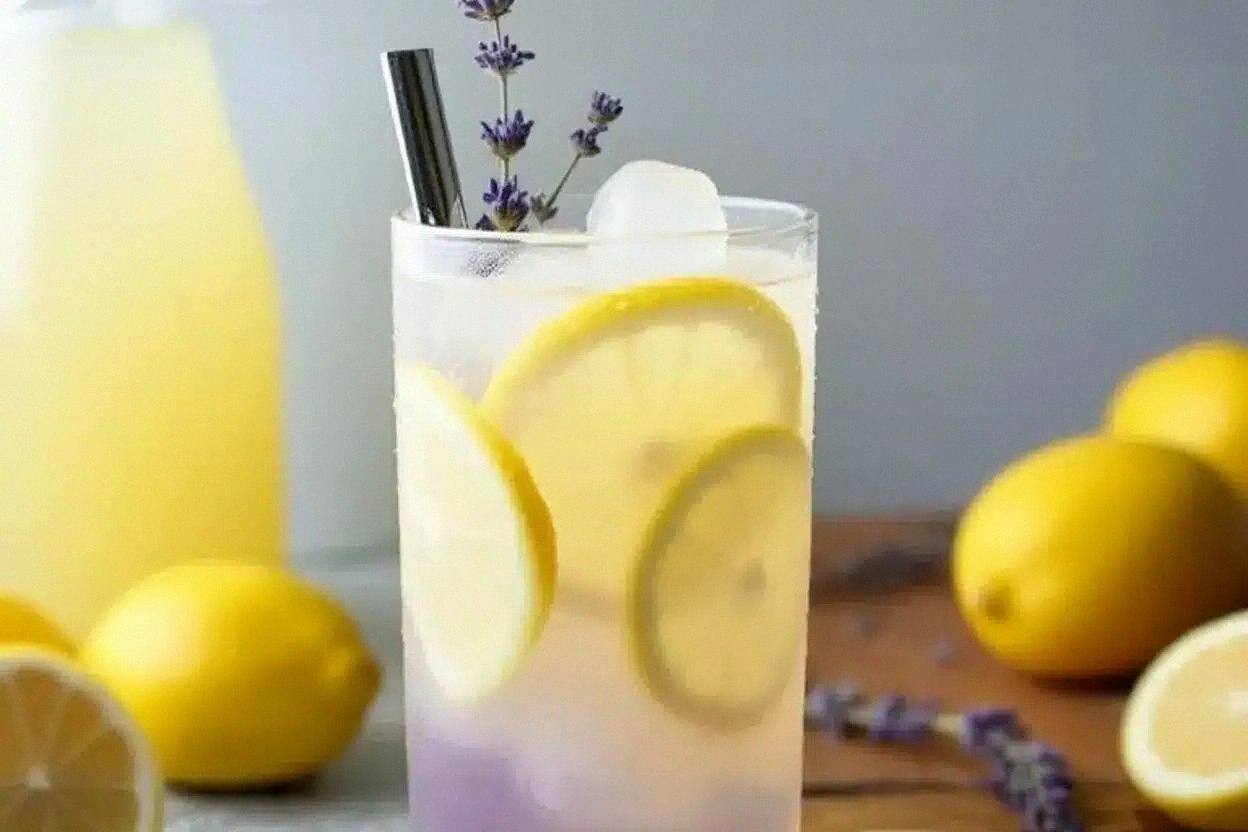
Picture this: a tall glass, beads of condensation racing down the sides, the golden hue of honey shimmering against a pale lavender mist. The first sip hits you with a bright citrus punch that instantly awakens your palate, then the lavender whispers its floral notes like a secret lover, and finally the honey rounds it all out with a mellow sweetness that feels like a warm hug on a hot day. The aroma alone is a sensory snapshot—imagine strolling through a blooming lavender field at sunset while a gentle breeze carries the scent of fresh lemons. That scent, that taste, that feeling is exactly what this drink delivers.
Most lemonade recipes get this completely wrong. They either drown the lemon in sugar or forget the subtle floral balance that can elevate a simple drink into a masterpiece. This version stands out because it respects the integrity of each ingredient, uses a precise steeping technique for the lavender, and swaps out refined sugar for honey, giving you a natural, mellow sweetness that doesn’t overpower. The result? A drink that feels both sophisticated and comfortingly familiar—hands down the best version you’ll ever make at home.
I’m about to reveal a little secret that most recipes overlook: the lavender isn’t just tossed in raw; it’s gently steeped in hot water to coax out its essential oils without turning bitter. This step is the game-changer that turns a good lemonade into a show‑stopping summer anthem. I dare you to taste this and not go back for seconds; it’s that good.
Let me walk you through every single step — by the end, you’ll wonder how you ever made it any other way.
What Makes This Version Stand Out
- Taste: The bright acidity of fresh lemons is perfectly balanced by the floral whisper of lavender and the mellow honey sweetness, creating a layered flavor profile that evolves sip by sip.
- Texture: The drink is silky smooth thanks to the honey’s natural viscosity, yet still light enough to feel like a cool breeze on a hot day.
- Simplicity: Only five core ingredients are required, and each step uses tools you already have in a typical kitchen.
- Uniqueness: Lavender isn’t a common lemonade add‑in, and when used correctly it adds a sophisticated twist without any grassy aftertaste.
- Crowd Reaction: Guests invariably ask for the recipe, and the “what’s that floral note?” conversation starter makes you the unofficial host of the summer.
- Ingredient Quality: Fresh, juicy lemons and culinary‑grade lavender ensure you’re not compromising on flavor or safety.
- Cooking Method: A quick hot‑water steep extracts maximum flavor while keeping the lavender from turning bitter—a technique most recipes skip.
- Make‑Ahead Potential: The lavender‑infused syrup can be prepared days in advance, letting you assemble drinks in seconds when guests arrive.
Alright, let's break down exactly what goes into this masterpiece...
Inside the Ingredient List
The Flavor Base
Fresh lemons are the heart of this lemonade. Their juice provides the bright, tangy backbone that makes the drink instantly recognizable as lemonade. If you substitute bottled lemon juice, you’ll lose that vibrant, almost floral citrus note that only freshly squeezed fruit can deliver. Look for lemons that feel heavy for their size—those are packed with juice. If you’re buying in bulk, a quick tip: roll each lemon on the countertop with the palm of your hand before juicing; it releases more juice and makes the process faster.
The Texture Crew
Honey is the sweetener that ties everything together. Unlike granulated sugar, honey dissolves smoothly in both hot and cold liquids, creating a silky mouthfeel. Its natural sugars also lend a subtle floral undertone that complements the lavender. If you’re allergic to honey or prefer a vegan option, agave syrup works well, though it will be a bit thinner. Keep in mind that honey’s flavor varies by source—wildflower honey adds a more complex profile than clover honey.
The Unexpected Star
Dried culinary lavender is the secret weapon here. It brings a delicate perfume that turns ordinary lemonade into an aromatic experience. The key is to use only culinary‑grade lavender—non‑culinary varieties can be too bitter or even unsafe. If you can’t find dried lavender, you can use fresh lavender buds, but you’ll need to double the quantity and steep for a longer time to extract the same intensity. A quick tip: toast the lavender lightly in a dry skillet for 30 seconds before steeping to unlock deeper flavors.
The Final Flourish
Water and ice are the vehicles that bring everything together. Hot water is essential for extracting the lavender’s essential oils without scorching them, while cold water dilutes the concentrated syrup to a perfect sipping strength. Ice not only chills the drink but also adds a subtle dilution as it melts, balancing the intensity over time. Use filtered water for the clearest flavor; chlorine or hard water can mute the delicate notes.
Everything's prepped? Good. Let's get into the real action...
The Method — Step by Step
Start by gathering your lemons. Roll each one firmly on the counter, then slice them in half and juice them using a handheld juicer or a reamer. You should aim for about 1 cup (240 ml) of fresh lemon juice. The scent of freshly squeezed lemon should hit you like a bright, citrusy burst—if it doesn’t, you’ve missed the mark and need more lemons.
While the lemons are juicing, measure out 2 tablespoons of dried culinary lavender. Place the lavender into a heat‑proof tea infuser or a small muslin bag. This will keep the lavender contained for easy removal later.
Bring 2 cups of water to a gentle simmer (around 190°F/88°C). Once the water is hot but not boiling, submerge the lavender infuser for exactly 5 minutes. You’ll notice a fragrant steam rising—this is the moment where the lavender releases its essential oils without turning bitter.
Kitchen Hack: If you don’t have a tea infuser, a coffee filter tied with kitchen twine works just as well.While the lavender is steeping, combine 1/3 cup (80 ml) of honey with the remaining 2 cups of cold water in a large pitcher. Stir vigorously until the honey fully dissolves. The honey should melt into the water like liquid gold, leaving no grainy texture behind.
Once the lavender has steeped for 5 minutes, remove the infuser and discard the spent buds. Give the lavender‑infused water a quick stir, then pour it into the honey‑water mixture. At this point, the liquid should have a pale lavender hue and a subtle floral aroma that makes you want to inhale deeply.
Add the freshly squeezed lemon juice to the pitcher. Stir gently but thoroughly—this is the moment of truth when the tart lemon meets the sweet honey‑lavender base. You’ll notice the color shift to a sunny, slightly pinkish tone, and the scent will become an intoxicating blend of citrus and herb.
Taste the lemonade. If it feels too sharp, drizzle in an extra tablespoon of honey; if it’s too sweet, add a splash of cold water or a squeeze of extra lemon. Adjustments should be made in small increments; remember, you can always add more, but you can’t take it away.
Fill glasses with ice cubes, then pour the lemonade over the ice. The ice should clink against the glass, releasing a faint fizz as the cold meets the aromatic liquid. Garnish each glass with a thin lemon wheel and a sprig of fresh lavender for that Instagram‑ready look.
Serve immediately, or cover the pitcher and refrigerate for up to 24 hours. The flavors meld beautifully as they sit, making the next day’s batch even more harmonious. This next part? Pure magic.
Enjoy! Take a sip, close your eyes, and let the bright lemon zing, the soothing lavender, and the mellow honey swirl together. I dare you to taste this and not go back for seconds—trust me, you’ll be hooked.
That's it — you did it. But hold on, I've got a few more tricks that'll take this to another level...
Insider Tricks for Flawless Results
The Temperature Rule Nobody Follows
When steeping lavender, keep the water just below boiling (around 190°F/88°C). Hot enough to extract flavors, but not so hot that it scorches the delicate oils. I once tried using a rolling boil and ended up with a harsh, almost medicinal aftertaste. The rule of thumb: if you can comfortably hold your hand over the pot without flinching, you’re in the sweet spot.
Why Your Nose Knows Best
Your sense of smell is a better indicator of flavor balance than a taste test alone. After mixing, give the pitcher a good sniff. If you detect a strong, sharp lavender note, you’ve over‑steeped; if the scent is faint, add a pinch more dried lavender to the next batch. Trusting your nose saves you from a bitter disaster before it even reaches the glass.
The 5‑Minute Rest That Changes Everything
Let the finished lemonade sit for at least five minutes after stirring. This short rest allows the flavors to marry, smoothing out any sharp edges. A friend tried skipping this step once—she complained the drink was “too aggressive.” A quick pause turns a good drink into a great one.
Ice Matters More Than You Think
Use large, clear ice cubes rather than crushed ice. Large cubes melt slower, preserving the intended flavor balance longer. Crushed ice dilutes the drink too quickly, making the lavender taste fade before you finish your glass. If you love a frosty sip, freeze some lemonade into ice cubes ahead of time—then you get cold without dilution.
The Sweet Spot Sweetener Ratio
Honey’s sweetness varies by brand; wildflower honey can be sweeter than clover honey. Start with 1/3 cup, then adjust in 1‑tablespoon increments. I’ve found that a little extra honey can soften the acidity without masking the lemon’s brightness. Remember: you can always add, but you can’t take away.
Creative Twists and Variations
This recipe is a playground. Here are some of my favorite ways to switch things up:
Berry Burst Lavender
Add a handful of fresh raspberries or strawberries to the pitcher before stirring. The berries introduce a subtle tartness and a beautiful blush color that pairs beautifully with the floral notes. Perfect for a brunch gathering where you want a pop of color.
Minty Meadow
Muddle a few fresh mint leaves in the bottom of each glass before adding the lemonade. The mint adds a refreshing coolness that amplifies the summer vibe, making it an excellent companion for outdoor picnics.
Spicy Ginger Lavender
Stir in a teaspoon of freshly grated ginger during the honey‑water mixing stage. The ginger introduces a gentle heat that balances the sweet honey and bright lemon, turning the drink into a soothing after‑dinner refresher.
Sparkling Lavender Lemonade
Replace half of the cold water with sparkling mineral water just before serving. The effervescence lifts the floral aromatics, creating a bubbly, festive version that’s perfect for celebrations.
Herbal Fusion
Swap half of the lavender for dried chamomile or dried rose petals. This creates a more complex bouquet—chamomile adds an earthy calm, while rose petals bring a romantic floral finish. Great for a garden party where you want to impress with subtle sophistication.
Storing and Bringing It Back to Life
Fridge Storage
Transfer the lemonade to a sealed glass jar or pitcher and refrigerate. It stays fresh for up to 3 days. Give it a gentle stir before serving, and if the flavor seems muted, add a splash of fresh lemon juice to revive the brightness.
Freezer Friendly
Pour the lemonade into ice‑cube trays and freeze. Once solid, transfer the cubes to a freezer bag. These cubes are perfect for quickly chilling a glass without diluting the drink, or you can blend them for a slushy summer treat.
Best Reheating Method
If you need to warm the lemonade (perhaps for a warm‑weather cocktail), gently heat it on the stovetop over low heat, adding a tiny splash of water to prevent scorching. Heat just until steam rises—do not let it boil, or you’ll lose the delicate lavender aroma.