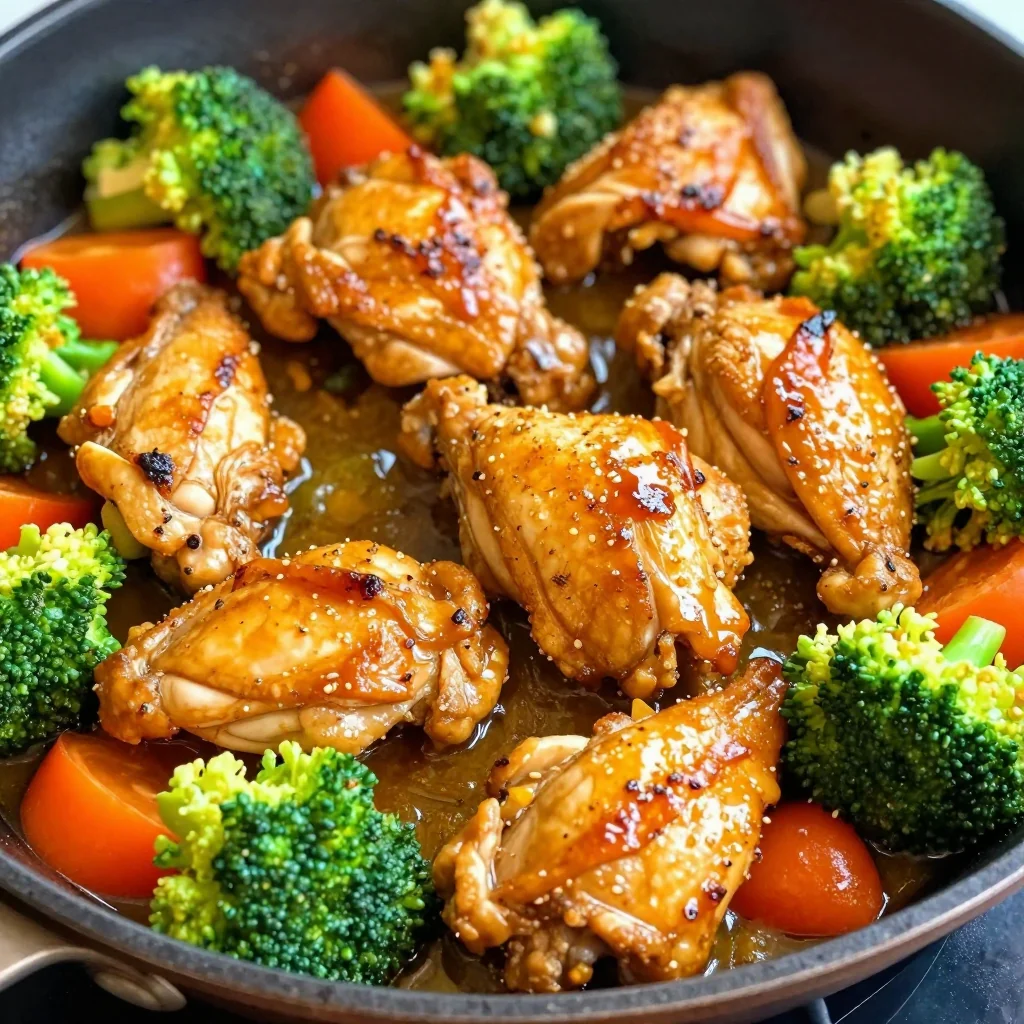
Okay, picture this: I was in the middle of a frantic weekday, the clock was ticking, the kids were demanding dinner, and my pantry looked like a barren desert. I grabbed the first thing I could find—ground beef, a frozen bag of broccoli, and a handful of pantry staples. The result? A bland, soggy mess that made me swear off “quick” meals forever. I dared myself to turn that disaster into a masterpiece, and after a few frantic experiments, I finally cracked the code. This is the version that makes the whole kitchen feel like a five‑star bistro, and I’m about to spill every secret.
When the first sizzle hits the pan, it’s like a drumroll for your taste buds. The aroma of caramelized beef mingles with the fresh green perfume of broccoli, while a whisper of garlic and ginger cuts through the air like a sharp jazz solo. You’ll hear the faint crackle of the vegetables as they get that perfect, slightly charred edge—think of it as the culinary equivalent of a satisfying snap when you break a fresh twig. The heat, the sound, the smell—all of it conspires to make you feel like you’ve just summoned a comfort‑food spell.
Why does this version stand out? Most recipes treat ground beef and broccoli as a bland, after‑thought side dish, but I’m treating them like the headliners of a rock concert. I’ve introduced a silky, umami‑rich sauce that coats every morsel like velvet, and I’ve used a high‑heat sear to lock in juices, creating a texture contrast that’s both tender and slightly crisp. The secret weapon? A splash of sesame oil added at the very end, which gives the dish a nutty finish that’s almost addictive. I dare you to taste this and not go back for seconds.
And here’s the teaser you’ve been waiting for: I’m going to show you how to create a quick cornstarch slurry that transforms a simple pan sauce into a glossy, restaurant‑quality glaze in under a minute. It’s the game‑changer that most home cooks overlook. Let me walk you through every single step — by the end, you’ll wonder how you ever made it any other way.
What Makes This Version Stand Out
- Umami Explosion: The combo of soy, oyster sauce, and beef broth creates a depth of flavor that makes every bite sing. It’s like a symphony where each instrument knows its place.
- Texture Contrast: A quick high‑heat sear gives the beef a caramelized crust while the broccoli stays crisp‑tender, delivering a mouthfeel that’s both hearty and fresh.
- Simplicity: All ingredients are pantry‑friendly, and the whole process takes under 45 minutes, making it perfect for busy weeknights.
- Unique Finish: A drizzle of toasted sesame oil at the end adds a nutty aroma that most recipes miss, turning a simple skillet into a gourmet experience.
- Crowd‑Pleaser: The subtle heat from red pepper flakes and black pepper gives it a gentle kick that gets adults nodding and kids asking for more.
- Ingredient Quality: Using fresh broccoli instead of frozen, and a good‑quality ground beef (80/20) ensures the dish is juicy, flavorful, and not watery.
- One‑Pan Efficiency: No extra pots, no messy cleanup—just a single skillet that goes from stovetop to table, saving you time and sanity.
- Make‑Ahead Potential: This dish reheats beautifully, and the sauce actually thickens a bit more the next day, making leftovers even more delicious.
Inside the Ingredient List
The Flavor Base
Ground beef is the backbone of this dish. I recommend an 80/20 lean‑to‑fat ratio because the fat renders down, creating a rich, buttery foundation that carries the sauce. If you use a super‑lean beef, you’ll miss out on that luxurious mouthfeel, and the sauce may turn greasy. A quick tip: pat the beef dry with paper towels before it hits the pan; this ensures a proper sear. If you’re avoiding red meat, ground turkey or chicken can substitute, but expect a milder flavor profile.
The Texture Crew
Broccoli florets bring a bright, slightly bitter crunch that balances the richness of the beef. Fresh broccoli is essential; frozen versions release excess water, which dilutes the sauce. When buying, look for firm, dark green heads with tight buds. If you can’t find fresh, steam the frozen broccoli for a couple of minutes, drain well, and pat dry before adding it to the skillet. The onion and garlic add layers of sweetness and aromatic depth—don’t skip them.
The Unexpected Star
Sesame oil is the surprise element that elevates the dish from ordinary to extraordinary. Its toasted flavor is concentrated, so a little goes a long way. Add it at the very end, after you’ve removed the skillet from heat, to preserve its delicate aroma. If you’re allergic to sesame, a drizzle of toasted peanut oil can provide a similar nutty finish.
The Final Flourish
Soy sauce, oyster sauce, and beef broth form the liquid base. Soy sauce brings salt and depth, oyster sauce adds a subtle briny sweetness, and the broth ties everything together. The cornstarch slurry thickens the sauce into a glossy glaze that clings to every bite. If you’re gluten‑free, swap soy sauce for tamari and use a gluten‑free cornstarch. A splash of rice vinegar can brighten the sauce if you prefer a tangier profile.
Everything's prepped? Good. Let's get into the real action...
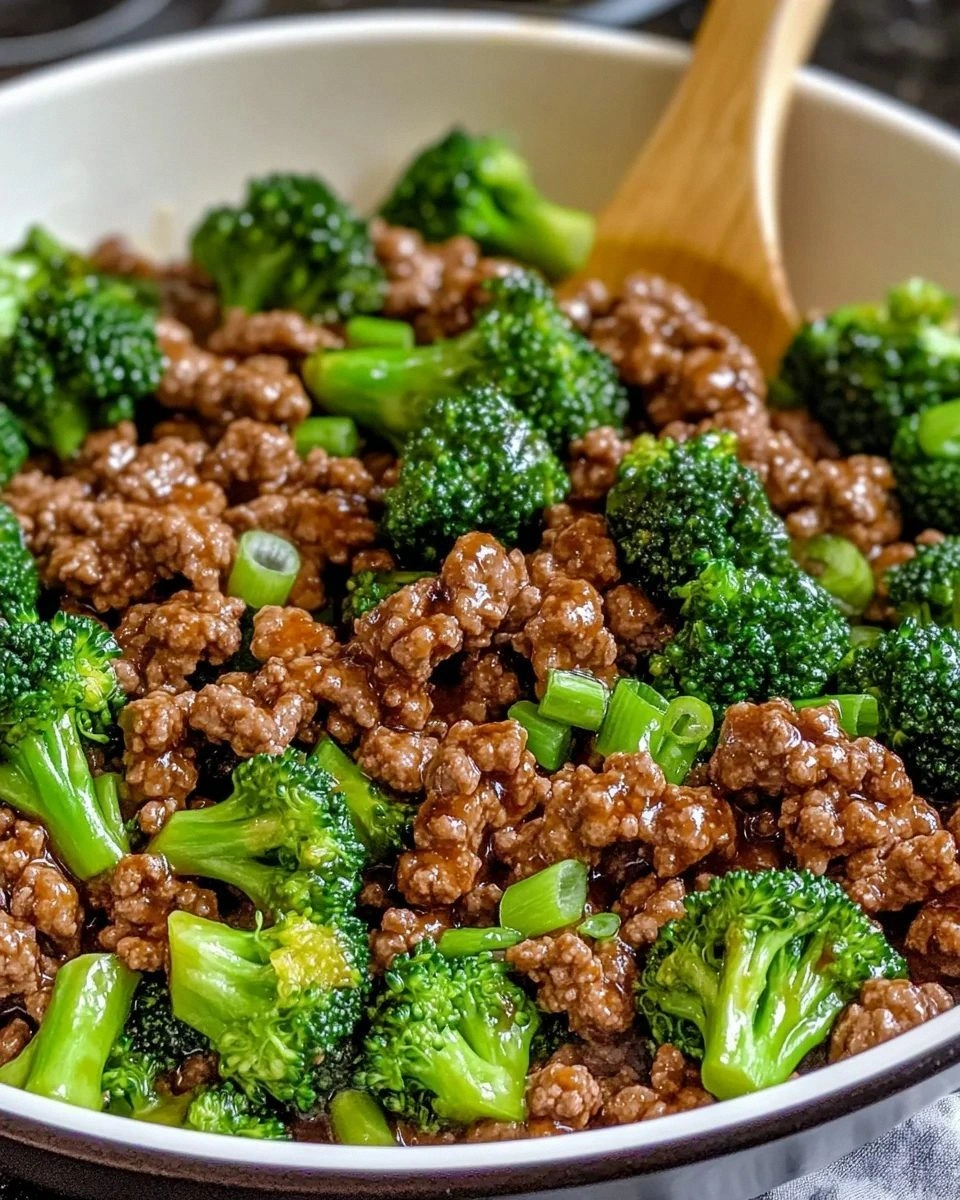
The Method — Step by Step
Heat a large cast‑iron skillet over medium‑high heat until it’s shimmering. Add 2 tbsp vegetable oil and let it heat for about 30 seconds. When the oil is hot enough that a drop of water sizzles instantly, you’re ready. This is the moment of truth: the pan must be hot enough to sear the beef without steaming it.
Drop the 1 lb ground beef into the skillet, breaking it apart with a wooden spoon. Let it sit untouched for 2‑3 minutes so a crust forms—this is where the magic happens. As the edges start pulling away from the pan, begin to crumble the meat, stirring occasionally. You’ll hear a deep, satisfying sizzle that signals flavor development.
Once the beef is browned (about 6‑7 minutes total), season with ½ tsp black pepper and ¼ tsp red pepper flakes. Stir in the diced onion, minced garlic, and grated ginger. Cook for another 2‑3 minutes until the onion turns translucent and the aromatics release a fragrant perfume that makes your kitchen feel like a street market in Bangkok.
In a small bowl, whisk together 2 tbsp soy sauce, 1 tbsp oyster sauce, and ½ cup beef broth. Pour this mixture over the beef and onions, scraping the bottom of the pan to release any stuck‑on bits. Let the sauce come to a gentle boil, then reduce the heat to medium‑low. This is where the sauce begins to thicken, coating the meat like a glossy lacquer.
While the sauce simmers, prepare the cornstarch slurry: combine 1 tbsp cornstarch with 2 tbsp cold water until smooth. Slowly drizzle the slurry into the skillet while whisking continuously. The sauce will instantly thicken, turning a beautiful amber color that clings to the beef and onions. If the sauce looks too thick, add a splash more broth.
Now, add the 3 cups of broccoli florets. Toss everything together so the broccoli gets fully coated. Cover the skillet with a lid for 2‑3 minutes; this steams the broccoli just enough to stay bright green and retain a slight crunch. Remove the lid and let any excess moisture evaporate, letting the broccoli develop a faint char on the edges.
Finish the dish by drizzling 1 tsp sesame oil over the skillet and giving everything a final toss. Taste and adjust salt if needed—remember, the soy sauce already provides a solid salty base, so add only a pinch if you feel it’s necessary. The sesame oil should perfume the air like a whisper of toasted nuts, sealing the flavor profile.
Turn off the heat and let the skillet sit for a minute. This brief rest allows the sauce to settle and the flavors to meld, creating a harmonious finish. Serve the skillet straight from the pan, or spoon it over steamed rice or cauliflower rice for a low‑carb option. That sizzle when it hits the pan? Absolute perfection.
That's it — you did it. But hold on, I've got a few more tricks that'll take this to another level...
Insider Tricks for Flawless Results
The Temperature Rule Nobody Follows
Never crowd the pan when searing the beef. If you add too much meat at once, the temperature drops, and you end up steaming rather than searing. Work in batches if necessary, and give each batch a few minutes to develop that deep brown crust before moving on. A well‑seared crust locks in juices, giving you that juicy interior we all crave.
Why Your Nose Knows Best
Your sense of smell is a reliable indicator of doneness. When the onions turn translucent and the garlic releases a sweet aroma, you know the flavor base is ready. Similarly, when the sauce starts to smell nutty after adding sesame oil, you’ve reached the perfect finishing point. Trust that instinct—no kitchen timer can replace it.
The 5‑Minute Rest That Changes Everything
After you turn off the heat, let the skillet sit uncovered for exactly five minutes. This rest period allows the cornstarch to fully gelatinize, giving the sauce a silkier texture. It also lets the broccoli absorb a bit more of that umami broth, making each bite more cohesive.
The Secret of Fresh Ginger
Grating ginger rather than chopping it releases more essential oils, delivering a brighter, more aromatic punch. If you only have minced ginger in a jar, use half the amount because the dried version is more concentrated. A fresh ginger boost can turn a good dish into an unforgettable one.
The “Steam‑Back” Reheat Trick
When reheating leftovers, add a splash of water or broth and cover the skillet. The steam revitalizes the broccoli and prevents the sauce from drying out, essentially bringing the dish back to life as if it were freshly made.
Creative Twists and Variations
This recipe is a playground. Here are some of my favorite ways to switch things up:
Spicy Szechuan Flip
Swap the soy sauce for dark soy and add 1 tsp Szechuan peppercorn oil. The result is a tongue‑tingling, slightly numbing heat that pairs perfectly with the beef’s richness. Great for those who love a bold, fiery kick.
Thai Coconut Curry Twist
Replace the oyster sauce with ¼ cup coconut milk and add 1 tbsp red curry paste. The dish becomes creamy, fragrant, and exotic, turning a classic American skillet into a Thai-inspired delight.
Mediterranean Makeover
Use ground lamb instead of beef, add a handful of chopped sun‑dried tomatoes, and finish with a squeeze of lemon juice and a sprinkle of feta. The flavors become bright, herby, and utterly Mediterranean.
Veggie‑Heavy Power Bowl
Swap half the beef for sliced shiitake mushrooms and add a cup of sliced bell peppers. The added veggies boost the fiber content and give the dish a rainbow of colors, making it perfect for a wholesome lunchbox.
Low‑Carb Cauliflower Rice Base
Serve the skillet over a bed of cauliflower rice sautéed with a dash of garlic and soy sauce. This keeps the carb count low while still delivering that comforting, hearty feeling.
Storing and Bringing It Back to Life
Fridge Storage
Allow the skillet to cool to room temperature, then transfer to an airtight container. It will keep fresh for up to 4 days. When reheating, add a splash of water or broth and gently re‑simmer for 3‑4 minutes to revive the sauce’s gloss.
Freezer Friendly
Portion the cooked dish into freezer‑safe bags, removing as much air as possible. It freezes beautifully for up to 3 months. To defrost, move it to the fridge overnight, then reheat in a skillet with a little extra broth, stirring until the sauce regains its sheen.
Best Reheating Method
The stovetop is king. Heat a non‑stick pan over medium heat, add a tablespoon of water or broth, and slide the leftovers in. Cover for a minute to steam, then uncover and stir until everything is hot and glossy. Microwaving works in a pinch, but you’ll lose that delightful char.