I was standing in the middle of a chaotic kitchen, the scent of burnt garlic lingering like a bad joke, when I realized I had no idea how to turn a handful of ground meat into something that would actually impress. The last time I tried Greek meatballs, they came out dry, flavorless, and frankly, they made me question my culinary destiny. That night, after a frantic scramble for a recipe, I stumbled upon a version that promised “hands down the best” flavor, and I decided to give it a shot. Spoiler: I ate half the batch before anyone else could even taste a crumb.
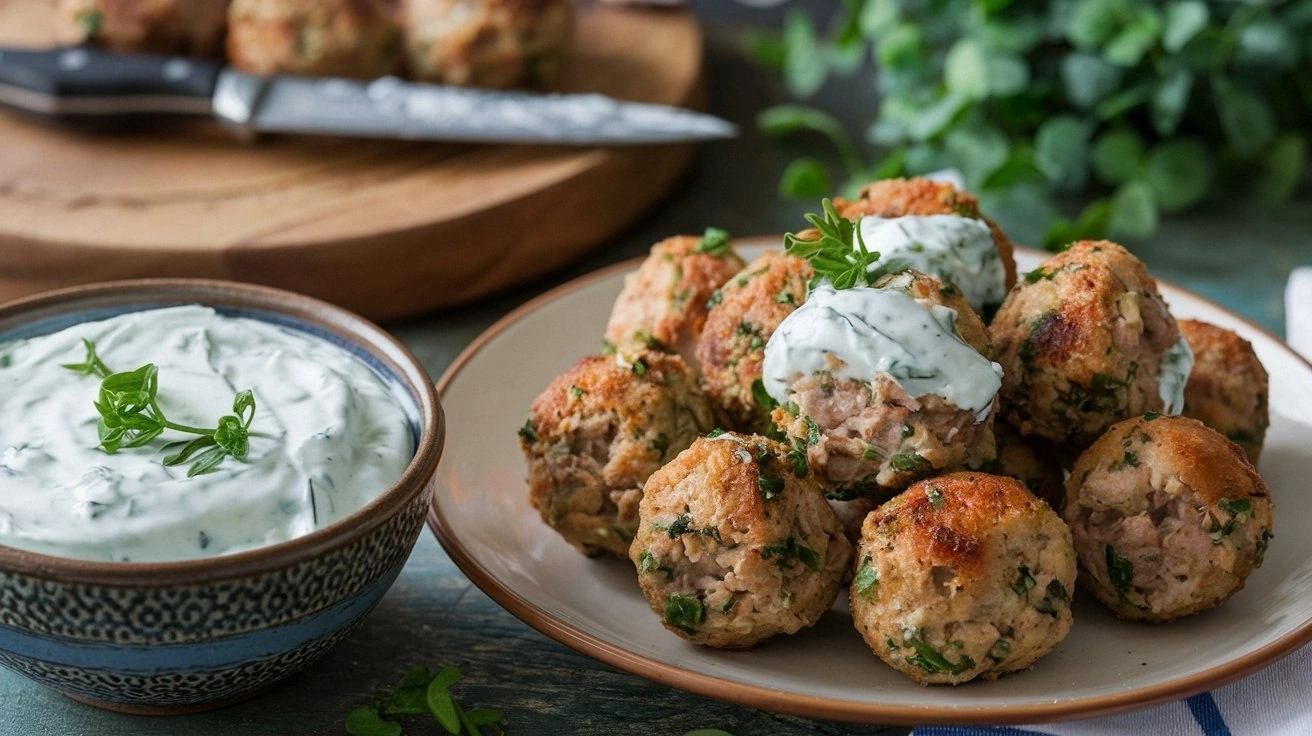
Picture this: the first bite and the meatball is a juicy, savory pocket of lamb and beef, the exterior crisped to a golden-brown that shatters like thin ice under your teeth, while the inside stays tender and packed with oregano, lemon zest, and a whisper of feta. Beside it sits a cool, silky tzatziki that coats the meatball like velvet, its cucumber and dill whispering Mediterranean breezes. The contrast of hot and cool, the marriage of herbs and yogurt, and the subtle crunch of a fresh parsley garnish create an orchestra of textures that makes every forkful a revelation. I dare you to taste this and not go back for seconds.
What sets this version apart is not just the boldness of the flavors but the meticulous attention to technique that elevates a humble dish into an unforgettable experience. From the precise balance of lamb to beef, to the secret step of letting the meatballs rest before serving, every detail has been fine-tuned. I’ll walk you through each step, revealing the tricks that turn an ordinary dinner into a culinary celebration. By the end, you’ll wonder how you ever made Greek meatballs any other way.
Before we dive into the meat, let’s talk turkey: the ingredients. I’ve grouped them in a way that tells a story—each group is a chapter of the dish’s personality. As we go through, I’ll drop some fun facts and kitchen hacks that will make your prep smoother and your taste buds happier.
What Makes This Version Stand Out
- Balanced Meat: Using equal parts lamb and beef gives the meatballs a deep, complex flavor while keeping them juicy. The lamb adds that unmistakable Greek richness, and the beef balances it with a milder profile that’s easier on the palate.
- Herb Harmony: Fresh oregano, parsley, and a splash of lemon zest create a fragrant, bright bouquet that cuts through the richness of the meat. The herbs are the heart of the dish, not a garnish.
- Cheese Infusion: A touch of feta and parmesan inside the meatball adds a subtle tang and a silky texture that melts into the meat as it bakes.
- Crust Perfection: A quick sear in hot olive oil followed by a finish in the oven locks in juices and creates a caramelized crust that snaps when you bite.
- Cooling Counterpoint: The tzatziki’s cool, creamy yogurt base with cucumber and dill balances the heat, while the lemon juice adds a bright, acidic lift.
- Make‑Ahead Friendly: You can assemble the meatballs a day ahead, refrigerate them, and then bake or reheat when needed—perfect for busy weeknights or dinner parties.
- Versatility: Serve them as an appetizer, a main course with rice or pasta, or even in a pita for a Greek-inspired sandwich.
- Audience Appeal: The dish is a crowd-pleaser—kids love the mild flavor, while adults appreciate the depth and authenticity.
Inside the Ingredient List
The Flavor Base
Ground lamb and beef form the heart of these meatballs, delivering a savory, umami-packed foundation. The lamb brings a distinct Mediterranean depth, while the beef provides structure and a slightly milder taste. Together, they create a complex flavor profile that stands up to the bold herbs and cheeses. If you’re a purist, you can swap the lamb for pork for a sweeter note, but the lamb is key to that authentic Greek bite.
The Texture Crew
Breadcrumbs, eggs, parmesan, and feta work in concert to bind the mixture and add layers of texture. Breadcrumbs absorb moisture, keeping the meatballs tender, while the eggs act as a natural glue. Parmesan contributes a nutty, salty undertone, and feta adds a creamy, tangy burst that melts into the meat as it cooks. Skipping any of these would leave the meatballs feeling dry or crumbly.
The Herb Ensemble
Fresh oregano, parsley, and lemon zest are the aromatic stars that elevate the dish. Oregano offers a slightly peppery, earthy aroma, while parsley brings a bright, clean finish. Lemon zest adds citrus brightness that cuts through the richness, ensuring the meatballs don’t feel heavy. If you’re out of fresh herbs, dried versions can work, but the flavor will be noticeably muted.
The Cooling Counterpart
Tzatziki is the dish’s signature cool counterpart, composed of Greek yogurt, grated cucumber, garlic, dill, lemon juice, olive oil, salt, and pepper. Yogurt provides a silky base, while cucumber adds a refreshing crunch. Garlic and dill give it depth, and lemon juice brightens the overall profile. The olive oil adds a subtle sheen and richness that balances the tangy yogurt. Together, these ingredients create a sauce that’s both cooling and flavor-packed.
Everything’s prepped? Good. Let’s get into the real action.
The Method — Step by Step
- Preheat the oven to 400°F (200°C). In a large mixing bowl, combine the ground lamb, ground beef, breadcrumbs, egg, grated parmesan, crumbled feta, diced onion, minced garlic, fresh oregano, fresh parsley, lemon zest, salt, and pepper. Mix gently with your hands until the mixture is just cohesive; overmixing will make the meatballs tough.
- Using a tablespoon or your hands, shape the mixture into 1½-inch balls. If you prefer a uniform size, use a cookie scoop or a small ice cream scoop. Place the meatballs on a parchment-lined baking sheet, spacing them about 2 inches apart.
- Heat 2 tablespoons of olive oil in a large skillet over medium-high heat. When the oil shimmers, carefully add the meatballs in batches, ensuring the pan isn’t overcrowded. Sear each side for 2–3 minutes or until a golden crust forms. The sizzling sound is your cue that the exterior is caramelizing.
- Transfer the seared meatballs to the oven and bake for 12–15 minutes, or until the internal temperature reaches 160°F (71°C). Use an instant-read thermometer for accuracy; the first bite should be juicy, not dry.
- While the meatballs finish baking, prepare the tzatziki. Grate the cucumber and squeeze out excess moisture with a clean towel. In a medium bowl, whisk together the Greek yogurt, grated cucumber, minced garlic, fresh dill, lemon juice, olive oil, salt, and pepper until smooth. The sauce should be thick yet pourable.
- Cover the tzatziki and refrigerate for at least 30 minutes to allow the flavors to meld and the sauce to thicken slightly.
- Once the meatballs are done, remove them from the oven and let them rest on a wire rack for 5 minutes. Resting lets the juices redistribute, ensuring each bite stays moist.
- Serve the warm meatballs with a generous scoop of chilled tzatziki on top or on the side. Garnish with a sprinkle of fresh dill or parsley for an extra pop of color and aroma. Pair with warm pita, rice, or a crisp Greek salad for a complete meal.
- For a crowd or a make‑ahead plan, keep the cooked meatballs warm in a low oven (about 200°F) or transfer them to a slow cooker on low. Reheat gently to avoid drying out the exterior.
That’s it—you did it. But hold on, I’ve got a few more tricks that will take this to another level.
Insider Tricks for Flawless Results
The Temperature Rule Nobody Follows
Many cooks bake meatballs at 375°F, which can cause the exterior to brown too quickly while the inside remains undercooked. I always set the oven to 400°F and use a quick sear first; the high heat caramelizes the surface, sealing in moisture and delivering a crisp crust. The result is a juicy interior that’s ready to devour.
Why Your Nose Knows Best
When the meatballs are nearing doneness, the aroma shifts from raw meat to a buttery, slightly nutty scent. That smell is a reliable indicator that the interior is cooked through. Trust your nose; it’s a seasoned chef’s secret weapon.
The 5-Minute Rest That Changes Everything
Letting the meatballs rest after baking is not optional—it’s essential. During rest, the juices redistribute, preventing them from spilling onto the plate and ensuring each bite is evenly moist. Skipping this step leaves you with a dry, uneven texture.
The Secret of a Thick Tzatziki
If you prefer a thicker tzatziki, strain the yogurt through a cheesecloth or a fine mesh for 15 minutes before mixing. The result is a sauce that clings to the meatballs instead of pooling at the bottom of the bowl.
The “No-Mess” Squeeze
When grating the cucumber, use a microplane for a fine grate that dissolves into the sauce, preventing a gritty texture. This small step makes the tzatziki silkier and more luxurious.
Creative Twists and Variations
Mediterranean Veggie Meatballs
Replace the ground meat with a mixture of finely chopped spinach, sun‑dried tomatoes, and chickpeas. The result is a hearty, plant‑based version that still delivers the classic Greek flavor profile. Serve with a side of roasted eggplant for a full Mediterranean feast.
Spicy Sriracha Tzatziki
Add a teaspoon of sriracha to the tzatziki for a kick that balances the coolness of the yogurt. The heat cuts through the richness of the meatballs and adds a surprising depth. This version is perfect for adventurous diners who love a little spice.
Pesto-Infused Meatballs
Stir a tablespoon of basil pesto into the meat mixture before shaping. The pesto infuses the meatballs with a fresh, aromatic flavor that complements the herbs. Serve with a drizzle of extra pesto on top for an extra layer of green goodness.
Smoky Chipotle Tzatziki
Blend a tablespoon of chipotle in adobo into the tzatziki for a smoky, earthy undertone. The chipotle’s subtle heat pairs beautifully with the cucumber and dill, creating a sauce that feels both familiar and daring.
Greek Meatball Pasta
Toss the cooked meatballs into a bowl of al dente spaghetti, then pour a light tomato sauce over them. Top with crumbled feta and fresh basil for a pasta dish that feels like a Greek twist on a classic comfort meal.
Meatball Gyros
Warm pita bread, pile on the meatballs, drizzle tzatziki, and add sliced tomatoes, red onion, and a handful of romaine lettuce. Roll it up and enjoy a handheld version of this dish that’s perfect for picnics or quick lunches.
Storing and Bringing It Back to Life
Fridge Storage
Cool the meatballs completely, then place them in an airtight container or a zip‑top bag. Store in the refrigerator for up to 3 days. Reheat in a skillet or microwave for 2–3 minutes, ensuring the internal temperature reaches 165°F (74°C). The meatballs will stay juicy and flavorful.
Freezer Friendly
After baking, let the meatballs cool, then arrange them in a single layer on a baking sheet and freeze until solid. Transfer to a freezer bag or container. They can be frozen for up to 2 months. Reheat by baking at 350°F (175°C) for 15–20 minutes, or by microwaving in short bursts, adding a splash of water to keep them moist.
Best Reheating Method
The key to reheated meatballs is to avoid drying them out. Warm them in a skillet with a tablespoon of olive oil over low heat, turning occasionally until heated through. If you’re in a hurry, microwave them with a tiny splash of water, covering the container with a damp paper towel to trap steam.