I was halfway through a disastrous attempt at a Mediterranean snack when I realized I was missing one simple ingredient: zucchini. The kitchen smelled of burnt garlic and a faint hint of feta that I had forgotten to add. I stared at the scorched pan, feeling a mix of frustration and excitement, and decided to rewrite the recipe from scratch. The result was a revelation: a crispy, airy fritter that tasted like the Mediterranean sun on a summer afternoon. This version of zucchini fritters is a game‑changer, turning a simple vegetable into a crowd‑pleasing star.
Picture yourself pulling the golden fritters out of the pan, the kitchen filling with a buttery aroma that makes even the most disciplined eater swoon. The first bite offers a crunchy exterior that gives way to a soft, herby center, and the feta adds a salty tang that balances the mild zucchini. I dare you to taste this and not go back for seconds, because the texture is unforgettable. The subtle pepper and garlic create a flavor profile that feels like a Mediterranean breeze in a bowl. Every bite is a reminder that the best dishes can come from the simplest pantry staples.
What sets this version apart is the precise balance of moisture, binding, and seasoning. The grated zucchini is pressed to remove excess water, preventing soggy fritters and ensuring a crisp edge that shatters like thin ice. I add a splash of olive oil to the batter, which keeps the mixture moist without making it greasy. The feta is crumbled just before frying, so it melts slightly and creates pockets of salty creaminess that contrast beautifully with the herbaceous notes. The result is a dish that feels indulgent yet light, perfect for a quick dinner or a sophisticated appetizer.
I also discovered a trick that most recipes overlook: letting the batter rest for five minutes before frying. During this time, the flour hydrates fully, creating a batter that holds together like a well‑trained gymnast. If you skip this step, the fritters can crumble at the first bite. The rest period also allows the herbs to release their oils, giving each fritter a burst of freshness that lingers on the palate. Trust me, this small pause makes a big difference.
Another secret is using a combination of all‑purpose flour and a touch of cornstarch. The cornstarch contributes to a lighter, crunchier texture, while the flour gives the fritters structure. You can replace the cornstarch with chickpea flour for a gluten‑free version, but keep the ratio the same to maintain the right consistency. The result is a fritter that rises slightly in the pan, creating a golden crust that holds the flavors inside.
Let me walk you through every single step — by the end, you'll wonder how you ever made it any other way. This is hands down the best version you'll ever make at home, and I'm about to show you why. If you've ever struggled with making zucchini fritters that stay together, you're not alone — and I've got the fix. Stay with me here — this is worth it.
What Makes This Version Stand Out
- Texture: The combination of grated zucchini, olive oil, and a small amount of cornstarch creates a batter that is airy inside and crisply golden outside. The result is a fritter that shatters like thin ice when you bite into it, releasing a burst of herby flavor.
- Flavor: The feta and fresh herbs give the fritters a salty, aromatic punch that feels Mediterranean in every bite. The garlic adds a subtle warmth that lingers on the tongue.
- Simplicity: You only need a handful of pantry staples and a few fresh ingredients, making this recipe a go‑to for busy weeknights.
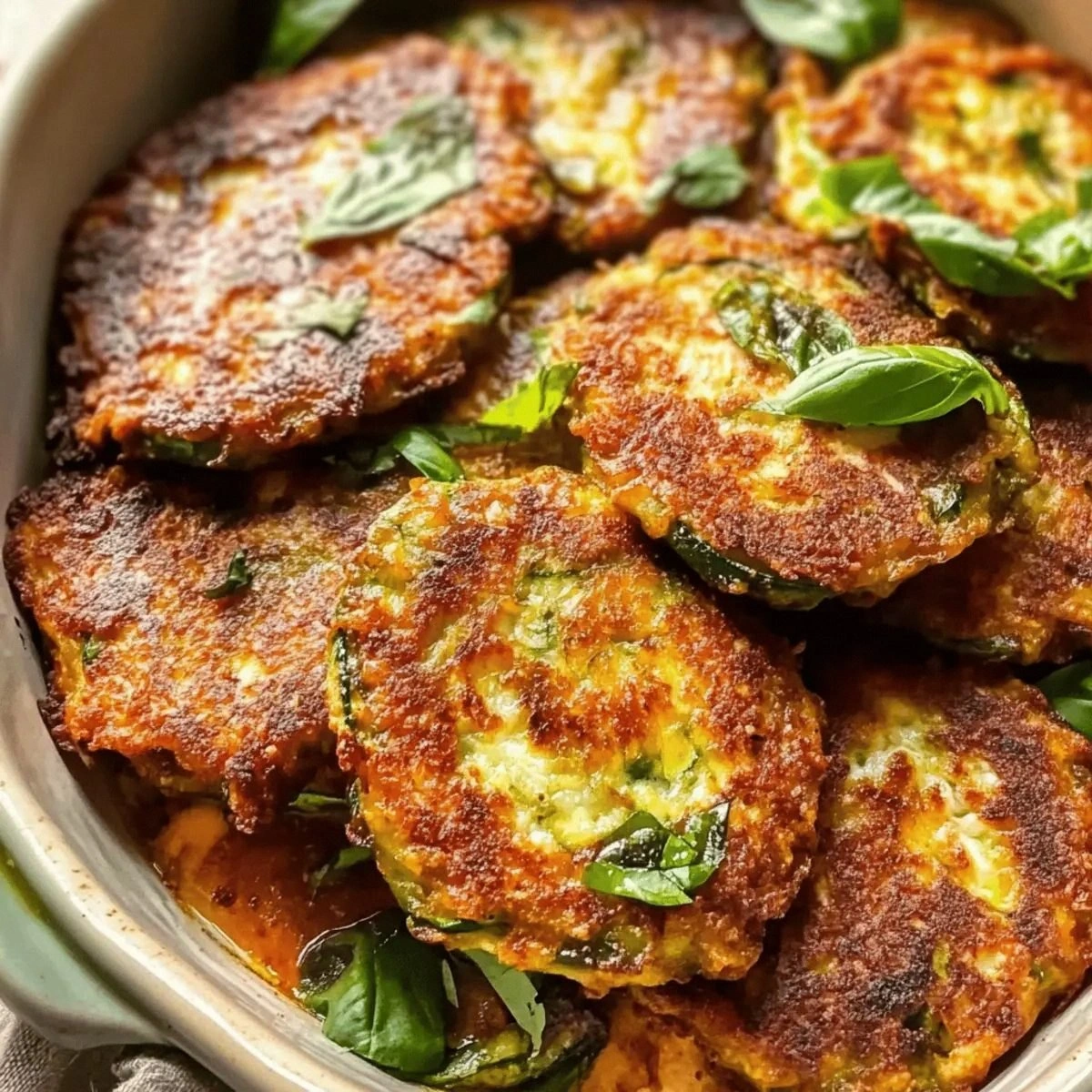
- Visual Appeal: The golden edges and the flecks of herbs on top make the dish look as good as it tastes, perfect for impressing guests.
- Make‑ahead Potential: The fritters can be prepared ahead of time, refrigerated, and reheated in a skillet or oven without losing their crispness.
- Nutrition: Packed with protein from the feta and Greek yogurt, and low in carbs thanks to the zucchini base, this dish is a balanced choice for a light meal.
- Versatility: Swap feta for goat cheese, or add spices like cumin or smoked paprika to tailor the flavor profile to your taste.
Alright, let's break down exactly what goes into this masterpiece...
Inside the Ingredient List
The Flavor Base
Zucchini is the star of this recipe, and its subtle, sweet flavor forms the foundation of every bite. Grated zucchini adds moisture and body, but too much water can ruin the texture. To keep the batter from becoming soggy, squeeze the grated zucchini in a clean towel or use a salad spinner to remove excess liquid. This step is essential for achieving that coveted crunch.
Eggs act as the binding agent, holding the mixture together and adding a slight richness. The yolks provide a golden hue, while the whites give structure. If you’re looking for a lower‑fat version, you can use one egg and one egg white, but the texture will be a bit less firm.
All‑purpose flour is the backbone of the batter. It gives the fritters structure and helps them rise slightly in the pan. Using a light flour, like pastry or cake flour, can make the fritters even lighter, but the difference is subtle. The key is to use the right ratio of flour to zucchini.
The Texture Crew
Feta cheese adds a salty, tangy bite that balances the mild zucchini. Crumble it just before frying so that it melts slightly into pockets of creamy goodness. If you’re gluten‑free or dairy‑free, you can substitute crumbled goat cheese or a plant‑based feta alternative, but the flavor profile will shift slightly.
Fresh herbs—dill, parsley, and mint—provide a bright, herbal note that lifts the dish. The combination of these herbs creates a complex flavor that feels fresh and vibrant. Chop them finely to ensure they blend well into the batter and distribute evenly.
Garlic is the aromatically bold component that gives the fritters a savory depth. Mince it finely so that it distributes evenly and releases its flavor during frying. If you’re sensitive to garlic, you can reduce the amount to one clove or use garlic powder for a milder taste.
The Unexpected Star
Olive oil is the secret to achieving a crisp exterior without greasiness. It also carries the herbs and garlic, allowing their flavors to permeate the batter. Use a light or extra‑virgin olive oil for a more pronounced taste, or a neutral oil if you prefer a milder profile.
Greek yogurt or tzatziki is the cooling, creamy accompaniment that balances the heat of the pan and the saltiness of the feta. It also adds protein and a tangy finish that rounds out the dish. If you’re looking for a vegan option, you can use a dairy‑free yogurt or a cashew‑based tzatziki.
Everything's prepped? Good. Let's get into the real action...
The Method — Step by Step
- Begin by heating a large non‑stick skillet over medium heat. Add a splash of olive oil and let it shimmer. This step ensures a non‑stick surface and a golden crust. The sizzle you hear is a signal that the pan is ready. This is the moment of truth.
- In a large bowl, combine the grated zucchini, squeezed to remove excess water, with the eggs. Whisk until the mixture is smooth, ensuring the eggs coat every zucchini fiber. This creates a cohesive batter that won't fall apart during frying. The batter should look thick but pourable. Keep this mixture aside for a minute.
- Add the flour, feta, herbs, garlic, salt, and pepper to the zucchini mixture. Stir until just combined; over‑mixing can make the fritters tough. The batter should be thick enough to hold its shape when spooned into the pan. This is where the flavors meld together. The aroma of garlic will begin to fill the kitchen.
- Let the batter rest for five minutes. During this time, the flour hydrates and the herbs release their oils. This pause gives the fritters the structure they need to stay intact. The batter will thicken slightly, which is a good sign. Trust the process.
- Using a tablespoon, drop spoonfuls of the batter into the hot skillet, spacing them about an inch apart. Do not overcrowd the pan; this ensures even cooking and prevents steam from forming. The batter should sizzle as it hits the pan. Watch the edges begin to turn golden. This step is where the magic starts.
- Cook the fritters for about 3–4 minutes on the first side, until the edges are firm and the underside is golden brown. Flip carefully with a spatula and cook for another 2–3 minutes. The inside should be moist and the feta slightly melted. The aroma will be irresistible. This is the moment you can’t wait to taste.
- Remove the fritters from the pan and place them on a plate lined with paper towels to absorb any excess oil. Let them rest for a minute; this allows the flavors to settle. The texture should feel firm yet tender. The feta should still be slightly gooey inside. This final resting period is crucial for the perfect bite.
- Serve the fritters hot, accompanied by a dollop of Greek yogurt or tzatziki. The cool sauce provides a refreshing contrast to the warm, crispy fritters. Garnish with a sprinkle of fresh herbs for an extra burst of color. The dish should look as vibrant as it tastes. Enjoy!
That's it — you did it. But hold on, I've got a few more tricks that'll take this to another level. If you want to elevate the dish, consider adding a pinch of smoked paprika for a subtle heat or a squeeze of lemon juice on top for brightness. These small adjustments can transform the fritters into a gourmet experience.
Insider Tricks for Flawless Results
The Temperature Rule Nobody Follows
The pan should be hot enough that the batter sizzles immediately, but not so hot that it burns on the outside while staying raw inside. A good test is to sprinkle a few drops of water onto the skillet; if they dance and evaporate, the temperature is right. Maintaining this balance ensures a golden crust and a moist interior. I once fried at too low a heat, and the fritters came out soggy. Lesson learned.
Why Your Nose Knows Best
The aroma of the frying batter is a reliable indicator of doneness. When the edges start turning golden and the scent of roasted zucchini and feta rises, it’s time to flip. If the smell is overwhelmingly garlicky, the fritters are likely overcooked. Trust your senses; they’re more accurate than a timer. The scent alone can tell you when the perfect crunch is achieved.
The 5-Minute Rest That Changes Everything
After removing the fritters from the pan, let them rest on a wire rack for five minutes. This brief pause allows the steam to escape, preventing a soggy bottom. It also lets the feta melt into a creamy center, creating a delightful contrast with the crisp exterior. I’ve seen people skip this step and end up with soggy fritters. Don’t make that mistake.
Use a Light Hand When Adding Salt
Because feta is already salty, adding too much salt can overwhelm the dish. Start with a small pinch, taste the batter, and adjust if needed. This approach prevents a briny flavor that masks the herbs. I once added too much salt and the fritters tasted like a cheese platter. The fix was to rinse the feta before adding it.
Don’t Skip the Garlic
Garlic provides depth and a subtle heat that balances the mild zucchini. If you’re sensitive to garlic, use a smaller amount or opt for garlic powder. However, fresh minced garlic offers a brighter flavor profile. Skipping it will make the fritters feel flat. I’ve tried both and the fresh garlic version is always superior.
Serve Immediately for Maximum Crispness
Fritters start to lose their crunch as soon as they cool. Serve them hot, right out of the pan, or reheat them in a hot skillet for a few seconds before serving. The Greek yogurt or tzatziki should be cold to contrast the heat. This pairing creates a dynamic flavor and texture experience. The first bite is always the best.
Creative Twists and Variations
This recipe is a playground. Here are some of my favorite ways to switch things up:
Spicy Chipotle Fritters
Add a teaspoon of chipotle powder to the batter for a smoky heat that pairs beautifully with the feta. The smoky flavor adds depth, while the fresh herbs keep the dish bright. This version is perfect for those who love a little kick. Serve with a lime‑infused yogurt to cut through the spice.
Carrot‑Zucchini Fusion
Grate half a carrot with the zucchini to introduce a subtle sweetness and vibrant color. Carrots add natural sweetness that balances the feta’s saltiness. The orange hue also makes the fritters visually striking. This variation is great for kids who need a sweeter option.
Greek Yogurt Marinade
Marinate the zucchini in Greek yogurt for 30 minutes before mixing. The yogurt tenderizes the zucchini and infuses it with a tangy flavor. This technique adds a silky texture to the batter. It’s a simple trick that elevates the dish.
Herb‑Infused Olive Oil
Infuse the olive oil with rosemary and thyme before adding it to the batter. The oil carries the herbal notes, giving the fritters a deeper flavor profile. This is a great way to use up leftover herbs. The result is a fragrant, savory treat.
Vegetarian Cheese Crust
Top the fritters with a sprinkle of grated Parmesan before frying. The cheese melts and creates a golden crust that adds a savory crunch. This twist is a crowd‑pleaser at potlucks and family dinners. It also introduces a different protein source.
Low‑Carb Option
Swap the all‑purpose flour for almond flour to reduce carbs and add a nutty flavor. The batter will be denser, but the fritters remain crispy. This version is ideal for keto or low‑carb diets. Pair it with a cucumber‑mint yogurt for a refreshing contrast.
Storing and Bringing It Back to Life
Fridge Storage
Cool the fritters completely before placing them in an airtight container. Store them in the refrigerator for up to three days. When ready to serve, reheat in a skillet over medium heat for two minutes on each side. The reheated fritters will regain their crispness. Add a splash of water before reheating to steam them back to life.
Freezer Friendly
Place the cooled fritters on a parchment paper sheet in a single layer and freeze for up to one month. Once frozen, transfer them to a freezer bag for longer storage. To reheat, bake at 375°F for 10 minutes or microwave for 30 seconds. The texture will remain firm and flavorful.
Best Reheating Method
The best way to reheat is in a hot skillet with a teaspoon of oil for a minute on each side. This method preserves the crisp exterior while warming the interior. Avoid microwaving, as it can make the fritters soggy. The result is a fresh, crunchy bite every time.