I was in the middle of a frantic dinner prep when the stove exploded into a cloud of smoke, and the kitchen smelled like burnt toast. My friends called it a culinary disaster, but I was determined to salvage the night. I rummaged through the pantry, pulling out a can of coconut milk, a jar of curry powder, and a handful of red lentils. The idea struck me like a lightning bolt: a comforting, one‑pot meal that could turn a smoky mess into a fragrant feast. This is the moment that birthed the Easy Instant Pot Coconut Lenti.
Picture the kitchen: the countertop is a battlefield of bowls, the air tingles with the scent of toasted spices, and the hum of the Instant Pot grows louder. My eyes dart to the pumpkin puree, its orange glow promising sweetness, while the garlic cloves gleam like tiny moons. The sound of onions sizzling creates a rhythmic backdrop, almost like a drumline for dinner. My taste buds anticipate a burst of coconut cream and earthy lentils, a marriage of flavors that feels like a hug in a bowl. The texture, I think, will be silky yet hearty, a comforting contrast that satisfies both the palate and the soul.
What makes this version stand out is that it turns simple pantry staples into a gourmet experience with zero fuss. The Instant Pot locks in moisture, turning red lentils into a velvety base that soaks up the aromatic curry. The pumpkin puree adds natural sweetness, balancing the heat of the spices without any added sugar. Coconut milk gives the dish a luxurious creaminess that coats every grain like velvet. Together, they create a dish that feels indulgent yet remains wholesome and budget‑friendly.
And here's the kicker: I discovered a trick that turns a standard curry into a silky, cloud‑like sauce without any thickening agents. By sautéing the spices in coconut oil before adding the lentils, you create a flavor foundation that elevates the entire dish. This subtle step is a game‑changer that most recipes overlook. If you’re ready for a culinary revelation, stick with me through the next few paragraphs. Let me walk you through every single step — by the end, you’ll wonder how you ever made it any other way.
What Makes This Version Stand Out
- Flavor Fusion: The combination of coconut milk, pumpkin puree, and a robust spice mix creates a depth that feels like a symphony of flavors. Each bite delivers a gentle sweetness, a subtle heat, and a creamy texture that dances on the tongue. The result is a dish that feels both exotic and familiar, a comforting hug in a bowl.
- Instant Pot Magic: Cooking in the Instant Pot means the lentils absorb all the aromatic liquids without becoming mushy. The sealed environment locks in moisture, producing a silky consistency that would take hours on a stovetop. This method ensures every spoonful is perfectly tender and flavorful.
- Time Saver: From prep to plate, the entire process takes less than an hour. No need for pre‑soaking or long simmering times; the Instant Pot handles the heavy lifting. You can have dinner on the table while still catching up on a show or finishing a project.
- Protein Punch: Red lentils are a powerhouse of plant protein, delivering roughly 25 grams per serving. Coupled with the creamy coconut milk, the dish becomes a balanced meal that satisfies both hunger and nutritional goals. It’s a hearty option for vegetarians, vegans, and anyone looking to boost protein intake.
- Low‑Calorie: Despite its rich flavor, the dish stays under 400 calories per serving. The use of coconut milk is balanced by the natural sweetness of pumpkin, eliminating the need for added sugars or heavy cream. It’s a guilt‑free comfort food that won’t derail your wellness plans.
- Versatile Base: The curry can be adapted to any dietary preference by swapping ingredients. Use a dairy‑free broth for vegan diners, or add a protein like tofu or chicken for a more filling meal. The core flavors remain unchanged, making this a flexible staple in your kitchen.
- Comfort Food Factor: The dish’s warmth, creaminess, and aromatic spices evoke feelings of home and nostalgia. It’s the kind of meal that turns an ordinary evening into a cozy gathering. The comforting nature of this curry makes it a go-to for rainy days or quick weeknight dinners.
- Budget Friendly: Every ingredient is inexpensive and widely available. The recipe makes a generous batch that can feed a family or be portioned for leftovers. It’s a smart, cost‑effective way to enjoy a gourmet‑style meal without breaking the bank.
Alright, let’s break down exactly what goes into this masterpiece...
Inside the Ingredient List
The Flavor Base
The aromatic foundation of this curry starts with a blend of spices that dance together like a well‑tuned orchestra. The curry powder, turmeric, cumin, and ginger create layers of heat and earthiness that ground the dish. Each spice contributes a unique note: turmeric brings a subtle warmth, cumin offers a nutty depth, and ginger adds a bright, peppery zing.
Skipping any of these spices would feel like missing a chord in a favorite song. The balance between heat and sweetness would tilt, leaving the dish feeling flat or overly spicy. If you’re looking for a milder version, reduce the curry powder by half or replace it with a milder blend.
When selecting spices, aim for fresh, high‑quality powders that have been stored in airtight containers. Older spices lose their potency, so a quick sniff test can help you gauge freshness. A small pinch of salt is added to enhance the overall flavor profile, making each bite more satisfying.
The Texture Crew
Red lentils are the backbone of this dish, offering a tender, almost buttery texture when cooked properly. They absorb liquid quickly, making them perfect for a quick one‑pot meal. If you prefer a firmer bite, rinse the lentils before cooking to reduce their tendency to become mushy.
Pumpkin puree brings natural sweetness and a velvety consistency that complements the lentils. Its bright orange hue also adds a visual pop that makes the dish feel festive. The puree is also a great source of beta‑carotene, adding a nutritional boost without extra calories.
Coconut milk adds a luxurious creaminess that coats the lentils and pumpkin, creating a silky mouthfeel. It also balances the heat of the spices, preventing the dish from becoming too fiery. If you prefer a lighter version, use a half‑and‑half of coconut milk and low‑fat vegetable broth.
The Unexpected Star
Lime juice is the secret weapon that lifts the entire flavor profile. The acidity cuts through the richness of the coconut milk, providing a bright, zesty finish. It also adds a subtle citrus note that makes the dish feel fresh and lively.
Adding lime at the end ensures that the bright flavor doesn’t get lost during the cooking process. A squeeze of lime is all you need to transform the dish from comforting to vibrant. If you don’t have fresh limes, a splash of vinegar can serve as a makeshift substitute, though the flavor will be slightly different.
The lime also has a natural antimicrobial property that helps preserve the dish when stored. A few minutes of extra acidity can extend the freshness of the curry, especially when you plan to refrigerate leftovers. This small addition can make a big difference in how the dish tastes the next day.
The Final Flourish
Fresh cilantro is the finishing touch that brings a burst of herbal freshness to the curry. The bright green leaves add a pop of color and a peppery undertone that balances the sweetness of the pumpkin. A handful of chopped cilantro sprinkled on top gives the dish a professional finish.
If you’re not a fan of cilantro, you can replace it with fresh parsley or basil for a different herbal note. The key is to add the herb just before serving to preserve its bright flavor and aroma. A touch of green not only enhances taste but also elevates the visual appeal of the dish.
Cilantro also contributes a mild nutritional boost, offering antioxidants and vitamin C. It’s a low‑calorie addition that enriches the overall health profile of the curry. The herb’s aroma can also mask any residual coconut scent for those who prefer a lighter coconut presence.
Everything's prepped? Good. Let's get into the real action...
The Method — Step by Step
- Turn the Instant Pot to sauté mode and add a tablespoon of coconut oil. Let the oil heat until it shimmers, then toss in the diced onion, minced garlic, and grated ginger. Stir until the onion turns translucent and releases a fragrant aroma that fills the kitchen. This step caramelizes the aromatics, building a flavorful foundation for the curry. Keep the heat medium to avoid burning the spices.
- Add the curry powder, turmeric, and cumin to the pot. Stir continuously for about 30 seconds until the spices release their oils and become fragrant. The sizzling sound is a clear sign that the spices are ready to mingle with the rest of the ingredients. This brief sauté unlocks the full depth of each spice, preventing a raw, bitter taste. Watch the pot’s surface for a subtle darkening that indicates caramelization.
- Pour in the can of coconut milk, stirring to combine with the spices and aromatics. The rich liquid coats the ingredients, creating a silky base that will become the sauce for the lentils. As the coconut milk heats, it begins to thicken slightly, adding a velvety texture. This is the moment where the dish starts to feel luxurious, even before the lentils are added. The pot’s interior should have a glossy sheen that hints at the creamy finish.
- Add the red lentils and pumpkin puree to the pot. Stir to coat the lentils in the coconut‑spice mixture. The lentils should look like they’re being bathed in a golden, fragrant liquid. This is the point where the dish starts to take shape, with the lentils absorbing the flavors. Keep stirring to prevent sticking or burning on the bottom.
- Pour in the vegetable broth, ensuring the lentils are fully submerged. Seal the Instant Pot lid, set the valve to “Sealing,” and cook on manual high pressure for 15 minutes. The pressure cooking locks in moisture, turning the lentils into a silky, tender base. The aroma of simmering curry will fill the kitchen, creating a warm, inviting atmosphere. This step is the heart of the recipe, where everything comes together.
- When the timer beeps, perform a quick release by carefully turning the valve to “Venting.” Watch the steam hiss away, releasing the pressure in seconds. This quick release preserves the texture of the lentils, preventing them from becoming mushy. It also keeps the coconut milk from separating, maintaining a smooth sauce. Be cautious of the hot steam to avoid burns.
- Open the lid and give the curry a good stir. Taste and adjust seasoning with salt, adding a pinch more if needed. The sauce should be thick yet pourable, with a glossy sheen that hints at the coconut’s richness. This is the moment where you can tweak the flavor to your liking. If the curry feels too thick, add a splash of broth or water to reach the desired consistency.
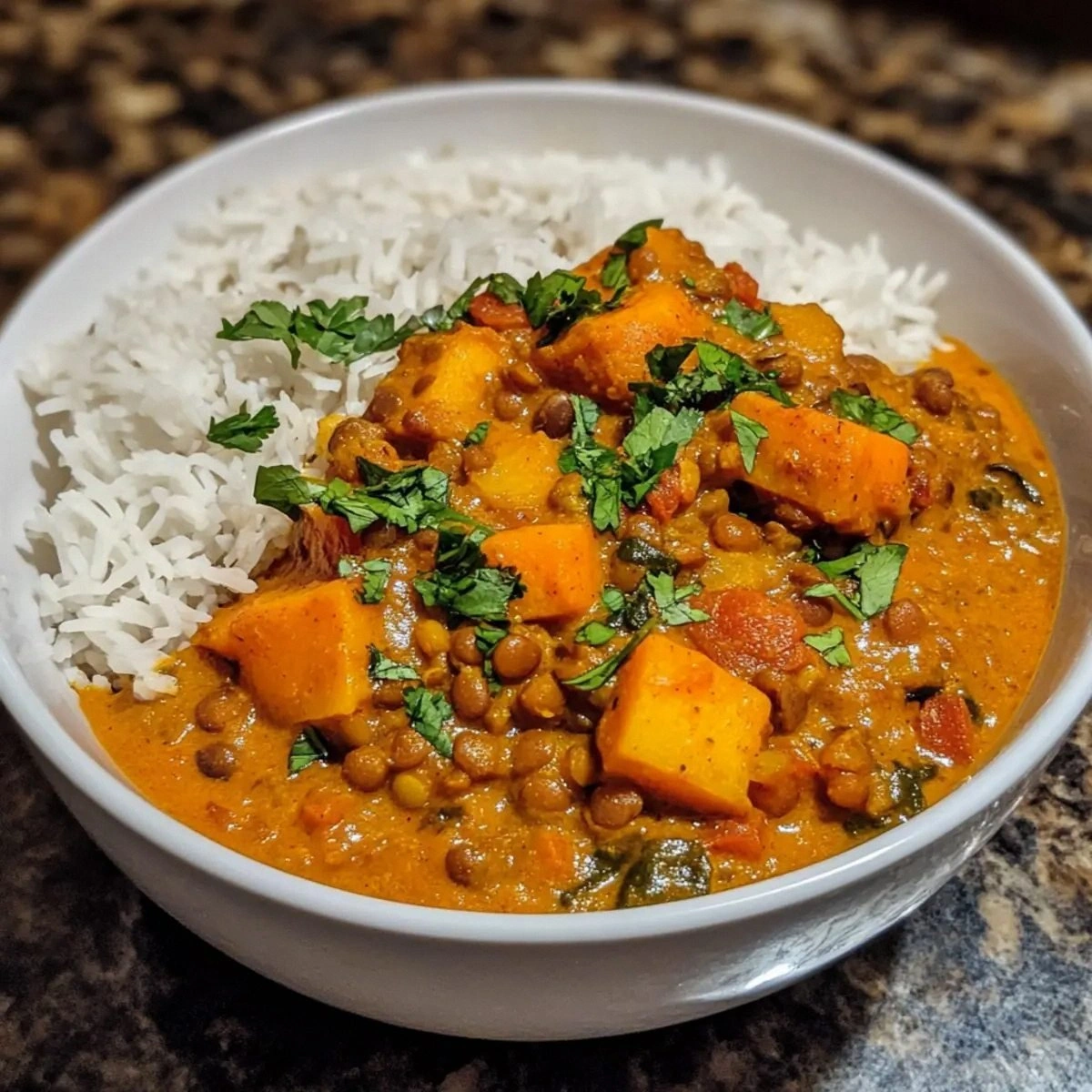
- Stir in the chopped cilantro and squeeze the lime juice over the curry. The fresh herbs and citrus brighten the dish, cutting through the coconut richness. The final garnish should look vibrant green against the golden sauce, making it visually appealing. Serve immediately over rice or with warm naan for a complete meal. This last touch transforms the curry from a simple dish to a feast for the senses.
- Plate the curry in bowls, ensuring each serving gets a generous amount of the creamy sauce. Garnish with a few extra cilantro leaves for an added pop of color. Take a moment to inhale the aroma before the first bite, letting the scent settle on your palate. This final presentation sets the stage for a satisfying dining experience. Enjoy the comforting warmth that follows each spoonful.
That's it — you did it. But hold on, I've got a few more tricks that'll take this to another level...
Insider Tricks for Flawless Results
The Temperature Rule Nobody Follows
Many cooks underestimate the importance of starting the sauté on a high flame. A higher heat caramelizes the onions and spices more effectively, unlocking deeper flavors. I once tried a low‑heat sauté and the dish felt flat and under‑seasoned. By turning the Instant Pot to the highest sauté setting, you get that beautiful golden crust that adds depth. This small adjustment can elevate the entire dish.
Why Your Nose Knows Best
A dish’s aroma often gives away its true flavor profile. If the curry smells too sweet, it means the pumpkin puree is overpowering the spices. If it smells too spicy, you may have over‑cooked the lentils, releasing too many aromatic oils. Trust your nose to gauge the balance and adjust seasoning accordingly. This sensory check saves you from a bland or over‑seasoned final product. I’ve found that a quick sniff after the sauté reveals the exact moment to add the spices.
The 5‑Minute Rest That Changes Everything
After the pressure cook, let the Instant Pot sit for five minutes before performing the quick release. This allows the pressure to drop gradually, preventing the lentils from continuing to cook and becoming mushy. It also lets the flavors meld together more thoroughly. I’ve seen dishes that skip this step end up watery and uneven. A brief rest is a simple trick that ensures a perfect consistency.
Use Fresh Coconut Milk for Richness
Canned coconut milk can vary in thickness and flavor. Opt for a fresh, full‑fat version to achieve a creamier sauce. If you prefer a lighter version, use a low‑fat alternative, but be prepared for a slightly thinner consistency. Fresh coconut milk also contains more natural oils that enhance the dish’s mouthfeel. I’ve experimented with different brands and found the full‑fat version consistently superior.
Add a Pinch of Cinnamon for Depth
A tiny pinch of ground cinnamon can add a warm, sweet undertone that complements the pumpkin’s sweetness. Sprinkle it in during the sauté step for a subtle aroma. Too much cinnamon will overpower the dish, so keep it minimal. This trick is especially effective if you’re serving the curry with rice, as it adds a fragrant layer to the meal. Try it next time and taste the difference.
Serve with Warm Naan for Extra Comfort
Pairing the curry with freshly baked naan adds a chewy, buttery element that balances the creamy sauce. The bread’s slight crunch contrasts with the tender lentils, creating a satisfying texture combination. Warm the naan in the oven for a minute before serving to keep it soft and inviting. This simple pairing elevates the dish from a bowl to a complete feast.
Creative Twists and Variations
This recipe is a playground. Here are some of my favorite ways to switch things up:
Spicy Thai Twist
Add a tablespoon of Thai red curry paste and a handful of sliced chilies during the sauté step. The result is a fiery, aromatic curry that pairs well with jasmine rice. The chilies give a pop of heat that contrasts the coconut’s richness. Serve with a side of cucumber salad to balance the spice. This variation turns the dish into a Thai-inspired feast.
Herb‑Infused Mediterranean Flavor
Swap the cumin with oregano and add a splash of lemon juice in place of lime. The citrusy note gives the dish a bright, Mediterranean vibe. Top the curry with chopped parsley and a drizzle of olive oil for added depth. This version works beautifully with a side of warm pita bread. It’s a refreshing take that feels both exotic and familiar.
Protein‑Packed Tofu Variation
Cube firm tofu and pan‑fry it until golden before adding it to the pot. The tofu absorbs the spices, becoming a savory protein source. Toss the tofu with a little soy sauce for an umami boost. This variation is perfect for those who want a more substantial meal. The tofu adds a satisfying bite without compromising the dish’s creaminess.
Vegan Protein Boost
Add a scoop of cooked chickpeas or lentil protein powder during the sauté step. The chickpeas bring a nutty flavor and extra protein, while the protein powder blends seamlessly into the sauce. This tweak turns the dish into a complete, plant‑based protein meal. It’s ideal for vegans or anyone looking to increase protein intake. The result is a hearty, satisfying bowl.
Sweet & Smoky BBQ Finish
Stir in a tablespoon of smoky barbecue sauce during the final stir. The sweet, smoky flavor adds a new dimension that pairs well with grilled veggies. The BBQ sauce’s acidity complements the coconut milk, preventing the dish from feeling heavy. This twist is great for summer cookouts or casual gatherings. It transforms the curry into a bold, flavorful centerpiece.
Breakfast‑Style Breakfast Bowl
Serve the curry over a bed of quinoa or steel‑cut oats for a breakfast‑style bowl. Top with a fried egg and a sprinkle of smoked paprika. The egg adds richness, while the paprika brings a subtle heat. This breakfast version is both filling and energizing. It’s a great way to start the day with a comforting, protein‑rich meal.
Storing and Bringing It Back to Life
Fridge Storage
Place the curry in an airtight container and store it in the refrigerator for up to three days. The coconut milk may separate slightly, but a quick stir will restore its creamy texture. Keep the container at a steady temperature to prevent bacterial growth. When ready to eat, reheat gently on the stovetop or in the microwave. The flavors will re‑unite, and the dish will taste almost fresh.
Avoid storing the curry in a container with a tight seal, as the pressure buildup can cause it to leak. If you notice condensation, it’s a sign the dish has been refrigerated for too long. Always check for off smells before reheating. A properly stored curry should retain its aromatic profile and silky texture.
When reheating, add a splash of water or broth to loosen the sauce. This small trick prevents the curry from becoming too thick or dry. Stir frequently to ensure even heating. The dish should reach a gentle simmer before serving. A properly reheated curry will feel as comforting as when it was first cooked.
Freezer Friendly
The curry freezes well in portioned containers, keeping its flavor intact for up to two months. Freeze in individual servings to avoid thawing the entire batch. Label each container with the date to track freshness. When ready to eat, thaw overnight in the refrigerator for the best texture. The lentils will maintain their softness, and the coconut milk will re‑emulsify with a quick stir.
Freezing can sometimes cause the coconut milk to separate. To fix this, whisk the curry vigorously before freezing, ensuring the fat is fully emulsified. Add a bit of fresh broth when reheating to restore moisture. Avoid over‑freezing, as it can degrade the coconut’s flavor. A properly frozen curry will taste just as good as a freshly made one.
If you prefer quick reheating, use the microwave’s defrost setting for 1–2 minutes, then stir. This method preserves the curry’s texture while saving time. Keep the container uncovered to allow steam to escape. The dish should be heated to a safe temperature of 165°F before serving.
Best Reheating Method
The stovetop is the preferred method for reheating this curry, as it allows precise temperature control. Place the curry in a saucepan over low heat, stirring frequently. Add a splash of broth or water if the sauce feels thick. Heat until the curry is steaming hot, but avoid boiling, which can break down the coconut’s texture.
If you’re in a hurry, the microwave works well too. Use a microwave‑safe bowl and cover it loosely with a lid or parchment paper to trap steam. Heat in 30‑second increments, stirring in between, until the curry reaches an even heat. Be careful not to over‑heat, as the coconut milk can separate.
After reheating, taste and adjust seasoning if necessary. A pinch more salt or a squeeze of lime can brighten the flavors. Serve immediately for the best experience. Whether you choose the stove or the microwave, the curry will regain its silky, comforting nature.