INTRODUCTION
Picture this: the kitchen clock reads 9 p.m., the fridge is a barren wasteland, and you’re staring at a bag of frozen chicken breasts that have been sitting in the back for weeks. You’re craving something quick, comforting, and utterly crowd‑pleasing, but you’ve tried countless take‑out orders that leave you feeling guilty and a little disappointed. That night, you decide to channel your inner chef and pull out a pot of instant noodles, a bag of bean sprouts, and a splash of soy sauce. The result? A sizzling, aromatic bowl that smells like a bustling street market in Shanghai, tastes like a hug, and leaves everyone in the house asking for seconds. I dare you to taste this and not go back for seconds.
The first bite is a revelation: the noodles are tender yet chewy, the chicken is juicy and marinated to perfection, and the vegetables add a satisfying crunch that shatters like thin ice. The sauce coats each strand of noodles like velvet, and the subtle sweetness of hoisin and oyster sauce balances the savory umami. It’s not just a meal; it’s a symphony of textures and flavors that dance on your tongue. The best part? You can make it in under 30 minutes, which is a game‑changer for those hectic weekday evenings. This is hands down the best version you'll ever make at home.
Most recipes get this completely wrong, either by overcooking the noodles or underseasoning the sauce. I’ve spent years tweaking the ratios, experimenting with different noodle types, and discovering that a splash of sesame oil at the end transforms the dish from ordinary to unforgettable. The secret is in the timing, the quality of the ingredients, and a few small hacks that I’ll share with you. By the end of this guide, you’ll wonder how you ever made it any other way. Okay, ready for the game‑changer?
If you’ve ever struggled with making stir‑fry that feels authentic, you’re not alone. I’ve seen countless kitchens where the sauce is too thick, the veggies soggy, and the chicken rubbery. The solution is simple: a few precise steps, the right heat, and a dash of confidence. Stay with me here—this is worth it. Let me walk you through every single step, and by the end, you’ll have a go‑to recipe that will impress friends, satisfy family, and keep your pantry stocked for the next culinary adventure.
What Makes This Version Stand Out
- Flavor: The sauce is a harmonious blend of soy, oyster, hoisin, and sesame oil, creating a depth that lingers on the palate.
- Texture: Every bite delivers a contrast—soft noodles, crisp vegetables, and tender chicken—like a well‑orchestrated jazz solo.
- Simplicity: With fewer than 15 ingredients, the recipe feels approachable while still delivering restaurant‑grade taste.
- Speed: From prep to plate in under 30 minutes, it’s a perfect solution for busy nights or last‑minute gatherings.
- Versatility: Swap chicken for shrimp, tofu, or beef, and the dish adapts effortlessly to your pantry or dietary preferences.
- Make‑Ahead: The sauce can be prepared in advance, and the noodles can be boiled and cooled, saving precious time.
- Visual Appeal: The vibrant colors of bell pepper, bean sprouts, and scallions create a dish that looks as good as it tastes.
- Authenticity: The technique of stir‑frying at high heat mimics the traditional wok‑style cooking found in Asian markets.
Alright, let's break down exactly what goes into this masterpiece. This is the moment of truth.
Inside the Ingredient List
The Flavor Base
The foundation of any great stir‑fry lies in its sauce. A balanced mix of soy sauce, oyster sauce, hoisin sauce, and a splash of sesame oil creates a savory, slightly sweet, and fragrant coating that clings to every noodle strand. The soy sauce provides umami and saltiness, while the oyster sauce adds depth and a hint of brininess. Hoisin sauce introduces a subtle sweetness that counters the salt, and sesame oil delivers nutty undertones that elevate the dish. If you’re watching sodium, you can reduce the soy sauce by half and compensate with a pinch of salt or a splash of low‑sodium broth.
The trick to a silky sauce is to whisk all liquid components together before adding them to the pan. This ensures even distribution and prevents clumping. When you pour the sauce over the hot noodles, the residual heat will instantly thicken it into a glossy glaze that coats the ingredients beautifully. A small bowl of water can be added if the sauce becomes too thick, allowing you to adjust the consistency to your liking.
The Protein Power
Chicken breast is the star of this dish—lean, mild, and perfect for absorbing flavors. Slice the chicken thinly against the grain to keep it tender. Marinating the chicken in a mixture of soy sauce, a touch of sugar, and cornstarch before stir‑frying gives it a silky coating that caramelizes slightly, adding texture and flavor. If you prefer shrimp or tofu, the same marination technique works wonderfully, ensuring each bite is juicy or firm, depending on your choice.
For a richer protein option, substitute half the chicken with pork belly or beef sirloin. The fat content will add depth to the sauce and provide a contrasting chew. Just be sure to thinly slice the meat to maintain the quick cooking time characteristic of this recipe. The key is to keep the protein pieces uniform in size so they cook evenly and avoid overcooking.
The Vegetable Crew
Bean sprouts, sliced bell pepper, shredded carrots, and shredded cabbage bring color, crunch, and nutrition. Bean sprouts add a refreshing bite that balances the richness of the sauce, while bell pepper contributes a sweet, slightly smoky flavor. Carrots and cabbage provide subtle sweetness and a satisfying crunch that contrasts the tender noodles. Together, they create a vibrant, multi‑textured dish that’s as healthy as it is delicious.
If you’re short on time, frozen mixed vegetables can work as a quick substitute. Just be sure to thaw and squeeze out excess moisture before adding them to the wok. This prevents the dish from becoming watery and maintains the desired snap. For a protein‑rich variation, toss in edamame or sliced mushrooms to add depth and a hearty bite.
The Final Flourish
Garlic, ginger, scallions, and chili flakes are the aromatic backbone of the dish. Minced garlic and ginger are sautéed at the beginning of the cooking process to release their essential oils, creating a fragrant base that permeates every component. Scallions, added at the end, provide a fresh, sharp finish that brightens the overall flavor profile. Optional chili flakes give a gentle heat that can be adjusted to taste, making the dish suitable for all spice levels.
A small splash of rice vinegar at the finish can add a subtle tang that balances the sweetness of hoisin sauce. This quick tweak transforms the dish from comforting to refreshingly vibrant, perfect for a hot summer night. Remember, the key to a great stir‑fry is to keep the ingredients moving, so add each component at the right time and avoid overcrowding the wok.
Everything's prepped? Good. Let's get into the real action. Stay with me here—this is worth it.
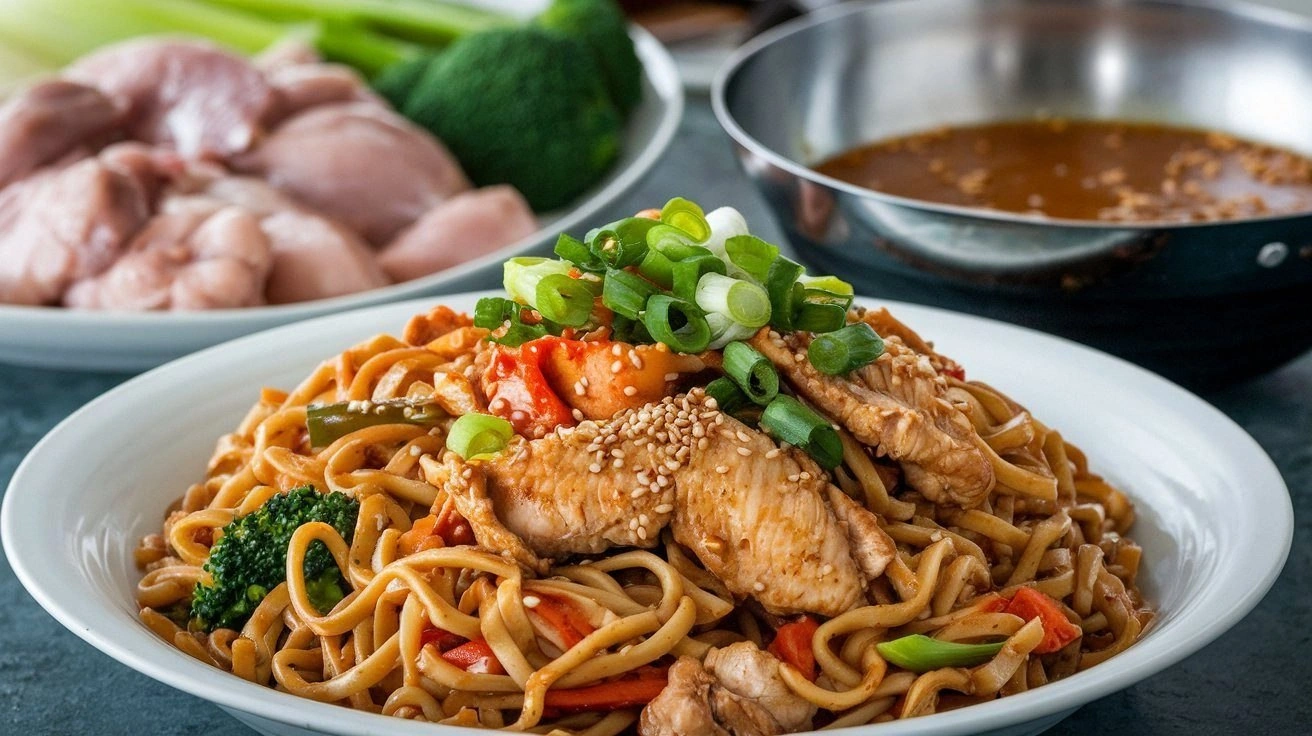
The Method — Step by Step
- Heat a wok or large skillet over high heat until it begins to smoke slightly. Add 2 tablespoons of vegetable oil and swirl to coat. The oil should shimmer and immediately start to sizzle when the chicken is added. This high temperature ensures a quick sear that locks in juices. Watch out: if the oil smokes too much, reduce the heat slightly to avoid burning.
- Add the sliced chicken, season with a pinch of salt, and stir‑fry for 2–3 minutes until the edges turn golden. Flip the pieces to cook evenly on both sides. The chicken should release a savory aroma and start to curl slightly. Keep the pieces moving to prevent sticking. Once the chicken is cooked through, remove it from the wok and set aside.
- In the same wok, add minced garlic and ginger, sautéing for 30 seconds until fragrant. Be careful not to let them burn; a quick stir keeps them bright and aromatic. The aroma of garlic and ginger should fill the kitchen, signaling that the base flavor is ready. Add the sliced bell pepper, carrots, and cabbage, stir‑frying for 2 minutes until they start to soften but still retain crunch.
- Introduce the bean sprouts, and stir for an additional minute. The sprouts should wilt just enough to release their moisture but remain crisp. This step is crucial for maintaining the dish’s signature crunch. If the vegetables look too dry, splash a teaspoon of water to create steam.
- Return the cooked chicken to the wok, ensuring it’s evenly distributed among the vegetables. This is the moment of truth—every element should mingle to create a harmonious blend. Toss gently to coat the chicken with the aromatics and vegetables.
- Add the pre‑cooked noodles to the wok, breaking any clumps with your hands or a spatula. Pour the sauce mixture over the top, making sure every noodle is drenched. Toss vigorously to combine all components, allowing the sauce to coat the noodles like velvet.
- Stir in the sesame oil, a pinch of sugar, and the optional chili flakes. These finishing touches add depth, sweetness, and a gentle heat that rounds out the dish. The sauce should thicken slightly, forming a glossy glaze that clings to the noodles and veggies.
- Finally, sprinkle the sliced scallions over the top and give one last quick stir. The scallions add a fresh, bright note that cuts through the richness. Serve immediately while the dish is hot and the noodles are perfectly al dente.
That's it — you did it. But hold on, I've got a few more tricks that'll take this to another level. And now the fun part.
Insider Tricks for Flawless Results
The Temperature Rule Nobody Follows
High heat is the secret weapon of any good stir‑fry. Cooking at 400–450°F ensures that the proteins sear quickly, locking in juices, while the vegetables stay crisp. If your stove can’t reach that temperature, use a cast‑iron skillet or a wok and preheat it for at least five minutes. The key is to keep the wok hot enough that the ingredients sizzle immediately upon contact.
Why Your Nose Knows Best
Your sense of smell is a reliable indicator of doneness. When the sauce begins to caramelize and the chicken emits a savory scent, it’s time to add the noodles. A sudden sharp aroma signals that the sauce has reached its peak flavor profile. Trust your nose, and you’ll avoid overcooking.
The 5-Minute Rest That Changes Everything
After tossing everything together, let the dish rest in the wok for 5 minutes before serving. This allows the flavors to meld and the noodles to finish cooking in their own steam. The rest also gives the sauce a chance to thicken into a glossy glaze. During this brief pause, cover the wok loosely with a lid to trap heat.
Keep Your Oil at the Right Level
Using too much oil can make the dish greasy, while too little can cause sticking. A good rule of thumb is one tablespoon of oil per 1 lb of protein. Adjust based on your wok’s size and the amount of vegetables. A clean, well‑oiled surface is essential for a flawless stir‑fry.
Don't Skimp on the Aromatics
Garlic, ginger, and scallions are the flavor backbone of this dish. Skipping any of them will dilute the depth. Mince the garlic and ginger finely so they release their oils quickly. If you’re short on time, pre‑minced packs are acceptable, but fresh is always better.
Use a Wok for Authenticity
While a skillet works, a wok’s high, sloped sides allow for better tossing and heat distribution. The shape also makes it easier to keep the ingredients moving, preventing burning. If you don’t have a wok, a wide, heavy skillet will suffice.
Creative Twists and Variations
This recipe is a playground. Here are some of my favorite ways to switch things up:
Spicy Sichuan Kick
Add a tablespoon of Sichuan peppercorn paste and a handful of dried chilies to the sauce. The numbing heat pairs beautifully with the savory sauce, creating a bold, unforgettable flavor profile. Serve with a side of pickled cucumber for contrast.
Seafood Surprise
Replace the chicken with a mix of shrimp and scallops. The seafood cooks in just a couple of minutes, giving the dish a luxurious, oceanic twist. Add a splash of fish sauce to deepen the umami.
Vegan Delight
Swap the chicken for tofu, pressing it to remove excess moisture before stir‑frying. Use tamari instead of soy sauce for a gluten‑free version. Finish with a drizzle of maple syrup for a subtle sweetness.
Breakfast Edition
Incorporate scrambled eggs into the wok after the vegetables, then add the noodles and sauce. The eggs soak up the sauce, turning the dish into a hearty breakfast stir‑fry. Top with a sprinkle of chopped cilantro for freshness.
Low‑Carb Version
Use Shirataki noodles or spiralized zucchini instead of traditional noodles. Reduce the sauce to a thin, savory glaze. This variation is perfect for keto or paleo diners.
Asian Fusion Fusion
Add a spoonful of peanut butter to the sauce for a creamy, nutty twist. Sprinkle crushed peanuts on top for added crunch. This version bridges East and West in a single, harmonious bite.
Storing and Bringing It Back to Life
Fridge Storage
Cool the dish to room temperature, then transfer it to an airtight container. Store in the refrigerator for up to 3 days. The sauce may thicken slightly, but a quick stir and a splash of water will restore its silky texture.
Freezer Friendly
Divide the dish into individual portions and place them in freezer‑safe bags. Label with the date and freeze for up to 2 months. Thaw overnight in the fridge before reheating.
Best Reheating Method
Reheat in a wok or skillet over medium heat, adding a splash of water or broth to keep the noodles from drying out. Stir frequently until hot and the sauce is bubbly. A quick splash of sesame oil at the end will revive the aroma and flavor.