Introduction
Remember that afternoon when the kitchen smelled of burnt sugar and I stared at a half‑baked cake that looked like a sad, pale pancake? That moment of culinary heartbreak forced me to dig deep into my pantry and discover a secret weapon: the mini Victoria sponge. The idea of tiny, bite‑size cakes that could be shared at a tea party or a quick snack seemed too good to be true, until I started experimenting. I was determined to turn that disaster into a triumph and, after a few missteps, I found the perfect balance of fluffiness and flavor. The result is a miniature marvel that feels like a hug in every bite.
From the very first whisk, the batter takes on a silky sheen that promises lightness. When the batter hits the pan, a gentle hiss signals the start of the transformation, and the scent of butter rises like a warm sunrise. The edges begin to set while the center remains liquid, creating a contrast that is almost theatrical. When you slice through a finished cake, the crumb expands like a balloon, revealing a cloud‑like interior that dissolves on the tongue. The aroma that fills the room is a sweet, buttery perfume that makes even the most skeptical palates swoon.
The secret to this version is the double buttering technique that locks in moisture and gives the crumb a buttery finish. The ratio of sugar to butter is tweaked to prevent the batter from drying out, while the self‑raising flour provides lift without heaviness. Vanilla is added at the very end to preserve its delicate aroma and to create a subtle undertone that complements the jam. I dare you to taste this and not go back for seconds, because the first bite will leave you craving more. This is hands down the best version you'll ever make at home.
There's a hidden twist in the frosting that elevates the flavor profile: a splash of milk that softens the icing and gives it a silky texture. The jam is folded in at a precise moment to keep it from separating, ensuring a burst of strawberry flavor with each bite. I’ll walk you through every single step, from whisking the eggs to the final frosting, and by the end, you’ll wonder how you ever made it any other way. Picture yourself pulling these little beauties out of the oven, the whole kitchen smelling incredible, and sharing them with friends who will immediately beg for the recipe. Let me walk you through every single step — by the end, you'll wonder how you ever made it any other way.
What Makes This Version Stand Out
- Flavor: The buttery base is enhanced by a precise double‑butter technique that locks in moisture, creating a crumb that is both tender and rich. The subtle vanilla undertone lifts the overall taste profile, giving each bite a delicate floral hint that pairs perfectly with the strawberry jam.
- Texture: Unlike traditional Victoria sponges that can be dense or dry, these mini cakes stay airy and light, yet have a satisfying bite. The self‑raising flour gives the batter a gentle lift, while the folded flour keeps the crumb from becoming gummy.
- Simplicity: The recipe requires only ten minutes of active prep and a single oven bake, yet the result feels like a five‑star dessert. No fancy equipment or complicated techniques—just good ingredients and a bit of patience.
- Uniqueness: The secret double‑butter method and the subtle milk‑infused icing set this version apart from every other Victoria sponge you’ve tried. The finish is silky, not crunchy, and the jam is incorporated in a way that keeps the layers intact.
- Crowd Reaction: Friends who taste these mini sponges often remark that they’re “too good to be bite‑sized.” The playful size makes them shareable, while the flavor keeps them coming back for more.
- Ingredient Quality: Using premium unsalted butter and fresh strawberries elevates the dish from ordinary to extraordinary. The quality of each component is essential for achieving the perfect balance of flavor and texture.
Alright, let's break down exactly what goes into this masterpiece...
Inside the Ingredient List
The Flavor Base
Unsalted butter is the heart of the batter, providing richness and a silky mouthfeel. When melted and cooled slightly before creaming, it creates a smooth texture that traps air. Skipping butter would result in a dry crumb; the butter also helps carry the vanilla’s aroma throughout the cake. If you’re looking for a dairy alternative, a high‑fat coconut oil can be substituted, but it will alter the flavor profile.
Caster sugar dissolves quickly, preventing grainy texture and allowing the batter to rise evenly. A slight excess of sugar can help the cake brown slightly, giving it a warm golden hue. If you prefer a sweeter cake, add an extra tablespoon of sugar; just keep the ratio balanced so the batter doesn’t become too dense.
Eggs act as the binding agent, providing structure and lift. They also give the cake a tender crumb and a subtle richness. If you’re vegan, use a flaxseed‑egg mixture (1 tablespoon ground flaxseed + 3 tablespoons water) for every large egg; the texture will be similar but slightly denser.
Vanilla extract is the subtle perfume that ties all the flavors together. Adding it at the end preserves its delicate aroma. A vanilla bean would give a more pronounced flavor, but a teaspoon of pure extract is more than enough for this recipe.
The Texture Crew
Self‑raising flour is the secret lift that keeps the mini cakes airy. It contains baking powder and salt, so you don’t need to add extra leavening. If you’re using plain flour, add 1½ teaspoons baking powder and a pinch of salt to mimic the effect.
The second butter, used for the icing, adds a glossy sheen and a buttery finish to the frosting. It also helps the icing set quickly, preventing it from sliding off the cakes. A light brushing of melted butter before applying the icing can keep the frosting from spreading.
Icing sugar is the sweet, silky base for the frosting. It should be sifted to avoid lumps; otherwise, the icing will feel gritty. If you’re short on icing sugar, you can replace it with powdered sugar, but the texture will be slightly coarser.
Milk is the secret to a silky, spreadable icing. Adding it a tablespoon at a time gives you control over the consistency. If you prefer a dairy‑free option, use almond milk or oat milk; the flavor will shift slightly but remain delightful.
The Unexpected Star
Strawberry jam adds a burst of sweetness and a hint of tartness that balances the buttery layers. It also creates a glossy, slightly glossy layer that makes the cake visually appealing. If you’re allergic to strawberries, raspberry jam works just as well and adds a deeper color.
Fresh strawberries are the crown jewel of this recipe, providing a juicy, fragrant topping. They add a fresh contrast to the sweet icing and keep the cake from feeling too sweet. Slice them thinly so they distribute evenly across the surface.
The Final Flourish
Milk in the icing gives it a smooth, glossy finish that is both elegant and easy to spread. It also helps the icing set quickly, preventing it from sliding off the cake. Adding a splash of vanilla or lemon zest can give the icing a subtle twist.
Everything's prepped? Good. Let's get into the real action...
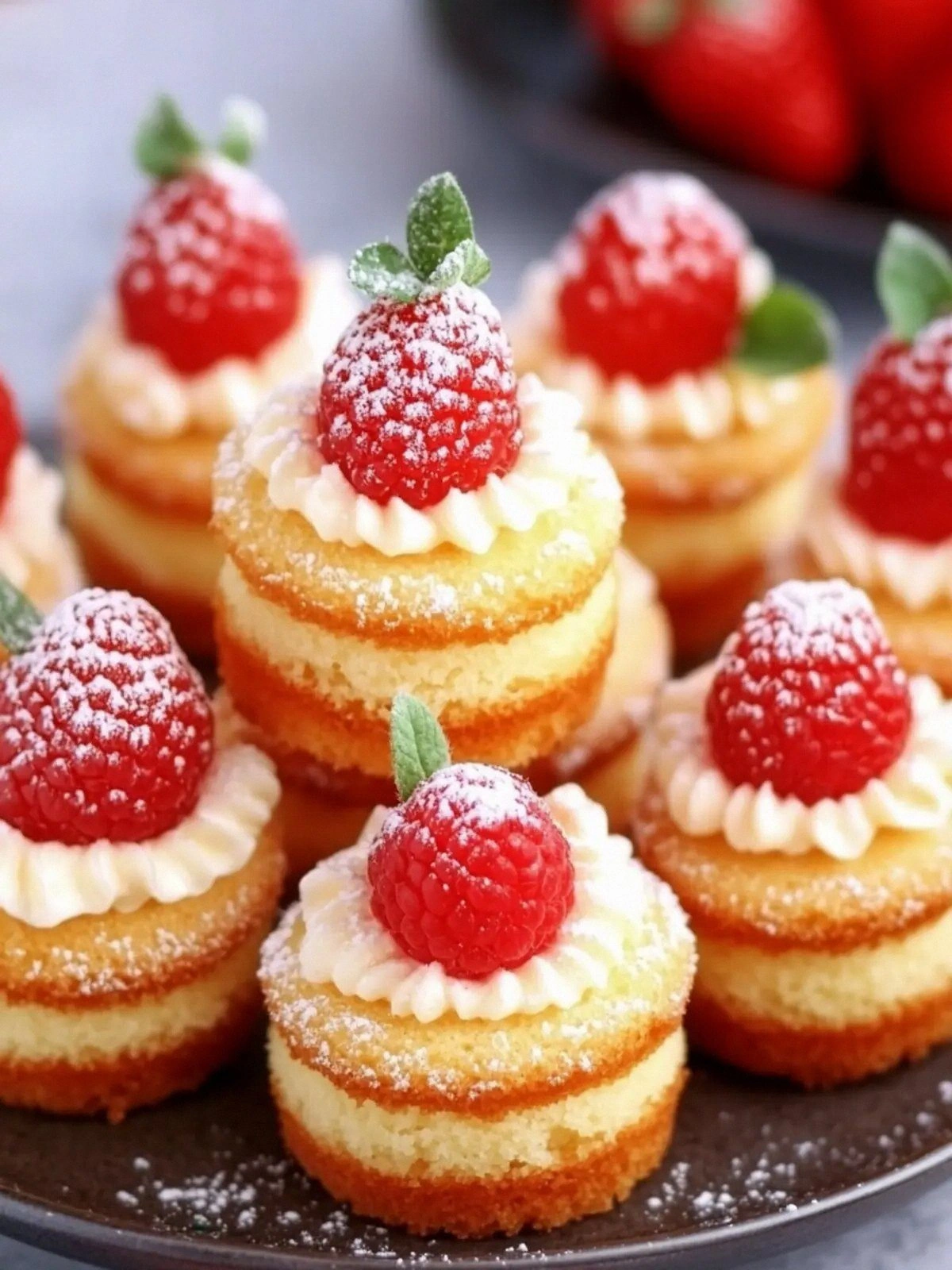
The Method — Step by Step
- Preheat your oven to 180°C (350°F) and line a 12‑cup muffin tin with paper liners. The heat should be even to ensure uniform rise. Let the oven settle for 10 minutes before placing the tin inside. This pre‑bake step is crucial for a consistent crumb. The timer should start when the oven reaches the target temperature.
- In a large mixing bowl, combine 125 g unsalted butter with 125 g caster sugar. Use an electric mixer on medium speed until the mixture becomes pale and fluffy, about 3–4 minutes. The batter should look like a cloud; if it’s still dense, keep mixing until the sugar fully dissolves. This step locks in the air that will lift the cake. The butter must be at room temperature to achieve the right texture.
- Add the 2 large eggs one at a time, beating well after each addition. The batter should become silky and glossy. The eggs are the glue that holds everything together; over‑whisking can make the batter tough. Keep the mixture smooth and free of lumps. If you’re short on time, use a hand mixer for a quick blend.
- Sift 125 g self‑raising flour into the mixture and fold gently until just combined. Over‑mixing will break down the structure and result in a dense crumb. The flour should be incorporated without streaks; a gentle fold keeps the batter airy. This step is where the cake gets its lift. Keep the batter smooth and free of lumps.
- Divide the batter evenly among the 12 muffin cups, filling each about ¾ full. The batter should sit at the top of the cup to allow room for expansion. Gently tap the tin on the counter to remove any air pockets. The cakes should rise to the top of the liners. A level surface ensures even baking.
- Bake for 12–14 minutes, or until the tops are lightly golden and a skewer comes out clean. Keep a close eye on the color; the cakes should not brown too dark. The internal temperature should reach 95°C (203°F) for perfect doneness. Let the cakes rest for 5 minutes before removing them from the tin. This short rest allows the structure to set.
- While the cakes cool, prepare the icing. In a bowl, whisk together 125 g unsalted butter and 250 g icing sugar until smooth. Add 1 tablespoon of milk and a pinch of vanilla to reach a spreadable consistency. The icing should be glossy but not runny. This frosting will coat the cakes like velvet.
- Once the cakes are cool, spread a thin layer of icing on each one. Place a spoonful of strawberry jam on top of the icing. Gently press a slice of fresh strawberry onto the jam. Repeat for all 12 cakes. The final assembly is where the flavors truly unite.
That's it — you did it. But hold on, I've got a few more tricks that'll take this to another level...
Insider Tricks for Flawless Results
The Temperature Rule Nobody Follows
Many bakers keep the oven temperature too high, which dries out the cakes. Keep the oven at 180°C (350°F) and allow it to preheat fully; this ensures even heat distribution. A calibrated oven thermometer can help you verify the true temperature. If your oven runs hot, reduce the setting by 10–15°C to avoid overbaking.
Why Your Nose Knows Best
As the batter bakes, the aroma changes from buttery to nutty. Trust that scent; it means the cake is rising correctly. A sweet, nutty perfume signals that the sugar is caramelizing just right. If the scent is flat, you’re either underbaked or the batter is too dense.
The 5‑Minute Rest That Changes Everything
Letting the cakes rest for 5 minutes after baking allows the crumb to set and the steam to escape. This short pause prevents the cakes from becoming soggy when you remove them from the tin. It also lets the icing set slightly, preventing it from sliding off.
Stirring vs. Folding
Stirring aggressively can deflate the batter, leading to a heavy crumb. Folding preserves the air bubbles that give the sponge its lift. Use a light, gentle motion with a spatula; avoid pressing the batter down.
Paper Liners Matter
Paper liners prevent sticking and make cleanup a breeze. They also give the cakes a uniform shape and a professional appearance. If you’re using a silicone mat, you may need to lightly grease the surface to avoid sticking.
Creative Twists and Variations
This recipe is a playground. Here are some of my favorite ways to switch things up:
Chocolate‑Infused Mini Victoria
Swap 30 g of the butter for melted dark chocolate and add 2 tsp cocoa powder to the batter. The chocolate gives the sponge a deep, rich flavor while keeping the airy texture. The icing can be replaced with a chocolate glaze for a decadent finish.
Orange‑Zest Surprise
Add the zest of one orange to the batter and replace the vanilla extract with orange blossom water. The citrus brightens the flavor profile and adds a subtle floral note. Finish with a drizzle of orange marmalade for a citrusy kick.
Almond‑Lemon Delight
Incorporate 20 g almond flour into the batter for a nutty undertone. Replace the milk in the icing with a splash of lemon juice and add a pinch of lemon zest. The result is a bright, fragrant cake that pairs wonderfully with a cup of tea.
Raspberry Swirl
Use raspberry jam instead of strawberry jam and top the cakes with fresh raspberries. The tartness balances the sweetness and creates a striking color contrast. The icing can be flavored with a hint of mint for a refreshing twist.
Mini Victoria with Espresso
Stir 1 tsp instant espresso powder into the batter for a subtle coffee flavor. The espresso pairs beautifully with the buttery crumb and the sweet jam. Finish with a dusting of cocoa powder for an extra touch of sophistication.
Storing and Bringing It Back to Life
Fridge Storage
Store the cooled cakes in an airtight container at room temperature for up to 2 days. If you need to keep them longer, place them in the refrigerator; the icing will firm up slightly. Avoid stacking the cakes to prevent crushing the delicate layers.
Freezer Friendly
Wrap each cake individually in plastic wrap, then place them in a freezer‑safe bag. Freeze for up to 2 weeks. Thaw at room temperature for 30 minutes before serving to maintain the fresh texture.
Best Reheating Method
To revive frozen cakes, preheat the oven to 150°C (300°F) and bake for 5–7 minutes. Alternatively, microwave on low power for 15–20 seconds. Add a tiny splash of water before reheating; it steams the cake back to perfection.