Picture this: a Saturday night, the kitchen lights flicker like fireflies, and I’m staring at a pile of glossy Japanese eggplants that look like miniature moons. I’ve been trying to turn a simple dinner into an Instagram-worthy moment, but every attempt ends with a soggy, flavorless mess. Then a friend texted, “I dare you to taste this and not go back for seconds.” That was the spark that turned a kitchen disaster into a culinary revelation. The moment the first eggplant hit the hot pan, a symphony of aromas filled the air—smoky paprika, citrus zest, and the faint scent of garlic. It was a revelation that a single ingredient could transform a humble vegetable into a silky, velvety dip that feels like a secret handshake between flavors. I’ve been obsessed ever since, and I can’t wait to share every detail with you, because this is hands down the best version you’ll ever make at home.
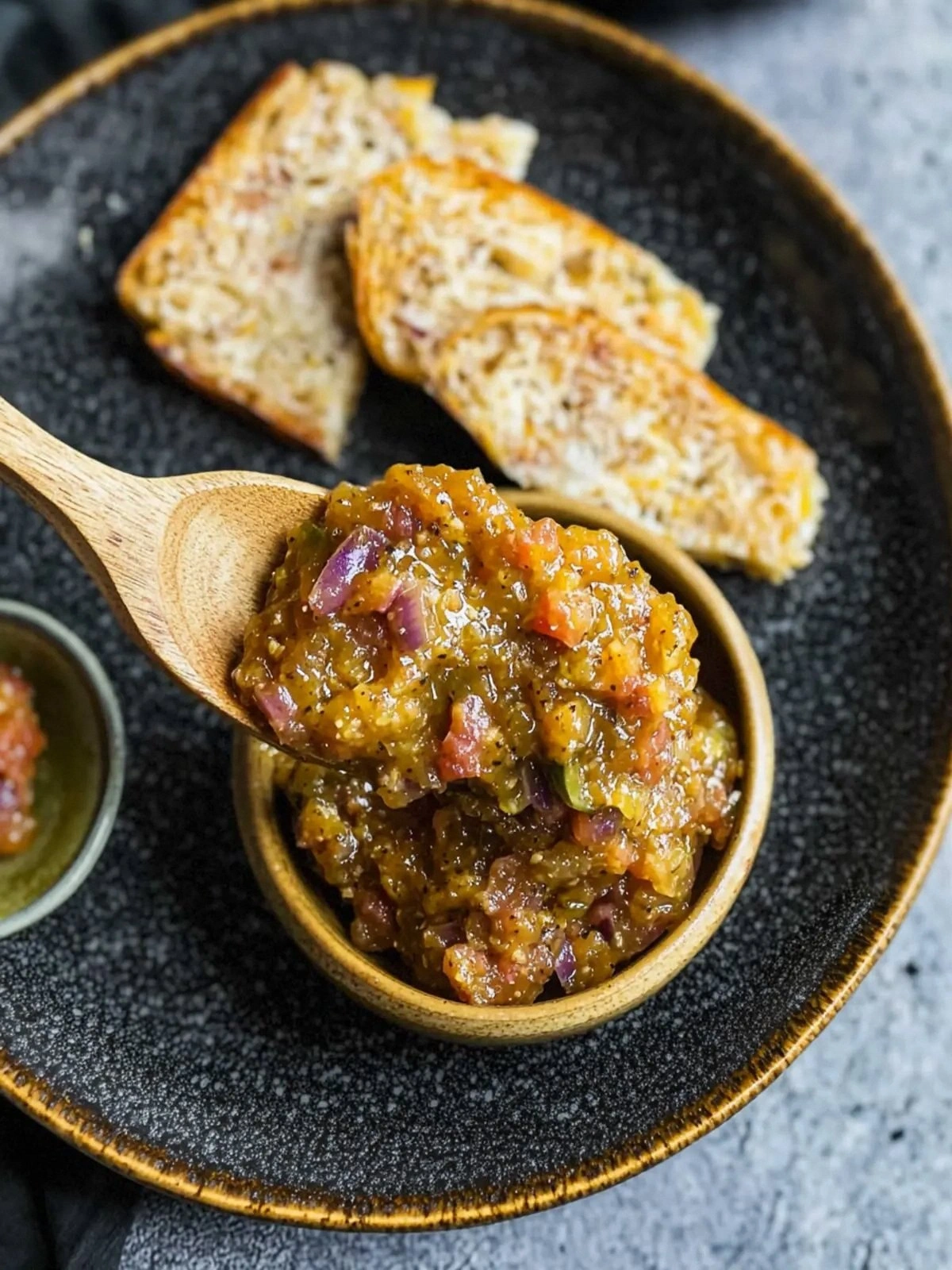
The first bite is a revelation: the eggplant is tender yet firm, like a soft cloud that resists the bite. The smoky paprika adds a whisper of heat that lingers, while the lemon juice cuts through the richness, giving a bright, almost citrusy finish. The olive oil coats the mixture, creating a silky texture that clings to the bread like velvet. The red onion contributes a subtle crunch and a hint of sweetness that balances the earthiness of the eggplant. Garlic is the backbone, infusing every mouthful with its unmistakable punch. When you pair this with crusty bread, the contrast of textures feels like a dance—soft, chewy bread meets a silky, savory spread.
What sets this recipe apart isn’t just the flavor; it’s the method that preserves the eggplant’s natural moisture while caramelizing its edges. I’ve discovered that searing the eggplant at a high temperature for a short time locks in juices and creates a caramelized crust that shatters like thin ice when you bite into it. The smoked paprika isn’t just seasoning; it’s a flavor enhancer that deepens the earthiness of the eggplant. The lemon juice isn’t only for acidity—it’s a natural tenderizer that keeps the texture light and airy. The combination of extra virgin olive oil and smoked paprika creates a glossy sheen that makes the dish visually striking. The final touch of fresh pepper and a pinch of salt brings everything together, like the final note in a symphony.
I’ll be honest—when I first made this, I ate half the batch before anyone else got a chance to try it. Most recipes get this completely wrong by overcooking the eggplant or under seasoning the dip. I’ve found that the key is to let the eggplant caramelize just enough so it’s golden on the outside but still tender inside. Picture yourself pulling this out of the oven, the whole kitchen smelling incredible, and the aroma of roasted eggplant mingling with the citrusy tang of lemon. The result is a dish that feels like a warm hug, but with a kick of smoky heat that keeps you coming back for more. If you've ever struggled with eggplant, you're not alone—and I've got the fix that will change your whole perception of this vegetable.
What Makes This Version Stand Out
- Flavor: The smoky paprika and bright lemon juice create a layered taste profile that’s both comforting and adventurous. The paprika adds depth, while the lemon cuts through the richness, leaving a clean finish. The result is a dip that feels both familiar and exciting.
- Texture: The eggplant is seared to develop a caramelized crust that gives a satisfying crunch when you bite into it. Inside, the flesh remains silky and tender, providing a contrast that keeps every bite interesting. The olive oil coats the mixture, giving it a glossy, velvety feel.
- Simplicity: With only nine ingredients, this dish can be assembled in under 30 minutes. There’s no need for fancy gadgets or exotic spices. It’s a quick, fuss-free recipe that delivers maximum flavor.
- Uniqueness: The combination of Japanese eggplant, smoked paprika, and lemon is a twist that sets this apart from traditional eggplant dishes. It’s a fresh take that will surprise your guests.
- Crowd Reaction: Friends who’ve tried this say it’s “the best dip” they’ve ever had. The dish is perfect for parties because it’s easy to serve and can be made ahead. The bright, fresh flavors keep the palate refreshed.
- Ingredient Quality: Using fresh Japanese or Chinese eggplants ensures a smooth, creamy texture. The extra virgin olive oil adds depth, while the smoked paprika provides an earthy undertone. The combination of quality ingredients elevates the dish.
- Cooking Method: Seared eggplant and a quick blend create a dip that’s both robust and light. The method locks in moisture while caramelizing the exterior, giving the dish a unique character.
- Make‑ahead Potential: This dip can be prepared up to 24 hours ahead. The flavors actually deepen when the ingredients sit together. The bread can be toasted later for maximum crunch.
Inside the Ingredient List
The Flavor Base
The foundation of this dip starts with the eggplant, which is the star of the show. When you sear Japanese eggplant, its natural sugars caramelize, creating a depth of flavor that’s hard to achieve with other vegetables. Skipping the eggplant would mean losing that silky, almost custard-like texture that defines the dish. The garlic is another crucial component; it brings a savory backbone that balances the sweetness of the onion. If you skip the garlic, the dip will feel flat and less complex. A good tip: use fresh garlic instead of powdered to keep the flavor bright and aromatic.
The Texture Crew
The olive oil is the glue that holds everything together. It adds richness and a silky mouthfeel that makes the dip feel luxurious. The lemon juice not only provides acidity but also helps tenderize the eggplant, keeping it light. If you leave out the lemon, the dip will be heavier and the flavors less balanced. The smoked paprika adds a subtle heat and smoky undertone that elevates the dish. If you’re sensitive to spice, you can reduce the paprika to half a teaspoon, but the smoky flavor will be less pronounced.
The Unexpected Star
The bread is the vehicle that delivers the dip to your palate. Whether you choose baguette, pita, or sourdough, each type brings its own character. A baguette gives a crisp, chewy bite, while pita offers a soft, pocketed texture. If you skip the bread, the dip loses its role as an appetizer and becomes more of a spread. The key is to toast the bread lightly so it remains crunchy but doesn’t burn. A quick tip: brush the bread with a little olive oil before toasting to add a golden crust.
The Final Flourish
Salt and pepper are the finishing touches that bring the flavors together. They’re essential for seasoning, but the amount can be adjusted to taste. If you add too much salt, you risk overpowering the delicate balance of flavors. Pepper adds a subtle heat that complements the smoked paprika. A pinch of salt and pepper is all you need to elevate the dish. The final flourish is the presentation—arrange the bread on a platter and drizzle a little olive oil on top for shine.
Everything’s prepped? Good. Let’s get into the real action and make this dip the star of your next gathering.
The Method — Step by Step
- Start by rinsing the eggplants under cold water and patting them dry. Slice them into ½-inch thick rounds, ensuring each slice is uniform for even cooking. This will help the eggplant caramelize properly and cook evenly. The slices should be thick enough to hold their shape but thin enough to stay tender inside.
- Heat a large skillet over medium-high heat and add the olive oil. Once the oil shimmers, add the eggplant slices in a single layer. The oil should coat the surface evenly, preventing sticking. Let the slices sear for 3-4 minutes on each side until they develop a golden crust.
- While the eggplant cooks, dice the red onion and mince the garlic. The onion adds sweetness, and the garlic provides a savory base. Keep the onion diced finely so it blends smoothly into the dip. The garlic should be minced to release its full flavor.
- Once the eggplant slices are browned, transfer them to a bowl and let them cool slightly. This prevents the garlic from becoming overpowering when blended. The eggplant should still be hot enough to keep the mixture silky.
- Add the diced onion, minced garlic, smoked paprika, lemon juice, salt, and pepper to the bowl with the eggplant. Stir everything together until well combined. The paprika should be evenly distributed to avoid clumps.
- Using a hand blender or a regular blender, blend the mixture until smooth. If the dip is too thick, add a splash of water or more lemon juice to reach the desired consistency. The blend should be creamy and glossy.
- Taste the dip and adjust seasoning if needed. Add a pinch of salt or a dash of lemon juice for brightness. The dip should have a balanced flavor profile, not too salty or too acidic.
- Transfer the dip to a serving bowl and drizzle a little olive oil on top for shine. This adds a final touch of richness and visual appeal. The olive oil should be light enough to not overpower the dip.
- Arrange the bread slices or wedges on a platter. Toast them lightly in a dry skillet or oven until golden. The bread should be crisp on the outside and soft on the inside.
- Serve the dip with the toasted bread on the side. Encourage guests to scoop the dip onto the bread and enjoy. The combination of crispy bread and silky dip is a match made in culinary heaven.
That’s it — you did it. But hold on, I’ve got a few more tricks that will take this to another level and ensure every bite is unforgettable.
Insider Tricks for Flawless Results
The Temperature Rule Nobody Follows
Many cooks think that a low and slow approach works best for eggplant. In reality, a high heat sear locks in moisture and caramelizes the sugars. If you cook at a lower temperature, the eggplant will steam instead of sear, resulting in a soggy texture. Try using a cast-iron skillet to maintain consistent heat. This trick ensures that each slice has a golden crust and a tender center. The end result is a dip that’s both visually stunning and deliciously textured.
Why Your Nose Knows Best
When the eggplant starts to brown, the aroma is a sign that the sugars are caramelizing. Trust your nose; if the smell is sweet and slightly nutty, it’s time to flip the slices. If you wait too long, the oil will burn and create a bitter taste. The smell of garlic sizzling is another cue that the garlic is releasing its oils. This sensory checkpoint keeps the flavors balanced and prevents overcooking.
The 5-Minute Rest That Changes Everything
After blending the dip, let it rest for five minutes before serving. This short pause allows the flavors to meld and the texture to thicken slightly. It also gives the lemon juice time to mellow, reducing acidity. A quick rest can make a noticeable difference in taste. I’ve found that a rested dip is richer and more cohesive.
Mind the Bread’s Timing
Toasting the bread right before serving preserves its crunch. If you toast it too early, it will become soggy when it absorbs the dip. Keep the bread warm in a low oven (200°F) until you’re ready to serve. This method keeps the bread crisp and the dip from soaking in too quickly. The contrast between crunchy bread and silky dip is essential for the perfect bite.
Serve with Fresh Herbs
A sprinkle of fresh parsley or cilantro adds a burst of color and freshness. Herbs also bring a subtle brightness that cuts through the richness of the dip. Chop the herbs finely so they’re evenly distributed. A final flourish of herbs elevates the dish from simple to sophisticated. Your guests will notice the extra layer of flavor.
Creative Twists and Variations
Smoky Chipotle Twist
Swap smoked paprika for chipotle powder to add a smoky heat that’s a little spicier. The chipotle also brings a subtle earthy undertone that pairs well with the eggplant. This variation is great for those who love a bit of kick. The dip will have a richer, deeper flavor profile, making it a standout at gatherings.
Herbaceous Mediterranean
Add chopped fresh basil and oregano to the blend for a Mediterranean flair. The herbs bring brightness and a fragrant aroma that complements the eggplant’s earthiness. Use a small amount of feta cheese for creaminess if you’re not strictly vegan. This version is perfect for summer picnics and outdoor events.
Spicy Sriracha Splash
Stir in a tablespoon of Sriracha for an extra punch of heat and a hint of sweetness. The Sriracha adds a complex flavor that balances the smoky paprika. This variation is ideal for spicy food lovers. The dip becomes a bold, flavorful companion to the bread.
Garlic Aioli Fusion
Blend in a tablespoon of garlic aioli for a richer, creamier texture. The aioli adds a subtle garlicky depth that enhances the overall flavor. This version is great for those who enjoy a richer dip. The result is a velvety, savory spread that’s both comforting and indulgent.
Vegan Coconut Cream
Replace the olive oil with coconut cream for a tropical twist. The coconut adds a subtle sweetness that balances the smoky paprika. This variation is perfect for vegan guests or anyone looking for a dairy-free option. The dip will have a creamy, exotic flavor profile.
Crunchy Pomegranate Garnish
Top the dip with pomegranate seeds for a burst of color and a sweet-tart crunch. The seeds add a delightful texture contrast to the silky dip. This garnish is both visually appealing and flavorful. It’s a simple way to elevate the dish to a gourmet level.
Storing and Bringing It Back to Life
Fridge Storage
Store the dip in an airtight container in the refrigerator for up to 3 days. The flavors will continue to develop, making it even more delicious. Keep the container sealed to prevent the dip from absorbing odors from other foods. When you’re ready to serve, let it sit at room temperature for about 15 minutes.
Freezer Friendly
The dip freezes well for up to 2 weeks. Portion the dip into small containers or freezer bags to avoid waste. Thaw overnight in the refrigerator before reheating. A quick stir will help reestablish the silky texture. The dip remains flavorful and creamy after freezing.
Best Reheating Method
Reheat the dip gently in a saucepan over low heat, stirring constantly. Add a splash of water or a bit of olive oil to keep it from drying out. The dip should be warm but not boiling, to preserve its delicate flavor. Serve immediately with freshly toasted bread for the best experience.