I was halfway through a late‑night ramen experiment when the kitchen alarm sounded like a broken record. The noodles were soggy, the broth too bland, and the whole dish felt like a culinary flop. I stared at the pot, heart racing, and thought, “If I could just add one thing, this would change everything.” That one thing was a splash of Korean roasted black bean paste, a bold, earthy depth that turns ordinary rice cakes into a silky, savory hug.
The first bite was a revelation: the sauce clung to each chewy tteokbokki piece like velvet, the aroma of toasted sesame seeds mingling with the subtle sweetness of oyster sauce, and the faint tang of anchovy stock that cut through the richness. My taste buds did a happy dance, and the heat from the chili flakes danced on the back of my tongue, not burning but teasing. I could hear the sizzle of the pan, feel the heat radiating from the pot, and smell the faint scent of caramelized onions drifting into the air. It was a symphony of senses that made me realize I’d stumbled upon a new family favorite.
Why does this version stand out? Because it doesn’t rely on the usual pre‑made sauces that come with a cardboard label. It builds flavor from scratch, layering roasted black bean, a hint of sugar, and a splash of oyster sauce that together create a complex umami profile. It balances the chewy, slightly sticky rice cakes with crisp fish cakes that pop like tiny fireworks. It introduces a subtle heat that doesn’t overwhelm but enhances the savory base. And most importantly, it’s a dish that feels both comforting and adventurous, a bridge between Korean street food and a homemade masterpiece.
There’s a secret ingredient that you won’t find in the grocery aisle: Korean roasted black bean paste, or chunjang. It’s not just a thick, dark sauce; it’s a fermented, roasted, and ground bean concoction that carries a nutty, slightly sweet undertone. When I first tasted it, I was shocked by its depth—like a secret garden behind a velvet curtain. I dare you to taste this and not go back for seconds. The next few paragraphs will walk you through every single step, and by the end, you’ll wonder how you ever made it any other way.
What Makes This Version Stand Out
- Flavor Depth: The roasted black bean paste forms the backbone of the sauce, offering a complex umami that is far richer than any store‑bought version.
- Texture Contrast: Chewy rice cakes meet crisp fish cakes, creating a delightful play of textures that keeps each bite exciting.
- Heat Balance: A measured amount of chili flakes provides just enough heat to wake up the palate without overpowering the savory elements.
- Simplicity: Despite its depth, the recipe requires only ten minutes of prep time and uses ingredients that are readily available in most Asian markets.
- Authenticity: The use of anchovy stock instead of generic chicken broth elevates the dish to a near‑authentic Korean street‑food experience.
- Make‑Ahead Potential: The sauce can be prepared ahead of time and stored in the refrigerator for up to three days, allowing you to enjoy a quick dinner whenever hunger strikes.
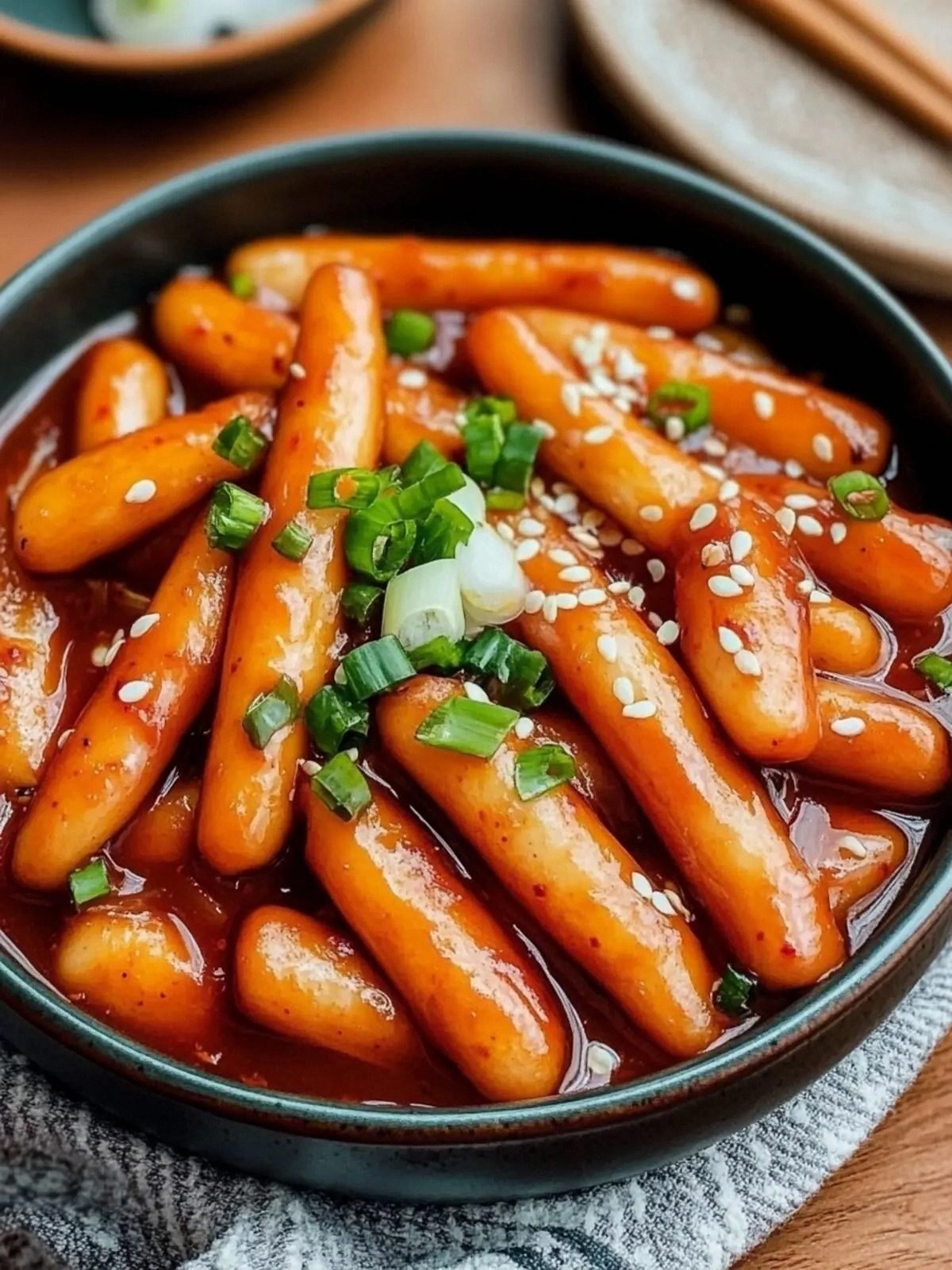
- Visual Appeal: The glossy, dark sauce glistens over the rice cakes, making the dish as pleasing to the eye as it is to the palate.
- Versatility: Swap in tofu or shrimp for a protein variation, or adjust the spice level to suit your taste buds.
Inside the Ingredient List
The Flavor Base
Korean roasted black bean paste is the soul of this dish. It’s a fermented, roasted bean spread that delivers a smoky, nutty flavor profile. When you combine it with a splash of oyster sauce, you get a layered umami that feels both comforting and bold. Skipping this step would turn the sauce into a flat, one‑dimensional broth that lacks the depth that makes the dish memorable.
Oyster sauce is a sweet, briny condiment that adds a glossy sheen and a subtle sweetness. Its viscosity helps bind the sauce to the rice cakes, ensuring every bite is drenched in flavor. If you’re vegetarian, a soy sauce and a drizzle of honey can mimic the sweetness, but the texture will differ slightly.
A tablespoon of white granulated sugar is essential to balance the savory and slightly bitter notes of the black bean paste. It caramelizes just enough to create a subtle sheen on the sauce. If you prefer a low‑sugar version, you can use a sugar substitute, but the sauce may lack that gentle caramelized finish.
The Texture Crew
200 grams of Korean rice cakes, or tteok, are the star of the show. Their chewy, slightly sticky texture contrasts beautifully with the sauce, creating a satisfying mouthfeel. If you can’t find tteok, you can use short‑grain rice noodles or even boiled rice, but the chewiness will be noticeably different.
100 grams of fish cakes or fish balls add a protein boost and a subtle briny flavor that complements the black bean base. They also provide a slight crunch when they start to brown. For a vegan version, replace fish cakes with diced tofu or tempeh; the texture will change, but the flavor profile will stay robust.
A medium onion, finely diced, brings a sweet, caramelized note when sautéed. Its natural sugars become sweet and mellow, balancing the sauce’s richness. If you’re allergic to onions, a small amount of carrot or celery can provide a similar sweetness.
The Unexpected Star
2 stalks of green onions, chopped, provide a fresh, bright finish that cuts through the richness. They also add a subtle crunch and a burst of color that makes the dish visually appealing. If you prefer a milder flavor, use only the white part of the green onion.
2 tablespoons of finely chopped green onion, reserved for garnish, add a final pop of freshness. This small detail elevates the dish from simple to sophisticated. It also signals to diners that the dish is fresh and thoughtfully prepared.
The Final Flourish
1 tablespoon of sesame seeds is toasted to bring out a nutty aroma that lingers in the background. Sesame seeds also add a subtle crunch that contrasts with the soft rice cakes. If you’re allergic to sesame, a pinch of toasted pumpkin seeds can serve as a crunchy, nutty alternative.
All the ingredients are prepped and ready before you start cooking. This step ensures that the cooking process is smooth, and you won’t have to rush through steps while juggling multiple ingredients. The result is a dish that comes together seamlessly, even if you’re a beginner.
Everything’s prepped? Good. Let’s get into the real action...
The Method — Step by Step
- Heat the pan: Place a wide, heavy‑bottom skillet over medium heat. Add 2 tablespoons of vegetable oil, swirling it to coat the surface. When the oil shimmers, you’re ready to begin the flavor foundation.
- Sauté aromatics: Toss in the diced onion and a pinch of salt. Cook until the onion turns translucent and starts to caramelize, about 4–5 minutes. The scent of sweet onion should rise, signaling that the base is forming.
- Introduce the black bean paste: Stir in 1 cup of Korean roasted black bean paste. Let it toast in the oil for a minute, allowing the flavors to bloom. The paste should darken slightly, turning into a glossy, aromatic sauce.
- Add the oyster sauce: Pour 2 tablespoons of oyster sauce into the pan. Mix thoroughly; the sauce will coat the onions and black bean paste, creating a rich, cohesive base. This is the moment of truth—your sauce should smell toasty and fragrant.
- Pour in the stock: Slowly add 2 cups of anchovy stock, stirring constantly. The liquid should thicken slightly, forming a glossy, dark sauce that clings to the pan. Keep the heat at medium to prevent the sauce from scorching.
- Sweeten: Sprinkle in 1 tablespoon of white granulated sugar. Stir until the sugar dissolves completely, giving the sauce a subtle caramel sheen. The sugar should not dominate but enhance the umami.
- Introduce the rice cakes: Gently fold in 200 grams of Korean rice cakes. Ensure each piece is coated with sauce; they should soften but not disintegrate. Cook for 3–4 minutes, allowing the rice cakes to absorb the flavors.
- Add fish cakes: Drop in 100 grams of fish cakes or fish balls. Stir gently; they should start to brown slightly and release a subtle aroma. This step adds protein and a pleasant bite.
- Final touches: Sprinkle in 2 tablespoons of finely chopped green onion and 1 tablespoon of toasted sesame seeds. Give a final stir, then turn off the heat. Let the dish rest for a minute so the flavors meld.
- Serve: Transfer the dish to a serving bowl, garnish with the remaining green onion, and enjoy immediately while it’s hot and fragrant. The sauce should cling to each rice cake, delivering a burst of umami with every bite.
That’s it—you did it. But hold on, I’ve got a few more tricks that’ll take this to another level. Stay tuned for insider tips that will make your dish shine.
Insider Tricks for Flawless Results
The Temperature Rule Nobody Follows
Many cooks lower the heat too early, causing the sauce to thicken too quickly and the rice cakes to burn. Keep the heat at medium and let the sauce simmer gently for 5–7 minutes after adding the stock. This allows the flavors to meld without compromising texture.
Why Your Nose Knows Best
The aroma of toasted sesame oil and roasted black bean paste is a key indicator of readiness. When the scent is nutty and slightly sweet, the sauce is at its peak. Trust your nose; if it smells “toasty” rather than “raw,” you’re ready to add the rice cakes.
The 5-Minute Rest That Changes Everything
After turning off the heat, let the dish rest for 5 minutes before serving. During this brief pause, the sauce thickens slightly and the rice cakes absorb more flavor. This simple step elevates the dish from good to unforgettable.
Don’t Forget the Crunch
A handful of toasted sesame seeds at the end adds a satisfying crunch and nutty aroma that contrasts the chewy rice cakes. If you’re avoiding sesame, try crushed pistachios or pumpkin seeds for a similar effect.
Use Fresh Stock for Authenticity
Anchovy stock is the most authentic flavor base for this dish. If you can’t find anchovy stock, homemade chicken stock made with dried anchovy and kelp will mimic the umami profile. Homemade stock also lets you control the sodium level.
Creative Twists and Variations
This recipe is a playground. Here are some of my favorite ways to switch things up:
Spicy Kimchi Fusion
Add 1 cup of chopped kimchi during the last minute of cooking. The fermented tang will layer on top of the black bean base, creating a spicy, tangy profile that’s perfect for heat lovers.
Seafood Splash
Swap fish cakes for shrimp or scallops. Sauté them first until pink, then fold them in at the final step. The seafood’s brininess will complement the umami sauce.
Vegan Delight
Replace oyster sauce with a vegan oyster sauce alternative, and use tofu cubes instead of fish cakes. The result is a plant‑based version that still delivers deep, savory flavors.
Sweet and Savory Surprise
Add a handful of dried fruit, such as raisins or dried apricots, during the cooking process. Their natural sweetness will contrast the savory sauce, creating a complex flavor profile.
Rice Cake Swap
Use Korean short‑grain rice noodles instead of tteok for a lighter, chewier texture. The noodles soak up the sauce beautifully, making each bite flavorful.
Breakfast Kick
Serve the dish with a side of fried eggs or a sprinkle of chopped scallions for a hearty breakfast twist. The protein boost will keep you full through a busy morning.
Storing and Bringing It Back to Life
Fridge Storage
Place any leftovers in an airtight container and refrigerate for up to 3 days. The sauce will thicken slightly, so add a splash of water before reheating to restore its original consistency.
Freezer Friendly
Store portions in freezer‑safe containers for up to 2 months. Thaw overnight in the refrigerator, then reheat gently on the stove, adding a bit of stock if needed.
Best Reheating Method
Reheat on low heat, stirring frequently. Add a tablespoon of water or anchovy stock to keep the sauce from drying out. The dish should be hot and steaming before serving.