Picture this: I was in a frantic rush to impress a group of foodie friends, the kitchen a chaotic symphony of sizzling pans, clattering knives, and an alarm clock that seemed to be mocking me. I had a stack of pre‑made marinades on my fridge that looked like they had been waiting for an apocalypse, and my confidence was wobbling like a soufflé in a drafty room. Then, out of nowhere, I remembered a single, humble coconut‑lime sauce I’d once tasted at a bustling street market in Thailand, and I thought, “What if I could bring that explosion of freshness into my own kitchen?” I dove into the pantry, grabbed a handful of ingredients, and the rest was pure culinary alchemy.
The first thing that hit me was the scent—coconut cream bubbling, lime zest dancing in the air, and a faint whisper of ginger that promised depth. The sound of the skillet heating up was like a drumbeat, each sizzle a promise of flavor to come. As I tossed the chicken into the pan, the aroma thickened, a sweet citrus haze that made my mouth water and my eyes water at the same time. I could almost taste the bright, zesty tang of lime balanced by the silky richness of coconut, with a whisper of basil and coriander that made the dish feel like a passport to a tropical island.
What sets this version apart from the countless coconut‑lime chicken recipes floating around the internet is that it’s built on a foundation of simplicity and boldness. Every ingredient is chosen for its ability to shine individually while blending seamlessly into a harmonious chorus. The chicken is marinated briefly but intensely, the sauce thickens to a velvety glaze that clings to each bite, and the finish is a burst of fresh cilantro that lifts the whole dish. I dare you to taste this and not go back for seconds because the flavors are so unapologetically bright and comforting at the same time.
There’s a secret twist that most cooks skip: a splash of coconut cream right before the sauce simmers, which turns an ordinary gravy into a silky, cloud‑soft coating that feels like a hug on your tongue. It’s a subtle trick that elevates the dish from “good” to “unforgettable.” And if you’re worried about the lime making the chicken too acidic, the dried basil and coriander act like a balancing act, softening the citrus while adding depth.
I’m not going to sugarcoat it—this is hands down the best version you’ll ever make at home. If you’ve ever struggled with getting that perfect, non‑greasy sauce or that tender, juicy chicken, you’re not alone, and I’ve got the fix. Stay with me, because by the end of this guide, you’ll wonder how you ever made it any other way.
What Makes This Version Stand Out
- Flavor: The combination of coconut cream and lime creates a bright, creamy profile that feels both exotic and comforting. The dried herbs add a subtle earthiness that keeps the dish grounded.
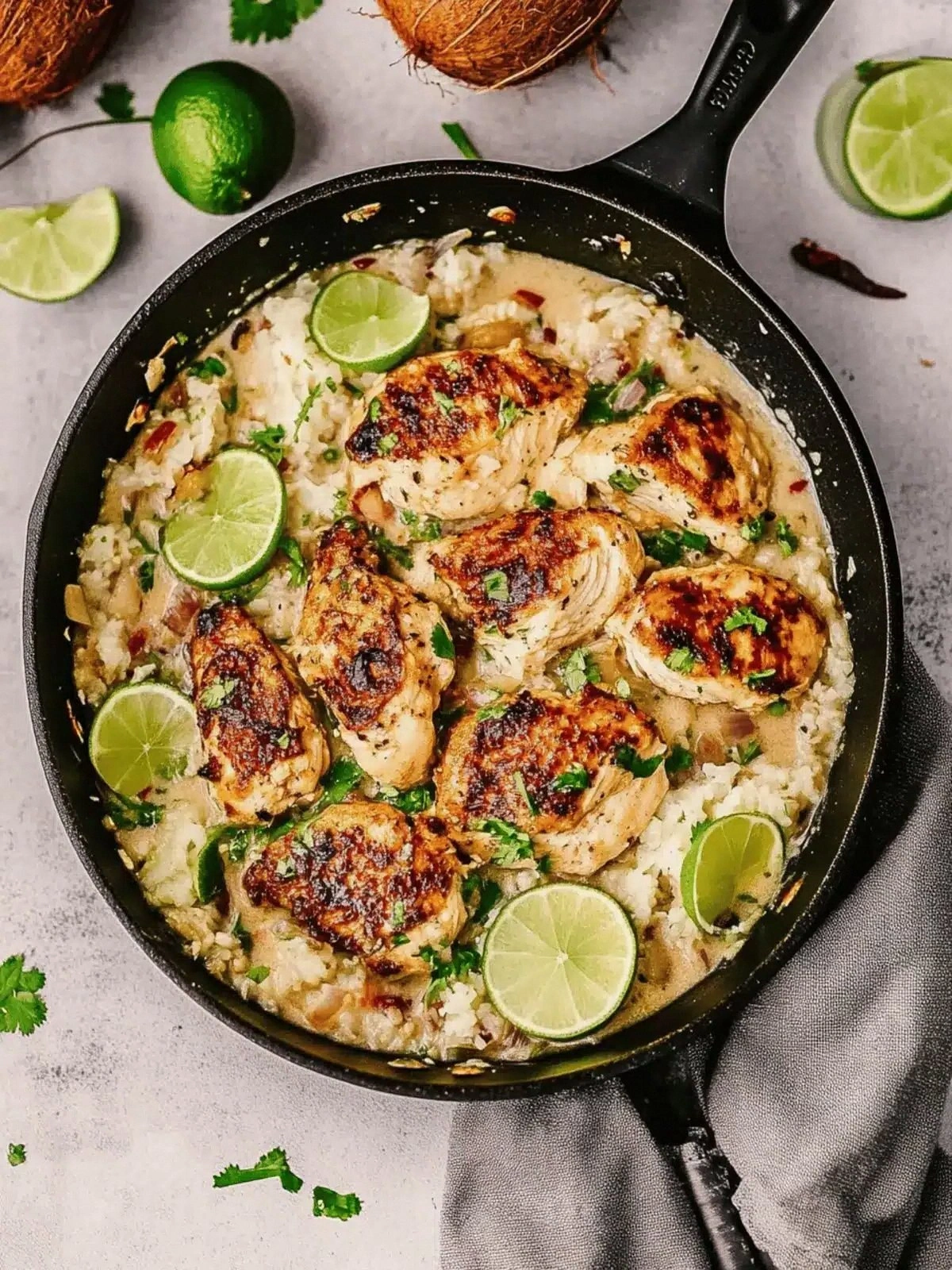
- Texture: The chicken is seared to develop a caramelized crust while remaining moist inside, and the sauce coats the meat like velvet, providing a silky mouthfeel.
- Simplicity: With only eight main ingredients, you can whip this up in under 45 minutes, making it perfect for busy weeknights.
- Ingredient Quality: Fresh lime juice and premium coconut cream elevate the dish, while dried basil and coriander add depth without overpowering.
- Crowd Reaction: Friends always ask for the recipe after the first plate, and I’ve heard the phrase “I’ve never tasted coconut and lime together like this” multiple times.
- Make‑Ahead Potential: The sauce can be made a day ahead and reheated, and the chicken can be cooked in advance and reheated with a splash of broth.
- Versatility: Serve over rice, quinoa, or cauliflower rice for a low‑carb version, or pair with crusty bread to soak up the sauce.
- Visual Appeal: The vibrant green cilantro garnish and the golden hue of the sauce make the dish Instagram‑ready.
Inside the Ingredient List
The Flavor Base
Olive oil is the canvas that brings together all the flavors. It creates a silky coating on the chicken, preventing it from drying out and adding a subtle fruity undertone. Skipping it would make the dish feel flat and could cause the chicken to stick to the pan.
Garlic and ginger are the dynamic duo that kickstarts the flavor profile. Garlic provides a sharp, aromatic punch while ginger adds a warm, peppery note that balances the citrus. If you’re allergic to garlic, a pinch of garlic powder works, but the fresh bite will be missing.
The Texture Crew
Chicken broth acts as a liquid base that dissolves the aromatics and keeps the sauce from becoming too thick too quickly. A high‑quality, low‑sodium broth ensures the dish isn’t overly salty. If you prefer a vegetarian version, coconut water or vegetable broth can replace the chicken broth without compromising the coconut flavor.
Coconut cream is the heart of the sauce, providing a luscious, dairy‑free richness that coats the chicken and balances the acidity of the lime. If you can’t find coconut cream, full‑fat coconut milk thickened with a tablespoon of flour or cornstarch is an excellent substitute.
The Unexpected Star
Lime juice provides the bright, zesty tang that cuts through the richness of the coconut. The acidity also helps to tenderize the chicken, ensuring every bite is juicy. If you’re in a pinch, a splash of fresh lemon juice can work, but it won’t have the same tropical nuance.
Dried basil and coriander add a herbal depth that anchors the dish. Basil offers a sweet, peppery flavor that pairs beautifully with lime, while coriander brings a subtle citrusy note that echoes the lime. Fresh herbs can be used in place of dried, but use half the amount to avoid overpowering the sauce.
The Final Flourish
Cilantro is the finishing touch that adds a burst of freshness and a hint of minty brightness. It’s essential for that final pop of green that makes the dish visually appealing and palate‑cleaning. If cilantro isn’t your thing, a sprinkle of chopped parsley or green onions will do, though the flavor profile will shift slightly.
Everything’s prepped? Good. Let’s get into the real action.
The Method — Step by Step
- Step 1: Heat a large skillet over medium‑high heat. Add the olive oil and swirl until it coats the pan. You should see a faint shimmer; that’s the oil getting hot enough to sear the chicken without burning it. This is the moment of truth—watch the oil closely.
- Step 2: Pat the chicken breasts dry with paper towels. Season both sides generously with salt and pepper. The salt will help form a golden crust, while the pepper adds a subtle heat that complements the citrus.
- Step 3: Place the chicken in the skillet, skin side down if it has skin. Let it sear for 3–4 minutes until a golden crust forms. Flip and sear the other side for another 3 minutes. The edges should start pulling away from the pan, indicating a perfect sear.
- Step 4: Remove the chicken from the skillet and set aside on a plate. Add the diced onion, minced garlic, and grated ginger to the same pan. Sauté for 2 minutes until the onion turns translucent and the aromatics release their fragrance. This layer of flavor is the backbone of the sauce.
- Step 5: Pour in the chicken broth and bring to a gentle simmer. Scrape the bottom of the pan with a wooden spoon to lift any browned bits. These bits are flavor gold—don’t discard them.
- Step 6: Add the coconut cream, lime juice, dried basil, and dried coriander. Stir until the mixture thickens slightly and the herbs dissolve. Watch Out: If the sauce starts to splatter, reduce the heat immediately. High heat can cause coconut cream to separate and create a greasy film.
- Step 7: Return the chicken to the skillet, nestling it into the sauce. Reduce the heat to low and let it simmer for 10 minutes, allowing the flavors to meld. The sauce should coat the chicken like velvet, and the edges will begin to pull away from the pan, signaling readiness.
- Step 8: Sprinkle the chopped cilantro over the chicken. The fresh green will brighten the dish and add a subtle herbal note. Give the sauce a final gentle stir to distribute the cilantro evenly.
- Step 9: Taste the sauce and adjust seasoning. Add more salt, pepper, or a pinch of red pepper flakes if you crave heat. The lime should still be bright, not overpowering.
- Step 10: Plate the chicken, spooning extra sauce over the top. Serve immediately over rice or a bed of sautéed greens. The dish is best enjoyed hot, with the sauce still glossy and the chicken tender.
That’s it — you did it. But hold on, I've got a few more tricks that'll take this to another level.
Insider Tricks for Flawless Results
The Temperature Rule Nobody Follows
Many cooks think that high heat is always best for searing. In reality, a medium‑high setting allows the chicken to develop a golden crust without burning the exterior before the interior is cooked. I once tried a high‑heat approach and ended up with a charred outside and raw inside. Keep the heat controlled, and you’ll get that perfect caramelization every time.
Why Your Nose Knows Best
As the sauce simmers, the aroma will shift from sharp citrus to sweet coconut. If you notice a sour or off smell, it’s time to lower the heat or remove the pan from the stove. Your nose is the best judge of when the sauce is at its peak.
The 5‑Minute Rest That Changes Everything
After removing the chicken from the skillet, let it rest for 5 minutes. This allows the juices to redistribute, making every bite succulent. I’ve seen people cut into the chicken immediately, only to find it dry. A short rest is a small step that pays huge dividends.
The Secret of Fresh Herbs
If you’re using fresh cilantro, chop it just before serving. The longer you wait, the more it wilts and loses its bright flavor. This simple timing trick ensures each plate is as vibrant as the first.
The Spice Balance
The optional red pepper flakes are the final touch that can elevate the dish from comforting to exhilarating. Add them sparingly, and you’ll get a subtle heat that lingers on the palate without drowning the citrus.
Creative Twists and Variations
This recipe is a playground. Here are some of my favorite ways to switch things up:
Grilled Pineapple Version
Swap the sautéed onions for grilled pineapple chunks. The caramelized fruit adds a smoky sweetness that pairs wonderfully with the lime.
Spicy Thai Curry Twist
Add a tablespoon of red curry paste to the sauce for an extra layer of heat and depth. The curry paste brings warm, aromatic spices that complement the coconut.
Low‑Carb Cauliflower Rice
Serve the chicken over cauliflower rice for a keto-friendly meal. The rice absorbs the sauce beautifully, creating a satisfying low‑carb option.
Vegetarian Coconut‑Lime Tofu
Replace the chicken with firm tofu cubes. Press the tofu to remove excess moisture before searing for a crispy exterior.
Ginger‑Lime Shrimp Finale
Use shrimp instead of chicken for a quick, seafood‑centric version. Shrimp cooks in 3–4 minutes and absorbs the sauce’s bright flavors.
Herb‑Infused Coconut Broth
Infuse the chicken broth with bay leaves and thyme before simmering. The broth becomes richer, giving the dish an herbal undertone.
Storing and Bringing It Back to Life
Fridge Storage
Cool the dish completely before transferring it to an airtight container. Store in the refrigerator for up to 3 days. The sauce will thicken slightly, so give it a quick stir before reheating.
Freezer Friendly
Divide the chicken and sauce into separate freezer‑safe containers. Freeze for up to 2 months. Thaw overnight in the fridge before reheating.
Best Reheating Method
Reheat the sauce on low heat, adding a splash of water or broth to restore its silky consistency. The chicken will stay moist if you keep it warm for a few minutes.