I’m still buzzing from the kitchen catastrophe that birthed this recipe. Picture me standing in a cramped apartment kitchen, a half‑cooked pork tenderloin on the counter, a bottle of apple cider open like a secret. I tried to salvage it by slapping a sweet glaze over the meat, only to realize I’d made the most luscious, caramel‑kissed pork dish I’ve ever tasted. The moment the pan hissed, the aroma of brown sugar and apple cider hit me like a warm hug, and I knew I had stumbled on a culinary goldmine.
That scent was a promise of something extraordinary: a glossy, tangy glaze that would cling to the tender, juicy pork like a velvet ribbon. The sound of the glaze bubbling was the soundtrack of anticipation, the sizzle a drumbeat that told me I was on the right track. When I finally tasted that first bite, the sweet, slightly tart apple notes danced with the savory pork, and the glaze’s caramelized edges cracked with a satisfying snap. If you’re craving a dish that balances sweetness, acidity, and savory depth, you’re in for a treat.
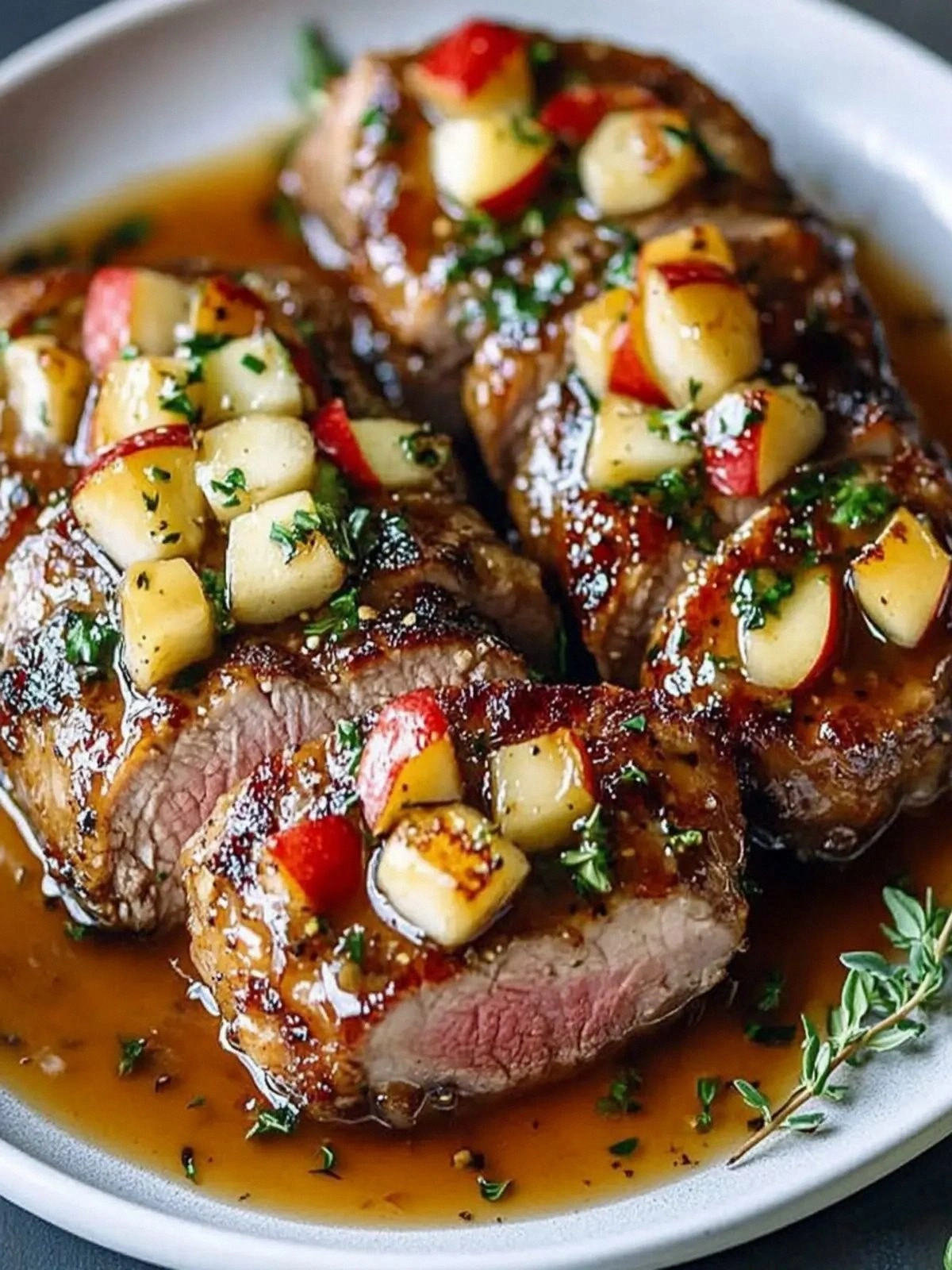
What sets this version apart isn’t just the flavor; it’s the meticulous balance of ingredients and technique. I’ve refined the glaze to a perfect 1:1 ratio of apple cider to brown sugar, which gives it that glossy sheen and a subtle caramel bite that doesn’t overwhelm the pork. The Dijon mustard adds a mild piquancy that lifts the sweetness, while fresh thyme brings a fragrant, herbaceous finish. And the secret? A quick sear that locks in juices, followed by a gentle oven finish that lets the glaze caramelize without burning.
I dare you to taste this and not go back for seconds. This is hands down the best version you’ll ever make at home, and if you’ve ever struggled with pork tenderloin, you’re not alone — I’ve got the fix. Picture yourself pulling this out of the oven, the whole kitchen smelling incredible, the glaze glistening like a polished trophy. Okay, ready for the game‑changer? Let me walk you through every single step — by the end, you’ll wonder how you ever made it any other way.
What Makes This Version Stand Out
- Flavor Profile: The apple cider glaze balances sweet, tart, and savory notes, creating a complex taste that lingers on the palate.
- Texture: The pork remains succulent inside while the glaze forms a caramelized, slightly crisp crust.
- Ease: With only eight ingredients, the recipe stays simple yet delivers maximum flavor.
- Ingredient Quality: Using fresh thyme and high‑quality Dijon mustard elevates the dish beyond a basic glaze.
- Crowd‑Pleaser: This pork tenderloin is perfect for family dinners, dinner parties, or a comforting weekend meal.
- Make‑Ahead Friendly: You can prep the glaze ahead of time and refrigerate it; the pork can also be marinated for a few hours.
- Versatility: Swap pork for chicken or turkey, and the glaze still shines.
- Presentation: The glossy glaze makes for a striking plate that looks as good as it tastes.
Alright, let's break down exactly what goes into this masterpiece…
Inside the Ingredient List
The Flavor Base
Apple cider is the heart of this dish. It brings a natural sweetness and a mild acidity that cuts through the richness of the pork. If you can’t find fresh apple cider, a 100% apple juice works, but the flavor will be a bit less complex. For a deeper, more rustic flavor, consider using a dark apple cider or a splash of apple cider vinegar to heighten the tartness.
The Texture Crew
Brown sugar is the sweetener that caramelizes into a glossy glaze. The granulated texture of brown sugar melts smoothly, forming a coating that clings to the meat. If you’re watching your sugar intake, you can use a sugar substitute like erythritol, but be prepared for a slightly different caramelization process.
The Unexpected Star
Fresh thyme adds a fragrant, slightly piney note that balances the sweetness. Thyme’s essential oils release slowly during cooking, so it’s best to add it early in the glaze preparation. If thyme isn’t in your pantry, dried thyme works, but use half the amount because dried herbs are more concentrated.
The Final Flourish
Olive oil is essential for searing the pork and preventing it from sticking to the pan. It also helps the glaze adhere to the meat, creating that coveted shiny crust. A high‑smoke‑point oil like grapeseed or avocado oil can be used if you prefer a milder flavor.
Everything's prepped? Good. Let's get into the real action…
The Method — Step by Step
- Begin by patting the pork tenderloins dry with paper towels. This step is crucial because a dry surface ensures a better sear. Season both sides generously with kosher salt and freshly ground black pepper. The salt will help draw out moisture and lock in flavor.
- Heat a large cast‑iron skillet over medium‑high heat until it’s shimmering. Add the olive oil, swirling to coat the bottom. When the oil begins to smoke faintly, it’s ready for the pork. Place the tenderloins in the skillet, careful not to crowd the pan.
- Sear the pork for 2–3 minutes on each side, or until a golden brown crust forms. The Maillard reaction at this stage creates the base flavor that the glaze will build upon. Don’t move the meat too early; let the crust develop fully.
- While the pork sears, combine apple cider, Dijon mustard, brown sugar, and thyme in a small saucepan. Bring the mixture to a gentle boil, then reduce to a simmer. Stir frequently to dissolve the sugar and prevent burning.
- When the glaze thickens to a syrupy consistency—about 5–7 minutes of simmering—pour it over the seared pork. The glaze should coat each piece evenly, forming a glossy sheen.
- Transfer the skillet to a preheated oven at 375°F (190°C). Roast for 12–15 minutes, or until the internal temperature reaches 145°F (63°C). The glaze will caramelize further, creating a slightly crisp exterior.
- Remove the pork from the oven and let it rest on a cutting board for 5 minutes. Resting allows the juices to redistribute, ensuring each slice stays moist. While resting, keep the glaze on the stove to reduce it slightly for serving.
- Slice the tenderloin into ½‑inch thick medallions. Arrange them on a platter, drizzle the reduced glaze over the top, and garnish with fresh thyme sprigs. Serve immediately for maximum flavor and texture.
That's it — you did it. But hold on, I've got a few more tricks that'll take this to another level…
Insider Tricks for Flawless Results
The Temperature Rule Nobody Follows
Many cooks rely on timers rather than a thermometer. The truth is, pork tenderloin is delicate; a digital thermometer is your best friend. Insert it into the thickest part of the meat—once it reads 145°F, remove it immediately. This small step guarantees juicy, perfectly cooked pork every time.
Why Your Nose Knows Best
When the glaze is near completion, it should emit a warm, caramelized scent. Trust your nose: if it smells burnt, reduce the heat or let it simmer longer to develop a deeper sweetness. Your olfactory senses are a reliable guide to flavor balance.
The 5‑Minute Rest That Changes Everything
Resting the pork for exactly five minutes before slicing allows the juices to redistribute. If you cut into the meat too soon, the juices will escape, leaving the interior dry. This simple pause turns a good dish into a great one.
The Quick Sear Secret
A high‑heat sear creates a caramelized crust that locks in flavor. Don’t rush this step; let the pork sit in the pan for a few minutes before flipping. The longer the sear, the deeper the flavor.
The Glaze Reduction Trick
After removing the pork, reduce the glaze on the stovetop until it thickens to a syrupy consistency. This concentrated glaze can be drizzled over the sliced pork, intensifying the flavor profile. It also gives the dish a glossy, restaurant‑style finish.
Creative Twists and Variations
This recipe is a playground. Here are some of my favorite ways to switch things up:
Maple‑Spiced Glaze
Swap the brown sugar for maple syrup and add a pinch of cinnamon. The result is a warm, autumnal flavor that pairs beautifully with the pork’s natural sweetness.
Herb‑Infused Citrus
Add a splash of orange juice to the glaze and top the finished dish with fresh rosemary. The citrus brightens the dish, while rosemary adds depth.
Spicy Apple Cider
Introduce a teaspoon of crushed red pepper flakes to the glaze. The heat contrasts the sweetness, creating a balanced, bold flavor profile.
Smoky Paprika Finish
Dust the pork with smoked paprika before searing. It imparts a subtle smoky undertone that complements the apple glaze.
Ginger‑Apple Fusion
Add a tablespoon of grated fresh ginger to the glaze. The ginger’s zesty bite pairs perfectly with the apple’s sweetness, giving the dish an Asian‑inspired twist.
Lemon‑Herb Variation
Replace apple cider with lemon juice and add chopped parsley. This bright, herbaceous version is ideal for a lighter, springtime meal.
Storing and Bringing It Back to Life
Fridge Storage
Store any leftovers in an airtight container in the refrigerator for up to 3 days. The glaze will thicken slightly, but a quick reheat will restore its glossy sheen.
Freezer Friendly
Wrap the pork medallions tightly in plastic wrap and place them in a freezer bag. Freeze for up to 2 months. When ready to eat, thaw overnight in the refrigerator before reheating.
Best Reheating Method
Reheat in a preheated oven at 350°F (175°C) for 10 minutes, or until warmed through. Add a splash of water to the pan before reheating to keep the pork moist and re‑create the glaze’s silky texture.