Picture this: I was halfway through a dinner party, the lights dimmed, the music was just right, and suddenly the stovetop exploded with a rogue pot of rice that had turned into a soggy, unappetizing mess. I stared at the ruined grains, the air thick with the scent of burnt starch, and thought, “I need a better side that can save the night.” Enter the humble pearl barley, the unsung hero of comfort foods, waiting to be transformed into a silky, mushroom‑laden masterpiece. This dish is a revelation that turns a simple grain into a velvety canvas that cradles earthy mushrooms, fragrant herbs, and a splash of aged balsamic. The moment the skillet sizzles, the aroma climbs like a gentle perfume, promising depth and warmth. I swear, if you have ever wrestled with a bland side, this is the antidote you’ve been missing. Let’s dive into the steps that will have you wondering why you never made it any other way.
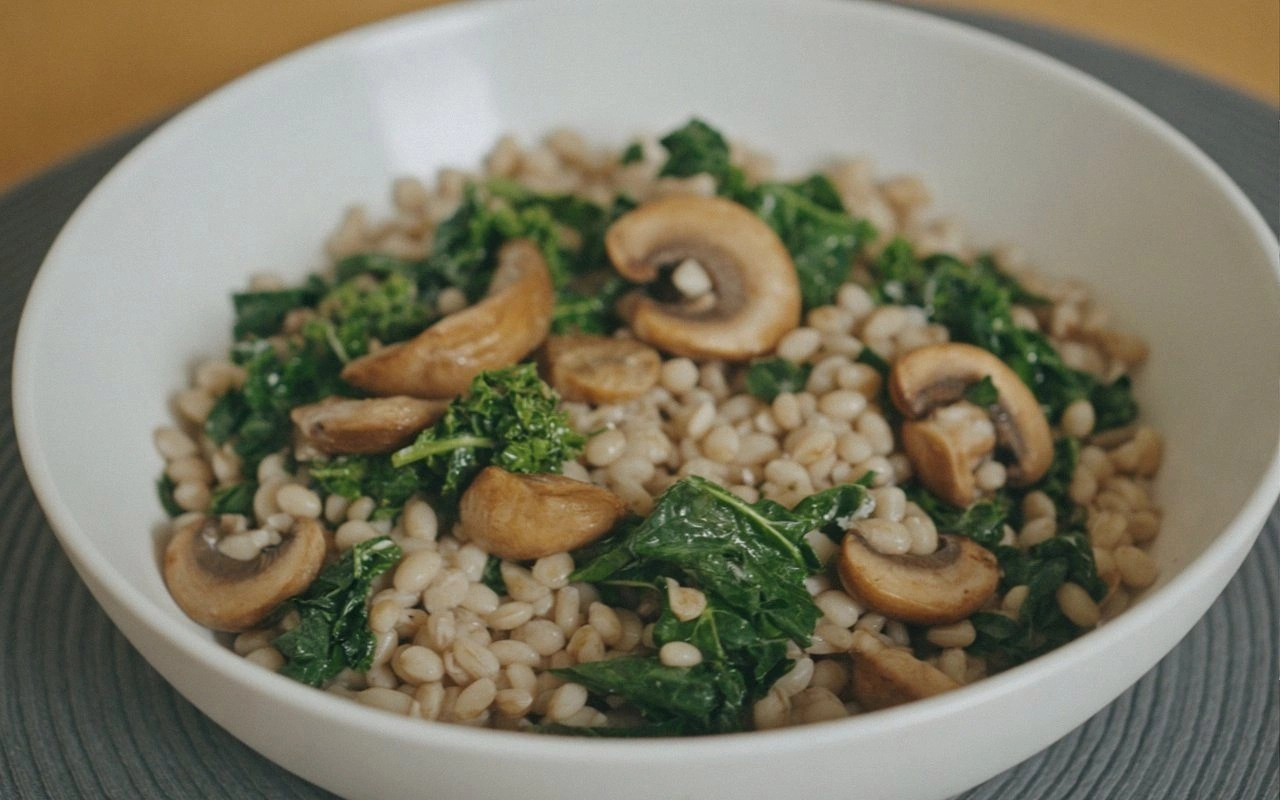
Imagine the first bite: the barley, perfectly al dente, gives a subtle chew that’s both comforting and satisfying. The mushrooms release a deep, umami aroma that mingles with the sharpness of garlic and the sweet, herbaceous note of basil. The sauce, thickened by a touch of olive oil and a whisper of balsamic, coats every grain like velvet, creating a glossy sheen that catches the light. The final flourish of fresh oregano and thyme lifts the dish with a bright, peppery kick that lingers on the palate. When you take a spoonful, the warmth spreads through your mouth, leaving a lingering, savory aftertaste that makes you crave more. It’s a symphony of textures—soft barley, tender mushrooms, and a slightly crisp spinach leaf that adds a pop of green. This isn’t just a side; it’s a comforting hug in a bowl that will make even the most skeptical diners swoon.
This version stands out because I stripped away the fluff and focused on pure flavor harmony. I replaced the typical stovetop simmer with a quick, high‑heat sauté that caramelizes the mushrooms, locking in their moisture and intensifying their earthy sweetness. I used aged balsamic vinegar, which brings a subtle acidity and a deep, almost sweet undertone that balances the richness of olive oil. The fresh herbs aren’t just garnish; they’re integral, their bright, green essence cutting through the dish’s heaviness. I added baby spinach at the end to keep it vibrant and to introduce a slight bitterness that contrasts the sweet balsamic. I also let the barley finish cooking in a small amount of broth, which infuses it with savory depth instead of plain water. The result? A creamy, herb‑laden barley that’s both filling and light, a side that elevates any main course.
One of the secret techniques that will blow your mind is the way I finish the dish with a splash of aged balsamic right at the end, just before serving, to lock in the flavors and give that glossy sheen. I also use a small amount of olive oil to create a silky texture without turning the dish greasy. If you’re ready for the game‑changer, I’ll walk you through each step, from selecting the freshest mushrooms to achieving that perfect, velvety coating. By the end, you’ll wonder how you ever cooked barley without this level of flavor and texture. Ready to transform your side dish game? Let’s get started.
What Makes This Version Stand Out
- Flavor Depth: The aged balsamic and fresh herbs create a layered taste profile that feels both sophisticated and comforting. The subtle acidity cuts through the richness, while the herbs add brightness.
- Texture Harmony: The barley stays al dente, the mushrooms remain tender yet slightly caramelized, and the spinach adds a crisp bite that balances the creaminess.
- Speed of Prep: From chopping to sautéing, the entire process takes under 45 minutes, making it a go‑to side for busy evenings.
- Ingredient Quality: Using baby bella mushrooms and fresh, aromatic herbs elevates the dish beyond a generic barley side.
- Make‑Ahead Friendly: This dish can be prepared ahead of time and reheated without losing its silky sauce or vibrant flavors.
- Versatility: It pairs equally well with roasted meats, grilled fish, or a hearty vegetarian main, making it a crowd‑pleaser.
- Visual Appeal: The glossy sauce and pop of green from spinach and herbs turn a humble grain into a dish that looks as good as it tastes.
Alright, let’s break down exactly what goes into this masterpiece…
Inside the Ingredient List
The Flavor Base
The 4 tablespoons of extra virgin olive oil are the foundation that carries the aroma of garlic and mushrooms. They also create a silky mouthfeel that prevents the dish from feeling dry. If you prefer a lighter version, substitute half the oil with a splash of vegetable broth, but be prepared for a slightly thinner sauce. Olive oil’s high smoke point allows for a quick sauté without burning the garlic, ensuring a clean, mellow flavor. When shopping, choose a cold‑pressed oil with a fruity note; it will add a subtle nuance to the dish.
The Texture Crew
Pearl barley is the star; its chewy bite provides a satisfying contrast to the soft mushrooms. Cooking the barley in a small amount of broth instead of water gives it a savory undertone that sets it apart from plain grains. If you’re short on time, quick‑cooking barley varieties are available, but they may lose the classic chew. To keep the barley from sticking together, stir it gently after adding the liquid and avoid overcrowding the pot. For a gluten‑free version, substitute barley with quinoa or millet, though the texture will change.
The Unexpected Star
Baby bella mushrooms bring a deep, earthy flavor that anchors the dish. Slicing them evenly ensures even caramelization, preventing some pieces from becoming mushy while others stay firm. If you can’t find baby bella, cremini or button mushrooms work just fine, but adjust the cooking time slightly. A small pinch of salt during sautéing helps release moisture, creating a richer sauce. Remember, the mushrooms’ natural umami is amplified by the balsamic, so don’t over‑season before adding the vinegar.
The Final Flourish
Fresh basil, oregano, and thyme are the aromatic finish that lifts the entire dish. Adding them at the end preserves their bright, green essence, preventing them from wilting into a dull flavor. If you’re looking for an extra punch, sprinkle a handful of fresh parsley or chives just before serving. A squeeze of lemon juice can also brighten the dish, but use it sparingly to avoid overpowering the balsamic’s subtle sweetness. These herbs not only add flavor but also a pop of color that makes the dish visually appealing.
Everything's prepped? Good. Let's get into the real action…
The Method — Step by Step
- Begin by heating a large skillet over medium heat. Add 2 tablespoons of the olive oil, letting it shimmer but not smoke. Toss in the sliced mushrooms and a pinch of salt, stirring to coat. Watch the mushrooms release their juices and start to brown; this caramelization is where the flavor lives. When they’re golden brown and slightly crispy on the edges, remove them from the skillet and set aside.
- In the same skillet, pour in the remaining 2 tablespoons of olive oil. Add the minced garlic and let it sizzle for about 30 seconds until fragrant, but be careful not to burn it. The aroma should fill the kitchen like a warm hug. Stir in the pearl barley, coating each grain with oil, then pour in 2 cups of vegetable broth. Bring the mixture to a gentle boil, then reduce heat to low and cover.
- Simmer the barley for 25 minutes, or until it’s tender yet still chewy. Stir occasionally to prevent sticking, and check the liquid level; if it’s too thick, add a splash of broth. The barley will absorb the savory liquid, becoming a flavorful base for the mushrooms and herbs. When the grains are done, fluff them with a fork to separate them.
- Return the caramelized mushrooms to the skillet with the barley. Add the 7 cloves of minced garlic and sauté for another minute, letting the flavors mingle. The garlic’s bite will cut through the richness of the olive oil, creating a balanced palate. Keep the heat moderate so the garlic doesn’t burn. This step is crucial for layering the flavors.
- Now it’s time to add the aged balsamic vinegar. Pour it in slowly, watching the liquid swirl into a glossy glaze. The vinegar’s acidity brightens the dish and balances the earthy mushrooms. Stir gently to coat every grain. The sauce should thicken slightly and coat the barley like a velvet blanket.
- Fold in the 5 ounces of baby spinach, letting it wilt just enough to keep its bright green color. Spinach adds a subtle bitterness that contrasts the sweet balsamic, creating a well‑balanced flavor profile. Stir until the spinach is fully incorporated but still vibrant. The heat should be low enough to keep the spinach from overcooking.
- Add the fresh basil, oregano, and thyme, stirring for a final 30 seconds. These herbs will release their oils, giving the dish a fragrant finish. Keep the skillet covered briefly to let the herbs steam, then uncover to allow the sauce to thicken slightly.
- Taste and season with kosher salt and black pepper to your preference. The salt should enhance the natural flavors without overpowering them. A light dusting of pepper adds a subtle heat that complements the herbs. Serve hot, spooning the creamy barley onto plates and letting the sauce coat each bite.
That's it — you did it. But hold on, I've got a few more tricks that'll take this to another level…
Insider Tricks for Flawless Results
The Temperature Rule Nobody Follows
Cooking the barley at a steady low simmer is key. If you let the heat get too high, the grains can become mushy and the sauce may separate. Keep the heat between 250‑300 °F (120‑150 °C) and use a heavy‑bottomed skillet to distribute heat evenly. A lower temperature also helps the mushrooms retain their shape and develop a caramelized crust.
Why Your Nose Knows Best
Before adding the final herbs, give the dish a sniff. A sweet, nutty aroma indicates the mushrooms have caramelized perfectly, while a sharp, vinegary scent signals the balsamic is ready. If the smell feels off, let it cook a bit longer. Your nose is a reliable guide to flavor development, so trust it.
The 5-Minute Rest That Changes Everything
Once the dish is cooked, let it rest covered for 5 minutes before serving. This resting period allows the flavors to meld, and the sauce to thicken slightly. During this time, the spinach will finish cooking and the barley will absorb any remaining liquid. When you lift the lid, you’ll notice a richer, more cohesive sauce that coats every grain.
Keep It Moist, Not Dry
If the dish starts to look dry, add a splash of broth or a drizzle of olive oil before serving. A small amount of liquid can revive the sauce without making it watery. I once added a teaspoon of white wine to a similar dish, and the result was a silky, glossy finish. Remember, the goal is a creamy coating that clings to each grain.
The Secret to a Bright Green Finish
Spinach can wilt and turn a dull color if overcooked. Toss it in just before the final herbs and remove the skillet from heat immediately after stirring. This technique locks in the vibrant green and preserves the subtle bitterness that balances the dish. The result is a visually striking plate that invites the first bite.
Creative Twists and Variations
This recipe is a playground. Here are some of my favorite ways to switch things up:
Roasted Red Pepper Barley
Swap the baby spinach for roasted red pepper strips, adding a sweet, smoky flavor. Use a pinch of smoked paprika to deepen the pepper’s profile. The result is a vibrant, slightly sweet side that pairs beautifully with grilled chicken.
Nutty Crunch Upgrade
Add toasted pine nuts or chopped walnuts after the final herbs. The crunch adds texture, while the nuts bring a buttery depth. This variation is perfect for a holiday meal or a hearty vegetarian main.
Mediterranean Twist
Replace the oregano with dried oregano and add a splash of lemon zest. Toss in a handful of kalamata olives for brininess. This version feels like a Mediterranean lunch or a side for lamb chops.
Cheesy Comfort
Stir in ¼ cup of grated Parmesan or crumbled feta at the end for a creamy, tangy finish. The cheese melts into the sauce, creating a silky coating that enhances every bite. Ideal for a quick weeknight dinner.
Spicy Kick
Add a pinch of crushed red pepper flakes or a dash of sriracha during the sauté. The heat balances the richness of the olive oil and the sweetness of the balsamic. This variation is great for those who love a little fire in their food.
Storing and Bringing It Back to Life
Fridge Storage
Cool the dish completely before transferring it to an airtight container. Store in the refrigerator for up to 3 days. When reheating, add a splash of broth or water to loosen the sauce and prevent it from drying out.
Freezer Friendly
Divide the cooked barley into portion‑size containers and freeze for up to 2 months. Thaw overnight in the refrigerator before reheating. Use a small amount of broth or olive oil to restore moisture. The texture remains firm and flavorful.
Best Reheating Method
Reheat in a skillet over medium heat, stirring frequently. Add a tiny splash of water or broth to create steam, which helps the sauce re‑emulsify. Once it’s hot and bubbling, remove from heat and serve immediately. Avoid microwaving, as it can make the dish rubbery.