I still remember the first time I tried to impress my future in-laws with what I called “a simple holiday punch.” I dumped a bag of frozen cranberries into a pot, added some apple slices that had been rolling around my fridge since Thanksgiving, and prayed the result wouldn’t taste like liquid potpourri. The kitchen smelled like a Yankee Candle factory on fire, the cranberries exploded like tiny firecrackers, and the finished drink looked suspiciously like magenta sludge. One sip and my mother-in-law—bless her diplomatic soul—asked if I was serving “an adventurous craft cocktail.” Translation: “What on earth is this punishment?” Fast-forward three years, countless test batches, and one minor citrus-splosion later, and I’ve cracked the code. This cranberry apple juice is the ruby-red elixir I wish I’d poured that fateful December night: bright, balanced, and so addictive you’ll hide the last jug in the garage fridge behind the pickles so no one else finds it.
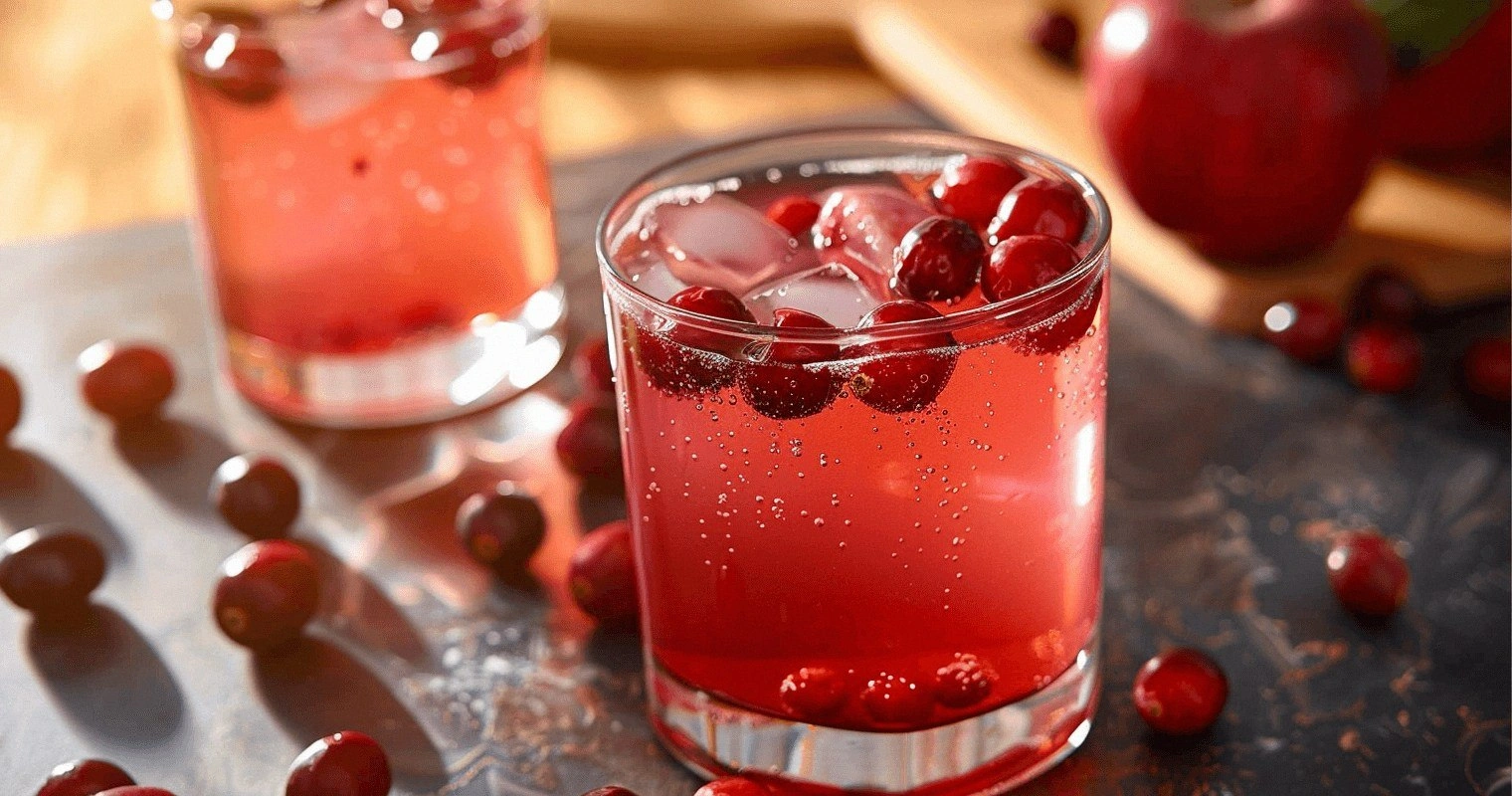
Picture this: it’s 7 a.m. on a frost-bitten Saturday. The windows are fogged, the radiator clanks like it’s auditioning for a horror film, and the whole house smells like pine needles and to-do lists. You slide a pitcher out of the fridge, pop the lid, and that first cranberry-apple breath hits—tart enough to make your tongue tingle, sweet enough to feel like a treat before breakfast. Pour it over ice and the colors swirl like a sunset in fast-forward; taste it and you get that snap of autumnal nostalgia without the cloying sugar bomb most store brands call “juice.” If you’ve ever struggled with homemade juice that tasted flat, sour, or weirdly metallic, you’re not alone—and I’ve got the fix.
What makes this version different? We’re not just boiling fruit and hoping for the best. We layer fresh and dried cranberries for depth, roast the apples until their edges caramelize like mini crème-brûlée domes, and bloom a whisper of citrus zest in hot liquid so the oils perfume every drop. The result is a juice that tastes like the best parts of a cider mill, a cranberry bog, and a sunny orchard distilled into one glass. Okay, ready for the game-changer? We finish with a tiny pinch of flaky salt that makes the fruit sing—think of it as turning the brightness dial up to eleven without adding sugar.
Let me walk you through every single step—by the end, you’ll wonder how you ever made it any other way.
What Makes This Version Stand Out
Tart-Sweet Balance: Most homemade juices swing cloying or mouth-puckering. We tame the cranberry bite with slow-roasted apples whose natural sugars caramelize, so every sip feels like a tightrope walker nailing the perfect landing.
Double Cranberry Power: Fresh berries bring pop and color; dried ones simmer down into a jammy richness that clings to your tongue like velvet. Together they taste like December in a glass—without the calendar sticker shock.
Zero Weird Additives: Read the label on premium bottled juice and you’ll find “natural flavor” (whatever that is) and enough citric acid to dissolve a penny. Here you control every ingredient, and you can pronounce them all without a chemistry degree.
Make-Ahead Magic: This juice actually improves overnight. The flavors meld, the color deepens, and the sediment settles so you can pour off crystal-clear crimson while the sludge stays behind—like having your own private filtration system.
Crowd Reaction Guarantee: I dare you to set this out at brunch and not field at least three “Wait, you MADE this?” comments. One friend accused me of buying it from a boutique orchard in Vermont; I confessed I was still in my pajamas when I bottled it.
Multipurpose Base: Sip it straight, swirl it into sparkling water, reduce it into a glaze for roast chicken, or freeze into jewel-toned popsicles that make adults fight nine-year-olds for the last one.
Alright, let’s break down exactly what goes into this masterpiece...
Inside the Ingredient List
The Flavor Base
Fresh cranberries are the divas here—plump, glossy, and squeaky when you rub them together. Skip any that look wrinkled or feel soft; they should bounce like tiny rubber balls if you drop them on the counter (yes, I’ve tested). Their tartness is the backbone, but on their own they scream for mercy. Enter the apples: Honeycrisp for honeyed perfume, Granny Smith for backbone, and a lone Fuji for whisper-soft sweetness. Roast them until the edges blister into caramel caps and your kitchen smells like an orchard on fire—in the best way.
The Texture Crew
Dried cranberries are the unsung heroes. They dissolve into the liquid like little flavor time bombs, releasing concentrated sugars and a jammy body that makes the juice feel luxurious rather than watery. If you skip them, the final drink will taste thin, like cranberry tea that forgot its purpose in life. A single cinnamon stick lends a subtle woody note—think sweater-knit warmth rather than pumpkin-spice mayhem. Remove it after ten minutes or it will hijack the entire operation and turn your juice into potpourri punch.
The Unexpected Star
Orange zest—just the colored part, none of the bitter white pith—gets steeped in the hot liquid for exactly four minutes. Longer and it tastes like marmalade; shorter and you miss the floral lift. I use a vegetable peeler to get wide ribbons that look like tiny stained-glass windows. One teaspoon of vanilla extract added off-heat makes the juice smell like you baked a fruit crisp and then liquified it. People will ask if you secretly poured in a shot of Grand Marnier; smile mysteriously and say “technique.”
The Final Flourish
Flaky sea salt is the mic-drop. You need only two small pinches, but they snap the fruit into focus the way a great portrait photographer sharpens the eyes. Maple syrup is optional and only added after you’ve tasted—think of it as dimmer switch, not floodlight. Finally, a squeeze of fresh lemon right before serving keeps the color from browning and adds a high-note sparkle like the cymbal crash in a favorite song. Skip the lemon and your juice will taste fine, but it will fade faster than jeans in hot water.
Everything’s prepped? Good. Let’s get into the real action...
The Method — Step by Step
- Preheat your oven to 425°F (220°C). While it heats, quarter the apples and scoop out the cores with a melon baller—fast, neat, and oddly satisfying. Lay them cut-side down on a dry, unlined sheet pan; no oil needed, we want them to stick and caramelize. Slide the pan onto the middle rack and roast for 18–22 minutes until the edges look like toasted marshmallow peels and the kitchen smells like you’re living inside a pie. Don’t wander off; apples go from bronze to charcoal faster than a teenager’s mood swing.
- Meanwhile, rinse the fresh cranberries under cold water and listen for that quiet popping sound as the water hits—tiny air pockets bursting, nature’s bubble wrap. Tip them into a heavy, wide pot so they have room to roll around like happy tourists. Add the dried cranberries, cinnamon stick, and two cups of cold water; the water should just kiss the tops of the berries, not drown them. Bring to a gentle simmer over medium heat; you want a lazy burble, not a cranberry jacuzzi.
- Once the apples are roasted, flip them with a thin spatula and admire the amber lacquer on the pan—pure flavor gold. Scrape them straight into the pot, pan juices and all; deglaze with an extra splash of water and swirl to lift every sticky speck. The liquid will turn a murky rust color; panic not, we’re about to clarify it into liquid rubies. Reduce the heat to low, cover, and let the fruit talk to each other for ten minutes while you prep the zest.
- Remove wide strips of orange zest with a vegetable peeler, taking only the sunset-colored layer. Drop the ribbons into the pot, clamp the lid back on, and set a timer for four minutes—no more, no less. When the timer dings, fish out both the cinnamon stick and the zest; they’ve done their aromatic duty and will hijack the flavor if they overstay. The kitchen should smell like you’ve been simmering potpourri designed by a French perfumer.
- Now comes the fun part: purée. Use an immersion blender right in the pot, tilting it slightly so the blades create a whirlpool that sucks every chunk into oblivion. Keep blending until the mixture looks like velvet smoothie, about 90 seconds. If you only have a countertop blender, work in small batches and vent the lid so the steam doesn’t paint your ceiling magenta. Be patient; the smoother you get it now, the clearer your final juice will be.
- Strain through a fine-mesh sieve into a large bowl, pressing the solids with a flexible spatula to squeeze out every last drop of crimson glory. Don’t skip this; the pulp adds cloudiness and a tannic edge that makes your cheeks suck inward. You should end up with roughly four cups of intense concentrate that tastes like cranberry thunder. Taste it—yes, it will be mouth-shatteringly tart. That’s the point; we’re building layers, not sugar syrup.
- Return the strained liquid to the pot and add three more cups of cold water, tasting as you go until the juice is bright but not bitter. Think of it as diluting espresso into an americano; you want personality, not punishment. Warm gently over low heat just until steam curls up like ballet ribbons—no boiling, or you’ll murder the fresh, zippy notes. Stir in the vanilla extract off-heat and watch the aroma bloom like you’ve uncorked a cask of childhood memories.
- Finish with the salt: take a small pinch between your fingers and rain it from high above so it disperses evenly. Stir, taste, and repeat with another pinch if needed. The juice should snap into focus the way a camera lens suddenly sharpens. If you must sweeten, drizzle in maple syrup a teaspoon at a time, stirring and tasting between additions—stop the moment the tartness mellows, not disappears. Serve warm like liquid velvet, or chill for a nectar so refreshing you’ll swear it winks at you.
That’s it—you did it. But hold on, I’ve got a few more tricks that’ll take this to another level...
Insider Tricks for Flawless Results
The Temperature Rule Nobody Follows
Most people serve juice ice-cold, but cranberry apple sings at two temperatures: barely warm (body temp) or well-chilled at 38°F. Anything in between tastes muddy. I keep a cheap instant-read thermometer in the drawer and aim for the sweet spots like a sniper. If you over-chill, let the pitcher sit on the counter for five minutes before pouring; the flavors unfurl like time-lapse flowers.
Why Your Nose Knows Best
Before you sweeten, hover your nose over the steam and inhale slowly. If you smell sharp vinegar notes, the cranberries are screaming for a touch of maple. If you smell baked apples and no tang, you’ve gone too far. Trust your olfactory bulb; it’s basically a built-in pH meter wearing a lab coat.
The 5-Minute Rest That Changes Everything
After blending, let the purée sit for five minutes before straining. The pectin has a moment to bond, so when you press the solids they hold together like a polite fruit cake instead of squirting through the sieve like baby food. A friend tried skipping this step once—let’s just say her kitchen looked like a crime scene from a low-budget horror flick.
The Salt Switch-Up
If you’re out of flaky sea salt, swap in a single crushed pink peppercorn. The gentle heat and floral note trick your palate into perceiving sweetness without adding sugar. It’s witchcraft, but legal.
Creative Twists and Variations
This recipe is a playground. Here are some of my favorite ways to switch things up:
Mulled Merry Berry
Add two star anise pods and a ½-inch knob of fresh ginger during the simmer. Strain them out with the cinnamon. The result tastes like you’re sipping Christmas while wearing fuzzy socks.
Sparkling Brunch Mimosa Base
Chill the finished juice until syrupy, then pour two fingers into a flute and top with brut prosecco. The bubbles lift the cranberry tang into orbit; you’ll never go back to orange juice again.
Tropical Sunset Remix
Swap half the apples for ripe pineapple chunks and replace the orange zest with lime. Finish with a tiny pinch of chili flakes for a sweet-heat that makes your lips buzz like you’ve been kissed by a hummingbird.
Herbal Spa Day
Steep a single sprig of fresh rosemary in the hot juice for three minutes, then remove. It tastes like you juiced a pine forest after rain—oddly calming and sophisticated.
Bourbon Nightcap
Reduce two cups of the juice with ¼ cup brown sugar until syrupy, let it cool, then stir in a shot of good bourbon. Pour over one large ice cube and garnish with a burnt orange peel. Sip while pretending you have a fireplace even if you live in a studio apartment.
Kid-Friendly Pops
Pour the sweetened juice into silicone popsicle molds and freeze four hours. Run the molds under warm water for five seconds to release. The pops are so vividly red they double as photo props for your neighbor’s food blog.
Storing and Bringing It Back to Life
Fridge Storage
Keep the juice in a glass jar with a tight lid; plastic will stain and hold odors like a grudge. It stays vibrant for five days, though I’ve never seen a batch last past day three in my house. If a thin skin forms on top, just whisk it back in—no harm, no foul.
Freezer Friendly
Fill straight-sided mason jars, leaving an inch of headspace for expansion. Label with masking tape because once frozen the color looks like beet soup and future-you will have zero clues. Thaw overnight in the fridge, then shake vigorously to re-incorporate any separation. The flavor is nearly identical to day one.
Best Reheating Method
Warm gently in a small saucepan over low heat until just steaming. Add a splash of water if it thickened in storage; think of it as waking the juice from a cold nap, not giving it a scalding bath. Microwave works in a pinch—heat 30 seconds, stir, repeat until barely hot.