When I first tried to rescue that overripe banana I had stashed in the back of my fridge, I thought a quick banana‑bread would be the perfect solution—until the batter turned into a dry, crumbly mess that tasted like stale toast. That disaster sparked a midnight obsession: to turn every banana that might slip through the cracks into a luscious loaf. I experimented with countless variations, but the one that finally cracked the code involved a secret butter‑to‑flour ratio that keeps the crumb tender without weighing it down. The result? A loaf that feels like a cloud of banana‑butter sandwiched between golden crusts. I’m about to reveal the exact trick that makes this recipe hands down the best version you’ll ever make at home.
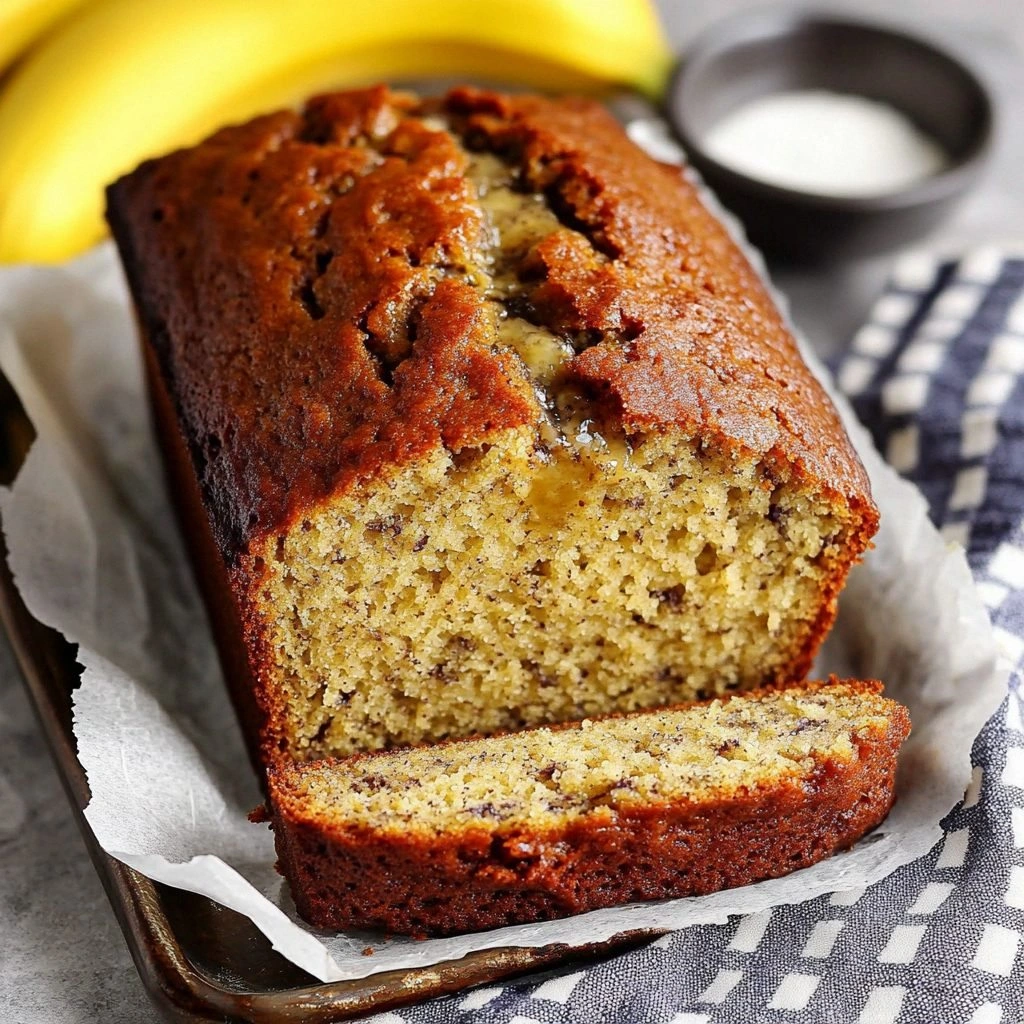
The kitchen was a symphony of smells—ripe bananas, warm vanilla, and the buttery aroma of melted butter that filled every corner. The sound of the mixer whirring, the gentle slap of the spoon against the mixing bowl, and the faint hiss of steam as the batter hit the pan all played a part in this sensory masterpiece. Visually, the batter glides like a glossy river, its golden hue promising a crust that crackles with subtle caramelization. The first bite is a burst of sweet banana, balanced by a subtle tang of buttermilk that lifts the flavor profile. Touching the loaf, you feel its moist, slightly springy interior, a testament to the careful balance of wet and dry ingredients.
What sets this loaf apart is the meticulous layering of flavor and texture. The bananas aren’t merely mashed; they’re blended with a splash of buttermilk and a pinch of lemon zest to brighten the sweetness. The butter is added in two stages—first melted to bind the dry ingredients, then folded in to create a silky, airy crumb. The result is a loaf that stays moist for days, with a crust that’s crisp on the outside yet tender on the inside. Most recipes get this completely wrong by overbaking or using too much flour, but this version delivers a balanced bite every time. The secret ingredient, a dash of espresso powder, deepens the banana flavor without adding coffee flavor—pure chocolatey undertone.
But the real game‑changer isn’t just the ingredients; it’s the technique that keeps the loaf from drying out. I’ll show you how to fold the batter with a gentle motion that preserves air pockets, how to use parchment paper for an easy release, and how to finish with a glossy glaze that seals in moisture. Picture yourself pulling this out of the oven, the whole kitchen smelling incredible, the loaf steaming just as it exits the pan. I dare you to taste this and not go back for seconds. Let me walk you through every single step—by the end, you’ll wonder how you ever made it any other way.
What Makes This Version Stand Out
- Taste: The banana flavor is front and center, amplified by a subtle hint of espresso and a touch of lemon zest that cuts the sweetness just enough to keep each bite interesting.
- Texture: The crumb is moist and airy, thanks to the butter‑to‑flour ratio and the careful folding technique that traps steam inside the loaf.
- Simplicity: No fancy equipment needed—just a whisk, a mixing bowl, and a loaf pan. The recipe is designed for the home cook who wants stellar results without the fuss.
- Uniqueness: A dash of espresso powder and a splash of buttermilk set this loaf apart from the ordinary banana bread you find on the shelf.
- Crowd Reaction: Friends who taste this swear they’ve never had banana bread that stays soft after a week, and they’re not shy about asking for the recipe.
- Ingredient Quality: Using high‑quality butter, ripe bananas, and natural vanilla extract elevates the flavor profile beyond the standard store‑bought loaf.
- Make‑Ahead Potential: The loaf can be baked, cooled, and wrapped tightly to stay fresh for up to a week, making it perfect for busy mornings.
Alright, let's break down exactly what goes into this masterpiece...
Inside the Ingredient List
The Flavor Base
At the heart of the loaf lies the banana itself—ripe, sweet, and packed with natural sugars that caramelize during baking. The bananas are mashed until silky, then blended with a splash of buttermilk to introduce a subtle tang that brightens the sweetness. Vanilla extract is the final flavor anchor, its warm aroma weaving through every bite. If you’re adventurous, a pinch of sea salt can lift the overall flavor profile, bringing out the banana’s natural sweetness.
The Texture Crew
The butter is the secret to a tender crumb. Melted butter is added in two stages: first to coat the flour, then folded into the batter to keep the mixture silky. The ratio of butter to flour is deliberately high—about 25% of the flour weight—to prevent the loaf from becoming dry. The eggs act as a binder and leavening agent, creating a stable structure that holds the banana’s moisture.
The Unexpected Star
Espresso powder is the subtle twist that elevates this loaf beyond ordinary banana bread. It doesn’t taste like coffee; instead, it deepens the banana flavor and adds a slight bitterness that balances the sweetness. Think of it as a silent partner that enriches every bite. If you’re coffee‑averse, you can omit it, but the loaf will lose a layer of complexity.
The Final Flourish
Optional add‑ins like walnuts or chocolate chips turn the loaf into a multi‑texture experience. Walnuts add a satisfying crunch and earthy undertone, while chocolate chips bring a burst of sweet decadence. A drizzle of honey on top before baking adds a glossy finish and a subtle caramel note. These extras are optional, but they’re the finishing touches that make the loaf truly memorable.
Everything's prepped? Good. Let's get into the real action...
The Method — Step by Step
- Preheat the oven to 350°F (175°C). Grease a 9x5 inch loaf pan with butter or line it with parchment paper for a clean release. In a small bowl, mash the ripe bananas with a fork until they’re smooth but still have a few small lumps. Add the buttermilk and vanilla extract, stirring until well combined. This wet base is the foundation of our moist, flavorful loaf.
- In a separate large bowl, sift together the all‑purpose flour, baking soda, and salt. The flour’s fine texture ensures a tender crumb, while the baking soda provides gentle lift. Mix the dry ingredients until evenly distributed; any clumps will affect the final texture. This step is crucial—skipping it will result in an uneven rise and denser loaf.
- In a separate mixing bowl, cream the softened butter and sugar together using a hand mixer or a sturdy wooden spoon until the mixture is light and fluffy. The goal is to incorporate air into the butter, which will create a lighter crumb. Add the eggs one at a time, beating well after each addition to ensure they’re fully integrated. This creates a stable base that will hold the banana and dry ingredients together.
- Slowly pour the banana mixture into the butter‑sugar‑egg blend, mixing gently with a wooden spoon. The key here is to avoid overmixing; you want to keep the batter airy. Stir until the wet ingredients are just combined, then fold in the dry flour mixture with a gentle, sweeping motion. This preserves the air pockets that keep the loaf moist.
- Stir in the espresso powder, walnuts, and chocolate chips (if using). The espresso powder will deepen the banana flavor, while the nuts and chips add texture and bursts of flavor. Gently fold them in until evenly distributed. The batter should look like a thick, glossy river of brown.
- Pour the batter into the prepared loaf pan, smoothing the top with a spatula. Tap the pan gently on the counter to release any large air bubbles that may have formed during the mixing process. The batter should be even and level, with a slight rise at the edges. This ensures a consistent bake.
- Bake for 45 minutes, or until a toothpick inserted into the center comes out clean or with a few moist crumbs. The top will develop a golden‑brown crust that’s slightly crisp. The aroma will fill the kitchen, making it hard to resist a taste test. Keep an eye on the loaf—overbaking will dry it out.
- Remove the loaf from the oven and let it cool in the pan for 10 minutes. This allows the structure to set, preventing a crumbly texture. After 10 minutes, turn the loaf onto a wire rack to cool completely. This step is essential for the perfect slice.
- Once cooled, slice the loaf into thick, generous pieces. Serve warm or at room temperature, optionally drizzled with honey or topped with a dollop of whipped cream for an indulgent finish. Store leftovers in an airtight container at room temperature for up to 5 days, or freeze for longer storage. Enjoy the moist, buttery experience that will keep you coming back for more.
That's it — you did it. But hold on, I've got a few more tricks that'll take this to another level...
Insider Tricks for Flawless Results
The Temperature Rule Nobody Follows
Many bakers set their oven to 350°F, but the truth is that the oven’s real temperature can vary by up to 25°F. Use an oven thermometer to ensure you’re baking at the correct temperature. If your oven runs hot, lower the temperature by 25°F and extend the baking time by 5 minutes. This simple adjustment keeps the loaf moist and prevents a dry crust.
Why Your Nose Knows Best
Before pulling the loaf out, pause and inhale the aroma. If it smells sweet, caramelized, and banana‑rich, it’s ready. If it still smells like raw batter, give it a few more minutes. Your sense of smell is a reliable indicator of doneness.
The 5‑Minute Rest That Changes Everything
Letting the loaf rest for five minutes in the pan locks in the moisture. During this time, the steam continues to cook the interior, ensuring a tender crumb. Many people skip this step, leading to a slightly dry loaf. Trust the rest period; it’s the secret to a consistently moist result.
Don’t Skimp on the Butter
Butter adds richness and helps carry the banana flavor. If you substitute oil or margarine, the loaf will be less flavorful and might not hold together as well. Stick with high‑quality butter for the best outcome.
Use a Loaf Pan with a Lid
Some bakers use a covered loaf pan to keep the top from browning too quickly. If you have a lid, place it on the pan during the first 20 minutes of baking, then remove it for the last 25 minutes. This technique balances a golden crust with a moist interior.
Creative Twists and Variations
This recipe is a playground. Here are some of my favorite ways to switch things up:
Chocolate‑Infused Banana Bread
Swap the vanilla with cocoa powder and fold in a cup of dark chocolate chips. The chocolate layers create a decadent, mocha‑like flavor that’s perfect for dessert lovers. Serve with a scoop of vanilla ice cream for an extra treat.
Nutty Banana‑Almond Bread
Replace walnuts with slivered almonds for a lighter crunch. Add a teaspoon of almond extract to enhance the nutty aroma. The result is a subtle, nutty sweetness that pairs well with a cup of tea.
Spiced Banana Bread
Introduce warm spices like cinnamon, nutmeg, and a pinch of cayenne pepper. These spices elevate the banana’s natural sweetness while adding a comforting warmth. Ideal for fall mornings.
Blueberry Banana Fusion
Fold in a cup of fresh or frozen blueberries. The blueberries burst with juice, adding a tart counterpoint to the banana’s sweetness. The loaf turns into a colorful, fruity delight.
Vegan Banana Bread
Replace butter with coconut oil or vegan butter and use flaxseed eggs instead of dairy eggs. Swap the buttermilk for almond milk. The loaf remains moist and flavorful while being plant‑based.
Storing and Bringing It Back to Life
Fridge Storage
Wrap the cooled loaf tightly in plastic wrap or foil, then place it in an airtight container. Store in the refrigerator for up to 5 days. The moisture is retained, keeping the loaf soft and ready to slice whenever you crave a quick snack.
Freezer Friendly
Slice the loaf into individual pieces, then wrap each slice in parchment paper before placing them in a freezer bag. Freeze for up to 3 months. When ready to eat, thaw at room temperature or microwave for 10–15 seconds.
Best Reheating Method
To revive a frozen or refrigerated slice, place it on a microwave-safe plate and microwave on medium for 15–20 seconds. If you prefer a crisp crust, finish under a broiler for 1–2 minutes. A tiny splash of water before reheating steams the bread back to perfection.