I was standing in my kitchen, staring at a wilted bag of mixed greens and a lonely can of chickpeas, when a friend dared me to create something that could turn a boring weekday lunch into a culinary mic drop. I laughed, grabbed the beets from the fridge—those stubborn, ruby‑red powerhouses that usually end up as a side of boiled blandness—and thought, “What if I give them a makeover worthy of a runway show?” The idea sparked faster than a match in a windstorm, and before I knew it, I was juggling a lemon, a clove of garlic, and a block of feta like a circus performer. I’ll be honest — I ate half the batch before anyone else got to try it, and that was the moment I realized I’d stumbled onto something truly unforgettable.
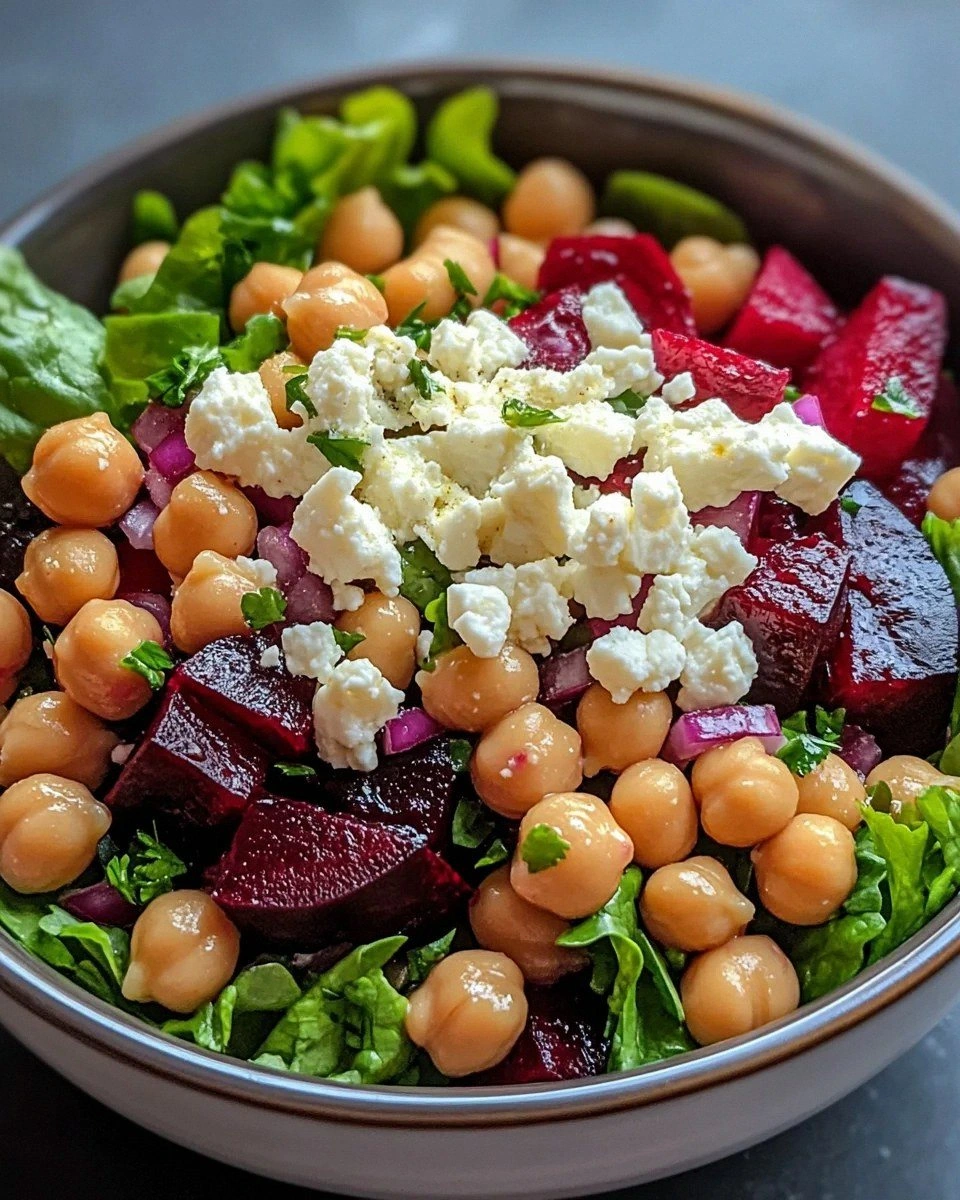
Picture this: the oven humming, the scent of caramelizing beet sugars mingling with the sharp, citrusy perfume of lemon‑garlic vinaigrette. The beets, once raw and stubborn, soften into buttery cubes that glisten with a hint of olive oil, while the chickpeas acquire a toasty crunch that makes you think of a perfectly roasted snack. When you finally toss everything together, the salad looks like a painter’s palette—deep magentas, bright greens, specks of white feta, and flecks of fresh parsley—all bound by a vinaigrette that coats each bite like silk. That moment when you scoop a forkful and hear the faint crackle of the chickpeas? Pure, unadulterated joy.
Most recipes I’ve tried for beet salads either drown the beet’s natural sweetness in a swamp of oil or forget the crucial textural contrast that makes a salad unforgettable. This version, however, balances sweet, salty, tangy, and earthy in a way that most home cooks never achieve without a culinary degree. I’ve spent countless evenings tweaking the ratio of lemon to garlic, testing the perfect roast time for beets, and even experimenting with different feta textures until the flavors sang in perfect harmony. The result? Hands down the best version you’ll ever make at home, and I dare you to taste this and not go back for seconds.
You might wonder where the magic truly lies. The secret isn’t a fancy ingredient you can’t find at the local market; it’s a technique: roasting the beets and chickpeas separately to develop depth, then finishing with a vinaigrette that’s emulsified with Dijon mustard for that buttery mouthfeel. The lemon‑garlic vinaigrette is the game‑changer, providing a zing that lifts the earthiness of the beets while letting the feta’s creaminess shine. And if you’ve ever struggled with soggy greens, stay with me here — the vinaigrette’s acidity actually helps the greens stay crisp longer, a little kitchen sorcery that will make you look like a pro.
Let me walk you through every single step — by the end, you’ll wonder how you ever made a salad any other way. Okay, ready for the game‑changer? This next part? Pure magic.
What Makes This Version Stand Out
- Flavor Balance: The lemon‑garlic vinaigrette brings acidity that cuts through the beet’s sweetness, while the feta adds a salty creaminess that ties everything together.
- Texture Symphony: Roasted beets are buttery, chickpeas are crunchy, greens are crisp, and feta provides a crumbly surprise—all in one bite.
- Simplicity Meets Sophistication: Only pantry staples and a few fresh herbs are needed, yet the result feels like a restaurant‑grade dish.
- Unique Twist: Most beet salads skip the chickpeas; adding them not only boosts protein but also absorbs the vinaigrette like a sponge.
- Crowd Reaction: I’ve served this at potlucks and watched strangers line up for seconds; it’s a conversation starter.
- Ingredient Quality: Fresh, high‑quality beets and a good crumbly feta make a world of difference—nothing artificial, just pure flavor.
- Cooking Method: Roasting intensifies natural sugars without adding extra sugar, keeping the dish wholesome.
- Make‑Ahead Potential: The vinaigrette can be prepared days ahead, and the salad holds up beautifully for lunch prep.
Inside the Ingredient List
The Flavor Base
Beets are the heart of this salad, bringing a natural sweetness and a vivid magenta hue that makes the dish instantly Instagram‑worthy. When you roast them, the sugars caramelize, creating a depth of flavor that raw beets could never achieve. If you skip the roasting step, you’ll end up with a bland, earthy taste that feels more like a side dish than a star. For the best results, choose firm, unblemished beets and give them a quick scrub before cooking.
Fresh lemon juice is the bright spark that cuts through the beet’s earthiness. Its acidity awakens the palate, ensuring each bite feels refreshing rather than heavy. If you’re out of lemons, a splash of good quality white wine vinegar can stand in, but the citrusy zing is unmatched. Remember, the lemon should be freshly squeezed—bottled juice can introduce unwanted preservatives and a flat flavor.
Garlic, minced finely, adds a savory depth that complements the sweetness of the beets while enhancing the vinaigrette’s overall complexity. Too much garlic can overwhelm, so a single clove is enough to impart that subtle heat. If you’re sensitive to raw garlic’s bite, let the vinaigrette sit for a few minutes after whisking; the flavor mellows beautifully.
The Texture Crew
Chickpeas are the protein powerhouse of this salad, providing a hearty bite and a pleasant crunch when roasted. Their mild flavor acts like a sponge, soaking up the lemon‑garlic vinaigrette and delivering a burst of tang with every chew. If you’re vegan or dairy‑free, you can skip the feta and increase the chickpeas by half a cup for extra protein.
Red onion, finely chopped, offers a sharp, slightly sweet crunch that brightens each mouthful. Its pungency mellows as it sits in the vinaigrette, turning from a sharp bite to a subtle sweetness that balances the beets. If raw onion is too aggressive for you, soak the chopped pieces in cold water for 10 minutes, then drain and pat dry.
Mixed greens or baby spinach serve as the fresh, crisp foundation that carries the heavier ingredients. Their delicate texture contrasts beautifully with the roasted beets and chickpeas, preventing the salad from feeling too dense. For a more robust bite, mix in arugula or frisée; just be mindful that strong greens can compete with the vinaigrette’s acidity.
The Unexpected Star
Feta cheese, crumbled over the top, introduces a salty, creamy counterpoint that elevates the entire dish. Its tanginess mirrors the lemon’s brightness, while its crumbly texture adds a luxurious mouthfeel. Choose a feta that’s stored in brine for the best flavor; dry‑packed feta can be bland and crumbly.
Fresh parsley, chopped and sprinkled just before serving, provides a pop of herbaceous green that lifts the salad’s overall aroma. Parsley’s mild peppery note works in harmony with the lemon, creating a layered flavor profile that feels sophisticated yet approachable.
The Final Flourish
Olive oil is the silky backbone of the vinaigrette, binding the lemon juice, garlic, and Dijon mustard into a cohesive emulsion. Its fruity notes complement the earthiness of the beets while adding a luxurious mouthfeel. Use extra‑virgin olive oil for the most robust flavor; a light olive oil can make the dressing feel thin.
Dijon mustard isn’t just a flavor booster; it acts as an emulsifier, ensuring the vinaigrette stays smooth and doesn’t separate. A teaspoon is enough to give the dressing a subtle heat and depth without overwhelming the other ingredients.
Salt and pepper are the final seasoning touches that bring all flavors into balance. Season gradually, tasting as you go, because the feta and brined beets already contribute saltiness. Freshly cracked black pepper adds a gentle heat that lingers on the palate.
Everything’s prepped? Good. Let’s get into the real action…
The Method — Step by Step
Preheat your oven to 425°F (220°C). While the oven warms, scrub the beets under cold water, trim the tops and tails, and wrap each beet individually in aluminum foil. This foil packet traps steam, which not only speeds up cooking but also makes the skins slip off effortlessly. Roast the beets for 45‑55 minutes, or until a fork slides in with barely any resistance. You’ll know they’re ready when the skins start to separate and a sweet, earthy aroma fills your kitchen.
Kitchen Hack: Add a splash of apple cider vinegar to the foil packet; it helps break down the beet’s fibers, making them even more tender.While the beets roast, drain and rinse the canned chickpeas. Pat them dry with a clean kitchen towel—dry chickpeas roast much better, achieving that coveted crunch. Toss the chickpeas with a drizzle of olive oil, a pinch of salt, and a sprinkle of smoked paprika if you like a smoky note. Spread them on a parchment‑lined baking sheet and roast for 15‑20 minutes, shaking the pan halfway through. They should turn golden brown and become crisp on the outside while staying soft inside.
Kitchen Hack: For extra crunch, toss the chickpeas in a teaspoon of cornstarch before roasting; it creates a light, crunchy coating.Prepare the vinaigrette while the vegetables finish cooking. In a medium bowl, whisk together 3 tablespoons of extra‑virgin olive oil, 2 tablespoons of freshly squeezed lemon juice, the minced garlic clove, and 1 teaspoon of Dijon mustard. Season with salt and freshly cracked black pepper to taste. Keep whisking until the mixture emulsifies into a glossy, slightly thickened dressing that clings to a spoon. This is the moment of truth—if the vinaigrette looks too thin, add a splash more olive oil; if it’s too thick, balance with a tiny drizzle of water.
When the beets are tender, remove them from the oven and let them cool for about 10 minutes. The steam will have loosened the skins, making them easy to peel.
Once peeled, cut the beets into bite‑size cubes, about ½‑inch pieces. The cubes should be tender yet hold their shape, providing a buttery texture that melts in your mouth.Watch Out: Be careful when handling the hot foil packets; they retain heat for several minutes and can cause burns.In a large mixing bowl, combine the mixed greens (or baby spinach) with the roasted beet cubes, the crunchy chickpeas, and the finely chopped red onion. Toss gently to distribute the ingredients evenly. The greens should remain crisp, so avoid over‑mixing; a light hand preserves their texture and prevents wilting.
Drizzle the prepared vinaigrette over the salad, using just enough to coat each piece without drowning the greens. The vinaigrette should glisten on the surface, clinging to the beet cubes and chickpeas like a fine silk veil. Toss again, this time more deliberately, ensuring every bite gets a balanced hit of lemon‑garlic brightness.
Scatter the crumbled feta cheese over the top, allowing its salty, creamy shards to nestle into the valleys of the salad. Sprinkle the chopped fresh parsley for a final burst of herbaceous freshness. Give the salad one last gentle toss, just enough to integrate the feta without breaking it into powder.
Serve immediately, or let the salad rest for 10 minutes to allow the flavors to meld even further. This dish is perfect on its own, as a side to grilled fish, or even tucked into a warm pita for a handheld lunch. I dare you to taste this and not go back for seconds—trust me, you’ll be reaching for the bowl again.
Insider Tricks for Flawless Results
The Temperature Rule Nobody Follows
Never roast beets at a low temperature; a hot oven (425°F) caramelizes the natural sugars instantly, giving you that sweet, almost caramel flavor. If you’re in a rush, you can cut the beets into smaller wedges before roasting; they’ll cook faster and develop an even deeper color. I once tried a low‑and‑slow method at 350°F and ended up with bland, soggy beets that never achieved that signature glow.
Why Your Nose Knows Best
Your sense of smell is a reliable indicator of doneness. When the beets start to emit a sweet, earthy perfume and the chickpeas release a nutty, toasted scent, you’re in the sweet spot. If you’re ever unsure, give the beet a gentle press with the back of a spoon; it should give slightly but still feel firm. Trusting your nose saves you from over‑cooking, which can turn the beet’s texture mushy.
The 5‑Minute Rest That Changes Everything
After tossing the salad with vinaigrette, let it sit for five minutes before serving. This short rest lets the greens absorb a touch of acidity, softening just enough to become more flavorful without wilting. The beets also soak up a bit of the dressing, making each bite more cohesive. Skipping this step is a common mistake that leaves the salad tasting disjointed.
Seasonal Salt Timing
Season the salad in stages: a pinch of salt on the raw veggies, then a light sprinkling after adding the vinaigrette, and finally a final dash after the feta is incorporated. This layered salting ensures each component is seasoned perfectly, preventing the dish from ever tasting flat.
The Crumble Technique
When crumbling feta, use your fingertips rather than a fork. The gentle pressure creates irregular shards that melt slower, providing bursts of salty creaminess throughout the salad. If you use a fork, the feta turns into fine crumbs that can become soggy when mixed with the dressing.
Balancing Bitterness
If your greens have a bitter edge, a quick massage with a dash of olive oil and a pinch of salt before adding the other ingredients can mellow them out. This technique, borrowed from classic salad prep, softens the bitterness without sacrificing the fresh crunch.
Creative Twists and Variations
This recipe is a playground. Here are some of my favorite ways to switch things up:
Mediterranean Mezze Mix
Swap the chickpeas for roasted red peppers and add a handful of Kalamata olives. The briny olives and sweet peppers complement the beet’s earthiness, turning the salad into a mezze platter perfect for sharing.
Spicy Sriracha Kick
Stir a teaspoon of sriracha into the vinaigrette and sprinkle a pinch of red pepper flakes over the finished salad. The heat adds an unexpected punch that pairs beautifully with the creamy feta.
Nutty Crunch Upgrade
Add toasted walnuts or pistachios for an extra layer of crunch and a nutty aroma. The nuts also bring healthy fats that make the salad more satiating.
Grain‑Boosted Bowl
Serve the salad over a bed of quinoa or farro for a heartier meal. The grains absorb the vinaigrette, turning the dish into a complete lunch that’s both filling and nutritious.
Herb‑Infused Delight
Replace parsley with fresh mint and add a handful of dill. The herb combo adds a refreshing, almost garden‑like quality that brightens the overall flavor profile.
Vegan Velvet
Omit the feta and replace it with crumbled tofu marinated in lemon juice and a dash of nutritional yeast. The tofu mimics the salty tang of feta while keeping the dish entirely plant‑based.
Storing and Bringing It Back to Life
Fridge Storage
Transfer the salad to an airtight container, keeping the vinaigrette separate if you plan to store it for more than a day. The greens stay crisp for up to 3 days, and the beets retain their texture. When ready to eat, simply drizzle the vinaigrette over the salad and give it a quick toss.
Freezer Friendly
While fresh greens don’t freeze well, the roasted beets and chickpeas do. Portion them into freezer bags, label, and store for up to 2 months. To reassemble, thaw in the refrigerator overnight, then add fresh greens and vinaigrette.
Best Reheating Method
If you’ve stored the beets and chickpeas separately and want to warm them, place them in a skillet over medium heat for 3‑4 minutes, adding a tiny splash of water or broth. The steam revives the texture without drying them out, and the vinaigrette can be refreshed with an extra drizzle of lemon juice.