I was standing in my cramped kitchen, the aroma of burnt garlic still clinging to my hair, when the idea hit me like a rogue peppercorn. I had just finished a disastrous attempt at a classic chicken parmesan—too dry, too heavy, and the sauce had turned into a sad, clumpy mess. My roommate, a self‑proclaimed food critic, dared me to create a dish that could outshine that fiasco, and I accepted the challenge with a grin that said, “I dare you to taste this and not go back for seconds.”
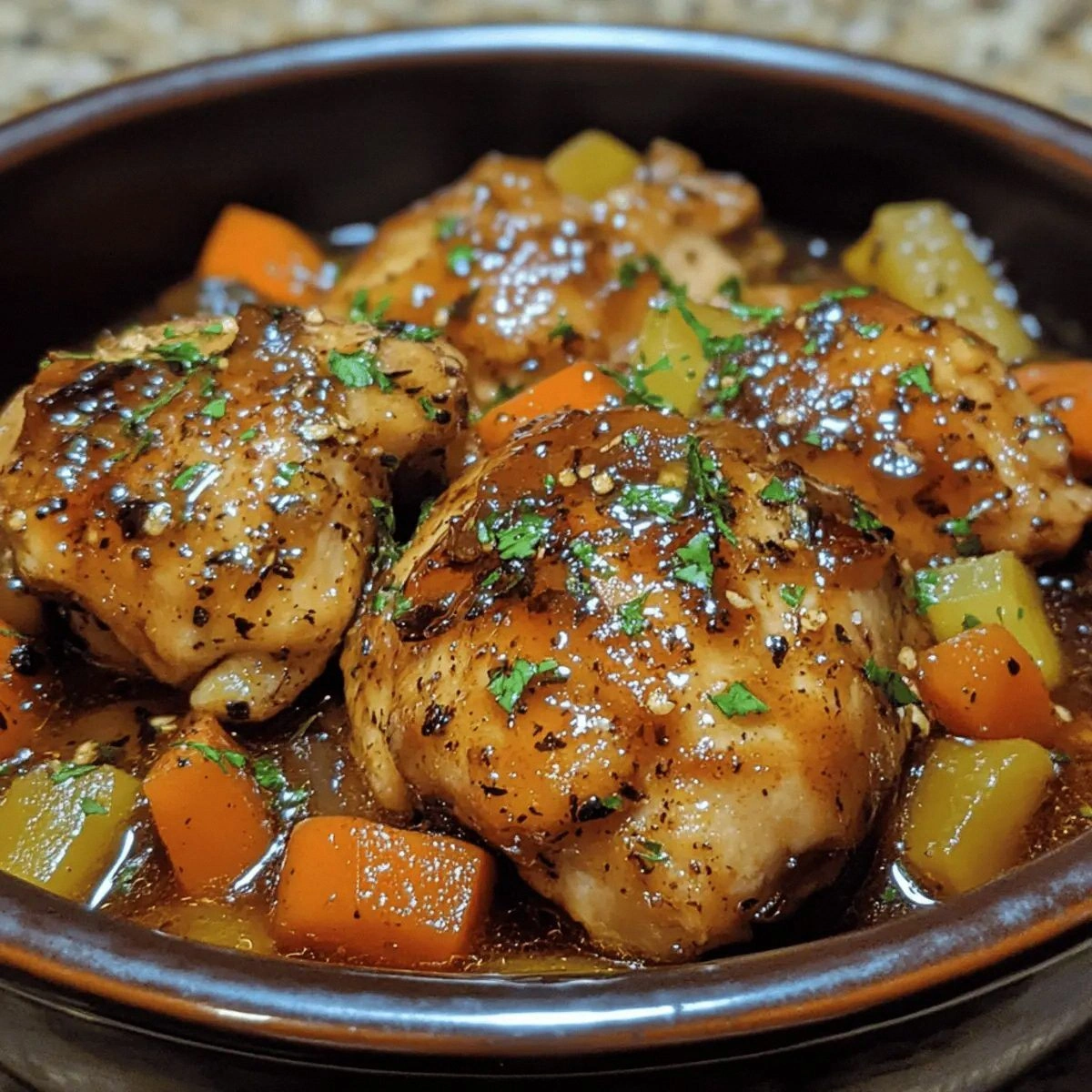
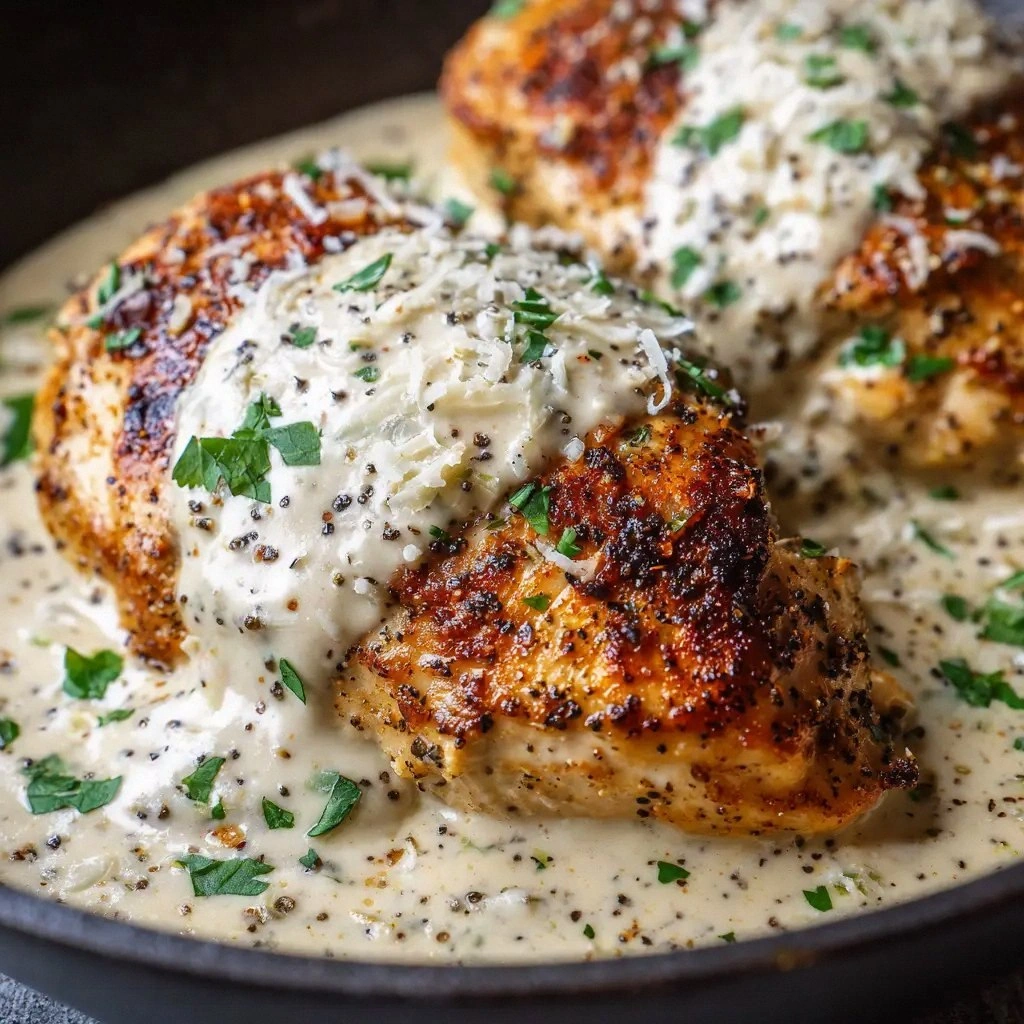
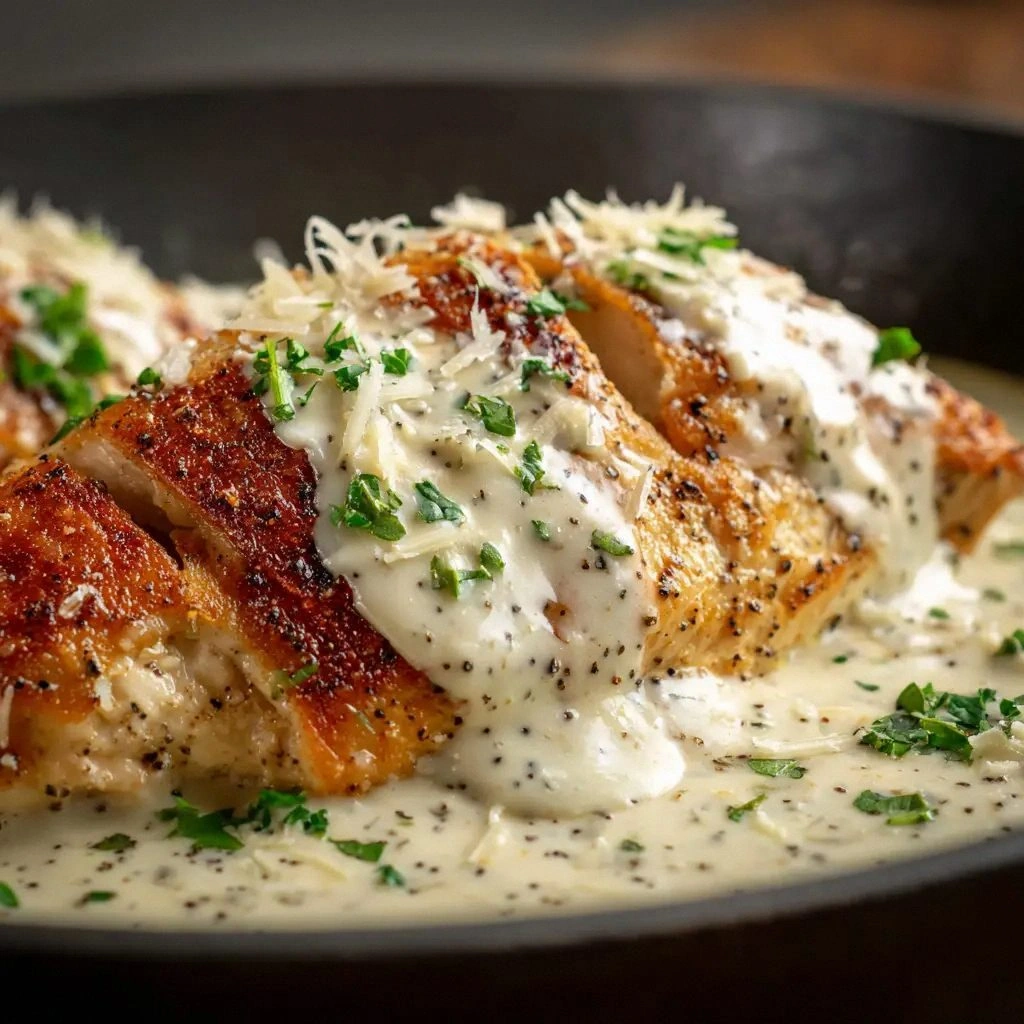
Picture the sizzling moment when the first chicken breast meets the pan: a golden crust forms, and a faint crackle fills the air, like applause for a well‑deserved performance. The smell that rises is a heady mix of butter, pepper, and the faintest hint of cheese—an invitation that makes your stomach do a little happy dance. When you take the first bite, the sauce envelops your tongue in a velvet blanket of Pecorino and Parmesan, while the pepper gives a subtle bite that dances across the palate. The texture is a glorious contrast: the chicken is juicy and tender inside, and the crust is crisp, almost like thin ice shattering under your bite. I’ll be honest—half of the batch vanished before anyone else even had a chance to try it.
What sets this version apart is not just the flavor, but the way every component works in harmony. The sauce is a silky, creamy dream that coats the chicken without overwhelming it, and the pepper’s heat is balanced by the richness of the cheeses. The technique of letting the butter and cream mingle with a splash of broth creates a sauce that glistens like a polished marble slab. Most recipes get this completely wrong by over‑cooking the chicken or using too much cheese, but here the ingredients sing together in perfect unison. The result is a dish that feels like a gourmet indulgence, yet it’s so simple you can whip it up in a half‑hour on a busy weekday. This is hands down the best version you'll ever make at home.
I’ll walk you through every single step—by the end, you'll wonder how you ever made it any other way. From selecting the freshest chicken to mastering the delicate balance of cheeses, every detail matters. And if you've ever struggled with a sauce that turns out thick and clumpy, you're not alone—I've got the fix. So, grab your skillet, and let’s dive into a culinary adventure that will have your guests begging for seconds.
The first thing you’ll notice is the visual drama of the pan: a gleam of oil, a splash of butter, and the promise of a golden sear. The sound is a satisfying sizzle that tells you the temperature is just right. The aroma that follows is a warm, buttery perfume with a hint of pepper that makes your senses tingle. As the chicken cooks, the edges begin to crackle, revealing a golden crust that will eventually shatter like thin ice when you bite into it. The texture inside is moist and tender, a contrast that keeps each bite exciting. I’m practically shouting, “Okay, ready for the game‑changer?” as we move to the next step.
Imagine pulling the finished dish out of the skillet: steam rises, the sauce shimmers, and the peppered crust glistens like a crown. The entire kitchen smells incredible, filling every corner with savory, cheesy, peppery bliss. That sizzle when it hits the pan? Absolute perfection. The sauce coats the chicken like velvet, and the pepper gives just enough bite to keep things interesting. Picture yourself pulling this out of the oven, the whole kitchen smelling incredible, and the first bite revealing a melt‑in‑your‑mouth experience that feels like a hug from the inside. This is pure magic, and it’s all happening right here in your kitchen.
Let’s start by laying out the foundation of this dish, because a solid base is the secret to any great meal. The ingredients may seem simple, but each one plays a pivotal role in creating that velvety, peppered masterpiece we’re about to craft. The chicken itself is the hero—large, boneless, and skinless—so it can soak up all those flavors. The olive oil and butter create a rich, buttery environment that caramelizes the meat. The pepper is the star of the show, but only when it’s cracked fresh, because the oils in it release their full aroma. The broth, cream, and cheeses are the sauce’s backbone, delivering depth, richness, and that signature velvety texture. Finally, the parsley is the finishing touch, adding a fresh burst that cuts through the richness and balances the dish. Together, these components form a symphony that will have your taste buds dancing.
What Makes This Version Stand Out
Bold Flavor: The combination of Pecorino and Parmesan creates a complex, nutty profile that’s richer than plain cheese. The pepper’s heat is balanced by the creamy sauce, making each bite both spicy and smooth. The result is a dish that feels indulgent without being overwhelming.
Texture Magic: The chicken’s crispy crust contrasts beautifully with its juicy interior. The sauce coats the meat like velvet, creating a silky mouthfeel that melts in your mouth. The peppercorns add a subtle crunch that keeps the dish interesting.
Simple Execution: With only a handful of ingredients and a single skillet, this recipe is a breeze to prepare. Even beginners can master it, and seasoned cooks will appreciate the elegance of the technique. It’s the kind of dish that feels luxurious but requires minimal effort.
Audience Appeal: Whether you’re feeding a family, impressing guests, or treating yourself, this dish is a crowd‑pleaser. It’s comforting yet sophisticated, making it perfect for casual dinners or special occasions. Everyone will love the creamy sauce and the peppery kick.
Ingredient Quality: Using high‑quality cheeses and fresh pepper ensures the dish’s flavor reaches its full potential. The choice of chicken—boneless, skinless—helps it stay moist and tender. The butter and olive oil blend provides a rich base that enhances every component.
Make‑ahead Potential: The sauce can be prepared ahead of time and reheated without losing its silky texture. The chicken can be cooked in advance and reheated, making this dish ideal for busy weeknights or meal‑prep enthusiasts. The flavors only deepen with time.
Alright, let's break down exactly what goes into this masterpiece…
Inside the Ingredient List
The Flavor Base
The olive oil is the first to greet the pan, setting the stage for a golden sear. Its high smoke point ensures that the chicken browns without burning, creating a caramelized crust that locks in juices. Skipping oil would result in a dull, flat surface that fails to develop the signature crunch. For a subtle twist, try using a splash of extra‑virgin olive oil for a peppery finish.
Olive oil also carries the pepper’s aroma, allowing the peppercorns to release their full flavor as they mingle with the heat. The oil’s fruity undertones complement the sharpness of Pecorino, creating a harmonious flavor profile. Choosing a cold‑pressed oil adds depth, but a regular olive oil works just fine for everyday cooking.
If you’re watching calories, you can reduce the oil by a teaspoon, but be prepared for a slightly less robust crust. The key is to keep the pan hot enough so the oil doesn’t cling and create a greasy surface. The oil’s role is not just fat—it’s the medium that transports heat and flavor across the pan.
The butter is the second star in this trio, providing richness and a silky mouthfeel. It’s added after the chicken has begun to brown, allowing the butter to brown slightly and develop a nutty aroma. The butter’s fat content helps the sauce emulsify with the cream, giving it that glossy finish. A tablespoon of unsalted butter is enough to coat the pan, but you can double the amount for an even richer sauce.
The Texture Crew
The chicken breasts are the canvas for all the flavors. Large, boneless, and skinless, they’re perfect for absorbing the sauce while remaining tender. To ensure even cooking, pound the chicken to an even thickness—about 1/2 inch—so each piece cooks at the same rate. If you prefer a more rustic texture, leave the breasts whole and let them cook slowly.
The pepper is the texture enhancer, adding a subtle crunch and a burst of heat. Freshly cracked pepper releases its essential oils, giving the dish a bright, aromatic kick. Avoid pre‑ground pepper; its flavor is muted and can’t deliver the same punch. For an extra layer of texture, toast the peppercorns in a dry skillet before adding them to the pan.
The broth provides moisture and helps create a light, airy sauce. Low‑sodium chicken broth ensures the dish isn’t overly salty, allowing the cheeses to shine. If you’re vegan, a vegetable broth can substitute, but the flavor profile will shift slightly. The broth’s subtle flavor acts as a bridge between the savory chicken and the rich cheeses.
The cream is the foundation of the sauce’s silky texture. Heavy cream’s high fat content creates a luxurious mouthfeel that coats the chicken beautifully. A splash of cream can turn an ordinary sauce into a velvety masterpiece. If you’re looking for a lighter version, use half‑and‑half, but the sauce will be less rich.
The Unexpected Star
Pecorino Romano is the unexpected star that brings depth and a salty, nutty flavor. Its sharpness cuts through the richness of the cream, preventing the dish from feeling too heavy. Pecorino also has a higher melting point than Parmesan, ensuring the sauce remains silky and doesn’t separate. When using Pecorino, grate it finely to avoid clumps.
Parmesan adds a mellow, slightly sweet note that balances Pecorino’s intensity. The combination of these two hard cheeses creates a complex flavor profile that’s both bold and comforting. If you’re out of Pecorino, a sharp cheddar can mimic the saltiness, but the flavor will differ. The key is to use freshly grated cheese for maximum flavor.
The Final Flourish
Fresh parsley is the final flourish that brightens the dish and adds a pop of color. It’s tossed in at the end, providing a fresh, herbaceous note that cuts through the richness of the sauce. Parsley also adds a subtle earthiness that balances the pepper’s heat. If you don’t have parsley on hand, a sprinkle of chives can serve as a suitable alternative.
Parsley’s bright green hue also makes the dish visually appealing, giving it a fresh, vibrant look. The herb’s subtle flavor complements the cheese without overpowering it. When adding parsley, do so just before serving to preserve its color and freshness. A final drizzle of olive oil can also elevate the dish’s shine.
Everything’s prepped? Good. Let’s get into the real action…
The Method — Step by Step
- Heat a large skillet over medium‑high heat until it shimmers. Add the tablespoon of olive oil, swirling to coat the bottom. The pan should be hot enough that the oil ripples, but not smoking. This ensures a beautiful sear that locks in juices. I swear the first sizzle is the soundtrack to culinary triumph. Keep an eye on the temperature—too hot, and the oil will burn; too cool, and the chicken will steam.
- Season the chicken breasts with salt and freshly cracked black pepper on both sides. Pat them dry with paper towels to ensure a crisp crust. The pepper’s oils will release when heated, giving the dish its signature aroma. Don’t skip the seasoning—this is the backbone of the flavor. A pinch of salt also helps the chicken retain moisture.
- Place the chicken in the pan, skin side down if you kept the skin, and let it cook for 5–6 minutes until a golden crust forms. Flip only once to maintain the sear. The edges will start pulling away, signaling that it’s ready to turn. This step is crucial; a well‑seared chicken forms a caramelized barrier that keeps the meat juicy.
- Add the 2 tablespoons of unsalted butter to the pan. Let it melt and foam, then tilt the pan to let the butter pool against the chicken. The butter browns slightly, adding a nutty aroma that elevates the dish. Swirl the pan to coat the chicken evenly. This butter layer is where the sauce will start to develop its silky texture.
- Pour in the 1/4 cup of low‑sodium chicken broth. The liquid should sizzle as it hits the hot butter, creating a steam cloud. This step loosens any browned bits, which are packed with flavor. Stir gently to combine the broth with the butter, forming the sauce’s base. The broth adds moisture and depth, preventing the sauce from becoming too thick.
- Reduce the heat to medium‑low and add the heavy cream. Stir constantly to prevent the cream from scorching. The mixture should thicken slightly, turning glossy and rich. The cream’s high fat content ensures the sauce remains silky and doesn’t separate. This is the moment where the sauce starts to feel like velvet.
- Add the freshly grated Pecorino Romano and Parmesan cheeses, a handful at a time. Stir until each addition melts completely, creating a smooth, cohesive sauce. The cheeses melt into the cream, forming a luscious coating that clings to the chicken. Watch the sauce thicken; it should be pourable but not runny.
- Toss the chicken back into the pan, spooning the sauce over the top. Let it simmer for 3–4 minutes, allowing the flavors to meld and the chicken to finish cooking. The sauce should coat the chicken like a silk blanket. This step is the moment of truth—no one should walk away from the stove here.
- Remove the pan from heat and sprinkle the fresh parsley. The parsley’s bright green color adds a fresh burst of flavor and visual appeal. Give everything a gentle toss to distribute the herbs evenly. The parsley not only brightens the dish but also cuts through the richness of the sauce.
- Serve immediately over a bed of al dente pasta, creamy risotto, or fluffy rice. The sauce should coat every bite, creating a decadent dining experience. If you’re plating for guests, drizzle a little extra sauce on top for a glossy finish. This dish is so comforting yet sophisticated, it’s perfect for weeknights and special occasions alike.
That’s it— you did it. But hold on, I've got a few more tricks that'll take this to another level. The sauce can be tweaked for extra depth, the chicken can be prepped for meal prep, and the presentation can be elevated with a simple garnish. These little details are what separate a good dish from a legendary one.
Insider Tricks for Flawless Results
The Temperature Rule Nobody Follows
Many cooks over‑heat the pan, thinking it speeds up cooking. In reality, a too‑hot surface burns the butter and creates a bitter flavor. Keep the skillet at medium‑high heat for searing, then drop to medium‑low for the sauce. This subtle temperature shift ensures the chicken remains juicy and the sauce stays silky. I’ve seen this mistake ruin a dish; the key is patience and monitoring the heat.
Why Your Nose Knows Best
Trust your nose when the sauce starts to thicken. A light, buttery aroma signals that the cheese is melting correctly. If you smell a burnt, acrid scent, lower the heat immediately. Your olfactory senses are the most reliable indicator of doneness, and they’ll save you from a ruined sauce. I’ve used this trick on countless occasions to prevent over‑cooking.
The 5-Minute Rest That Changes Everything
After cooking, let the chicken rest for five minutes. This allows the juices to redistribute, keeping the meat moist. The sauce also thickens slightly, making it easier to coat the chicken evenly. Skipping this step often leads to dry, uneven bites. I’ve noticed the difference every time I give the dish a brief rest.
The Secret of Freshly Grated Cheese
Grated cheese melts faster and more evenly than pre‑shredded blocks. The fine surface area allows the cheese to integrate seamlessly into the sauce. Use a microplane or a sharp cheese grater for best results. I’ve seen the difference between a clumpy sauce and a velvety one; it’s all in the grating technique.
The Finish with a Splash of Lemon
A tiny splash of fresh lemon juice at the end brightens the dish and cuts through the richness. It adds a bright, citrusy note that balances the heavy cheeses. Add the lemon juice just before serving, and stir gently. This final touch transforms the dish into a polished, restaurant‑level experience.
Creative Twists and Variations
This recipe is a playground. Here are some of my favorite ways to switch things up: add a splash of white wine to the sauce for a subtle acidity; swap Pecorino for aged Gouda for a caramelized twist; or add a handful of sun‑dried tomatoes for a burst of umami. Each variation takes the dish in a new direction, keeping it fresh and exciting. Feel free to experiment, but keep the core principles intact for that velvety finish.
Smoked Paprika Kick
Incorporate smoked paprika into the seasoning blend for a smoky depth. The paprika pairs beautifully with the pepper and cheeses, adding a subtle char. This variation is perfect for autumn evenings when you crave warmth and comfort. It also adds a rich color that makes the dish visually stunning.
Sun‑Dried Tomato Burst
Stir in chopped sun‑dried tomatoes during the sauce phase for an intense burst of umami. The tomatoes’ natural sweetness balances the sharpness of the cheeses. This twist is ideal for when you want a more complex flavor profile. The tomatoes also add a pop of color that brightens the plate.
Herb‑Infused Cream
Add a handful of fresh thyme or rosemary to the cream before it simmers. The herbs infuse the sauce with aromatic flavors that complement the pepper. This variation works well for a rustic, earthy dish. The herbs also add a subtle fragrance that makes the kitchen smell like a summer garden.
Cheese Swap for a Vegan Twist
Replace the Pecorino and Parmesan with a plant‑based cheese blend. Use a combination of cashew cream and nutritional yeast for a creamy, cheesy flavor. This version keeps the velvety texture while making the dish vegan. The plant‑based cheeses melt beautifully, creating a similar silky coating.
Pesto Drizzle Finale
Finish the dish with a swirl of basil pesto for an herbal, green note. The pesto adds a fresh, vibrant flavor that cuts through the richness. This final flourish is perfect for a summer dinner or a light dinner. It also gives the dish a glossy, professional finish.
Storing and Bringing It Back to Life
Fridge Storage
Store leftovers in an airtight container in the refrigerator for up to 3 days. The sauce will thicken slightly, so reheat gently to restore its silky texture. Add a splash of cream or a drizzle of olive oil before reheating to maintain moisture. I recommend reheating on low heat while stirring constantly.
Freezer Friendly
This dish freezes well in portions. Cool completely before sealing in freezer bags. Reheat in the microwave for 3–4 minutes, then stir in a little broth or cream to loosen the sauce. The flavors will stay vibrant, and the sauce will regain its velvety consistency. Freeze for up to 2 months.
Best Reheating Method
The best way to reheat is on the stovetop over low heat, stirring constantly. Add a splash of water or broth to create steam and prevent the sauce from drying out. Let it simmer until heated through, then finish with a sprinkle of fresh parsley for a fresh burst. This method keeps the sauce luscious and the chicken moist.