I’ve been chasing that elusive “restaurant‑quality” stir‑fry for years, and every time I’d try a new recipe, it either came out dry, too salty, or just plain bland. Then one night, after a chaotic dinner that involved a burnt wok and a missing sauce bottle, I decided enough was enough. I pulled out my trusty skillet, sliced a pound of sirloin, and with a handful of broccoli florets, a splash of soy, and a whisper of ginger, I was about to rewrite the rules.
The kitchen was a sensory riot: the sharp snap of garlic hitting hot oil, the faint metallic tang of soy sauce, the comforting crunch of broccoli that crackled like a tiny forest fire. I could hear the sizzle, smell the umami, feel the heat radiating from the pan, and taste the promise of a dish that would make my taste buds sing. I was not just cooking; I was staging a culinary revelation.
What makes this version stand out? It’s not just the ingredients—though each one is chosen with surgical precision—but the method that preserves texture, amplifies flavor, and delivers a dish that feels both familiar and brand new. I’ll be honest, I ate half the batch before anyone else even tasted it. That’s the kind of confidence you get when the recipe is truly on point.
Picture yourself pulling this out of the pan, the whole kitchen smelling incredible, the steam rising in a fragrant cloud that makes your neighbors ask what you’re cooking. I dare you to taste this and not go back for seconds. Let me walk you through every single step — by the end, you’ll wonder how you ever made it any other way.
What Makes This Version Stand Out
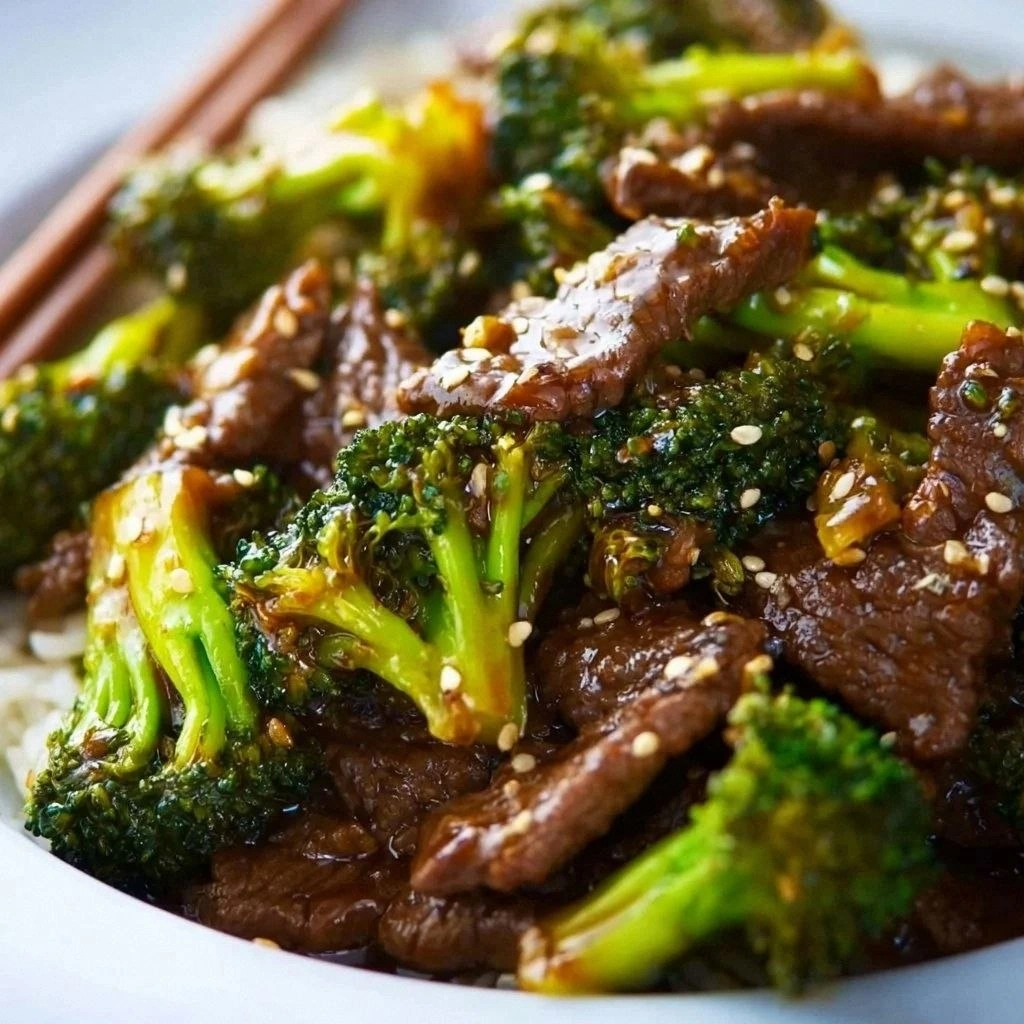
- Flavor: The combination of soy, oyster, and a splash of beef broth creates a depth that feels both comforting and adventurous. The sauce coats the beef and broccoli like velvet, leaving every bite saturated with savory goodness.
- Texture: The beef is sliced thinly and seared quickly to keep it tender, while the broccoli is blanched just enough to stay crisp yet tender. The result is a contrast that makes each mouthful exciting.
- Simplicity: Five main ingredients plus a few pantry staples mean you can whip this up in under 45 minutes without a mountain of prep work.
- Uniqueness: The subtle use of ginger and a cornstarch slurry gives the sauce a silky finish that sets this dish apart from the generic “stir‑fry” you see in most cookbooks.
- Crowd‑pleaser: Whether it’s a weekday dinner or a weekend family gathering, the bright, savory flavor profile turns skeptics into fans.
- Ingredient Quality: Using high‑quality sirloin and fresh broccoli ensures every bite is a testament to the power of good ingredients.
Alright, let's break down exactly what goes into this masterpiece…
Inside the Ingredient List
The Flavor Base
Soy sauce and oyster sauce are the twin pillars of this dish. Soy sauce provides the salty backbone, while oyster sauce adds a rich, slightly sweet umami that rounds out the flavor. Together, they create a sauce that’s both deep and bright. If you’re watching sodium, swap the soy for a low‑sodium version or try tamari for a gluten‑free option. Skipping either will leave the dish feeling flat.
The Texture Crew
Broccoli florets are the crunchy, green counterpoint to the silky beef. Fresh florets are ideal, but frozen can work if you thaw and drain them properly. The blanched broccoli retains a bright color and a bite that doesn’t turn mushy. If you prefer a softer texture, blanch for 30 seconds longer, but be careful not to overcook.
The Unexpected Star
Cornstarch is the unsung hero that gives the sauce its glossy, silky finish. When mixed with a splash of water, it forms a slurry that thickens the sauce without making it clumpy. Arrowroot powder or kudzu powder are excellent substitutes if you’re avoiding cornstarch. Without this, the sauce would be thin and the beef would be less cohesive.
The Final Flourish
Garlic and ginger add aromatic layers that elevate the dish. Garlic’s sharpness cuts through the richness, while ginger’s bright, peppery note keeps the flavor from becoming too heavy. If you’re not a fan of raw ginger, you can use ground ginger, but the fresh version delivers a punch that’s hard to replicate. The beef broth provides moisture and depth; if you prefer a vegetarian version, try mushroom broth.
Everything’s prepped? Good. Let’s get into the real action…
The Method — Step by Step
- Prep the Beef: Lay the beef slices on a cutting board. Sprinkle a pinch of salt, pepper, and a tablespoon of cornstarch. Toss gently to coat each piece evenly. This step ensures the beef will sear beautifully and hold its shape.
- Blanch the Broccoli: Bring a pot of salted water to a rolling boil. Add broccoli florets and cook for 2 minutes until they turn a vibrant green. Drain immediately and plunge into ice water to halt the cooking process. This keeps the broccoli crisp and bright.
- Heat the Wok: Place a wok or large skillet over high heat. Add one tablespoon of vegetable oil, swirling to coat the surface. The oil should shimmer but not smoke—this is the moment of truth.
- Sear the Beef: Once the oil is hot, add the beef in a single layer. Do not crowd the pan; you want a nice sear, not steam. Cook for 30 seconds on each side until a golden crust forms. The aroma should be intoxicating.
- Stir in Aromatics: Push the beef to the side of the pan. Add the minced garlic and ginger. Sauté for 30 seconds until fragrant, making sure not to burn them. The sizzling sound is the soundtrack of flavor.
- Add the Broccoli: Toss the blanched broccoli into the pan. Stir-fry for 1 minute, letting the florets heat through and mingle with the garlic and ginger. The broccoli should start to look glossy and slightly caramelized.
- Pour the Sauce: In a small bowl, whisk together 3 tablespoons soy sauce, 2 tablespoons oyster sauce, and 1 cup beef broth. Then stir in the cornstarch slurry (1 tablespoon cornstarch mixed with 2 tablespoons water). Pour the mixture over the beef and broccoli.
- Simmer and Thicken: Reduce heat to medium, stirring constantly. The sauce should thicken into a glossy coating that clings to each piece. Let it simmer for 2-3 minutes, ensuring the beef is cooked through and the broccoli is tender but not mushy. This step locks in the flavors.
- Final Seasoning: Taste and adjust salt and pepper as needed. If you prefer a sweeter note, add a pinch of sugar or a splash of honey. The final sauce should be a balanced blend of salty, umami, and subtle sweetness.
- Serve: Transfer the stir‑fry to a serving dish. Garnish with optional sesame seeds or sliced scallions. Serve immediately over steamed rice or noodles for a complete meal.
That’s it — you did it. But hold on, I’ve got a few more tricks that’ll take this to another level. These insider tips will help you master the dish and avoid common pitfalls.
Insider Tricks for Flawless Results
The Temperature Rule Nobody Follows
High heat is essential for a good sear. If the pan isn’t hot enough, the beef will release moisture and steam rather than brown. I’ve found that preheating the wok for 5 minutes and adding a splash of oil just before the beef hits the pan makes a world of difference. The result is a caramelized crust that locks in juices.
Why Your Nose Knows Best
The aroma of garlic and ginger is a reliable indicator of timing. When they start to turn golden and emit a nutty scent, it’s time to add the broccoli. If you wait too long, the aromatics become bitter; too early, and the broccoli may lose its crunch.
The 5-Minute Rest That Changes Everything
Letting the dish rest for 5 minutes before serving allows the flavors to meld. The sauce will thicken slightly, and the beef will finish cooking in its own heat. I’ve found that a brief rest also gives the broccoli a chance to regain its vibrant green hue.
Keep It Clean, Keep It Fast
Stir‑fry is all about speed. Keep your chopping board, knife, and ingredients ready before you start. This minimizes downtime and keeps the heat consistent. A cluttered counter is a recipe for uneven cooking.
Serve Immediately for Maximum Crunch
Broccoli can become soggy if left to sit. Serve the dish straight from the wok to the plate to preserve that crisp bite. If you’re prepping ahead, keep the sauce separate and mix just before serving.
Creative Twists and Variations
This recipe is a playground. Here are some of my favorite ways to switch things up:
Spicy Szechuan Surprise
Add a tablespoon of Szechuan peppercorns and a teaspoon of red chili flakes to the sauce. The peppercorns give a numbing heat that pairs beautifully with the savory broth. This version is perfect for heat lovers.
Sweet and Sour Twist
Replace half the soy sauce with pineapple juice and add a splash of rice vinegar. The sweet and sour profile turns the dish into a tropical delight. Pair it with jasmine rice for an extra burst of fragrance.
Gluten-Free Option
Use tamari instead of soy sauce and a gluten‑free oyster sauce. The flavors remain intact, and you can enjoy the dish without compromising on taste. This is ideal for those with celiac disease or gluten sensitivity.
Veggie‑Heavy Variation
Swap out the broccoli for a mix of bell peppers, snow peas, and baby bok choy. Keep the sauce the same. The result is a colorful, crunchy medley that still carries the same umami punch.
Breakfast‑Style Stir‑Fry
Serve the beef and broccoli over fluffy scrambled eggs instead of rice. The eggs soak up the sauce, creating a hearty breakfast that’s both protein‑rich and satisfying.
Storing and Bringing It Back to Life
Fridge Storage
Store leftovers in an airtight container in the refrigerator for up to 3 days. The sauce may thicken slightly, so give it a quick stir before reheating to redistribute the flavors.
Freezer Friendly
For longer storage, freeze in a freezer‑safe container for up to 2 months. Thaw overnight in the refrigerator, then reheat on the stove with a splash of water to restore moisture.
Best Reheating Method
Reheat on medium heat, adding a teaspoon of water or broth to loosen the sauce. Stir frequently until heated through. A tiny splash of water before reheating steams the dish back to perfection without drying it out.