I once walked into my kitchen after a marathon Zoom meeting, my brain fried, my stomach growling like a stray dog, and I realized I had nothing but a half‑full can of coconut milk, a jar of red curry paste, and a random assortment of vegetables lurking in the fridge. I tossed a dare to myself: could I turn this chaotic pantry raid into something that would make my friends swear I’d hired a private chef? The answer? Absolutely, and the result was a bowl of Anything-You-Have Coconut Curr that still haunts my dreams. That first spoonful was a revelation—rich, silky coconut hugging the heat of fermented chilies, bright lime cutting through the richness like a razor‑sharp sax solo, and the vegetables staying crisp enough to bite into without turning to mush.
Picture this: the steam rising from the pot carries a perfume of toasted onion, garlic, and ginger, each note layering like an orchestra tuning before the performance. The sound of the curry bubbling is a gentle roar, promising depth and comfort. My hands felt the heat of the pan, the slickness of oil spreading, the weight of the coconut milk as it swirls into a golden whirlpool. When I finally tasted it, the flavor exploded—sweet, salty, spicy, and sour all at once—making the simple act of eating feel like a celebration.
Most coconut curries I’ve tried either drown in coconut milk or get lost in a sea of blandness. This version, however, hits the sweet spot because I balance the creaminess with a precise amount of acid, a pinch of sugar, and a splash of fish sauce that adds umami without overwhelming the palate. The secret weapon? A quick toast of the curry paste in oil before any liquid joins the party. That step unlocks hidden aromatics that would otherwise stay locked inside the paste, turning the sauce into a fragrant tapestry that coats every bite like velvet.
I’m going to let you in on a technique that most home cooks skip: I finish the soup with a handful of fresh cilantro and a squeeze of lime right at the end of cooking. This not only brightens the dish but also preserves the herb’s bright green color and fresh flavor, preventing it from wilting into a dull brown. Okay, ready for the game‑changer? Grab whatever veggies you have—carrots, bell peppers, broccoli, even a handful of spinach—and let them join the party. I dare you to taste this and not go back for seconds.
Let me walk you through every single step — by the end, you’ll wonder how you ever made it any other way.
What Makes This Version Stand Out
- Flavor Explosion: The toasted curry paste releases deep, smoky notes that make the sauce sing, while the coconut milk provides a buttery canvas.
- Texture Harmony: Crisp‑tender vegetables contrast with silky broth, giving each spoonful a satisfying bite.
- Simplicity: No exotic ingredients—just pantry staples and whatever you have on hand, making it perfect for last‑minute meals.
- Uniqueness: The final lime‑cilantro finish adds a fresh pop that most recipes forget, keeping the flavor bright.
- Crowd Reaction: Guests often claim it’s “the best curry they’ve ever had,” and they’ll ask for the recipe twice.
- Ingredient Quality: Using full‑fat coconut milk ensures richness; a good quality red curry paste provides depth without extra additives.
- Cooking Method: Toasting the paste first is the secret that transforms a bland base into a flavor powerhouse.
- Make‑Ahead Potential: The curry tastes even better the next day once the flavors have melded, and it freezes beautifully.
Alright, let's break down exactly what goes into this masterpiece...
Inside the Ingredient List
The Flavor Base
Coconut milk is the heart of this curry, delivering a creamy richness that carries the heat of the red curry paste. I always reach for the full‑fat version because the extra fat acts like a flavor carrier, allowing the spices to dissolve fully. Skipping it for a light version will give you a watery broth that feels like a disappointment. If you can’t find canned coconut milk, a good quality carton will do, but shake it well before opening.
Red curry paste is the spice engine. It contains chilies, lemongrass, galangal, and shrimp paste, all of which combine to give that signature Thai heat and depth. Toasting it in oil for just 30 seconds awakens the aromatics, turning a simple paste into a fragrant foundation. If you’re allergic to shrimp paste, swap with a vegan red curry paste—just add a dash of soy sauce for the missing umami.
The Texture Crew
Onion, garlic, and ginger form the aromatic trio that builds layers of flavor before the curry paste even enters the pan. The onion should be diced medium‑large; it softens and sweetens as it cooks, balancing the heat. Garlic adds a pungent bite, while ginger injects a bright, slightly peppery note that cuts through the coconut’s sweetness. If you forget any, the dish will feel flat, but a splash of fresh lime later can rescue it.
Mixed vegetables—carrots, bell peppers, broccoli—bring color, crunch, and nutrients. Their natural sugars caramelize slightly when sautéed, adding a subtle sweetness that complements the curry’s heat. Feel free to toss in zucchini, snap peas, or even frozen peas; just remember that overcooking will turn them mushy and lose that delightful snap.
The Unexpected Star
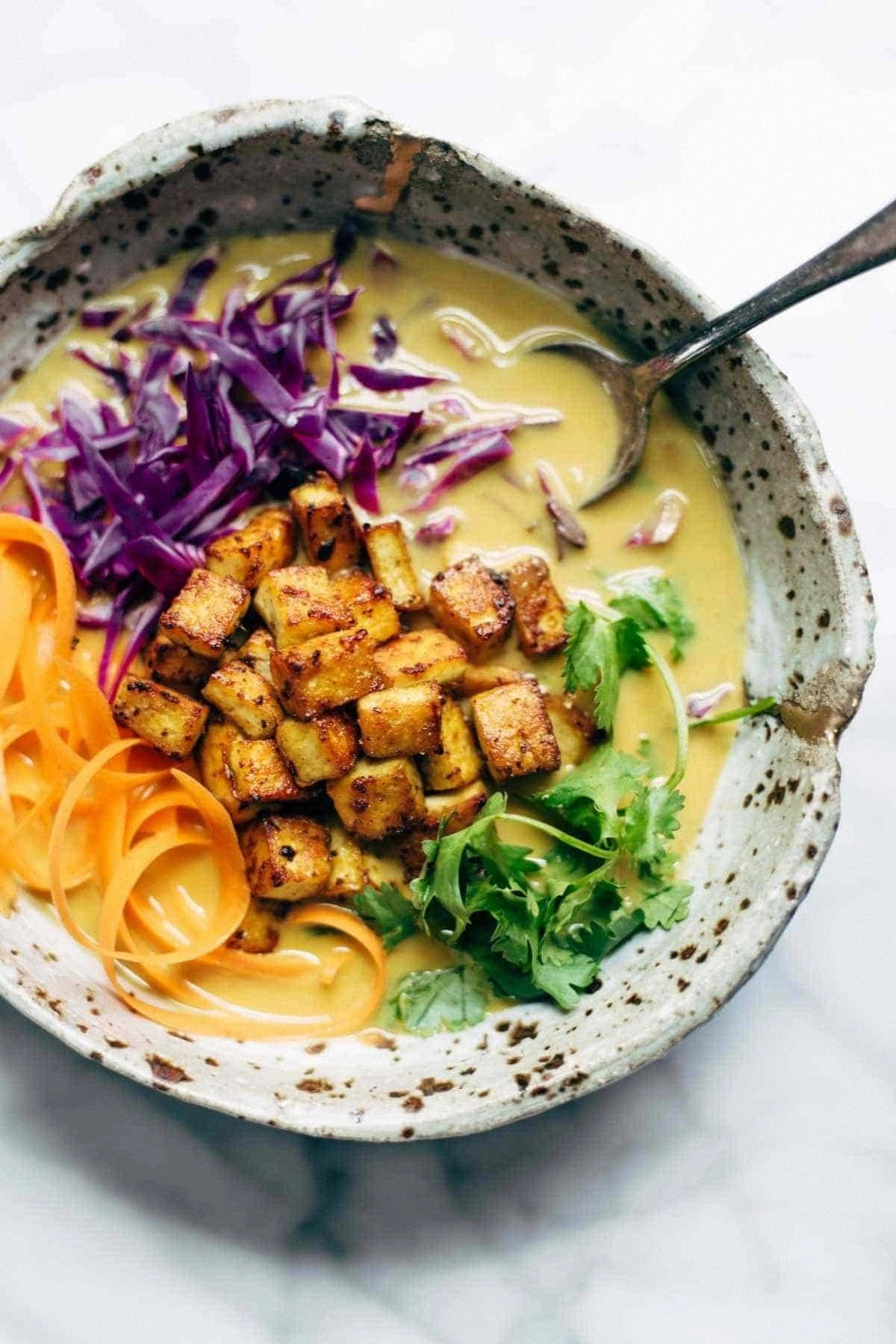
Protein is where you can truly personalize this dish. I love tofu for its ability to soak up the sauce, but chicken strips work just as well for a meat‑lover’s version. The key is to add the protein after the veggies have softened so it stays tender and doesn’t overcook. A pinch of fish sauce (or soy sauce for a vegetarian version) adds a salty depth that makes the broth feel complete.
Lime juice and brown sugar are the yin‑yang of the flavor profile. Lime adds acidity that brightens the coconut, while a teaspoon of brown sugar rounds out any lingering heat, creating a balanced palate. A misstep here—too much lime—will make the curry sour; too much sugar, and it becomes cloyingly sweet.
The Final Flourish
Fresh cilantro and a final drizzle of lime juice are added at the very end of cooking. This preserves the herb’s bright green color and aromatic punch, preventing the cilantro from turning bitter. If you’re not a fan of cilantro, a handful of Thai basil or mint can provide a similarly fresh finish. A splash of extra coconut milk can be stirred in just before serving if you prefer a richer mouthfeel.
Everything's prepped? Good. Let's get into the real action...
The Method — Step by Step
- Prep the aromatics. Dice the onion into medium cubes, mince the garlic, and grate the ginger. As you chop, the kitchen fills with that sharp, clean scent of fresh veg—an early promise of flavor. I always set a bowl of water nearby to keep the ginger from drying out, and I like to give the onion a quick sprinkle of salt to draw out moisture, which speeds up caramelization later.
- Heat the oil. In a large pot or deep skillet, pour in two tablespoons of vegetable oil and warm over medium heat until it shimmers. The moment the oil ripples is the signal to add the aromatics. Toss the onions in and let them sizzle for about two minutes, stirring occasionally, until they turn translucent and start to turn golden at the edges.
- Add the minced garlic and ginger to the onions, stirring constantly. Within 30 seconds you’ll hear a faint crackle—“that sizzle when it hits the pan? Absolute perfection.” Cook until fragrant, being careful not to let the garlic brown, which would add bitterness.Kitchen Hack: If your pan is too crowded, add the garlic and ginger in two batches; this prevents burning and ensures each piece releases its full aroma.
- Toast the curry paste. Spoon in two tablespoons of red curry paste, breaking it up with a wooden spoon. The paste should hiss and coat the onion mixture, turning a deep ruby color. Let it toast for about 45 seconds, stirring constantly; this step unlocks hidden layers of spice that would otherwise stay dormant.
- Deglaze with coconut milk. Pour in two cups of full‑fat coconut milk, scraping the bottom of the pan to dissolve any browned bits. The liquid will swirl, turning a rich amber hue as the paste melds. Bring the mixture to a gentle simmer, then lower the heat to maintain a steady bubble—no rolling boil, just a soft whisper of steam.
- Add vegetables. Toss in two cups of mixed vegetables—carrots, bell peppers, broccoli florets—into the simmering broth. The vegetables should sizzle softly as they hit the hot liquid, releasing a sweet, earthy perfume. Cook for about five minutes, or until they are just tender but still retain a satisfying crunch.
- Stir in your protein choice—one cup of tofu cubes or chicken strips. Let it simmer for another three minutes, allowing the protein to absorb the sauce’s flavors. If using tofu, be gentle; you want the cubes to stay whole.Watch Out: Overcooking the vegetables will make them soggy and dilute the curry’s texture. Keep a close eye and test with a fork.
- Season wisely. Add one tablespoon of fish sauce (or soy sauce for a vegetarian version), one tablespoon of lime juice, and a teaspoon of brown sugar. Stir well and taste. The broth should feel balanced: a hint of sweetness, a bright acidity, and a savory depth. Adjust salt or pepper to taste, but remember the fish sauce already brings saltiness.
- Give the soup a final stir, then turn off the heat. Let it sit for two minutes; this resting period allows the flavors to meld even more, creating that “hands down the best version you’ll ever make at home” feeling.Kitchen Hack: Finish the curry with a handful of chopped cilantro and an extra squeeze of lime right before serving; this preserves the herb’s fresh flavor and adds a pop of color.
- Plate and enjoy. Ladle the curry into bowls, garnish with additional cilantro, a drizzle of coconut milk, and, if you like, a few sliced red chilies for extra heat. Serve with steamed jasmine rice or crusty naan. Picture yourself pulling this out of the pot, the whole kitchen smelling incredible, and you’re ready to dig in.
That's it — you did it. But hold on, I've got a few more tricks that'll take this to another level...
Insider Tricks for Flawless Results
The Temperature Rule Nobody Follows
Never let the curry boil aggressively; a gentle simmer preserves the coconut milk’s emulsion and prevents it from curdling. If the heat is too high, the fat separates, leaving a greasy surface that looks unappetizing. Keep the heat low and watch for a steady, soft bubble—this is the sweet spot where flavors meld without breaking.
Why Your Nose Knows Best
Your sense of smell is the ultimate timer. When you first add the curry paste, the kitchen should fill with a sweet‑spicy perfume that deepens after a minute. If the aroma fades too quickly, the paste wasn’t toasted enough; give it another 15 seconds. Trust that nose; it’s more reliable than any clock.
The 5‑Minute Rest That Changes Everything
After turning off the heat, let the curry sit uncovered for five minutes. This rest allows the flavors to integrate fully, and the sauce thickens just enough to coat a spoon. Skipping this step leaves a thinner broth and a less cohesive flavor profile.
The Veggie Timing Trick
Hard vegetables like carrots need a head start; add them a minute before softer ones like bell peppers. This ensures every bite is uniformly cooked and prevents the softer veggies from turning to mush. A friend once tried adding everything at once and ended up with soggy peppers—lesson learned.
The “Finish Line” Finish
Right before serving, stir in a splash of extra coconut milk and a handful of fresh herbs. This brightens the dish, giving it a glossy finish that looks restaurant‑ready. If you forget, the curry will still taste great, but the visual impact drops.
Creative Twists and Variations
This recipe is a playground. Here are some of my favorite ways to switch things up:
Peanut‑Butter Power
Stir in a tablespoon of smooth peanut butter after the coconut milk is incorporated. The nutty depth adds a Thai‑style satay vibe, perfect for those who love a richer, slightly sweet undertone. Serve with crushed peanuts on top for crunch.
Spicy Mango Madness
Add diced ripe mango and a sliced Thai bird’s eye chili during the final minute of cooking. The mango’s sweetness balances the heat, creating a sweet‑heat contrast that’s unforgettable. This version shines when paired with jasmine rice.
Green Curry Remix
Swap the red curry paste for an equal amount of green curry paste, and throw in a handful of fresh Thai basil. The herbaceous notes transform the dish into a lighter, herb‑forward version that feels like a summer garden in a bowl.
Protein Powerhouse
Replace tofu or chicken with shrimp or tempeh. Shrimp cooks in just two minutes, adding a briny snap, while tempeh absorbs the sauce beautifully and adds a nutty texture. Adjust the fish sauce down a notch if you use shrimp, as they’re already salty.
Creamy Coconut‑Lentil Stew
Introduce half a cup of red lentils when you add the coconut milk. The lentils thicken the broth naturally and add protein, turning the curry into a hearty stew perfect for chilly evenings. Stir occasionally to prevent sticking.
Storing and Bringing It Back to Life
Fridge Storage
Transfer the cooled curry into an airtight container and store in the refrigerator for up to four days. The flavors will continue to meld, making the second day even tastier. When reheating, stir in a splash of coconut milk to revive the silky texture.
Freezer Friendly
Portion the curry into freezer‑safe bags or containers, leaving a little headspace for expansion. Freeze for up to three months. Thaw overnight in the fridge, then reheat gently on the stove, adding a tablespoon of water or coconut milk to loosen the sauce.
Best Reheating Method
Reheat on the stovetop over low heat, stirring constantly. Avoid microwave bursts; they can cause the coconut milk to separate. If the curry looks too thick, add a teaspoon of water per cup of sauce and let it simmer for a minute.